7.8 Inch AMOLED Display for Wearable and Embedded Visual Systems
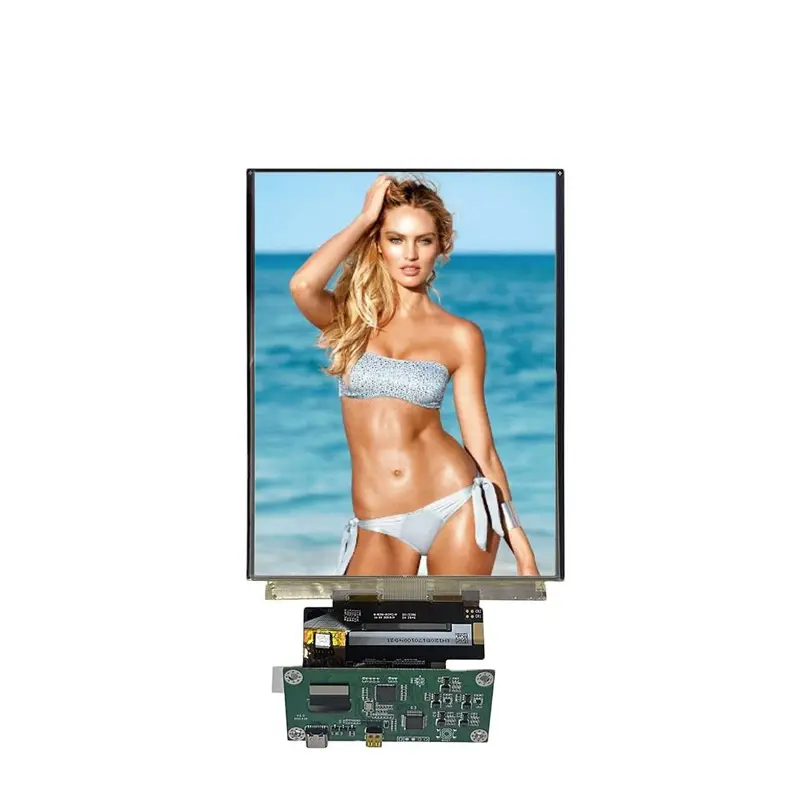
As wearable electronics continue evolving beyond conventional smartwatches, device manufacturers increasingly require high-resolution AMOLED modules capable of supporting custom industrial designs, interactive fashion products, and compact embedded visual systems. This 7.8 Inch AMOLED Display OLED Module combines a square-format OLED structure with a 1440×1920 ultra-high-definition resolution, making it suitable for next-generation smart wearable applications where image clarity and compact integration are critical.
Unlike standard rectangular TFT modules, this AMOLED display uses a 4:3 square aspect ratio that provides more balanced UI layout flexibility for wearable terminals, smart clothing accessories, portable digital signage, and custom embedded display equipment. The square structure is particularly valuable for fashion-oriented electronics and unconventional industrial designs where standard widescreen displays create integration limitations.
Why the 7.8 Inch AMOLED Display Is Suitable for Smart Wearables
Modern wearable products demand more than compact dimensions. They require deep contrast performance, low power consumption, lightweight construction, and excellent visual performance under varying viewing conditions. AMOLED technology addresses these requirements by enabling self-emissive pixels that deliver rich black levels, high contrast ratios, and vibrant color rendering.
The 1440×1920 resolution significantly improves interface sharpness, especially for products displaying graphical controls, multimedia content, real-time monitoring data, or branded visual experiences. For engineering teams developing interactive apparel, smart hats, portable visualization systems, or luxury wearable electronics, high pixel density helps maintain premium visual quality even at close viewing distances.
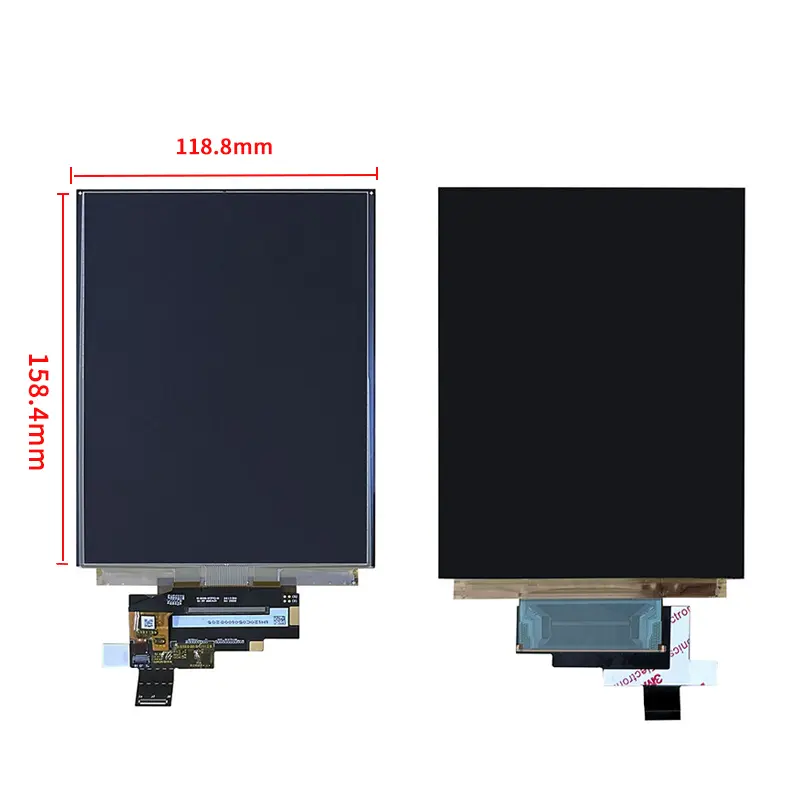
The module’s active area of 118.8 mm × 158.4 mm offers sufficient display space for dynamic user interfaces while remaining compact enough for embedded applications requiring lightweight construction and optimized space utilization.
MIPI Interface Integration Advantages
Dual-Port MIPI Architecture for High-Speed Transmission
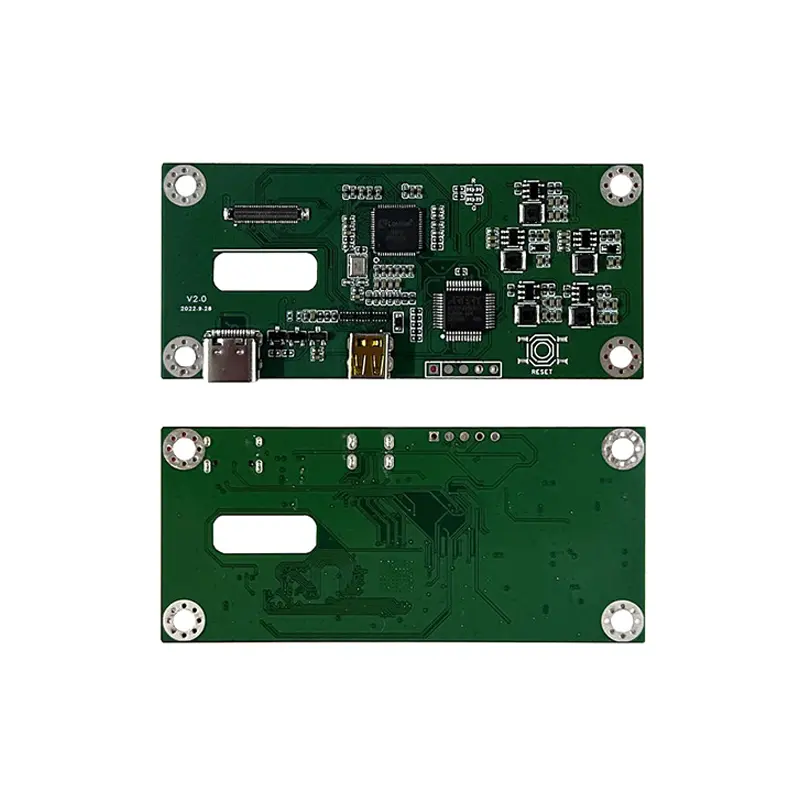
This 7.8 Inch AMOLED Display integrates a dual-port MIPI interface, supporting high-speed data communication between the display and the host control platform. MIPI remains one of the most widely adopted display interfaces for modern embedded systems due to its low pin count, efficient bandwidth management, and reduced EMI characteristics.
For developers designing Linux-based terminals, Android wearable systems, portable multimedia devices, or embedded ARM platforms, MIPI integration simplifies hardware architecture while maintaining stable high-resolution image transmission.
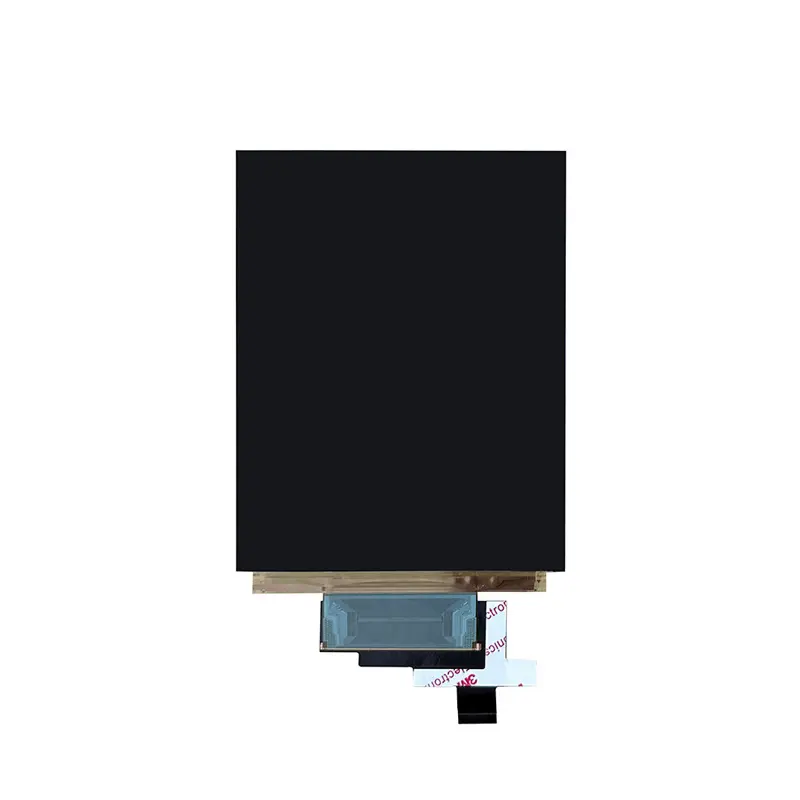
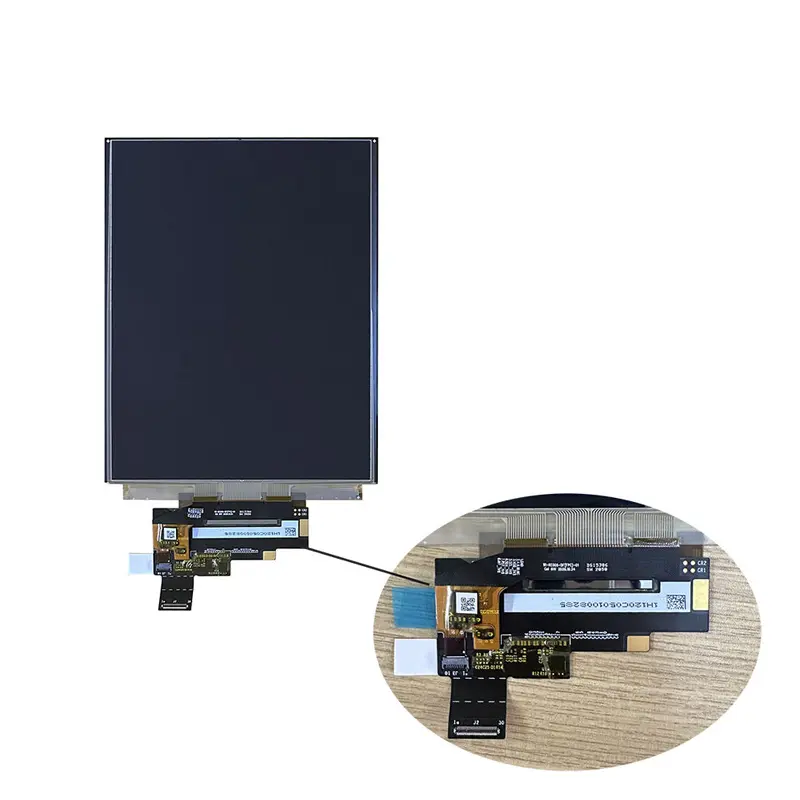
The module also incorporates a 40-pin FPC structure with optional RTP/CTP touch support, providing additional flexibility for projects requiring interactive touch functionality.
Flexible Integration Structure
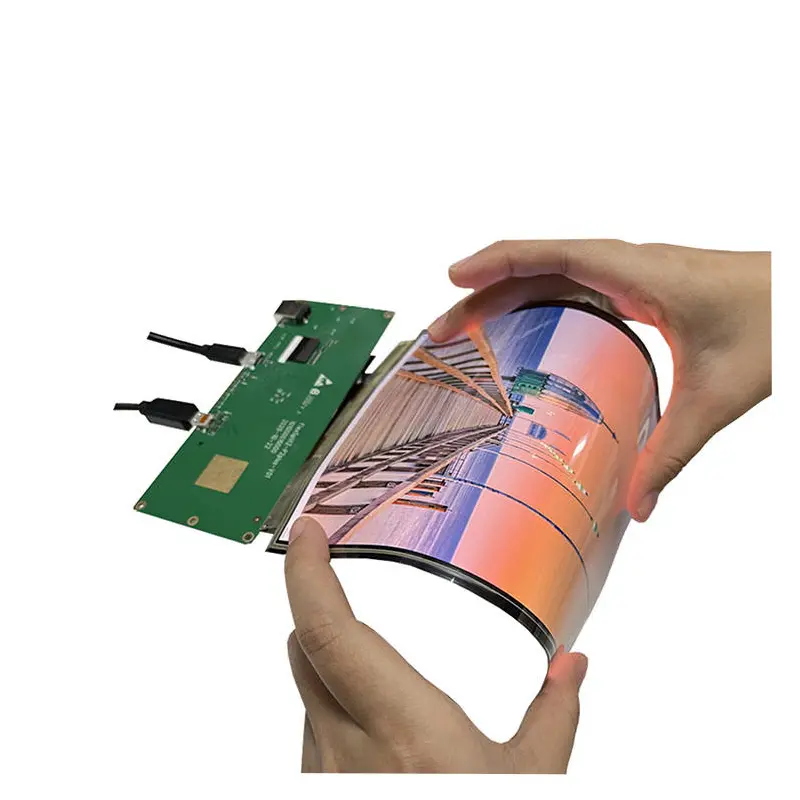
The flexible FPC design helps engineers integrate the module into compact or irregularly shaped industrial structures. Compared with rigid display assemblies, flexible OLED integration can reduce mechanical limitations during product development, especially for wearable electronics and fashion-integrated devices.
This design approach is particularly useful for:
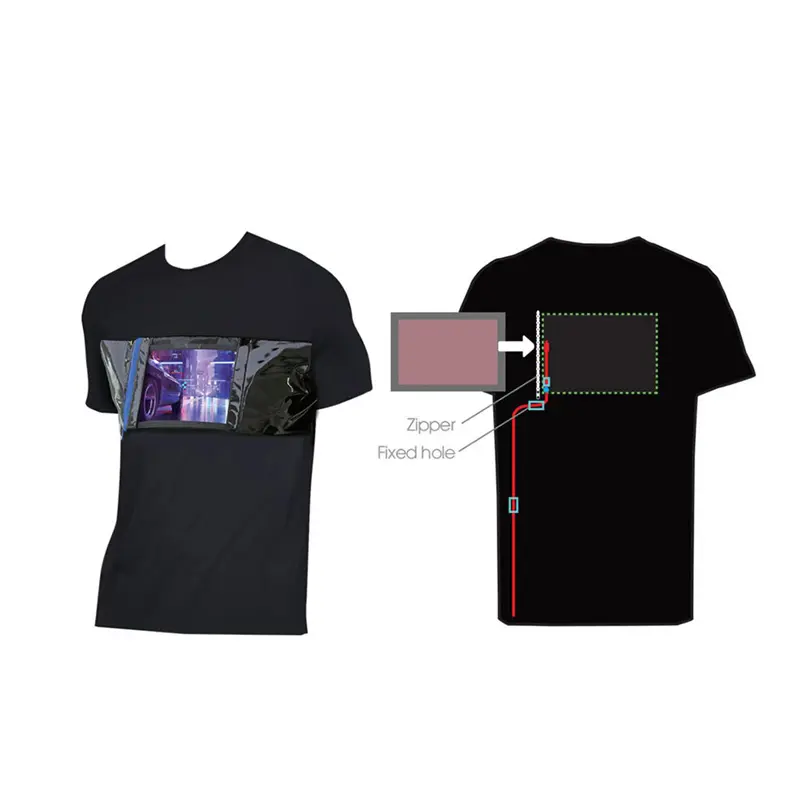
- Smart hats and wearable accessories
- Fashion-integrated digital displays
- Compact advertising terminals
- Portable embedded control systems
- Smart exhibition equipment
- Interactive retail displays
Thermal Stability and Industrial Reliability
Commercial wearable products frequently encounter varying operating environments. This AMOLED module supports a working temperature range from -20°C to 70°C and a storage temperature range from -30°C to 80°C, allowing integration into devices exposed to outdoor conditions, transportation environments, or continuous operational use.
The display is engineered to maintain stable image performance across extended operational periods while supporting low-profile product construction. AMOLED technology also contributes to lower power consumption during darker UI usage scenarios, which can help extend battery performance in portable electronics.
Customization Support for OEM and ODM Projects
One of the strongest commercial advantages of this module is its customization flexibility. The supplier supports:
- Drawing-based customization
- Sample-based customization
- Full OEM/ODM development
- Customized logos
- Customized packaging
- Graphic customization
For B2B buyers developing proprietary hardware products, this flexibility reduces engineering adaptation costs and accelerates product commercialization cycles.
Manufacturers can customize interface configurations, FPC structures, packaging requirements, and branding specifications according to project requirements. This makes the module suitable not only for mass production but also for prototype development and niche industrial applications.
AMOLED Display Applications Across Multiple Industries
The square AMOLED structure and high-resolution output enable deployment across multiple commercial sectors. In wearable electronics, the module supports premium interface visualization for smart apparel and fashion-oriented digital devices. In retail environments, it can function as a compact advertising or interactive product display.
The display is also appropriate for:
- Smart wearable terminals
- Embedded industrial interfaces
- Interactive retail systems
- Portable diagnostic equipment
- Smart clothing electronics
- Digital fashion accessories
- Compact multimedia control panels
- Custom smart hardware projects
Its combination of AMOLED contrast performance, MIPI compatibility, and flexible integration structure provides engineering teams with a practical display solution for modern compact electronics.