Custom OLED Screens
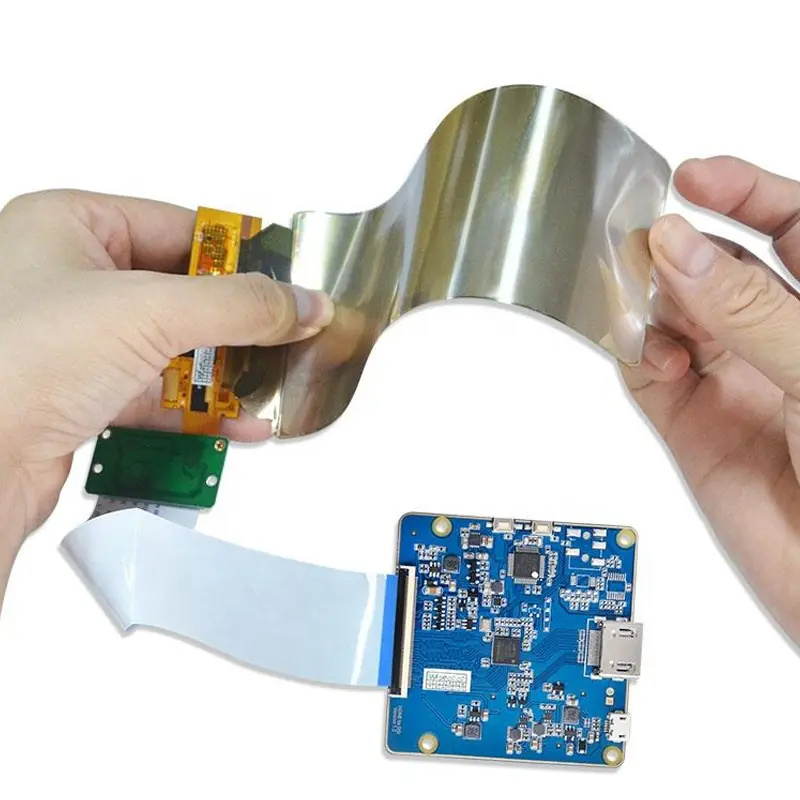
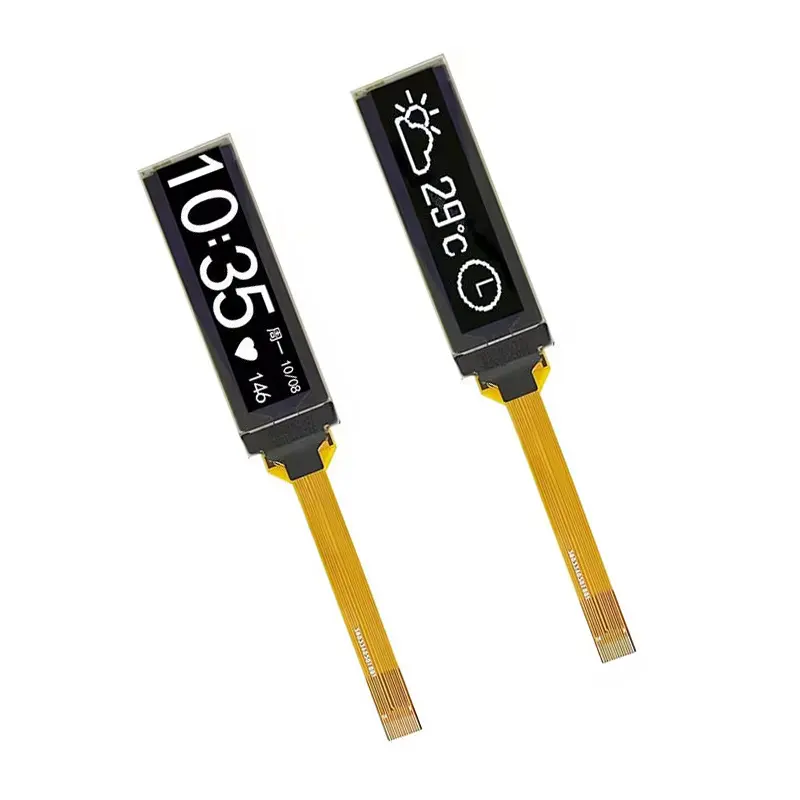
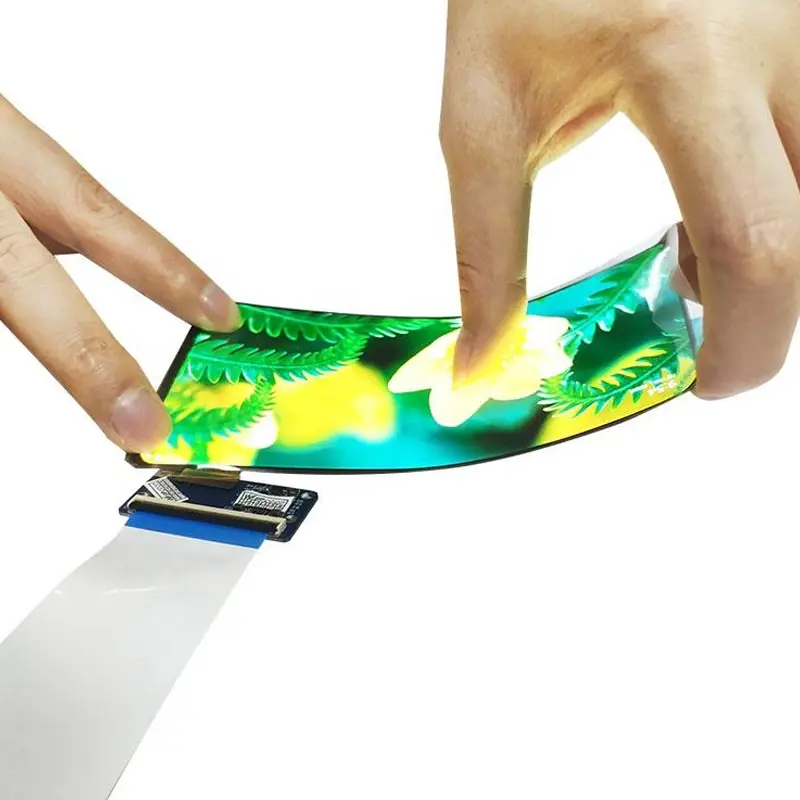
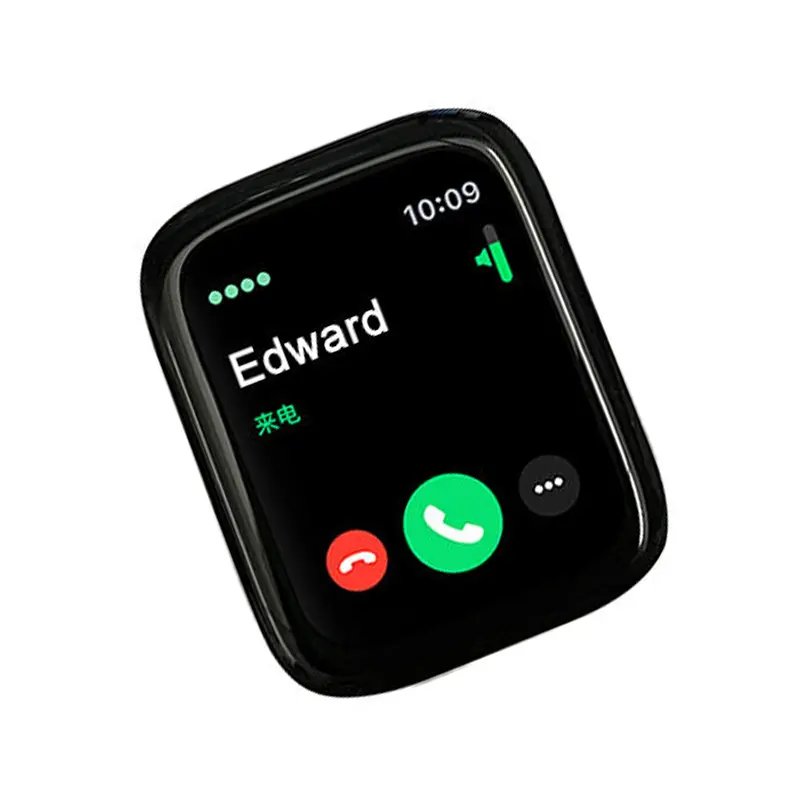
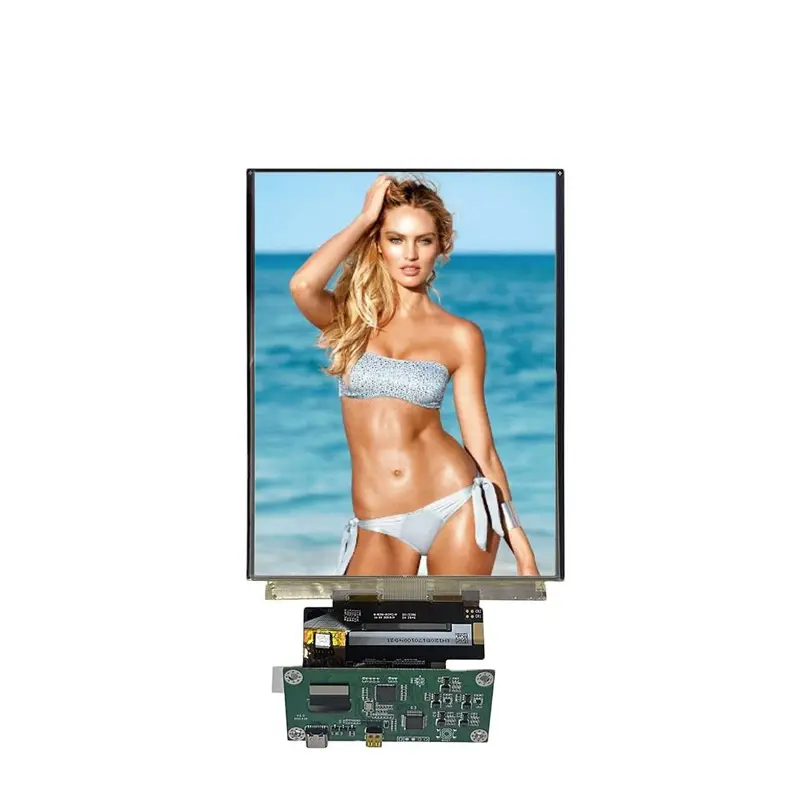
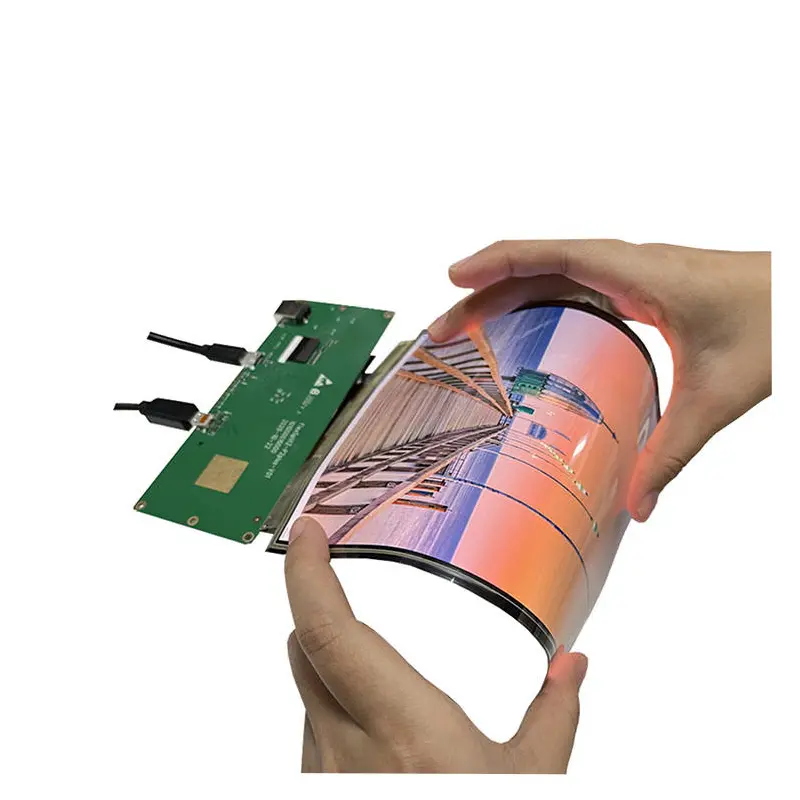
Custom OLED Screens are designed for OEM manufacturers and engineering teams that require high-contrast, thin, lightweight and visually advanced display solutions for specialized products. These custom OLED screen solutions can support different panel shapes, sizes, flexible OLED structures, touch functions, interfaces and mechanical integration requirements for medical devices, automotive electronics, smart wearables, industrial control systems, handheld equipment and premium embedded applications. With true black performance, fast response time, vivid image quality and flexible customization support, they help B2B buyers develop compact, reliable and high-end display products for demanding commercial and professional markets.
CATEGORIES
Contact Us
Freya Yang
+86 18318948097
FILTER BY Size
Custom OLED Screens Product Selection
Found 10 Products
Sort by:
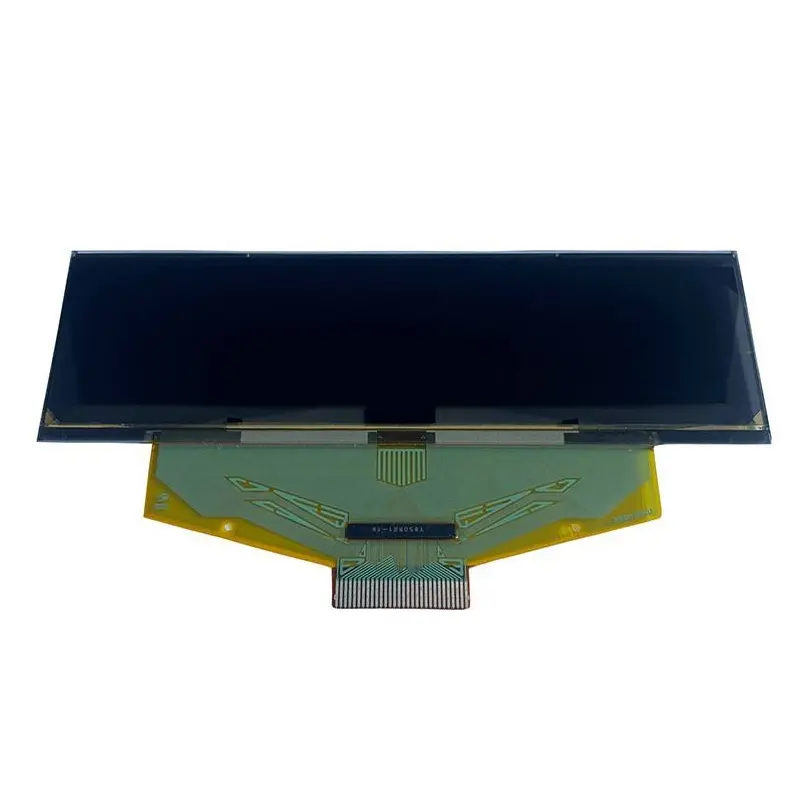
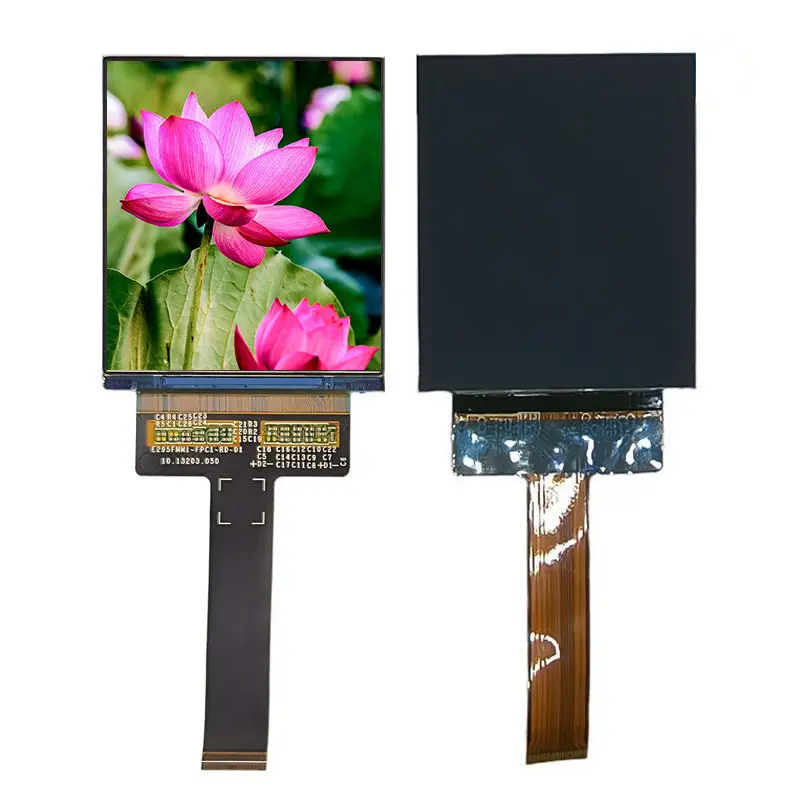
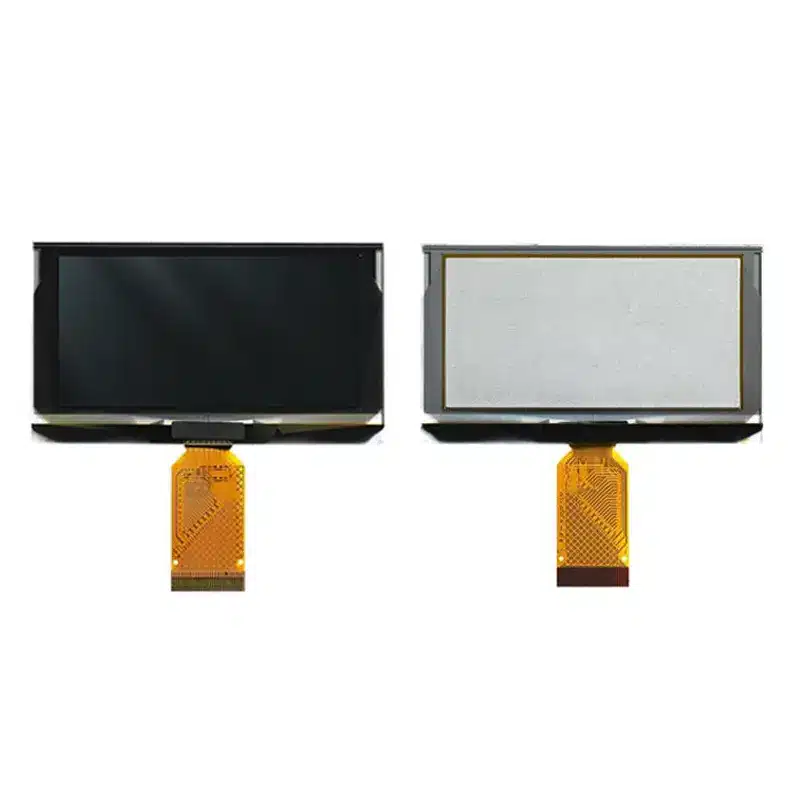
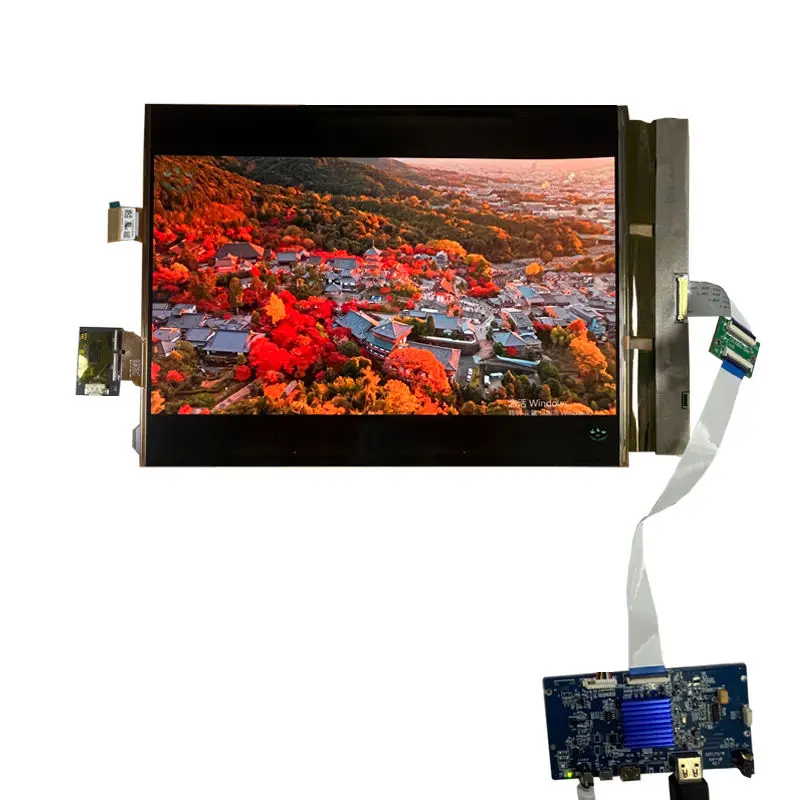
Showing 0 to 0 of 0 products
10
10
Can't find the display you need?
Contact our technical team for customized solutions tailored to your application.
FAQ
The Custom OLED Screens category is mainly used for custom display projects where buyers need application-specific size, interface, touch, cover lens, mechanical, or integration support. Products grouped under this subcategory are selected based on display format, optical performance, interface compatibility, and environmental requirements rather than on a generic product label alone. For customized display projects, buyers should provide target size, resolution, interface, brightness, touch requirement, mechanical drawing, and application environment before final confirmation.
Panel sizes in Custom OLED Screens typically range 1.78" to 13.3". This range is based on the actual products currently assigned to this subcategory, so it is more useful for sourcing than a generic market estimate. When comparing options, it is best to shortlist by mechanical size and visible area first, then evaluate resolution, brightness, and interface requirements for the final product.
Common resolutions in Custom OLED Screens include 1440×1920, 256×64, 368×448, and 2160×1080. Resolution should be selected according to how much information needs to be displayed, the panel size, and the expected viewing distance in the target device. A practical procurement method is to compare resolution together with size and interface support rather than evaluating pixel count alone.
Products in Custom OLED Screens typically cover a brightness range of 80 to 390 nits. This helps buyers quickly judge whether the category is more suitable for standard indoor use, brighter industrial environments, or higher-visibility applications. In real projects, brightness should be checked together with cover glass, contrast performance, and installation conditions before final model approval.
The typical operating temperature range in Custom OLED Screens is 0°C to 70°C. Operating temperature is especially important in industrial, transportation, outdoor-adjacent, and other demanding environments where display stability must be maintained over time. Buyers should always verify both minimum and maximum temperature requirements at model level when evaluating long-term reliability.
Common connector or interface options in Custom OLED Screens include MIPI 62 Pin, 2 Port MIPI/ FPC 40 PIN + RTP/CTP, SPI Interface, and FPC connector. Interface choice affects system integration, cable routing, controller compatibility, and signal design, so it should be reviewed early in the selection process. A reliable comparison method is to narrow candidates by size and optical requirements first, then confirm whether the interface matches the mainboard or controller architecture.
Touch support is not strongly represented in the current products grouped under Custom OLED Screens, so this subcategory should primarily be treated as a display-focused category unless a specific model states otherwise. If your project requires touch functionality, it is advisable to verify whether a compatible touch-enabled model or customized alternative is available before finalizing the display choice.
A practical way to choose within Custom OLED Screens is to compare panel size, resolution, brightness, connector type, and operating temperature in that order. These core parameters usually eliminate unsuitable models much faster than broad catalog descriptions because they directly affect fit, readability, and system compatibility. After that, buyers can compare touch options, brand preference, customization feasibility, and supply continuity before moving to sampling.
Custom OLED Screens is commonly relevant to industries and use cases such as industrial control equipment, embedded devices, HMI systems, smart terminals, and related display applications. In practice, the real industry fit depends on a combination of display performance, environmental tolerance, interface requirements, and lifecycle expectations rather than on the category title alone. Buyers should therefore use the category as an efficient starting point and confirm detailed suitability at model level.
Yes. Custom OLED Screens includes characteristics associated with industrial-grade designs, wide-temperature capability, custom display integration options, and OEM/ODM project support. In display sourcing, industrial suitability should be judged through measurable parameters such as temperature range, brightness capability, interface stability, and long-term availability rather than by label alone. A strong evaluation process always compares datasheet values against the final device environment before approval.
Higher-brightness options may be available in Custom OLED Screens, especially where the current product range reaches 80 to 390 nits. However, true sunlight-readable performance depends on more than backlight value alone, because cover materials, contrast behavior, and installation environment also affect visibility. For outdoor or strong ambient-light projects, brightness should be reviewed alongside optical stack and viewing conditions.
Yes. Requesting a datasheet before ordering is the standard and recommended process for Custom OLED Screens. A proper datasheet lets buyers verify size, interface, brightness, operating temperature, pin definition, and other critical parameters that cannot be fully judged from a category page alone. For efficient sourcing, it is best to shortlist a few models first and then request the relevant documentation for direct comparison.
The best way to compare models within Custom OLED Screens is to line them up by size, resolution, brightness, connector type, and operating temperature first, then review secondary factors such as touch support, brand, customization requirements, and lifecycle planning. This avoids choosing a model based on one attractive feature while overlooking integration risks elsewhere. A technically sound shortlist should satisfy both electrical and mechanical conditions before cost comparison begins.
Many models in Custom OLED Screens can be considered for long-term supply projects, but long-term suitability should always be checked at individual model level. Factors such as brand source, lifecycle expectation, interface continuity, customization dependency, and acceptable replacement strategy all influence whether a panel is appropriate for a multi-year program. Buyers planning ongoing supply should confirm continuity and documentation support before final selection.
Yes. Custom OLED Screens can be a useful starting point for replacement or equivalent model sourcing because it groups products with overlapping display characteristics. Even so, equivalent sourcing should never be based on size alone. A safer process is to compare resolution, connector type, brightness, temperature range, mechanical fit, and application purpose together before approving any substitute model.