Built for sunlight-readable embedded systems requiring portrait resolution and responsive touch interaction
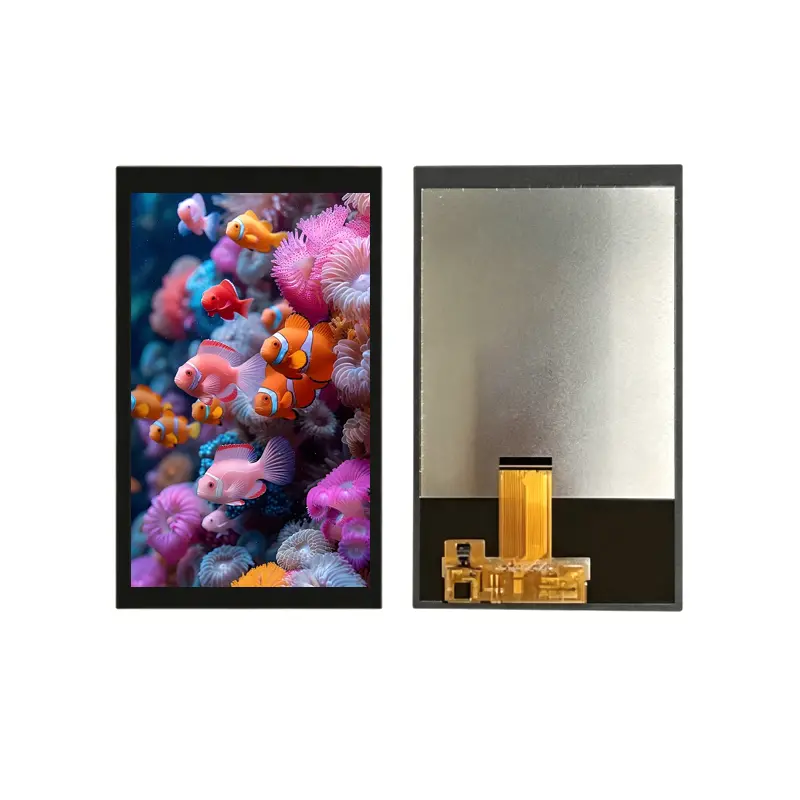
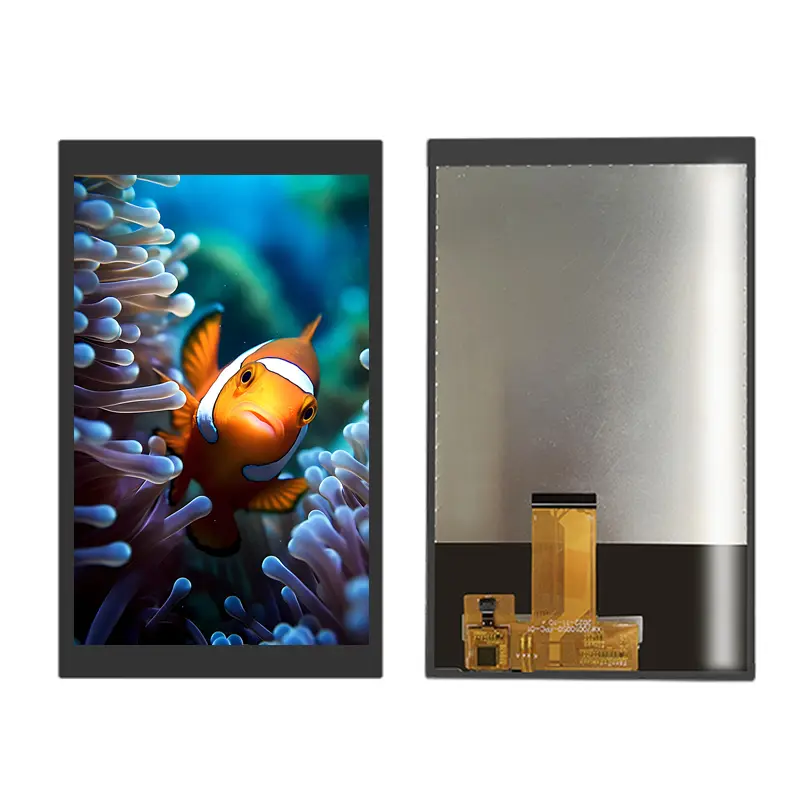
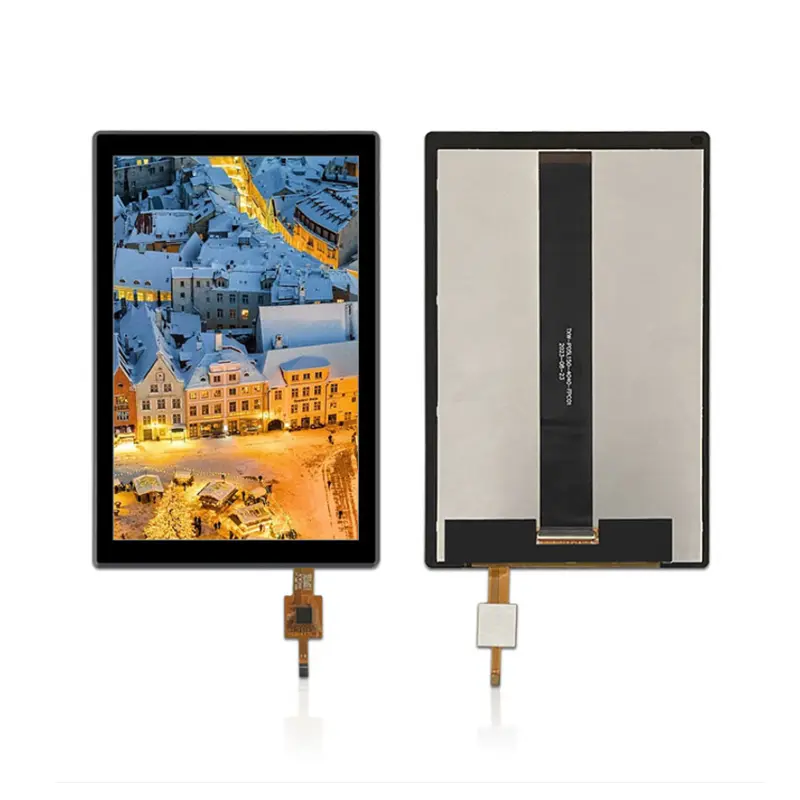
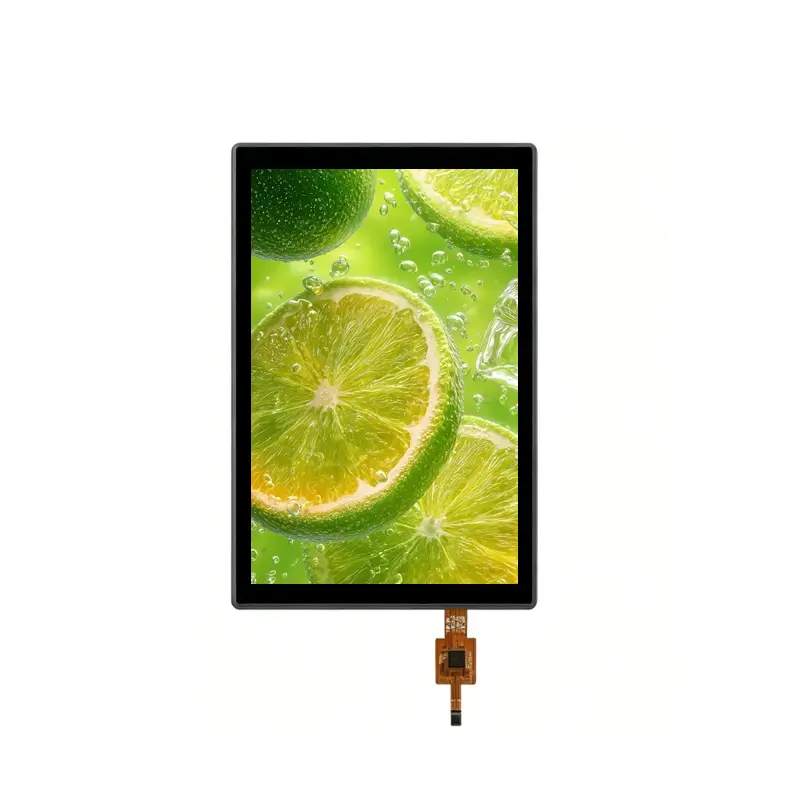
When developing equipment that must remain usable in bright outdoor conditions, display performance quickly becomes a limiting factor. Portable control terminals, drone ground stations, medical imaging systems, and industrial handheld devices all require a screen that combines visibility, resolution, and interactive functionality. This 7 Inch High Brightness Touch Screen Display is engineered for these demanding scenarios by integrating ultra-high brightness, portrait Full HD resolution, IPS viewing technology, and capacitive touch capability into a compact display module.
Exceptional Outdoor Visibility and Sunlight Readability
One of the most significant challenges for portable and field-deployed equipment is maintaining screen readability under strong ambient light. Standard display modules often become difficult to view outdoors, reducing operator efficiency and increasing the risk of user error.
With brightness specified between 1500 and 2000 nits, this display offers substantially higher luminance than conventional industrial screens. The elevated brightness level allows operators to view interface elements, maps, monitoring data, and imaging content more clearly when working in daylight conditions.
For applications such as UAV control systems, inspection equipment, field service terminals, and outdoor monitoring devices, the 7 Inch High Brightness Touch Screen Display helps improve visibility without requiring excessive enclosure shading or external viewing accessories.
The transmissive display structure and WLED backlight system further support image clarity across changing lighting environments, making the module suitable for both indoor and outdoor deployments.
High-Resolution Portrait Display for Modern Interfaces
The 1200 × 1920 resolution provides a vertical Full HD format that supports detailed graphics and modern user-interface layouts. Compared with lower-resolution alternatives, the increased pixel density improves the presentation of text, images, charts, and control elements.
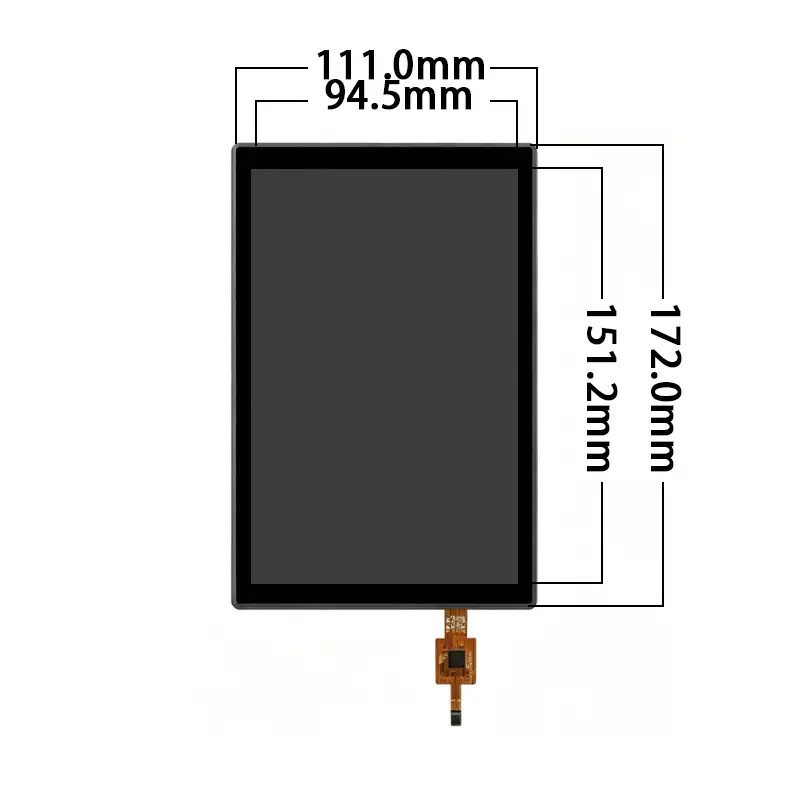
The active display area measures 94.5 × 151.2 mm, creating a portrait-oriented viewing experience that aligns well with handheld devices, drone controllers, data terminals, and imaging equipment.
Many equipment manufacturers are adopting portrait displays because they provide more vertical workspace for application interfaces. This format can improve information organization while supporting touch-centric software designs.
For applications requiring detailed visual feedback, the 7 Inch High Brightness Touch Screen Display delivers the combination of resolution and brightness needed to present complex information clearly.
IPS Technology for Consistent Viewing Performance
Display readability is not determined by brightness alone. Viewing-angle performance also plays a critical role, particularly when equipment may be viewed from different positions.
The IPS panel architecture provides viewing angles of 85° in all directions. This helps maintain consistent color reproduction and image quality even when users view the display from off-center positions.
A typical contrast ratio of 1200:1 enhances visual separation between dark and bright image elements, contributing to improved readability in monitoring systems, imaging devices, and industrial interfaces.
The support for 16.7 million colors further enhances visual quality for graphical interfaces, camera systems, and applications requiring accurate image representation.
MIPI Interface Integration for Advanced Embedded Systems
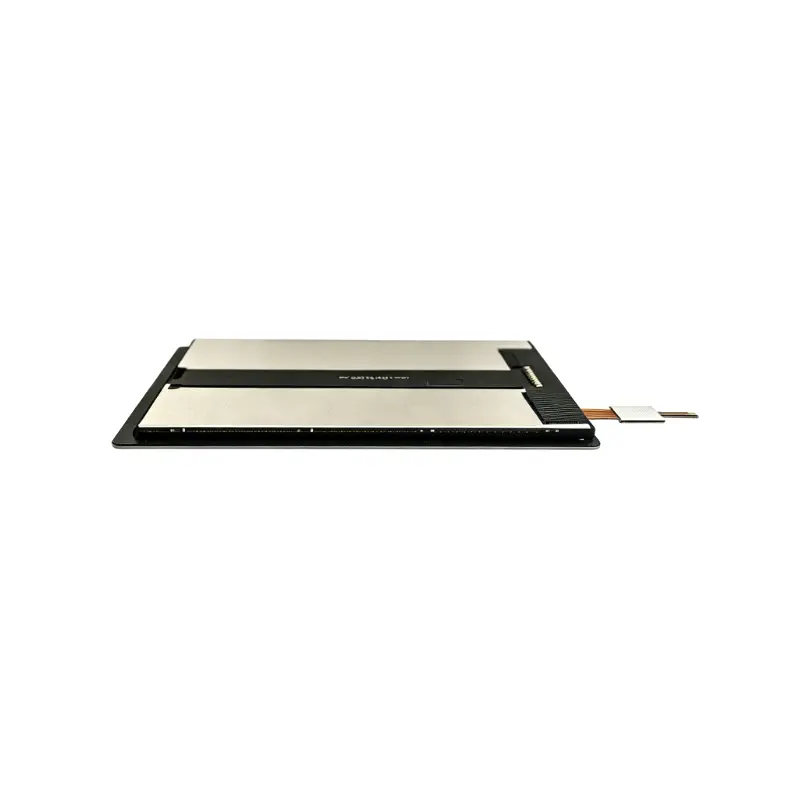
Modern embedded platforms increasingly rely on high-speed display interfaces to support higher resolutions and richer graphics performance. This module incorporates a MIPI interface and 40-pin connection structure, making it suitable for advanced embedded architectures.
MIPI technology enables efficient data transmission while helping system designers manage signal integrity requirements in compact device layouts.
The interface design is well suited for portable electronics, industrial handheld terminals, UAV control systems, smart instruments, and other performance-oriented embedded platforms.
As display resolutions continue to increase, MIPI has become a preferred interface standard for many contemporary processor platforms and embedded development projects.
Responsive Capacitive Touch Interaction
The integrated projected capacitive touch panel adds interactive functionality that supports modern human-machine interface requirements.
Capacitive touch technology provides accurate input recognition and smooth user interaction, enabling intuitive control of software menus, navigation interfaces, monitoring systems, and graphical applications.
For equipment manufacturers designing portable devices or operator-control systems, touch integration can simplify mechanical design by reducing dependence on physical buttons and external input devices.
The combination of high brightness, portrait resolution, IPS technology, and touch capability makes the 7 Inch High Brightness Touch Screen Display a strong candidate for next-generation embedded equipment.
Application Opportunities Across Multiple Industries
This display module supports a broad range of professional applications.
UAV ground control systems can benefit from the sunlight-readable brightness and portrait interface layout. Industrial handheld devices can utilize the touch functionality and high-resolution display for diagnostics and field operations.
Medical imaging equipment may take advantage of the detailed resolution and IPS viewing characteristics, while security and surveillance systems can leverage the brightness and image clarity for monitoring tasks.
From a procurement perspective, the 7 Inch High Brightness Touch Screen Display combines several premium features within a compact footprint: ultra-high brightness, Full HD portrait resolution, capacitive touch capability, MIPI connectivity, and wide viewing performance. This balanced specification profile helps reduce integration compromises for advanced equipment development projects.