
~
~
~
~
~
~
TCG104SVLEAVNN-AN20 100K ASV SVGA Module Kyocera
Model P/N
Size
Resolution
Brightness
Viewing Angle
Connector Type
Operating Temp
Overall(mm)
kyocera
TCG104SVLEAVNN-AN20
Brand
Panel Size (inch)
Model P/N
Resolution
Brightness (nits)
Viewing Angle
Contrast Ratio
Response Time
Overall (mm)
Active Area (mm)
Refresh Rate
Display Colors
Panel Type
Connector Type
Surface Treatment
Operating Temp
Touchscreen Type
Storage Temp
Work Mode
Pixel Format
Input Voltage (V)
Designed For
Product Details
Product Overview
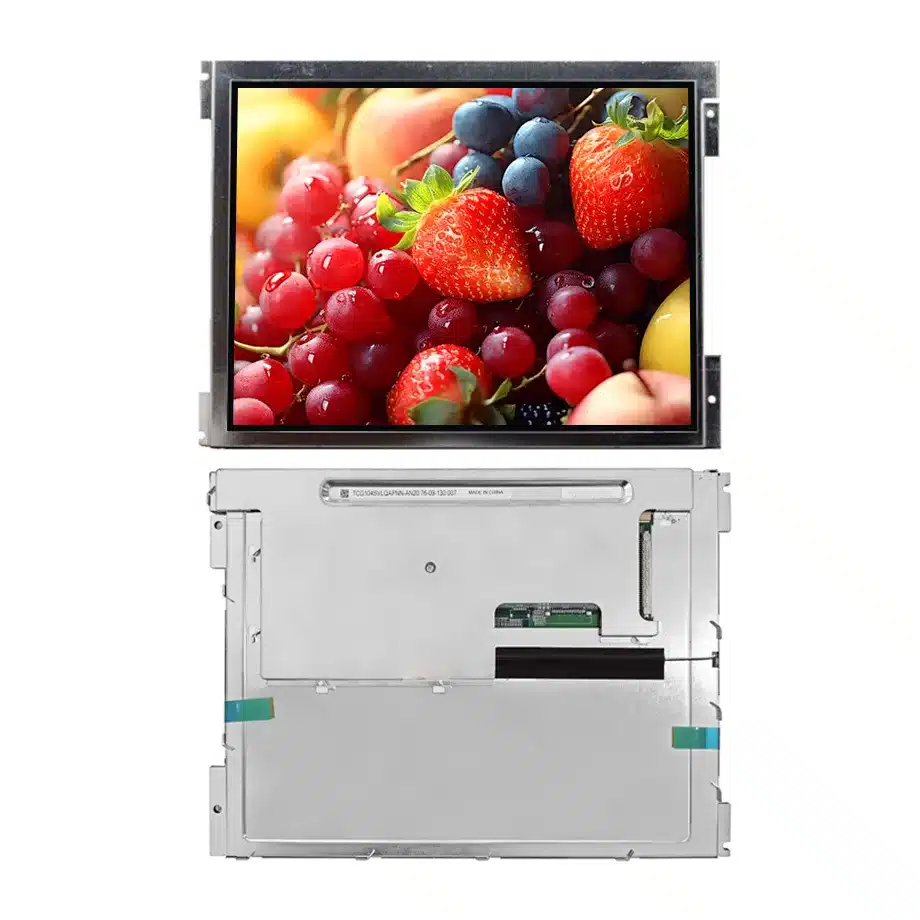
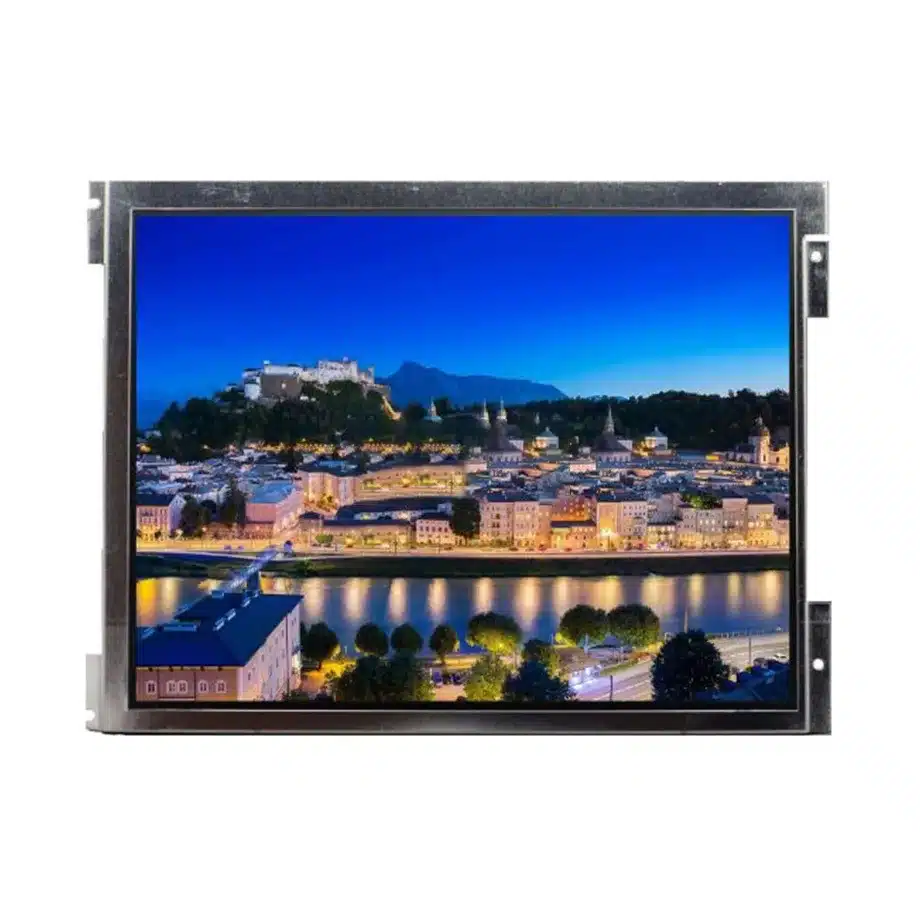
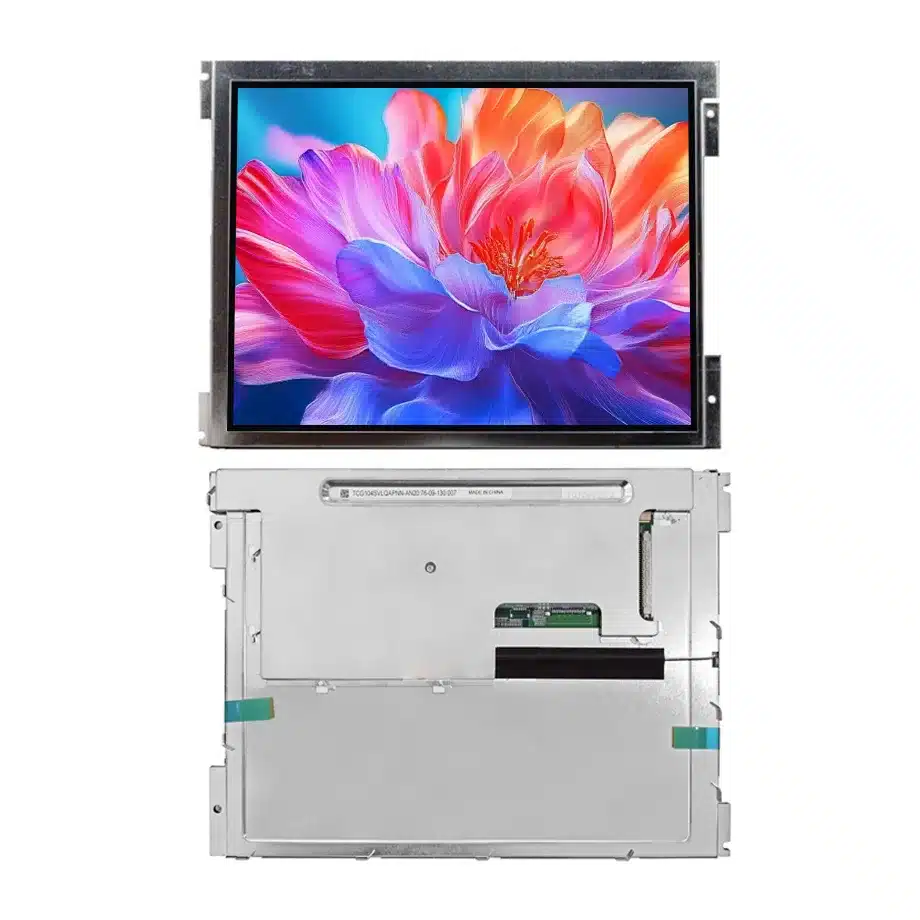
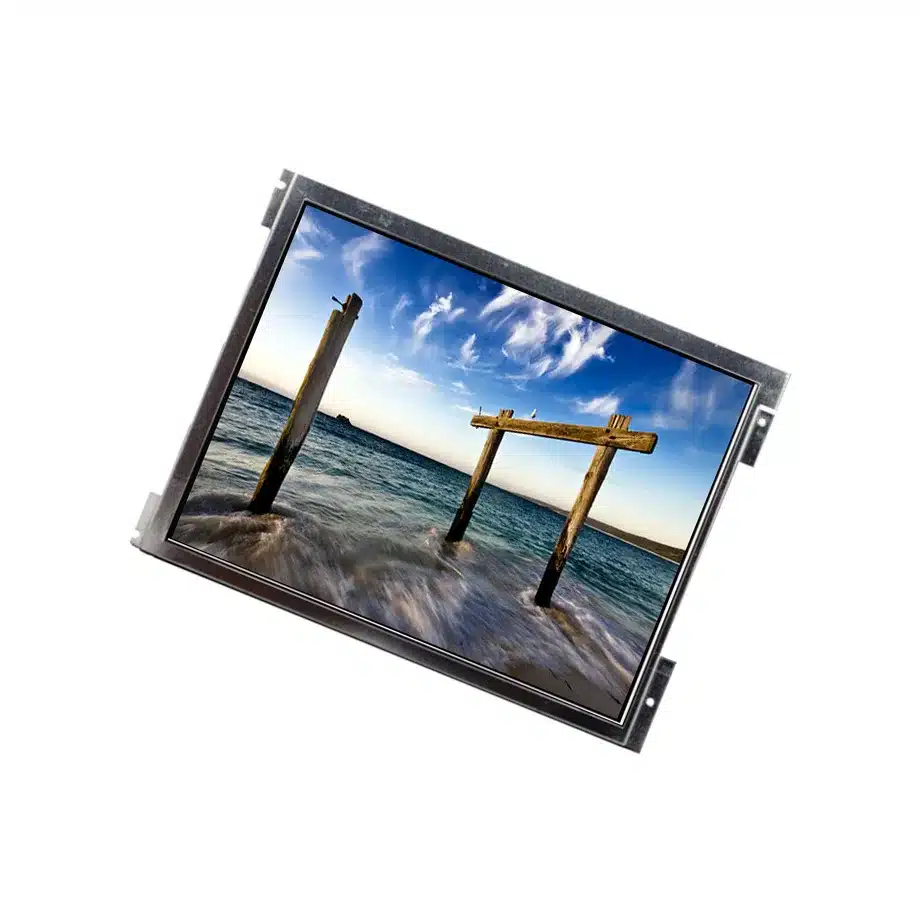
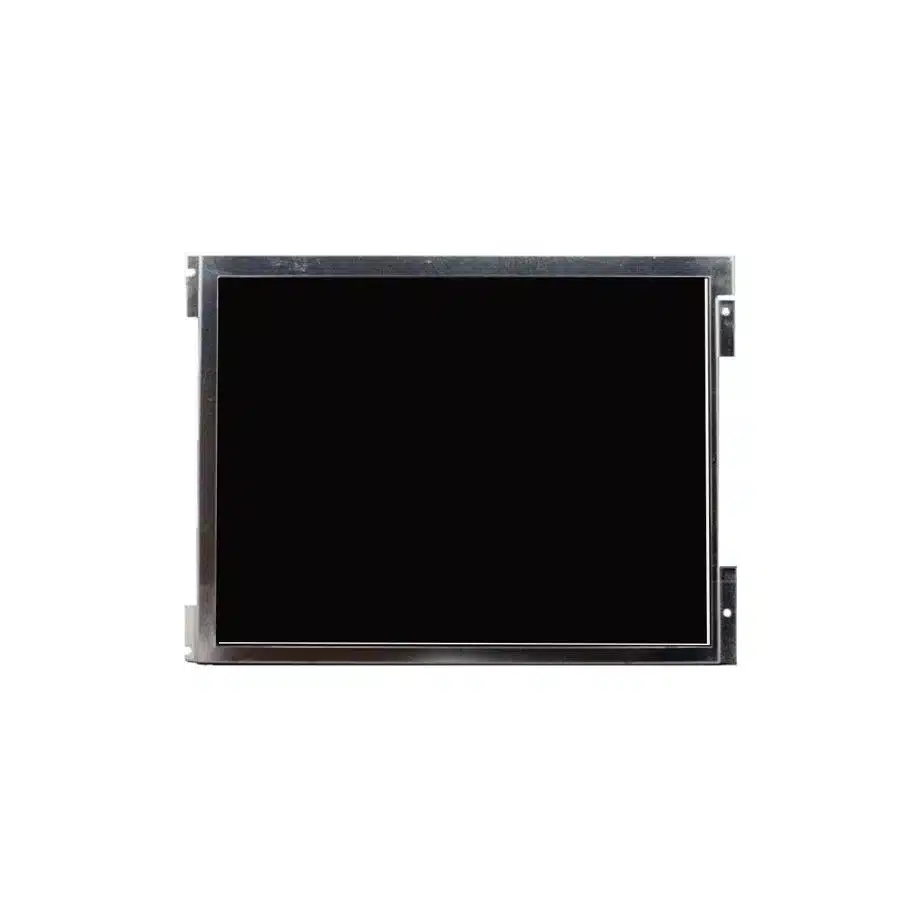
TCG104SVLEAVNN-AN20 100K ASV SVGA Module is a 10.4-inch Kyocera a-Si TFT-LCD module for industrial equipment. The user-supplied exact-model specification defines 800(RGB)×600 SVGA resolution in a 4:3 aspect ratio, a 211.2 × 158.4 mm active area and a 243 × 185.1 × 9.5 mm module outline. Maximum mass is 510 g. The surface is antiglare with a 3H hard coating.
The locked optical baseline is 600 cd/m² typical luminance, 700:1 typical contrast, 80/80/80/80 typical viewing and 262K colors. The display uses ASV normally-black transmissive operation with a 23 ms typical Tr+Td response and 60 Hz refresh. A WLED backlight with integrated LED driver and a 100,000-hour source-life reference is included. The module is supplied without touch.
The signal interface is single-channel 6-bit LVDS through a 30-pin connector with a 3.3 V typical panel supply. The operating range is -20 to 70 °C and storage is -30 to 80 °C. Kyocera publishes an exact-model product page and a current exact-model specification PDF; those public revision snapshots show some values that differ from the user-supplied packet. Under this production workflow, the supplied current-run values remain authoritative, while Kyocera's industrial display portfolio supports the industrial application context.
Three Core Buyer Value Propositions
1. A 100K-hour WLED reference supports long-duty-cycle planning
The user-supplied model carries a 100,000-hour backlight source-life figure and an integrated LED driver. That combination is relevant to HMIs, machinery and equipment expected to operate for long periods. The lifetime number still depends on Kyocera's test definition, LED current and temperature, so it should be used as a component planning input rather than a guaranteed equipment service interval.
2. -20 to 70 °C operation supports industrial enclosure design
The environmental range gives engineers more margin than a standard office display and directly supports industrial taxonomy. It is useful for factory equipment, test systems and other embedded products that may experience cold starts or elevated enclosure temperatures. Complete-system qualification still has to include the controller, power supply, touch layer if added, adhesives and enclosure because those parts may impose narrower limits.
3. Classic SVGA / LVDS architecture supports established industrial controllers
The 800×600 4:3 format and one-channel LVDS interface fit many legacy or long-life embedded controller architectures. This can reduce redesign scope when replacing an industrial display in a mature platform. Compatibility still depends on the exact 30-pin mapping, timing and mechanical package, so a generic “10.4-inch SVGA LVDS” label is not sufficient for a drop-in decision.
Key Specifications at a Glance
| Parameter | Confirmed value |
|---|---|
| Manufacturer / model | Kyocera TCG104SVLEAVNN-AN20 |
| Display size | 10.4 inch |
| Panel type | a-Si TFT-LCD, LCM |
| Resolution | 800(RGB)×600, SVGA, 4:3 |
| Active area | 211.2 × 158.4 mm |
| Outline | 243 × 185.1 × 9.5 mm |
| Weight | 510 g maximum |
| Brightness | 600 cd/m² typical |
| Contrast | 700:1 typical |
| Viewing | 80/80/80/80 typical |
| Response | 23 ms typical Tr+Td |
| Color | 262K |
| Display mode | ASV, Normally Black, Transmissive |
| Refresh | 60 Hz |
| Interface | LVDS, 1 channel, 6-bit, 30-pin connector |
| Supply | 3.3 V typical |
| Backlight | WLED, 100K hours, integrated LED driver |
| Touch | Without touch screen |
| Operating / storage | -20 to 70 °C / -30 to 80 °C |
How Should the 100K-Hour Backlight Figure Be Used?
Backlight life is affected by LED junction temperature and drive conditions. TCG104SVLEAVNN-AN20 100K ASV SVGA Module should therefore be evaluated in the actual enclosure and at the brightness duty cycle expected in service. If the HMI spends much of its time dimmed, its operating conditions differ from a unit that runs continuously at maximum output.
Request Kyocera's lifetime definition and end-point criterion when maintenance planning depends on the number. The integrated driver simplifies wiring, but system thermal design still controls the environment around the display. Do not convert 100K hours directly into a calendar-life guarantee for the finished machine.
Temperature and brightness should be tested together
Run the display at representative high ambient temperature and intended luminance until temperatures stabilize. Confirm brightness, uniformity and driver behavior. A long-life backlight specification is most useful when the equipment design avoids excessive heat around the module.
What Must Match on the 30-Pin LVDS Interface?
Single-channel 6-bit LVDS is a clear electrical architecture, but LVDS pinouts are not universal. Verify the exact pair mapping, clock, grounds, panel-enable signals and 3.3 V rail from the approved Kyocera documentation. The 30-pin connector on a similar SVGA panel can be wired differently.
Bring up native 800×600 at 60 Hz using the production controller and cable. Exercise repeated power cycles, no-signal recovery and controller restart. Keep the approved cable and controller firmware with the panel qualification record so later changes can be assessed against a stable baseline.
How Should 600 cd/m² Be Positioned?
The locked 600 cd/m² typical target gives the display useful brightness for industrial rooms, machinery and high-ambient indoor settings. It should not be described automatically as sunlight readable because the user application states Industrial rather than Outdoor High Brightness. A protective cover or touch overlay can also reduce effective brightness and increase reflection.
If a project uses the panel outdoors, perform a finished-system ambient-contrast test. Keep that outdoor result separate from the base component specification. The module's industrial classification is well supported without adding a sunlight-readable claim.
How Should Public Revision Differences Be Handled?
Current Kyocera public documents for the same model can show mechanical or optical values that differ from the user-supplied production packet. The correct production treatment is not to average or silently replace those values. Preserve the user-locked facts for this run and ask procurement to confirm the exact revision that will be supplied.
This is especially important for replacement projects because a model number may persist across documented revisions. The first article should capture the physical label, drawing revision and key optical/electrical values before volume release.
Where Does TCG104SVLEAVNN-AN20 Fit Best?
The user-supplied application is Industrial. TCG104SVLEAVNN-AN20 100K ASV SVGA Module fits machine HMIs, test equipment, factory terminals and long-life embedded systems that need a 10.4-inch SVGA 4:3 format, LVDS interface and extended operating temperature. Kyocera's industrial display portfolio is consistent with this positioning.
The module is non-touch. A project requiring operator input can add a separately qualified touch sensor or front assembly, but the added stack must be checked for optical transmission, mechanical clearance and environmental compatibility. Inventory taxonomy should reflect both TFT-LCD technology and industrial/wide-temperature application.
How Should the 4:3 Format Be Evaluated in a Modern HMI?
SVGA 4:3 remains useful where legacy UI layouts, PLC software or established mechanical apertures are designed around that geometry. It can also fit instrument panels where vertical height is valuable and widescreen content is unnecessary. A migration to a different aspect ratio can force UI, enclosure and controller changes that exceed the cost of keeping the original format.
For a new HMI, verify text size, button spacing and graphical density at 800×600. The 262K color capability is suitable for typical status graphics and control interfaces but should not be marketed as a wide-gamut imaging display.
How Should First-Article Approval Be Structured?
Record the exact TCG104SVLEAVNN-AN20 label and drawing revision, production LVDS cable and controller. Verify 3.3 V panel power and native SVGA timing. Test cold start, warm restart, brightness control and no-signal recovery before environmental testing.
Install the sample in the actual enclosure and confirm the 243 × 185.1 × 9.5 mm locked envelope. Measure brightness and visible uniformity after warm-up, then repeat representative functional tests near the required temperature limits. Keep the approved sample as the reference for incoming supplier lots.
How Should Incoming Lots Be Controlled?
Incoming inspection should verify model identity, drawing/revision context, 30-pin connector and antiglare surface. Sample units should be powered with the approved controller and checked for native SVGA output, backlight operation and obvious defects. If a supplier offers a Kyocera replacement or successor, qualify its mechanics and interface separately rather than relying on the same diagonal and resolution.
Production and availability labels are time-sensitive. They should not become lifecycle, stock or lead-time guarantees. Long-running industrial programs should request current change-notification and supply-status information through Kyocera or an authorized channel.
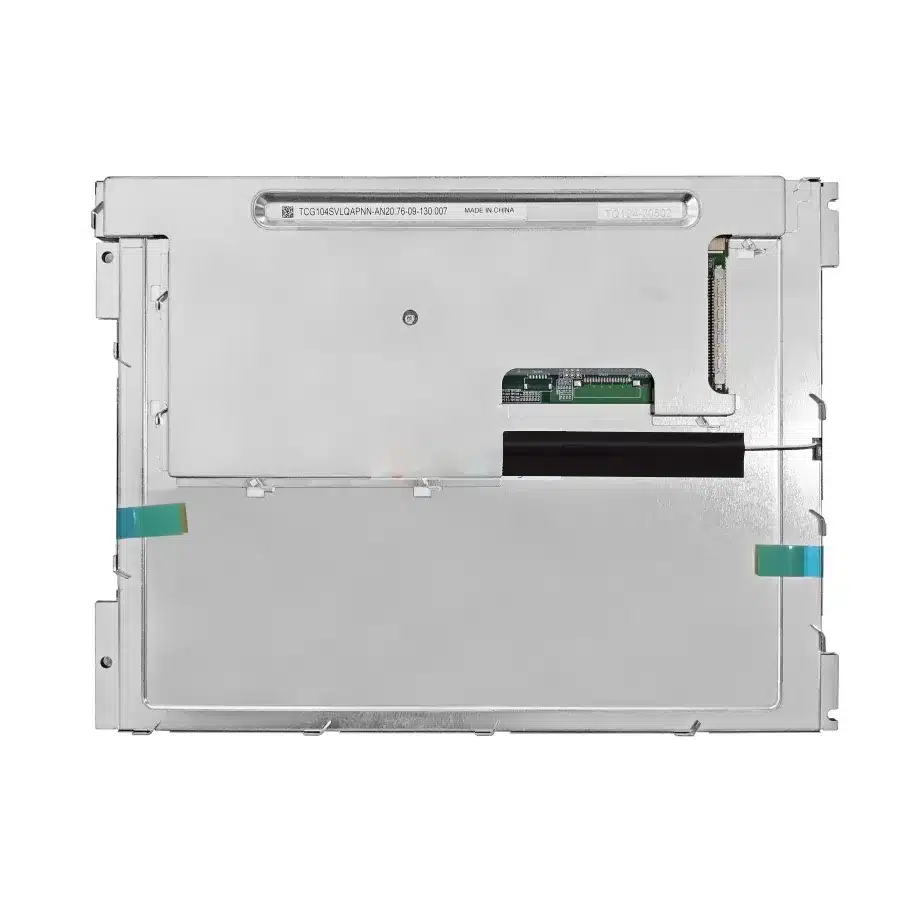
For retrofit programs, photograph the original connector orientation and mounting stack before removal. That simple record helps distinguish an electrical mismatch from a mechanical one when multiple 10.4-inch SVGA panels exist in the supply chain. It also gives incoming inspection a practical visual reference alongside the controlled drawing and first-article sample.
Procurement Checklist
- Confirm exact TCG104SVLEAVNN-AN20 model and supplied revision.
- Preserve the locked 243 × 185.1 × 9.5 mm outline and 510 g maximum mass.
- Verify single-channel 6-bit LVDS and the exact 30-pin mapping.
- Use 600 cd/m², 700:1 contrast and 262K colors as the current-run optical baseline.
- Validate -20 to 70 °C operation at system level.
- Confirm the 100K-hour backlight test basis for maintenance planning.
- Treat public same-model revision differences as a revision-control issue, not permission to overwrite locked facts.
- Confirm lifecycle and change-notification information before volume sourcing.
TCG104SVLEAVNN-AN20 100K ASV SVGA Module is a classic industrial SVGA module with a long-life WLED system and extended temperature range. Its safest production use comes from controlling the exact revision, LVDS mapping and mechanical envelope while keeping the user-supplied specification authoritative.
Recommended: Same Size
(10.4")
Applications & Value of LCD Panel

- Fast sourcing with in-stock panels & cross-reference alternatives
- Stable supply chain with long-term availability
- Engineering-level support from panel to integration
- Custom solutions: cable, touch & optical bonding
- Strict quality control with IQC / OQC / aging test
- Full traceability system for quality assurance
- Complete technical documentation & drawings
- Compliance support: RoHS & certification files
