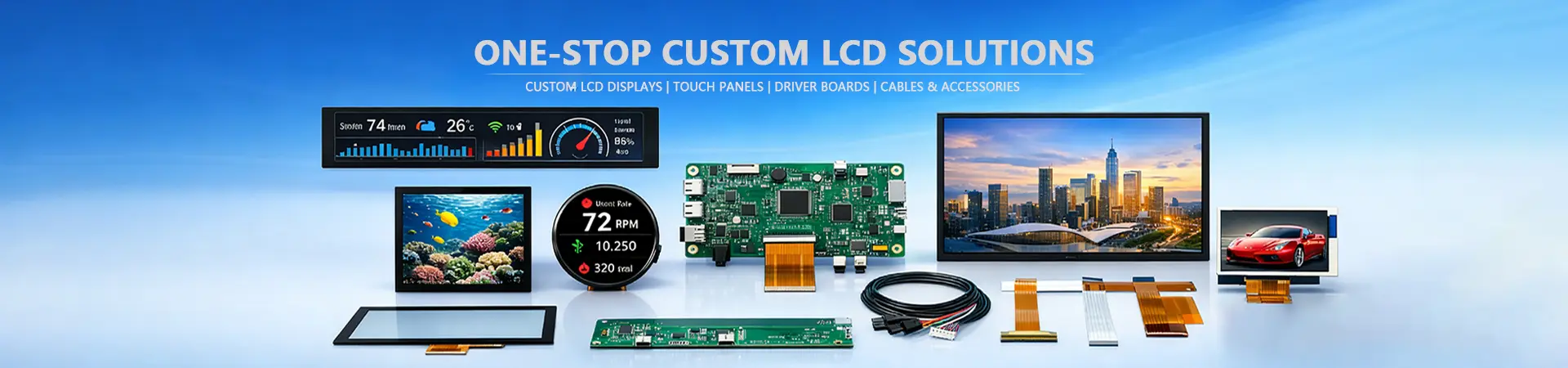
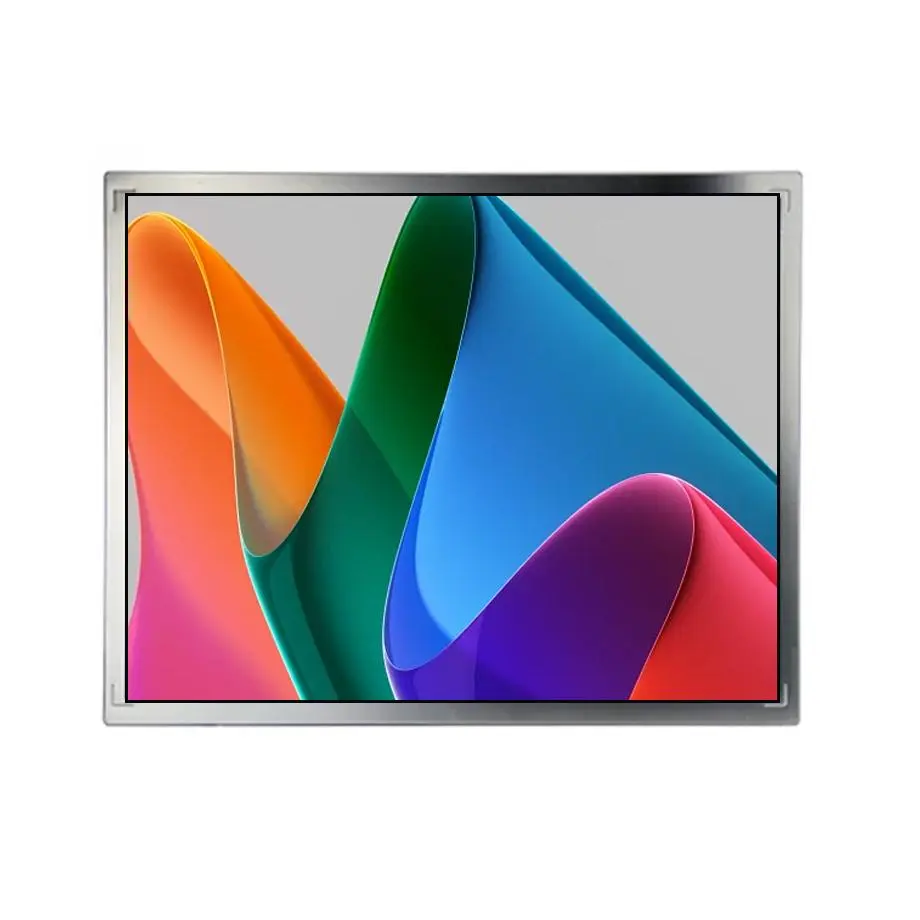
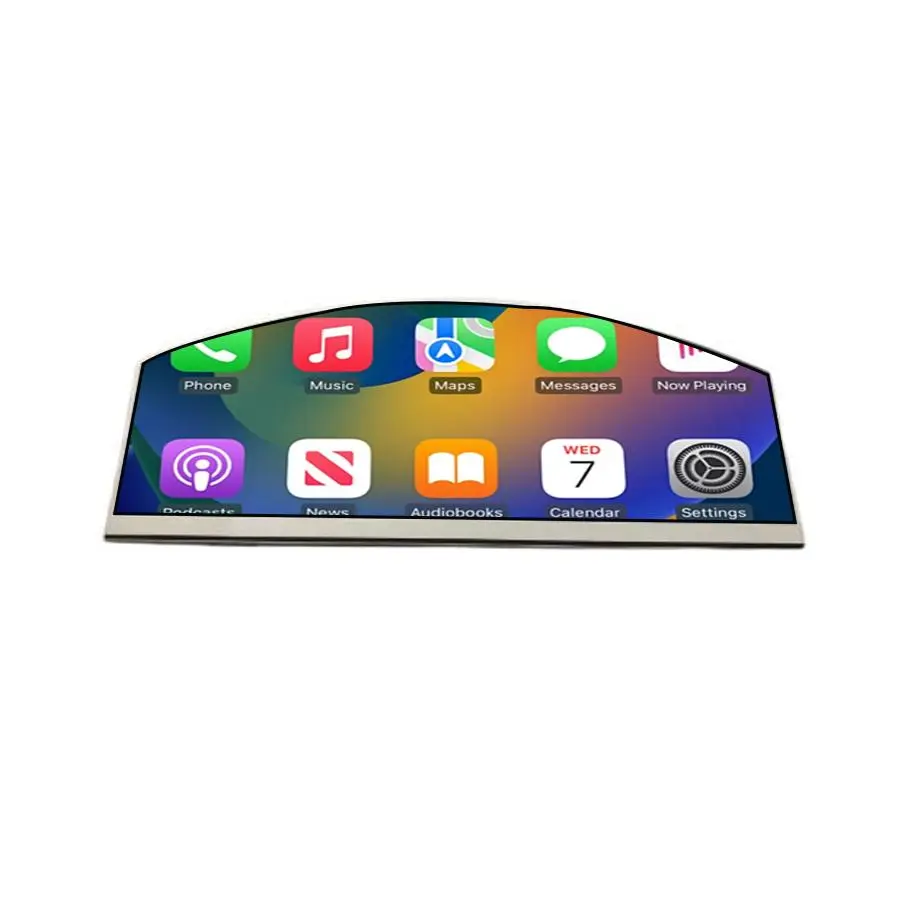
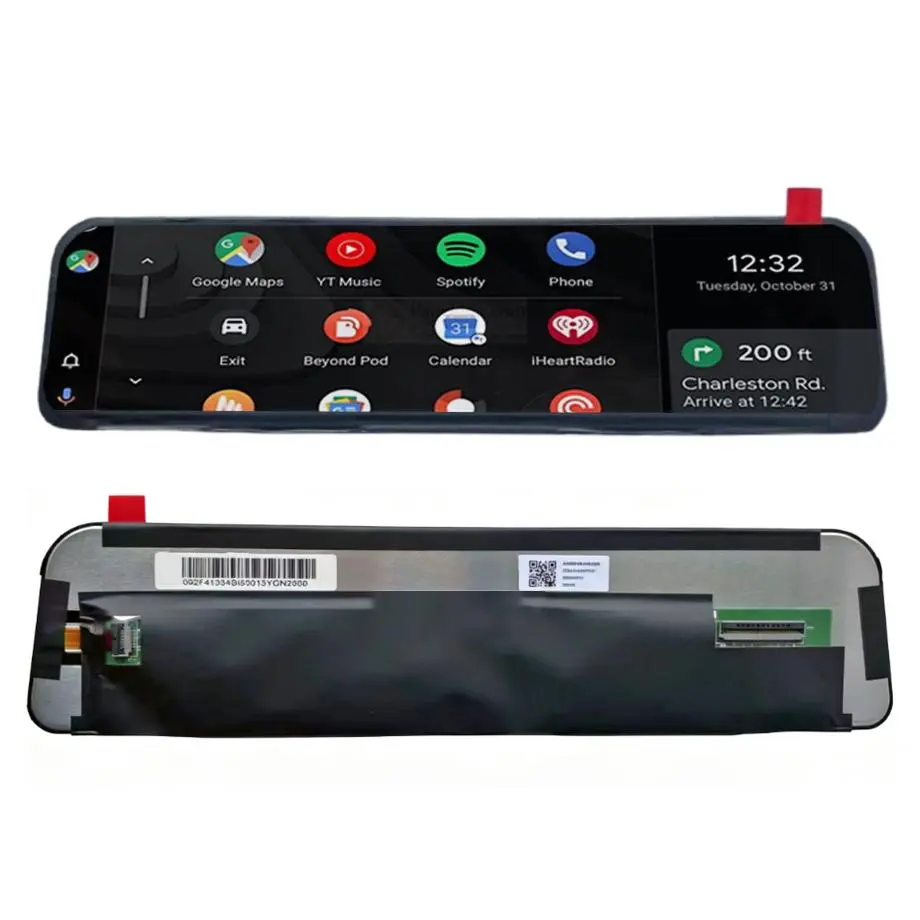
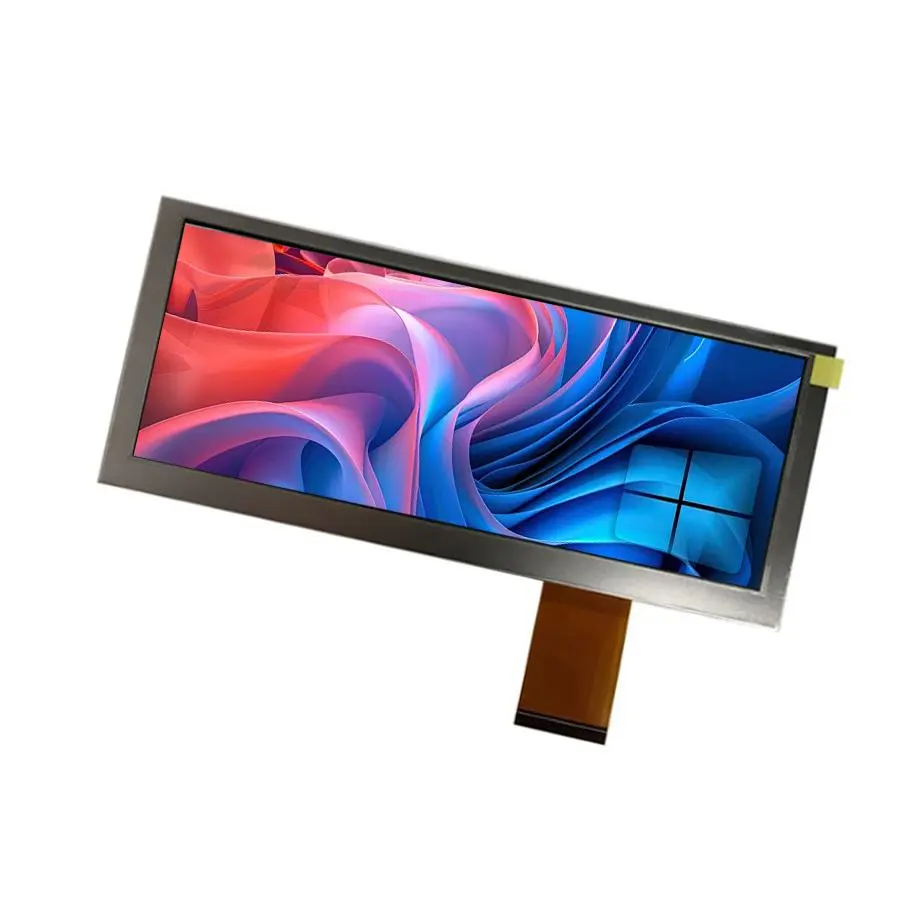
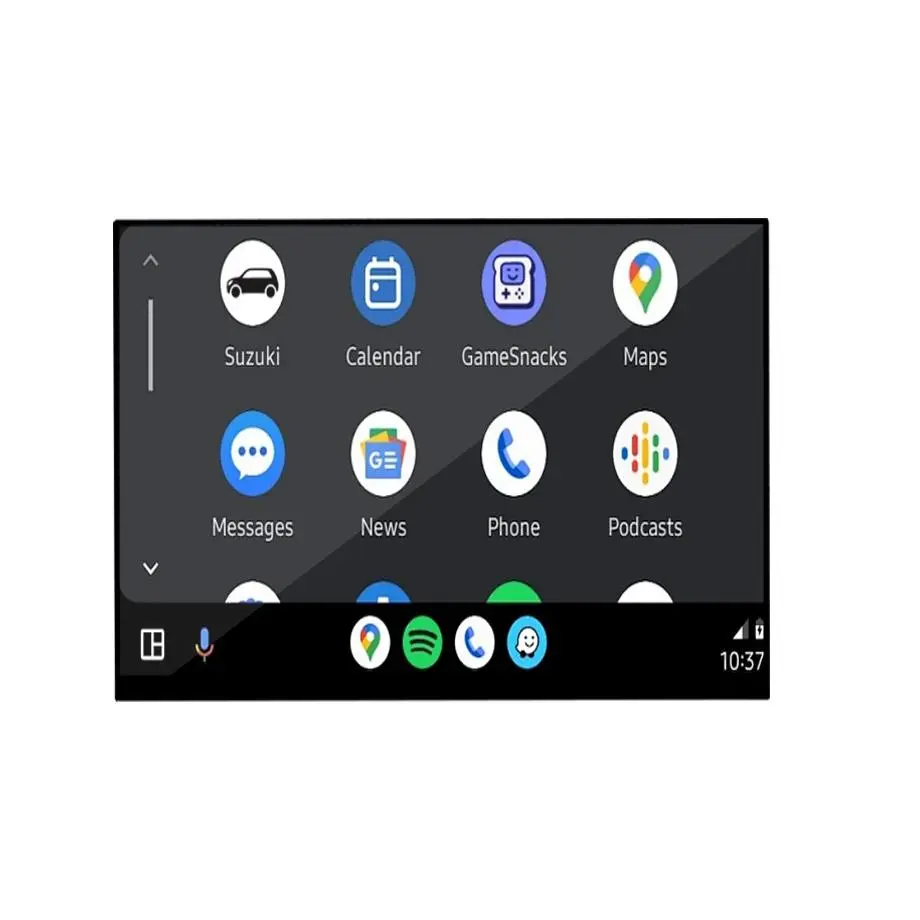
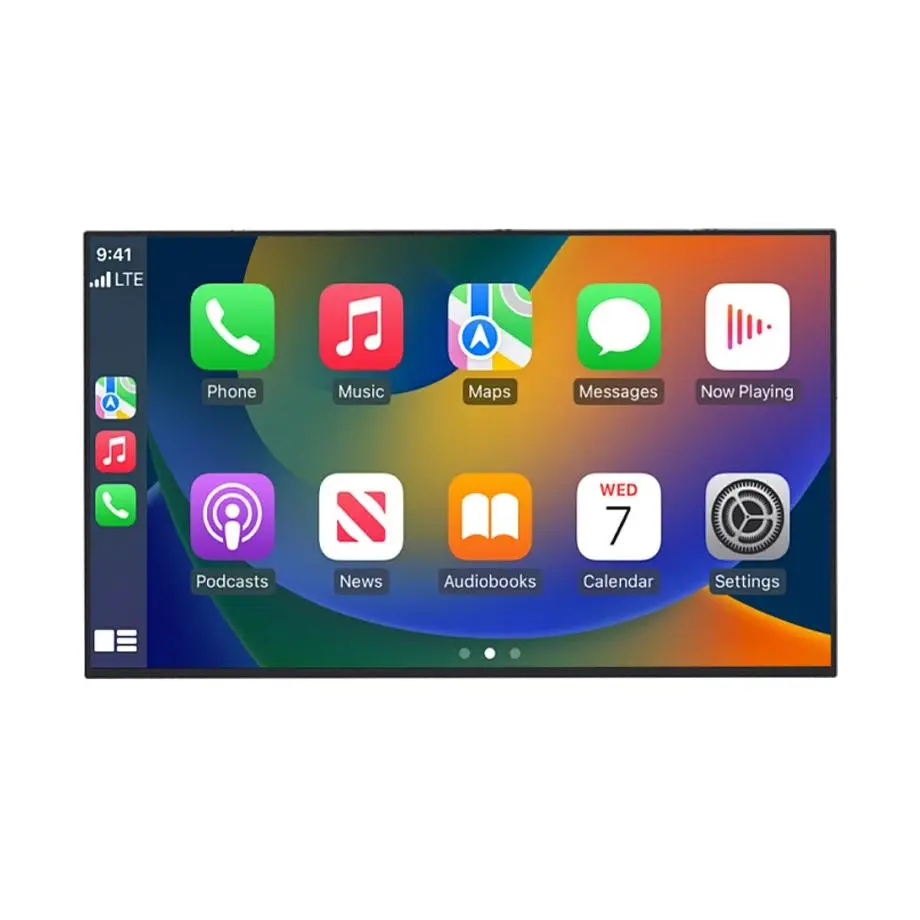
Explore our full category of automotive-grade displays engineered for next-generation in-vehicle visual systems. This categorized lineup covers all core automotive display types: digital instrument clusters, center stack infotainment touchscreens, AR head-up displays (HUDs), rear-seat entertainment screens, electronic mirror (e-mirror) displays, and integrated curved smart cockpit panels.
All modules meet strict AEC-Q100 automotive reliability standards, featuring wide operating temperature ranges, anti-glare optical bonding, high sunlight readability, shock & vibration resistance, and long operational lifespan. Available in TFT-LCD, AMOLED and Micro-LED technologies, with sizes from 2.5-inch compact displays to 34-inch panoramic curved cockpit screens.
Built for global automotive OEMs, Tier 1 suppliers and cockpit system integrators, with solutions optimized for passenger cars, EVs and commercial fleets. Filter by size, technology, brightness and application to access full specs, datasheets and custom engineering support.
The Automotive Displays category is generally used for applications such as Rugged Industry / Automotive Display / Outdoor High Brightness and Automotive Display. Products grouped under this subcategory are selected based on display format, optical performance, interface compatibility, and environmental requirements rather than on a generic product label alone. For project selection, buyers should first confirm application context, then compare panel size, resolution, brightness, and operating temperature to identify the most suitable models.
Panel sizes in Automotive Displays typically range 12.3" to 17.4". This range is based on the actual products currently assigned to this subcategory, so it is more useful for sourcing than a generic market estimate. When comparing options, it is best to shortlist by mechanical size and visible area first, then evaluate resolution, brightness, and interface requirements for the final product.
Common resolutions in Automotive Displays include 1200×1920, 1920×1080, 1920×720, and 2560×1600. Resolution should be selected according to how much information needs to be displayed, the panel size, and the expected viewing distance in the target device. A practical procurement method is to compare resolution together with size and interface support rather than evaluating pixel count alone.
Products in Automotive Displays typically cover a brightness range of 350 to 1000 nits. This helps buyers quickly judge whether the category is more suitable for standard indoor use, brighter industrial environments, or higher-visibility applications. In real projects, brightness should be checked together with cover glass, contrast performance, and installation conditions before final model approval.
The typical operating temperature range in Automotive Displays is 30°C to 85°C. Operating temperature is especially important in industrial, transportation, outdoor-adjacent, and other demanding environments where display stability must be maintained over time. Buyers should always verify both minimum and maximum temperature requirements at model level when evaluating long-term reliability.
Common connector or interface options in Automotive Displays include LVDS (2 ch, 8-bit), 50 pins Connector, LVDS (2 ch, 8-bit), 80 pins Connector, eDP (4 Lanes), 50 pins Connector, and LVDS (2 ch, 8-bit), 60 pins Connector. Interface choice affects system integration, cable routing, controller compatibility, and signal design, so it should be reviewed early in the selection process. A reliable comparison method is to narrow candidates by size and optical requirements first, then confirm whether the interface matches the mainboard or controller architecture.
Yes. Touch-related options in Automotive Displays include PCAP and In-Cell Touch with interfaces such as I²C. Availability still depends on the specific model, because some products are display-only while others can support integrated touch structures. If touch is required, buyers should confirm the touch type, electrical interface, cover lens requirements, and integration constraints before making a final selection.
A practical way to choose within Automotive Displays is to compare panel size, resolution, brightness, connector type, and operating temperature in that order. These core parameters usually eliminate unsuitable models much faster than broad catalog descriptions because they directly affect fit, readability, and system compatibility. After that, buyers can compare touch options, brand preference, customization feasibility, and supply continuity before moving to sampling.
Automotive Displays is commonly relevant to industries and use cases such as Rugged Industry / Automotive Display / Outdoor High Brightness and Automotive Display. In practice, the real industry fit depends on a combination of display performance, environmental tolerance, interface requirements, and lifecycle expectations rather than on the category title alone. Buyers should therefore use the category as an efficient starting point and confirm detailed suitability at model level.
Yes. Automotive Displays includes characteristics associated with high-brightness or sunlight-readable options, wide-temperature capability, and touch-enabled variants. In display sourcing, industrial suitability should be judged through measurable parameters such as temperature range, brightness capability, interface stability, and long-term availability rather than by label alone. A strong evaluation process always compares datasheet values against the final device environment before approval.
Higher-brightness options may be available in Automotive Displays, especially where the current product range reaches 350 to 1000 nits. However, true sunlight-readable performance depends on more than backlight value alone, because cover materials, contrast behavior, and installation environment also affect visibility. For outdoor or strong ambient-light projects, brightness should be reviewed alongside optical stack and viewing conditions.
Yes. Requesting a datasheet before ordering is the standard and recommended process for Automotive Displays. A proper datasheet lets buyers verify size, interface, brightness, operating temperature, pin definition, and other critical parameters that cannot be fully judged from a category page alone. For efficient sourcing, it is best to shortlist a few models first and then request the relevant documentation for direct comparison.
The best way to compare models within Automotive Displays is to line them up by size, resolution, brightness, connector type, and operating temperature first, then review secondary factors such as touch support, brand, customization requirements, and lifecycle planning. This avoids choosing a model based on one attractive feature while overlooking integration risks elsewhere. A technically sound shortlist should satisfy both electrical and mechanical conditions before cost comparison begins.
Many models in Automotive Displays can be considered for long-term supply projects, but long-term suitability should always be checked at individual model level. Factors such as brand source, lifecycle expectation, interface continuity, customization dependency, and acceptable replacement strategy all influence whether a panel is appropriate for a multi-year program. Buyers planning ongoing supply should confirm continuity and documentation support before final selection.
Yes. Automotive Displays can be a useful starting point for replacement or equivalent model sourcing because it groups products with overlapping display characteristics. Even so, equivalent sourcing should never be based on size alone. A safer process is to compare resolution, connector type, brightness, temperature range, mechanical fit, and application purpose together before approving any substitute model.
Scroll to Top
Request Quote / Datasheet
Response within 12-24 hours. NDA available. Engineering support included.
Fields marked with an asterisk (*) are required.
Contact Information
Request Details
Scan the QR code with your phone to contact us.
Download Datasheet
Please input your e-mail address to start the download.