Freya Yang
+86 18318948097
+852 62667476
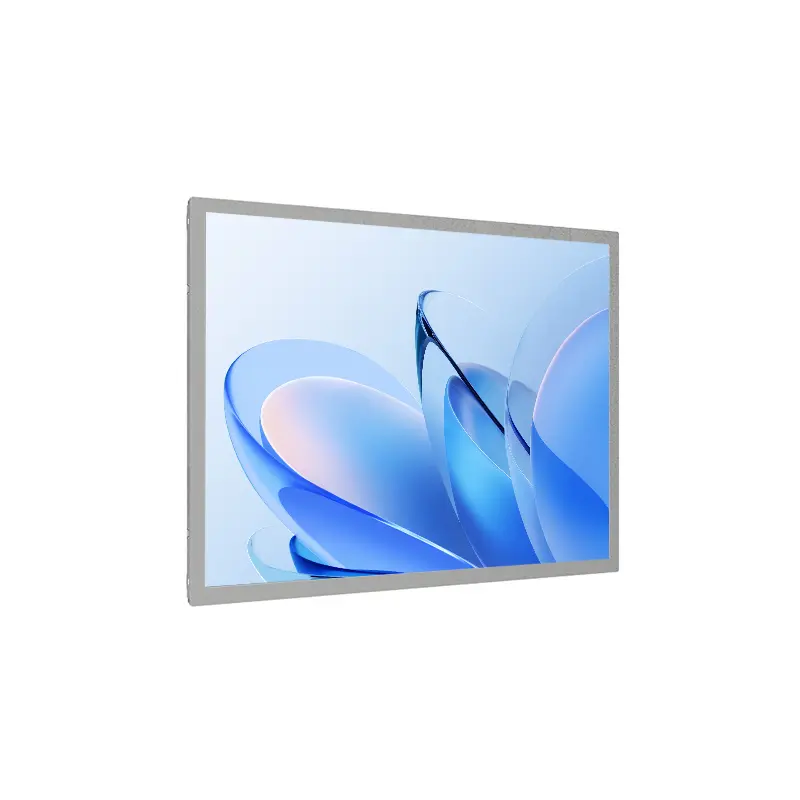
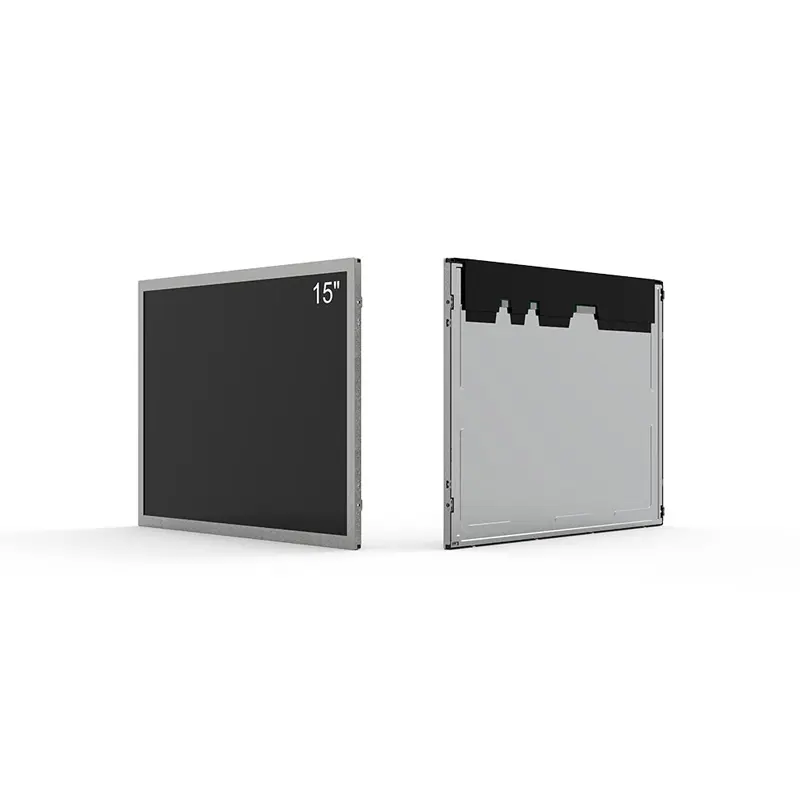
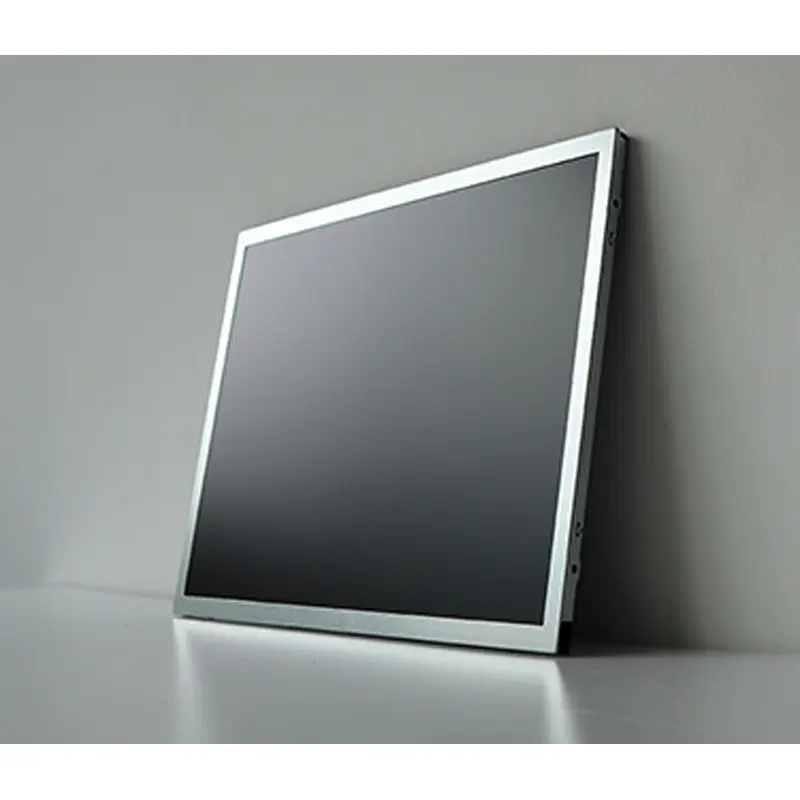
15 Inch XGA High Brightness LCD Panel LVDS for Industrial HMI
Model P/N
Size
Resolution
Brightness
Viewing Angle
Connector Type
Operating Temp
Overall(mm)
huisoar
HS150ENT-GE15
Brand
Panel Size (inch)
Model P/N
Resolution
Brightness (nits)
Viewing Angle
Contrast Ratio
Response Time
Overall (mm)
Active Area (mm)
Refresh Rate
Bezel Opening
Display Colors
Panel Type
Connector Type
Surface Treatment
Operating Temp
Touchscreen Type
Storage Temp
Work Mode
Pixel Format
Input Voltage (V)
Touch Interface
Weight (g)
Designed For
4:3 Industrial TFT-LCD Module for HMI, Kiosk, and Embedded Control Systems
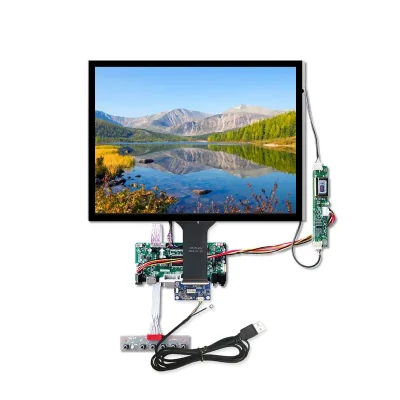
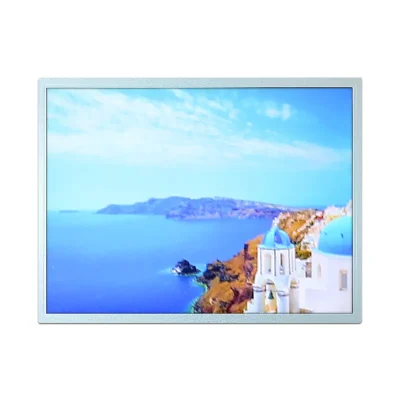
A 15 Inch XGA High Brightness LCD Panel is a 4:3 industrial display module for HMI terminals, control panels, kiosks, and embedded systems that need stable readability, long-term supply planning, and LVDS integration. It combines 1024×768 XGA resolution, 500–1500 nits brightness options, a 20-pin LVDS 1-channel 8-bit interface, matte 3H hard coating, 800:1 typical contrast, and -20°C to 70°C operating temperature. For OEM projects, it supports legacy 4:3 enclosure compatibility and practical industrial display replacement.
At a Glance: 15 Inch Industrial XGA LCD Highlights
- 15.0-inch industrial TFT-LCD panel with 4:3 XGA format.
- 1024 (RGB) × 768 resolution with 85 PPI and RGB vertical stripe pixel format.
- Brightness series supports 500 nits, 1000 nits, and 1500 nits options.
- 20-pin LVDS, 1-channel, 8-bit connector supports embedded controller integration.
- Matte surface with 3H hard coating supports glare reduction and daily-use durability.
- CCFL backlight system is listed with 50,000-hour lifetime.
- Designed for industrial displays, HMI terminals, control panels, and embedded systems.
Product Overview of the 15 Inch XGA High Brightness LCD Panel
The 15 Inch XGA High Brightness LCD Panel is a practical industrial display platform for equipment manufacturers that still need a proven 4:3 screen format. Many HMI terminals, machine-control interfaces, and embedded industrial devices were designed around 15-inch XGA front panels. Selecting a 15.0-inch 1024×768 module can help reduce enclosure redesign, UI reformatting, and controller-platform changes compared with moving to a widescreen panel.
This module is also useful when readability must be stronger than a standard indoor LCD. The source page lists a brightness range from 500 to 1500 nits and identifies E-series options at 500, 1000, and 1500 nits. That allows engineering and procurement teams to match the display to the installation environment rather than using one brightness level for every project. Indoor factory HMI devices may select a moderate brightness option, while semi-outdoor kiosks or high-ambient-light industrial terminals may require a higher luminance version.
The panel uses a 20-pin LVDS interface, 3.3V typical power supply, matte 3H surface treatment, and a TN normally white transmissive display mode. These characteristics make it suitable for industrial equipment where stable integration, mechanical compatibility, and long operating life are often more important than consumer-display styling. The exact 500 / 1000 / 1500 nit variant should be selected according to ambient-light testing, thermal design, and power budget.
Key Features of the 15 Inch XGA High Brightness LCD Panel
| Key Feature | Engineering and Procurement Value |
|---|---|
| 15.0-inch 4:3 format | Fits many existing HMI, control-panel, kiosk, and embedded-device front-panel layouts. |
| 1024×768 XGA resolution | Supports menus, parameters, diagnostics, industrial status screens, and operator UI. |
| 500–1500 nits brightness range | Allows project-specific selection for indoor, high-ambient-light, or semi-outdoor use. |
| 20-pin LVDS connector | Supports stable embedded display integration with common industrial controller boards. |
| 3.3V typical supply | Helps engineers evaluate compatibility with existing controller and power systems. |
| Matte 3H surface | Helps reduce glare and supports surface durability in operator-facing environments. |
| 800:1 typical contrast | Provides practical readability for control screens, text, symbols, and process graphics. |
| CCFL backlight, 50,000 hours | Supports long-term industrial operation and maintenance planning. |
| -20°C to 70°C operating range | Supports use in many industrial, kiosk, and embedded equipment environments. |
| 1.0 kg typical weight | Gives mechanical teams a clear value for bracket, enclosure, and mounting review. |
Technical Specifications of the 15 Inch Industrial XGA LCD Module
| Specification | Confirmed Value |
|---|---|
| Panel Size | 15.0 inches |
| Resolution | 1024 (RGB) × 768, XGA |
| Brightness | 500–1500 nits |
| Interface | 20-pin LVDS, 1-channel, 8-bit |
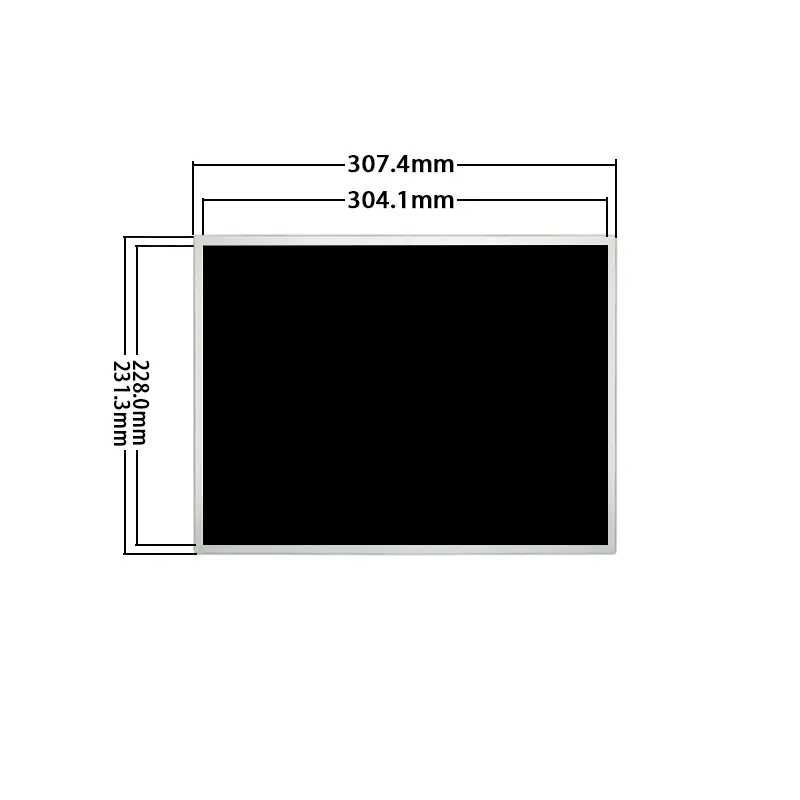
| Active Area | 304.128 × 228.096 mm |
| Opening Area | 307.4 × 231.3 mm |
| Surface Treatment | Matte, hard coating 3H |
| Contrast Ratio | 800:1 typ. |
| Backlight Type | CCFL, 2 pcs, 50,000 hours |
| Operating Temperature | -20°C to 70°C |
These specifications affect both electrical and mechanical integration. The 4:3 XGA format helps preserve legacy HMI layouts. The LVDS interface affects controller-board selection and cable routing. The active and opening-area dimensions guide cover-window design, gasket alignment, and enclosure fit. The brightness range must be reviewed with heat dissipation, power budget, viewing distance, and real ambient lighting.
Why Choose This 15 Inch Industrial LCD Panel?
This 15 inch industrial LCD panel is most valuable for equipment that needs a dependable 4:3 XGA display, configurable brightness, and straightforward LVDS integration.
15 Inch 4:3 XGA LCD Format for Industrial HMI Replacement
A 15.0-inch 4:3 XGA panel remains relevant because many industrial HMIs and control consoles were designed around this screen size and aspect ratio. Moving to a widescreen display can require new front panels, revised UI layouts, different cutouts, and controller-board adjustments. A 1024×768 module helps preserve existing operator-interface structures while still supporting clear menu and status information.
For retrofit or long-life equipment programs, this format can reduce redevelopment risk. Machine-control systems, process panels, industrial computers, and embedded monitoring devices often need stable display sourcing rather than rapid specification changes. The 15 Inch XGA High Brightness LCD Panel provides a practical path for equipment families that must support installed-base compatibility.
500 to 1500 Nits Brightness with LVDS Integration
Brightness should be selected based on the real installation environment. The E-series options allow 500 nits, 1000 nits, and 1500 nits configurations. Indoor factory panels may not need the highest brightness setting, while semi-outdoor kiosks, bright workshops, or window-facing industrial terminals may benefit from higher luminance. The final choice should be validated through sample testing with the target cover glass and enclosure.
The 20-pin LVDS interface is also important for industrial control-board matching. LVDS remains common in embedded display systems because it supports stable signal transmission over a controlled cable path. Engineers should confirm the LVDS mapping, 1-channel 8-bit configuration, power rails, cable length, grounding, EMI behavior, and initialization timing before production approval.
Display Performance of the 15 Inch High Brightness LCD Panel for HMI and Kiosk Environments
The display performance profile is designed for industrial visibility, operator readability, and predictable integration rather than entertainment-style image optimization.
Brightness Selection for Indoor, Semi-Outdoor, and High-Ambient-Light Use
Brightness selection is one of the most important decisions for this panel. A 500-nit version can be suitable for many indoor control panels, while 1000-nit or 1500-nit versions may be more appropriate for semi-outdoor equipment, high-ambient-light factories, or kiosk interfaces exposed to stronger lighting. The source confirms the 500–1500 nit range and the E-series model brightness options.
However, brightness alone does not guarantee readability. Cover glass reflectance, touch overlay, bonding method, surface finish, UI contrast, and viewing angle all affect the final result. A matte 3H surface can help reduce glare, but projects with direct sunlight or reflective environments should still test a working sample under actual operating conditions.
XGA Resolution, 800:1 Contrast, and TN Viewing Direction
The 1024×768 XGA resolution supports industrial screens that display menus, alarm lists, measurement data, parameters, and diagrams. For many HMIs, the goal is not maximum pixel density but clear and reliable information presentation. The 800:1 typical contrast ratio supports text, icons, grid lines, and screen sections used in operator interfaces.
The panel uses TN normally white transmissive mode, and the source lists a recommended 6 o’clock viewing direction. That detail matters during mechanical design. If the display is mounted too high, too low, or at a steep viewing angle, the operator’s typical line of sight can affect perceived contrast and color. Mounting height and orientation should be reviewed before freezing the enclosure.
Wide Temperature and Industrial Embedded Display Conditions
The operating temperature is listed at -20°C to 70°C, making the panel suitable for many factory, kiosk, and embedded industrial environments. For storage temperature, the supplied screenshot and pasted data indicate -30°C to 80°C, while the parsed live page repeats -20°C to 70°C. Procurement teams should confirm the final datasheet before committing the value to a regulated device specification.
The CCFL backlight is listed with 50,000-hour life and no driver. This supports long-term industrial use, but it also means backlight-driver planning must be reviewed at system level. Power, thermal conditions, inverter/driver design, cable routing, and service strategy should be considered before selecting the final version.
Integration and Mounting Options for LVDS Industrial LCD Panel Projects
Integration should be evaluated as a complete display system, including the LVDS host, power design, mechanical opening, thermal path, surface protection, and optional touch or cover lens.
20-Pin LVDS Interface and Controller Board Matching
The 20-pin LVDS interface uses a 1-channel 8-bit configuration. Engineers should confirm LVDS pin assignment, signal mapping, compatible controller board, 3.3V typical power supply, backlight-driver requirements, and cable length. If the project replaces an older panel, the interface may look similar but still require pin-level confirmation.
The controller board should also support the 1024×768 timing and the intended brightness configuration. In high-brightness display projects, electrical and thermal loading can differ from a standard indoor panel. The LVDS board, backlight driving method, enclosure ventilation, and power source should be checked together.
Mechanical Opening, 4:3 Enclosure, and Cable Planning
The active area of 304.128 × 228.096 mm and opening area of 307.4 × 231.3 mm give mechanical engineers important reference values. The cover window must align with the active area, while the bezel, frame, gasket, and mounting bracket must support the module without applying uneven stress.
Cable planning should be reviewed early. LVDS cable routing, shielding, connector access, service clearance, and backlight-driver placement can affect reliability. Industrial enclosures often have metal structures, fans, power supplies, and other EMI sources, so grounding and cable separation should be included in the design review.
Power, Thermal Design, and System-Level Review
High-brightness LCD integration requires thermal and power planning. The 1500-nit version can generate more heat than a moderate-brightness indoor panel, and heat can affect backlight life, optical stability, and system reliability. Engineers should evaluate the enclosure material, airflow, nearby power components, and expected ambient temperature.
For outdoor or semi-outdoor kiosks, designers should also consider solar loading, front-glass reflection, optical bonding, anti-glare treatment, and sealing. These are project-level options and should not be assumed as default configuration unless confirmed in the final build.
Recommended Applications for Industrial HMI and Embedded Display Use
This industrial HMI LCD panel is best for 4:3 equipment where stable information display, brightness selection, and LVDS integration are central to product design.
Factory HMI Terminals with Legacy 4:3 Front Panels
Factory HMI terminals often use a fixed 4:3 front panel and a UI designed around XGA resolution. This panel fits that type of architecture. It allows equipment manufacturers to maintain familiar screen geometry while improving brightness selection for different operating environments.
For production-line controls, the display should be tested with real screens: alarm pages, parameter menus, trend charts, maintenance prompts, and operator guidance. The combination of XGA resolution and high brightness supports practical visibility, but the final user experience depends on UI contrast and mounting position.
Self-Service Kiosks and Retail Displays with Variable Lighting
Self-service kiosks and retail displays may operate under changing light conditions. A 15 inch high-brightness module can improve readability compared with standard indoor panels, especially when installed in bright lobbies, shop entrances, or semi-outdoor service points. The 500 / 1000 / 1500 nit selection should be matched to the brightness environment and heat budget.
If a kiosk needs touch interaction, the display can be evaluated with a separate touch panel or cover glass. Touch, anti-glare coating, optical bonding, and waterproof front structure must be reviewed as separate project requirements.
Embedded Industrial Systems Requiring LVDS Display Stability
Embedded industrial systems often require stable, repeatable interface behavior. The 20-pin LVDS interface and 3.3V typical supply make this module practical for embedded controller projects where the panel is part of a larger system. Use cases include instrumentation, industrial computers, monitoring terminals, and equipment dashboards.
For embedded systems, sample validation should confirm controller compatibility, LVDS cable performance, backlight operation, thermal stability, and mechanical shock handling. The panel is a display component, so final system reliability depends on the complete product design.
Customization Options for 15 Inch Industrial LCD Panel Projects
Customization for this product should focus on project-level evaluation. Brightness selection is the first configurable decision because the source page lists 500, 1000, and 1500 nit options. Additional project reviews can include cover glass, anti-glare surface, optical bonding, touch panel integration, front housing, cable length, LVDS controller matching, backlight-driver planning, mounting brackets, and enclosure fit.
For outdoor or semi-outdoor equipment, waterproof structure, IP-rated enclosure evaluation, thermal dissipation, front-glass reflection, and condensation control should be reviewed at system level. These items should not be described as default panel features unless confirmed in the final project specification.
OEM and ODM teams should provide a mechanical drawing, target brightness, viewing environment, LVDS host information, power plan, mounting method, touch or no-touch requirement, quantity, and application scenario. These inputs allow engineering review before sample production or bulk order planning.
Procurement and Engineering Checklist for 15 Inch XGA LCD Panel Selection
- Confirm whether the existing device requires a 15.0-inch 4:3 XGA display.
- Select 500, 1000, or 1500 nits according to ambient-light testing and thermal budget.
- Verify 20-pin LVDS pinout, 1-channel 8-bit format, and controller-board compatibility.
- Confirm 3.3V power supply and backlight-driver design.
- Check active area and opening area against the front window and bezel structure.
- Review the 6 o’clock recommended viewing direction against operator position.
- Decide whether the product needs no touch, resistive touch, capacitive touch, or cover glass.
- Validate matte 3H surface performance under the final cover and lighting environment.
- Review thermal dissipation for high-brightness operation.
- Test sample units in the complete enclosure before mass production.
Brightness / Interface / Mounting Selection Guide for 15 Inch XGA LCD Panels
For brightness selection, start with the installation environment. Indoor control panels may use a lower-brightness option, while semi-outdoor kiosks or bright industrial terminals may require 1000 or 1500 nits. For interface selection, confirm LVDS pinout and timing before tooling. For mounting, check active area, opening area, recommended viewing direction, cable path, backlight-driver space, and front-surface protection together. Final approval should be based on a working sample in the actual enclosure.
FAQ
About 15 Inch XGA High Brightness LCD Panel
What is a 15 Inch XGA High Brightness LCD Panel?
What brightness options are available for this panel?
Is this panel suitable for industrial HMI terminals?
What interface does this LCD panel use?
Does this display include a touch panel?
What are the active area and opening area?
What is the operating temperature range?
Is a 15 inch 4:3 LCD still useful for new industrial equipment?
What applications fit this panel best?
What information should buyers provide for a quotation?
Freya Yang
+86 18318948097