
~
~
~
~
~
~
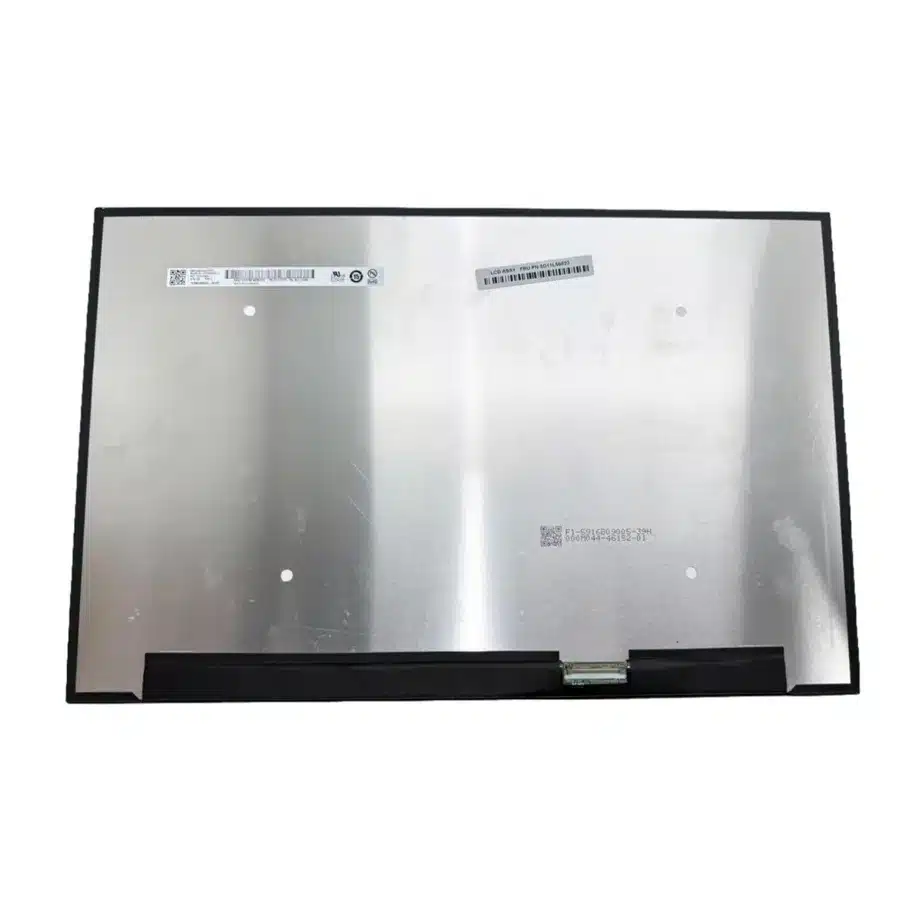
B160QAN03.P Mini LED HBR3 240Hz DCI-P3 Local-Dimming AHVA Panel AUO
Model P/N
Size
Resolution
Brightness
Viewing Angle
Connector Type
Operating Temp
Overall(mm)
auo
B160QAN03.P
Brand
Panel Size (inch)
Model P/N
Resolution
Brightness (nits)
Viewing Angle
Contrast Ratio
Response Time
Overall (mm)
Active Area (mm)
Refresh Rate
Display Colors
Panel Type
Connector Type
Surface Treatment
Operating Temp
Touchscreen Type
Storage Temp
Work Mode
Pixel Format
Input Voltage (V)
Vibration Resistance
Weight (g)
Designed For
Product Details
B160QAN03.P Mini LED HBR3 240Hz DCI-P3 Local-Dimming AHVA Panel serves as the release identifier when validating the HBR3 signal budget and local-dimming notebook build.
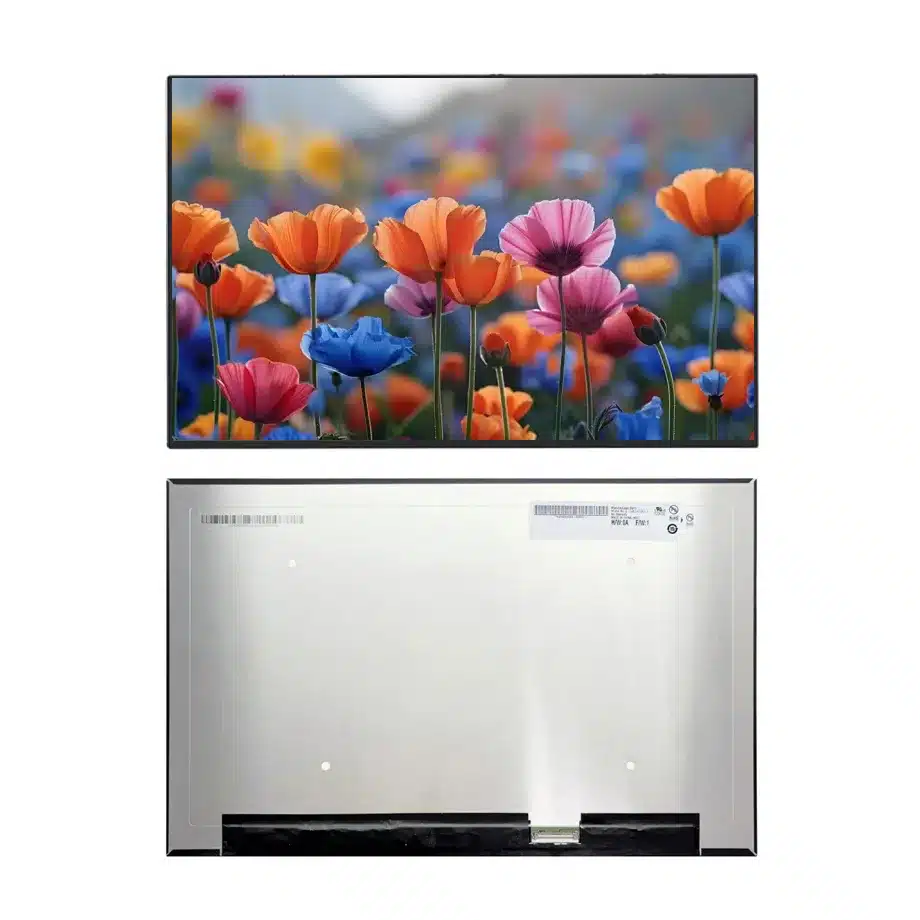
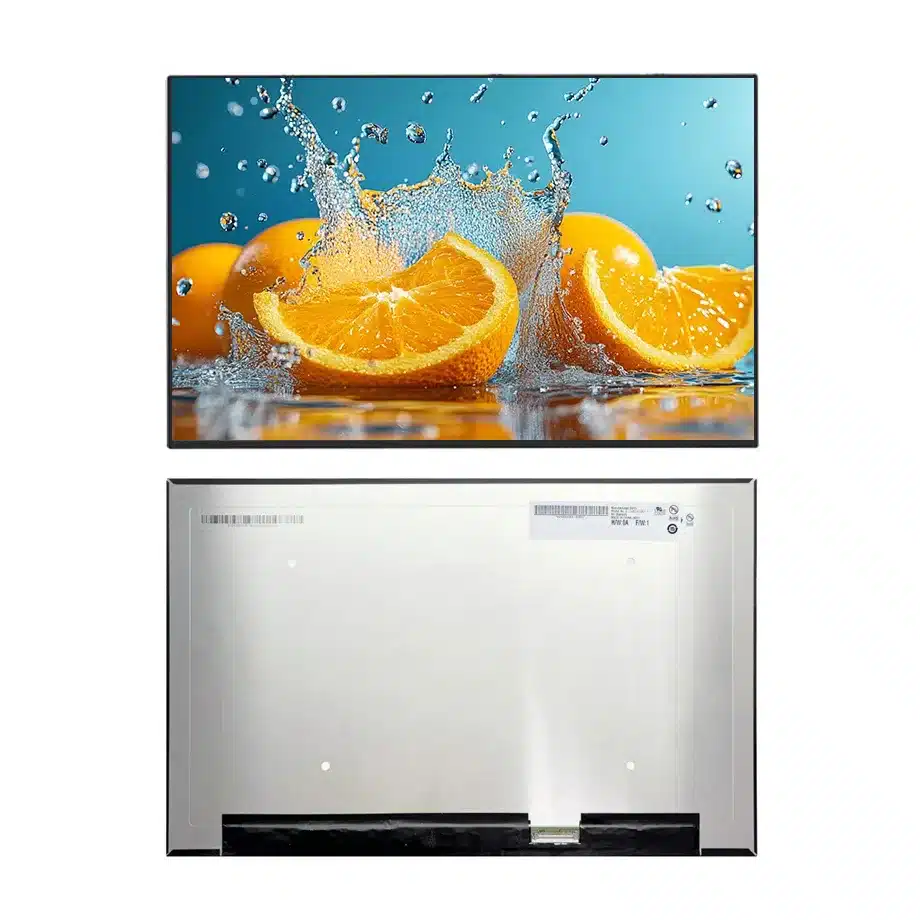
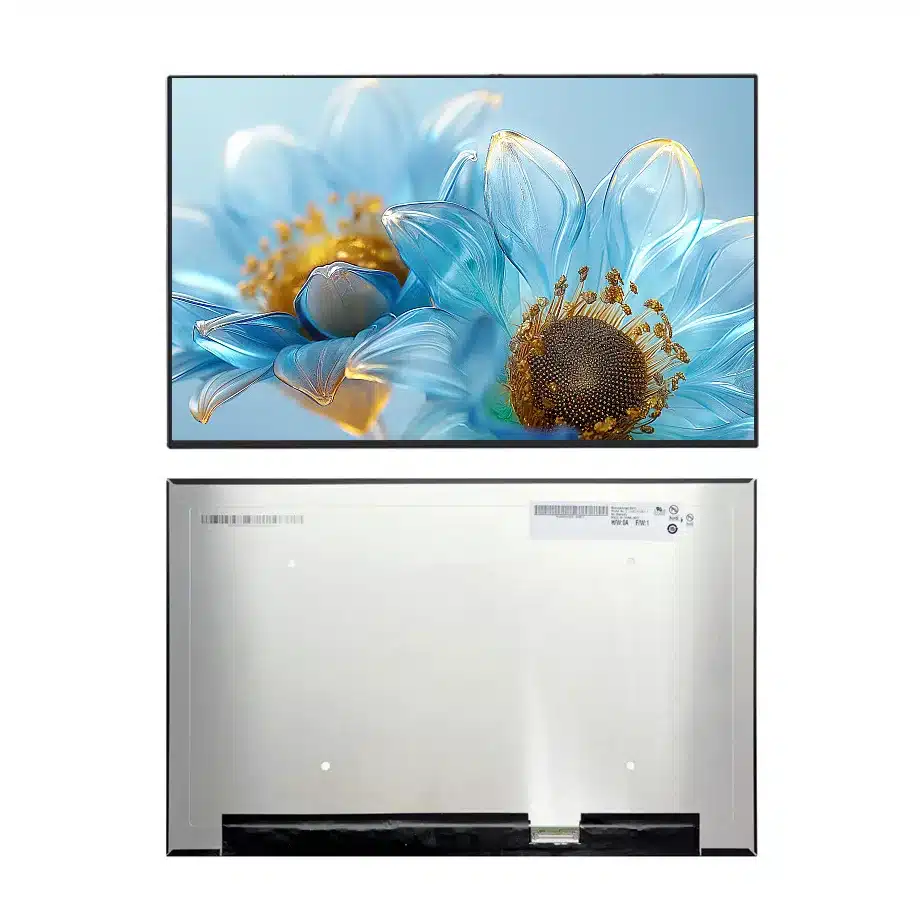
B160QAN03.P Mini LED HBR3 240Hz DCI-P3 Panel is a 16-inch AUO LTPS TFT-LCD module for high-refresh laptop and gaming platforms. The supplied exact-model record combines 2560(RGB)×1600, WQXGA, 16:10, 500 cd/m² typical luminance, 240 Hz refresh and four-lane HBR3 eDP. Its Mini LED backlight includes an LED driver, local dimming and DC control, so host-link engineering and backlight behavior must be qualified together.
Three buyer value propositions
Mini LED local dimming for controlled high-contrast notebook designs
The backlight architecture is explicitly Mini LED with local dimming. That gives the platform team a supported basis for zone-control and dark-scene evaluation without inventing a zone count or finished-system HDR certification. Thermal behavior, firmware dimming logic and blooming performance still belong to the completed notebook qualification.
HBR3 bandwidth for 240 Hz WQXGA operation
The four-lane eDP 1.4 HBR3 path at 8.1 Gbit/s per lane defines a concrete signal-integrity target. Production cable loss, AUX behavior and link training should be tested at the real 2560×1600/240 Hz mode rather than inferred from connector count.
98% DCI-P3 wording with 500-nit optical headroom
The component evidence provides 98% DCI-P3 wording, 1.06B colors and 500 cd/m² typical luminance. Those are meaningful panel targets for a performance notebook while remaining separate from calibration accuracy, HDR certification or finished-lid optical claims.
B160QAN03.P Mini LED HBR3 240Hz DCI-P3 Local-Dimming AHVA Panel should be checked against the 240 Hz mode, Mini LED thermal behavior and bent-PCBA clearances before lid tooling is approved.
Key Specifications at a Glance
| Brand | AUO |
|---|---|
| Model P/N | B160QAN03.P |
| Size | 16 inch |
| Resolution | 2560(RGB)×1600, WQXGA, 16:10 |
| Active Area | 344.678×215.424 mm (H×V) |
| Overall | 349.68×224.2×4.6 mm |
| Brightness | 500 cd/m² (Typ.) |
| Viewing Angle | 85/85/85/85 (Typ.)(CR≥10) |
| Display Colors | 1.06B, 98% DCI-P3, Low Blue Light |
| Weight | 330 g (Max.) |
| Refresh Rate | 240 Hz |
| Connector / Native Interface | eDP (4 Lanes), eDP1.4, HBR3 (8.1G/lane), 40 pins 0.5 mm connector |
| Input Voltage | 3.3 V (Typ.) |
| Operating Temperature | 0 ~ 50 °C |
| Storage Temperature | -20 ~ 60 °C |
| Vibration | 1.5G (14.7 m/s²) |
| Panel Type | LTPS TFT-LCD, LCM |
| Pixel Format | RGB Vertical Stripe |
| Surface Treatment | Antiglare |
| Contrast Ratio | 1700:1 (Typ.) |
| Response Time | 8 ms (Typ.)(Tr+Td), 5 ms (Typ.)(G2G), 3 ms (Typ.)(G2G)(OD) |
| Work Mode | AHVA, Normally Black, Transmissive |
| Backlight / Emission | 15,000 hours (Mini LED, integrated LED driver, local dimming, DC) |
| Designed For | Laptop and gaming notebook display integration; high-refresh Mini-LED performance platforms |
| Touchscreen Type | Without touch screen |
Design the high-refresh link before mechanical freeze
Map GPU display-engine capability, HBR3 lane routing, 40-pin connector assignment and production-cable insertion loss before the lid design is frozen. Exercise cold boot, repeated restart, suspend/resume and sustained gaming loads. A lower refresh mode can pass even when the 240 Hz path is marginal.
Local dimming belongs in the platform test plan
Evaluate zone transitions, dark-scene blooming, brightness steps and thermal behavior using the intended firmware. The Mini LED backlight is part of the exact model, but the user-visible result depends on host algorithms and final optical integration.
Mechanical release for a slim bent-PCBA module
The module outline is 349.68×224.2×4.6 mm. Compare PCB fold, connector clearance, cable bend, bezel pressure and hinge sweep with the exact drawing. Similar 16-inch WQXGA modules can place the connector differently enough to invalidate a shared cable or lid.
B160QAN03.P Mini LED HBR3 240Hz DCI-P3 Local-Dimming AHVA Panel is also the procurement key for distinguishing this local-dimming Mini LED configuration from ordinary WQXGA gaming panels.
Sourcing record
Retain the exact model, drawing, HBR3 cable, 240 Hz timing, Mini LED/local-dimming settings and approved BIOS/driver baseline. Future lots or alternates should be compared against this controlled package rather than accepted from diagonal size or resolution.
B160QAN03.P Mini LED HBR3 240Hz DCI-P3 Local-Dimming AHVA Panel belongs in the sourcing dossier together with the production cable, GPU/BIOS baseline and local-dimming acceptance record.
Cable margin and HBR3 signal integrity
At 240 Hz, cable qualification should be treated as a measured electrical task rather than a connector-selection exercise. Use the production harness length, shielding construction, bend path and grounding arrangement during validation. Check link-training retries, eye-margin indicators where the platform exposes them, and behavior after thermal soak. A lid cable can pass on an open bench yet become marginal when routed through the hinge or placed near switching regulators. Record the approved cable revision with the panel because a later supplier substitution can change insertion loss without changing the connector type. The same review should include AUX-channel stability, lane polarity, connector retention and recovery from repeated hot and cold starts.
Mini LED thermal loading and dimming policy
Local dimming changes both optical behavior and thermal distribution. Test bright full-screen content, small high-APL windows, dark scenes with bright highlights and rapid transitions between those states. Observe whether the backlight control strategy creates visible pumping, blooming or uneven thermal behavior near the panel edges. The 0 to 50 °C operating limit is a component boundary, not a statement about room ambient. GPU heat, lid insulation and sustained high brightness can raise the local panel temperature substantially. Engineering should instrument the actual lid and define brightness or performance derating only from measured system data, not from generic Mini LED expectations.
Motion acceptance beyond headline refresh
A 240 Hz refresh specification describes frame cadence, while pixel response and overdrive determine how transitions look. The exact record includes multiple response figures, including a 3 ms G-to-G value with OD. Build a motion test set that covers high-contrast edges, dark transitions, scrolling text and representative game content. Evaluate overshoot at several refresh points and not only at the maximum mode. If adaptive sync is enabled, repeat the checks near the lower and upper limits of the platform's real refresh window. Preserve screenshots or measurement results with the approval package so later firmware changes can be regression-tested.
Color and low-blue-light validation
The supplied 98% DCI-P3 and Low Blue Light wording provide a useful component baseline, but the shipping notebook still depends on panel calibration, GPU color management and the final optical stack. Define whether the product needs factory calibration, profile-based color management or only a broad-gamut target. Measure representative production samples at defined brightness settings because local dimming and backlight drive can influence perceived uniformity. Low-blue-light behavior should also be tied to the actual system mode and user controls. Avoid converting a feature label into a medical or eye-safety certification unless separate documentation explicitly supports that claim.
Mechanical stress and lid integration
The 4.6 mm module depth and bent-PCBA layout require controlled rear clearance and cable routing. Review the exact connector location against hinge movement through the full opening angle. Check whether foam, tape or bezel pressure creates localized force on the active area or PCB fold. Because gaming notebooks can use stiffer hinges and heavier lids, first-article testing should include repeated open-close cycles and handling loads. If the chassis design relies on adhesive retention, confirm the approved adhesive zones from the drawing rather than placing tape over electronics or thermal-sensitive areas. A successful electrical bench test does not replace mechanical release.
Lot-to-lot control and service screening
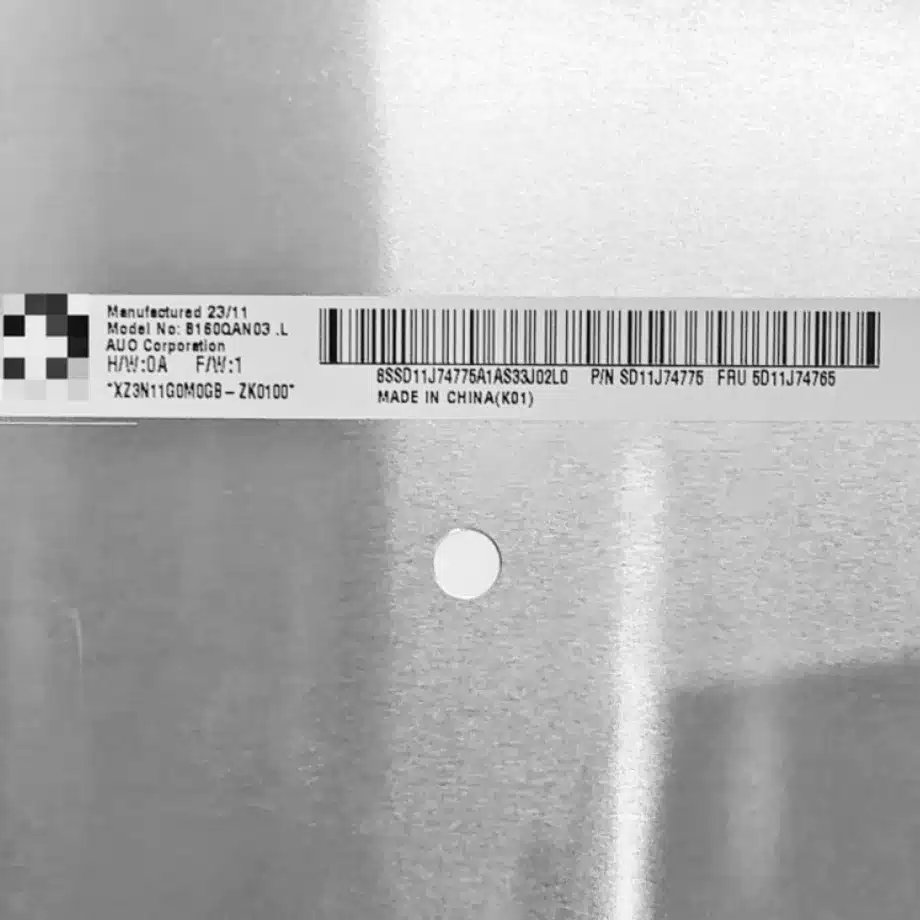
Once the panel is qualified, preserve a golden-sample record with the visible model marking, cable part number, BIOS version, graphics driver, 240 Hz timing and local-dimming settings. Incoming inspection should verify identity and any agreed optical or cosmetic limits without inventing unsupported lifecycle guarantees. If a later lot changes firmware behavior or the platform team updates BIOS display policy, rerun the high-risk tests: maximum refresh, adaptive sync, sleep/wake, local dimming and brightness transitions. Service replacements should use the same evidence package so a superficially similar WQXGA panel is not installed without link and mechanical validation.
Incoming inspection for a high-end gaming display lot
Incoming inspection should confirm the exact model marking, mechanical condition, connector integrity and any agreed cosmetic limits before a lot enters production. Because the panel combines Mini LED, HBR3 and a 240 Hz target, sample verification should also include a quick functional check at maximum refresh and a representative local-dimming scene. Do not infer long-term supply, second-source status or lifetime from marketplace listings. The practical objective is to detect configuration drift early and preserve traceability between the supplier lot, approved cable, notebook firmware and engineering sign-off. If an incoming lot behaves differently in brightness control or link training, quarantine the difference for review rather than silently adjusting firmware around it.
Evidence boundaries for procurement communication
Procurement and product teams should keep the exact component evidence separate from finished-notebook claims. Mini LED, local dimming, 98% DCI-P3, 500 cd/m² and 240 Hz are supported component facts. They do not automatically establish the final system's HDR certification, factory color accuracy, battery-life benefit or compatibility with every GPU. Purchase specifications should therefore reference the exact model, approved drawing and tested operating modes, while customer-facing claims should be based on the completed product's own qualification. This separation reduces later disputes when a panel feature depends on firmware, thermal design or calibration that exists outside the display module itself.
Engineering and sourcing review
For release, provide the GPU platform, HBR3 cable loss budget, lid drawing, local-dimming control plan and intended 240 Hz mode set. The review should close only after signal integrity, Mini LED behavior and mechanical fit are verified together on the production stack.
Recommended: Same Size
(16")
Applications & Value of LCD Panel

- Fast sourcing with in-stock panels & cross-reference alternatives
- Stable supply chain with long-term availability
- Engineering-level support from panel to integration
- Custom solutions: cable, touch & optical bonding
- Strict quality control with IQC / OQC / aging test
- Full traceability system for quality assurance
- Complete technical documentation & drawings
- Compliance support: RoHS & certification files
