
~
~
~
~
~
~
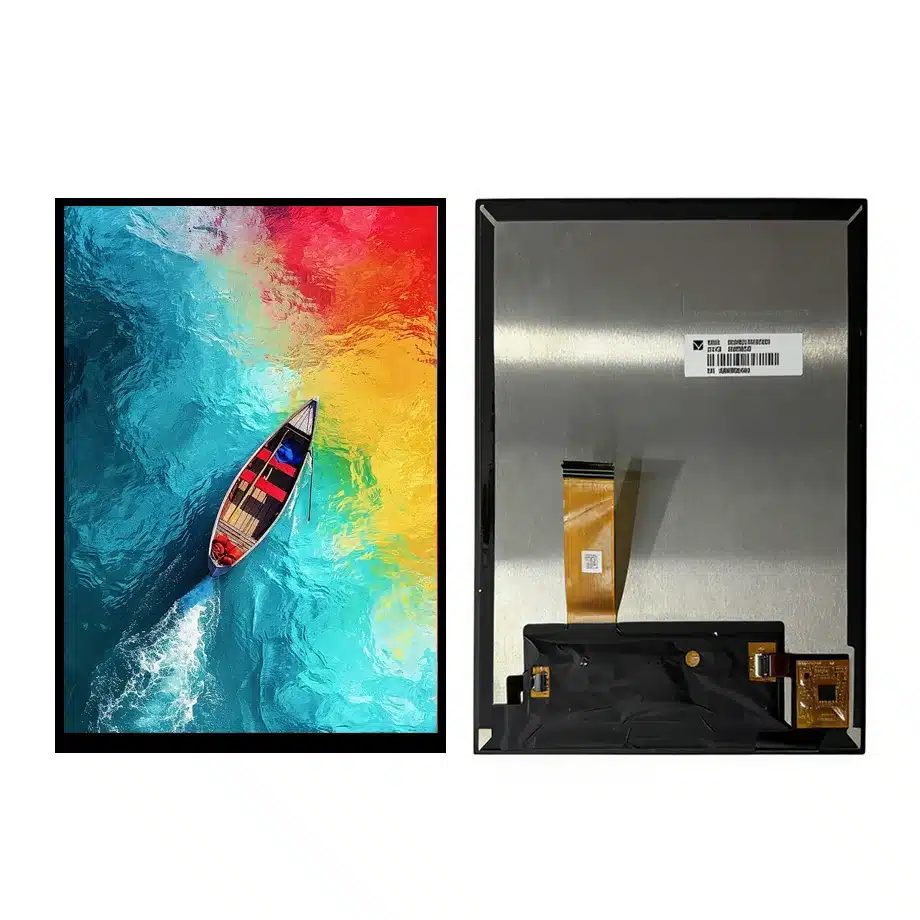
P0952SXF1MBAASBA1 Industrial PCAP Panel Bonded Tianma
Model P/N
Size
Resolution
Brightness
Viewing Angle
Connector Type
Operating Temp
Overall(mm)
tianma
P0952SXF1MBAASBA1
Brand
Panel Size (inch)
Model P/N
Resolution
Brightness (nits)
Viewing Angle
Contrast Ratio
Response Time
Overall (mm)
Active Area (mm)
Refresh Rate
Display Colors
Panel Type
Connector Type
Surface Treatment
Operating Temp
Touchscreen Type
Storage Temp
Work Mode
Pixel Format
Input Voltage (V)
Touch Interface
Designed For
Product Details
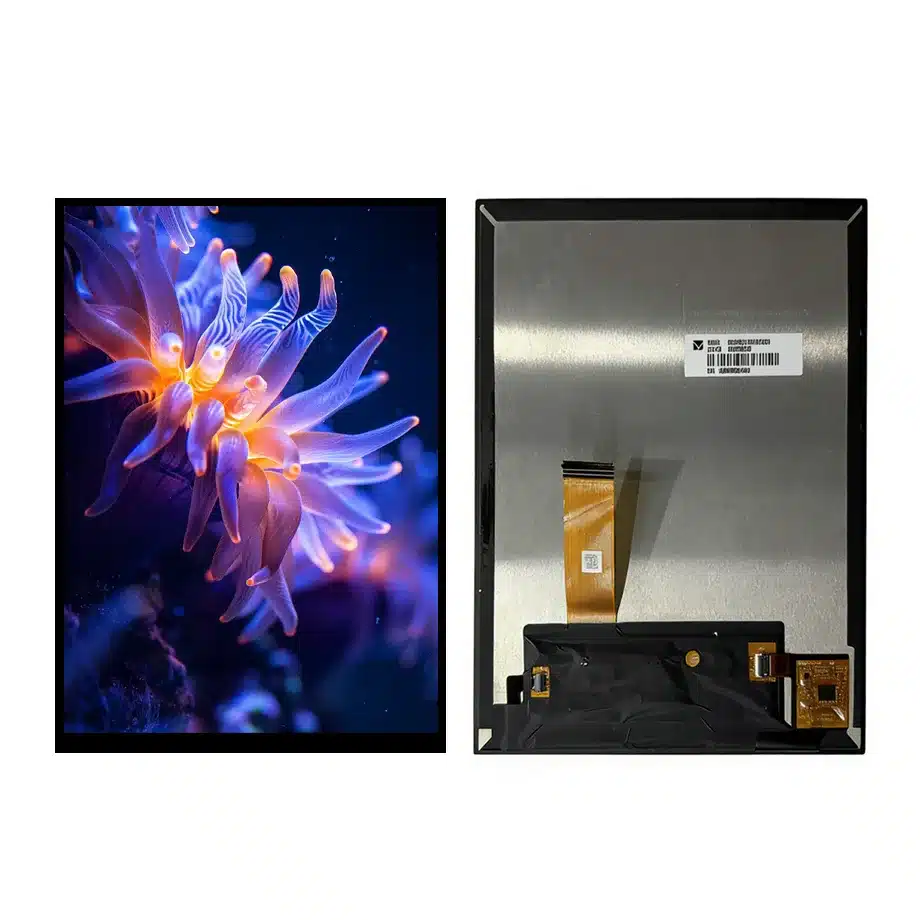
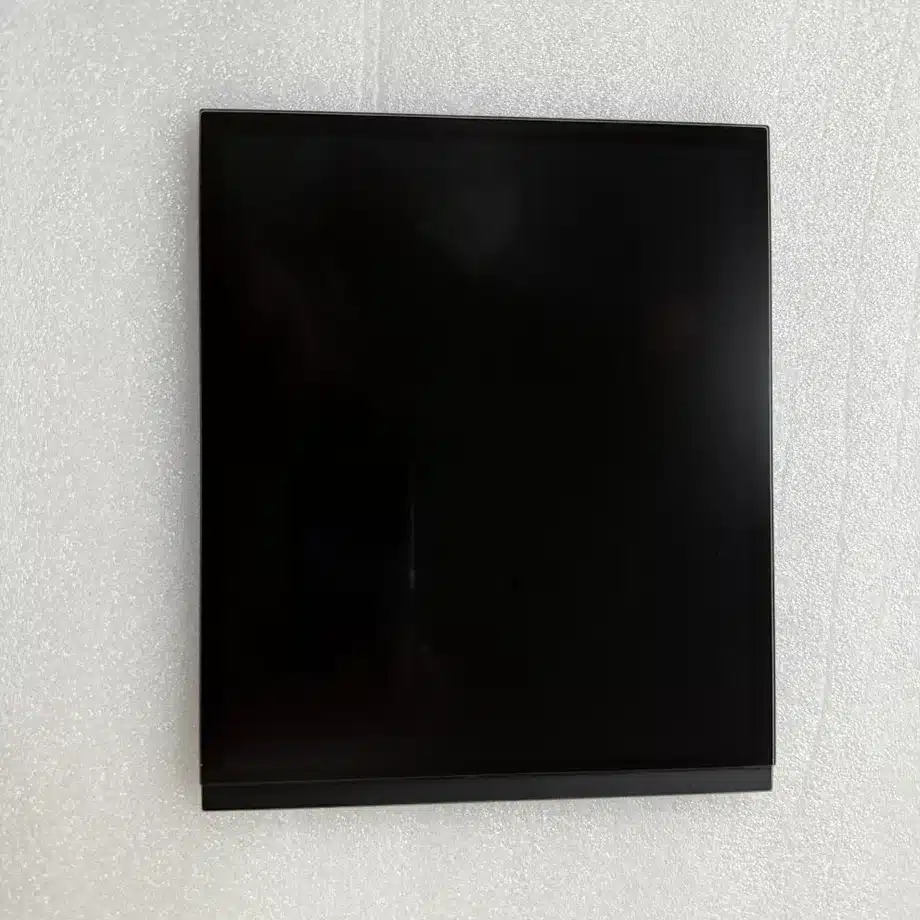
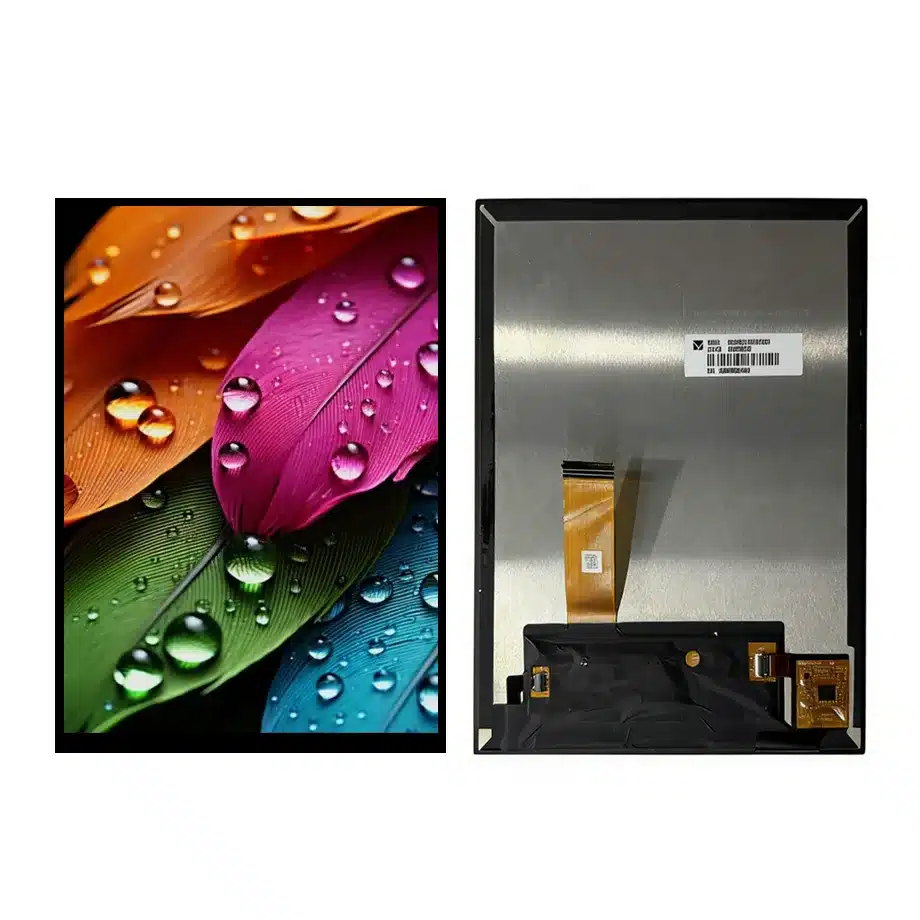
P0952SXF1MBAASBA1 Industrial PCAP Panel is the controlled component reference for engineering, procurement and system-integration review of this exact 9.5 inch Tianma configuration.
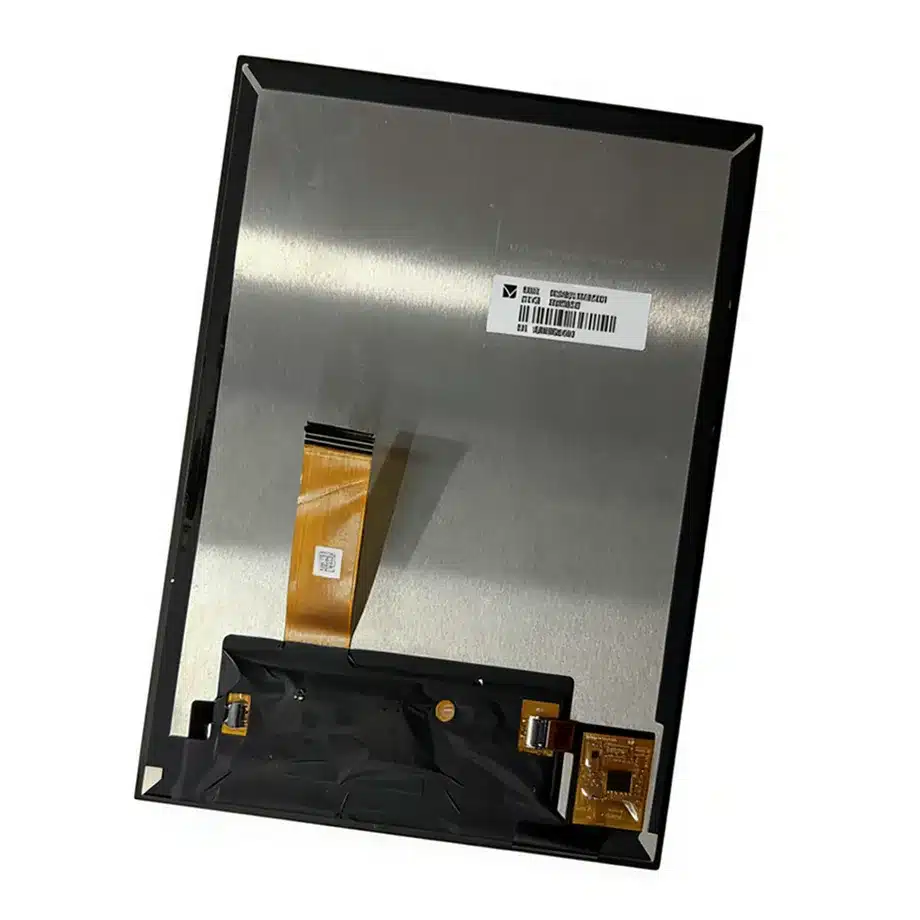
P0952SXF1MBAASBA1 is a 9.5 inch Tianma a-Si TFT-LCD, Assembly with 1020(RGB)×1200, 6:7, 500 cd/m² (Typ.) and LVDS (1 ch, 8-bit), 40 pins 0.5 mm FPC. The current-run packet establishes the electrical, optical, thermal and mechanical baseline. System-level behavior still has to be demonstrated on the intended host, cable, enclosure and firmware stack.
Three buyer value propositions
Optically bonded PCAP touch as an integrated assembly
The exact configuration combines PCAP touch and optical bonding rather than presenting touch as an optional external layer. That gives HMI designers a defined optical and mechanical stack, while controller firmware, grounding and host behavior still require system qualification.
Wide-temperature operating envelope for industrial integration
The supplied operating range is -20 to 70 °C with storage from -30 to 80 °C. This supports industrial and wide-temperature taxonomy placement, but the finished enclosure must still be measured for local display temperature and should not inherit unsupported environmental certifications.
500-nit portrait-oriented 6:7 display geometry
The 1020×1200, 6:7 canvas and 500 cd/m² typical luminance create a compact portrait-oriented control display. The unusual aspect ratio should be treated as a deliberate HMI layout choice rather than assumed compatible with standard 16:9 application software.
P0952SXF1MBAASBA1 Industrial PCAP Panel should be qualified as one exact configuration; shared diagonal, resolution or connector family is not enough to establish drop-in equivalence.
Key Specifications at a Glance
| Brand | Tianma |
|---|---|
| Model P/N | P0952SXF1MBAASBA1 |
| Size | 9.5 inch |
| Resolution | 1020(RGB)×1200, 6:7 |
| Active Area | 156.672×184.32 mm (H×V) |
| Overall | 203.35×170.7×10.4 mm |
| Brightness | 500 cd/m² (Typ.) |
| Viewing Angle | 85/85/85/85 (Typ.)(CR≥10) |
| Display Colors | 16.7M, 70% NTSC |
| Weight | TBD |
| Refresh Rate | 60 Hz |
| Connector / Native Interface | LVDS (1 ch, 8-bit), 40 pins 0.5 mm FPC |
| Input Voltage | 3.3 V (Typ.) |
| Operating Temperature | -20 ~ 70 °C |
| Storage Temperature | -30 ~ 80 °C |
| Panel Type | a-Si TFT-LCD, Assembly |
| Pixel Format | RGB Vertical Stripe |
| Surface Treatment | Anti Fingerprint + Antiglare, Hard coating |
| Contrast Ratio | 1000:1 (Typ.) |
| Response Time | 25 ms (Typ.)(Tr+Td) |
| Work Mode | SFT, Normally Black, Transmissive |
| Backlight / Emission | 40,000 hours (4S8P WLED, integrated LED driver) |
| Designed For | Industrial HMI and control-interface integration; optically bonded PCAP touch assemblies |
| Touchscreen Type | PCAP, Optical Bonding |
| Touch Interface | I²C |
Integrated touch and display bring-up
Bring up the single-channel LVDS display path and I²C touch path independently before validating them together. For LVDS, confirm timing, 40-pin FPC mapping and 3.3 V sequencing. For touch, confirm address, reset, interrupt, coordinate orientation and multi-touch behavior. A working image does not prove the PCAP interface is correctly integrated.
Optical-bonding implications
Optical bonding is part of the exact assembly, so air-gap assumptions from a non-bonded panel do not apply. Inspect edge seal quality, surface uniformity and touch response across temperature. If the assembly is mounted behind an additional cover or bezel, confirm that the added stack does not introduce pressure, reflection or touch sensitivity changes.
Industrial temperature qualification
The -20 to 70 °C operating range should be validated in the actual equipment, especially near processors, power supplies or sealed bezels that can raise local display temperature. Test cold start, warm restart, brightness control and touch response near the intended extremes. Do not convert the component temperature range into an enclosure rating or certification without separate evidence.
Storage and transport conditions
Storage from -30 to 80 °C provides a component boundary for logistics and non-operating exposure. Packaging, condensation control and thermal transitions still require product-level planning. After hot or cold storage tests, inspect optical bonding, touch response, surface condition and connector integrity before accepting the assembly for production.
Portrait HMI layout
The 1020×1200 6:7 format is well suited to vertically organized control interfaces, but application software should be designed for the native aspect ratio. Validate boot screens, service menus, alarms, soft keys and multilingual text at native scaling. Avoid relying on stretched 16:9 assets that can reduce legibility or waste active area.
PCAP edge and glove behavior
PCAP performance depends on controller tuning, grounding, cover construction and user conditions. Test edge accuracy, multi-touch gestures and false-touch resistance in the final enclosure. If glove, wet-finger or thick-cover operation is required, treat those as separate system requirements; the current evidence confirms PCAP and I²C but not those specialized modes.
Anti-fingerprint and antiglare surface handling
The assembly includes anti-fingerprint and antiglare treatment with a hard-coated surface. Define approved cleaning agents and assembly handling so production does not damage the finish. Surface terminology should remain descriptive; chemical-resistance or scratch-class claims beyond the documented coating should not be added without exact supporting data.
Single-channel LVDS timing control
The display uses one 8-bit LVDS channel through a 40-pin 0.5 mm FPC. Preserve the exact timing and pin assignment in the controller design. A similar-resolution LVDS panel can use a different mapping, clock convention or power sequence, so interface family alone is insufficient for substitution approval.
Backlight and brightness management
The 4S8P WLED system includes an LED driver and carries a 40,000-hour light-source rating. Verify startup brightness, dimming range and thermal behavior at the intended 500 cd/m² operating point. The lifetime figure is a component rating, not a guarantee of equipment service life, maintenance interval or brightness retention under every duty cycle.
Industrial mechanical mounting
Use the exact 203.35×170.7×10.4 mm assembly envelope when designing the bezel and rear support. Because touch and bonding are integrated, pressure distribution matters for both image and touch performance. Check FPC bend radius, connector retention and service access before tooling release.
EMI and grounding review
Industrial equipment often places displays near switching supplies, motors or long cable runs. Validate LVDS image stability and PCAP touch behavior with the real grounding and enclosure configuration. If noise causes false touches or communication faults, resolve the system-level coupling rather than assuming the touch panel is defective in isolation.
First-article validation matrix
Document the exact Tianma model, alias where relevant, controller board, LVDS cable or FPC, I²C settings, operating-system touch stack, mechanical drawing and thermal test points. Include cold and hot functional checks, a touch-grid test and representative brightness measurements. This package gives sourcing and service teams a reproducible baseline.
Replacement control
A non-touch 9.5-inch display or a separate-touch stack is not a functional drop-in replacement. Compare the bonded assembly depth, touch interface, LVDS mapping, wide-temperature limits, active area and surface construction. Any change in bonding or touch architecture should be treated as a new mechanical and firmware qualification.
Evidence limits for industrial marketing
The exact evidence supports industrial application, PCAP touch, optical bonding, 500 cd/m² and wide operating/storage temperatures. It does not by itself establish IP rating, medical certification, sunlight readability, glove operation, chemical resistance or military qualification. Keep public claims within the verified component envelope.
Bond-line inspection after thermal cycling
Because the touch layer is optically bonded, thermal cycling should include visual inspection for bubbles, edge separation, haze change or localized stress patterns. Compare touch coordinates before and after the cycle as well. A bonded assembly can remain electrically functional while its optical appearance degrades, so the acceptance record should include both image quality and touch performance.
I²C service diagnostics
For field diagnostics, retain the expected I²C address, reset behavior and interrupt logic used by the approved host. If the touch device disappears after a power event, service teams need a method to distinguish a bus, firmware or hardware problem. These diagnostic details belong in the integration record even though they are not public-facing product claims.
Industrial UI target sizing
The 6:7 display geometry can support dense controls, but touch targets should be sized for the actual operator and environment. Validate critical buttons, alarms and maintenance controls at native resolution, including edge regions where PCAP sensitivity can differ. If the equipment will be used with protective gloves or tools, test that requirement explicitly instead of assuming standard bare-finger PCAP behavior covers it.
Cable-flex and FPC retention
The 40-pin 0.5 mm FPC connection needs controlled bend radius and retention inside the equipment. Verify that service access does not pull on the connector and that repeated enclosure opening cannot crease the flex. Because the bonded touch assembly is thicker than a bare panel, cable routing should be evaluated with the complete stack installed, not on a loose display bench.
Production handoff
Release the assembly only after display timing, touch behavior, enclosure pressure and thermal operation have been verified together. Store the tested controller firmware and mechanical stack with the BOM so later production changes can be assessed against a known-good industrial HMI configuration.
P0952SXF1MBAASBA1 Industrial PCAP Panel belongs in the released sourcing dossier together with the exact drawing, production interface hardware and test evidence used to approve the target system.
Engineering and sourcing review
Before release, provide the target host or controller, mechanical drawing, production cable, power design and acceptance criteria. Qualification should verify native timing, interface behavior, optical performance, touch behavior where applicable and mechanical fit for the exact P0952SXF1MBAASBA1 configuration.
P0952SXF1MBAASBA1 Industrial PCAP Panel should remain the reference term for this approved component package so future lots and substitutes can be evaluated against the same evidence.
Recommended: Same Size
(9.5")
Applications & Value of LCD Panel

- Fast sourcing with in-stock panels & cross-reference alternatives
- Stable supply chain with long-term availability
- Engineering-level support from panel to integration
- Custom solutions: cable, touch & optical bonding
- Strict quality control with IQC / OQC / aging test
- Full traceability system for quality assurance
- Complete technical documentation & drawings
- Compliance support: RoHS & certification files
