Freya Yang
+86 18318948097
+852 62667476
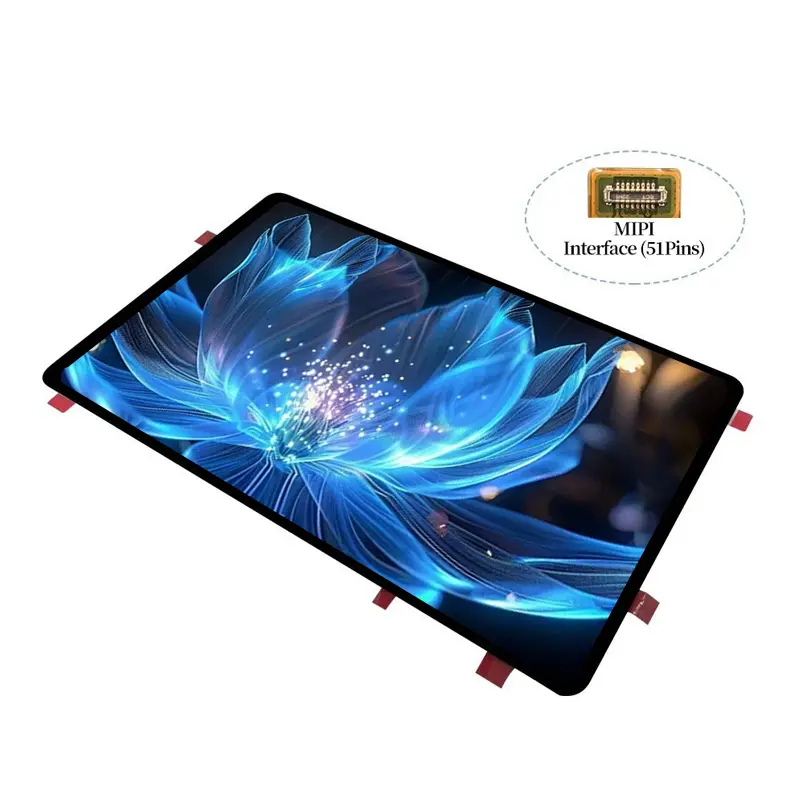
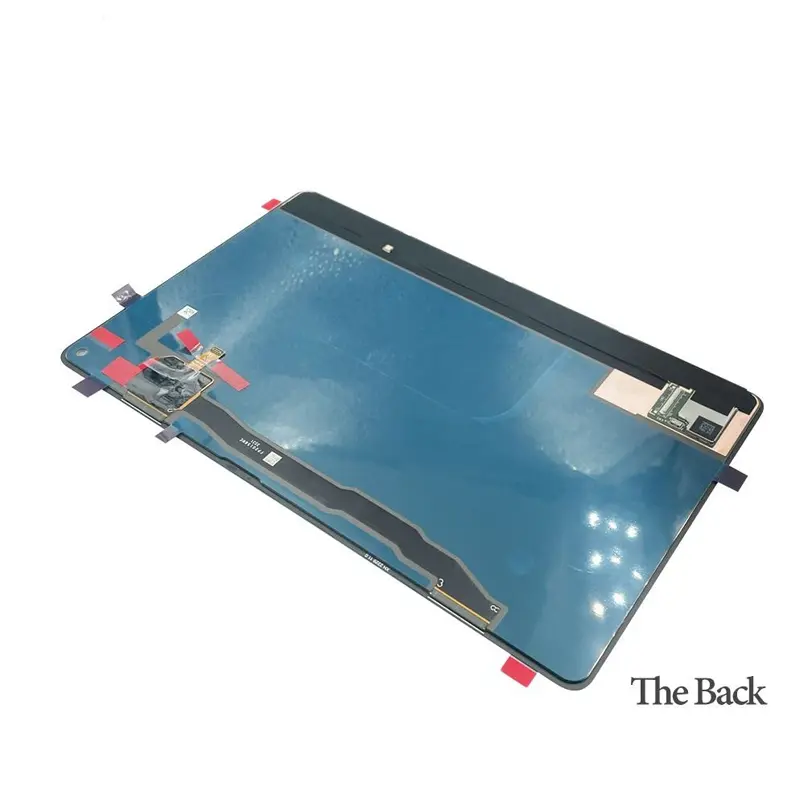
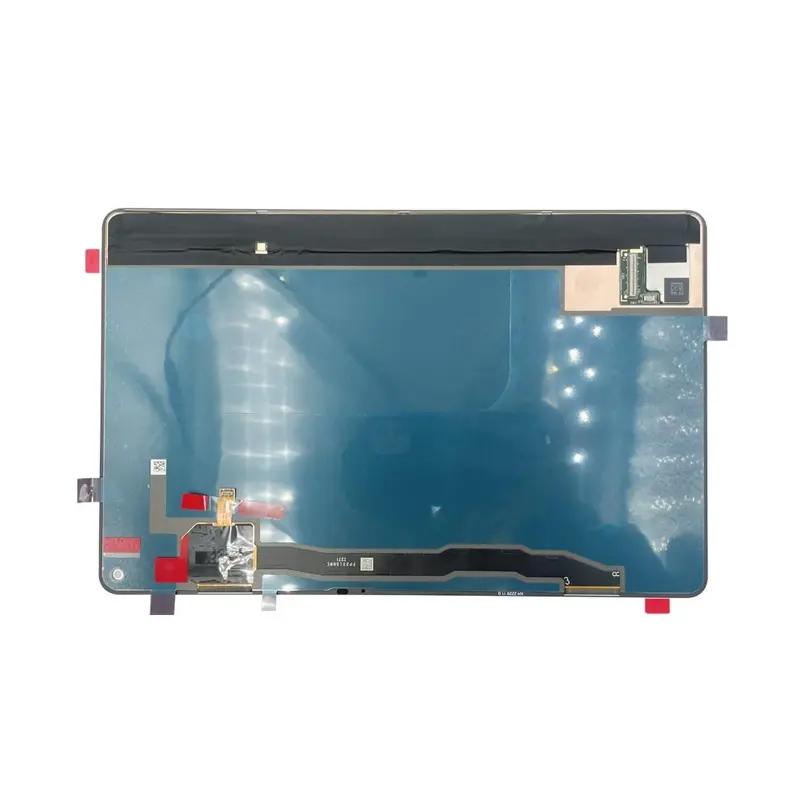
11 Inch High Pixel Density AMOLED Touchscreen Assembly for HMIs

Model P/N
Size
Resolution
Brightness
Viewing Angle
Connector Type
Operating Temp
Overall(mm)
huisoar
HS00QBE71.A
Brand
Panel Size (inch)
Model P/N
Resolution
Brightness (nits)
Viewing Angle
Response Time
Overall (mm)
Active Area (mm)
Refresh Rate
Display Colors
Panel Type
Connector Type
Surface Treatment
Operating Temp
Touchscreen Type
Storage Temp
Work Mode
Pixel Format
Control Type
Operating Environment
Motherboard Type
Designed For
11 Inch High Pixel Density AMOLED Touchscreen Assembly for HMIs
The High Pixel Density AMOLED Touchscreen Assembly combines an 11-inch 2560 × 1600 display with MIPI connectivity and a confirmed touch panel for embedded HMIs, smart control terminals and professional equipment. Its 236.928 × 148.080 mm active area provides room for detailed menus, data visualization, image-rich controls and direct on-screen interaction without requiring an oversized enclosure.
The module is a component assembly rather than a complete terminal. The host processor, MIPI configuration, touch controller, power rails, enclosure, cover construction and software integration must be qualified for the final product.
Product Summary
This 11-inch AMOLED assembly is designed for products where display quality and interface density are central to the user experience.
The native 2560 × 1600 raster supports detailed text, fine icons, layered menus, charts, image-based controls and multi-zone HMI layouts. Driving the panel at its native resolution helps preserve the clarity that makes a high-pixel-density display valuable.
The touch panel is confirmed as part of the product configuration. Its sensing technology, touch-controller model, communication interface, supported contact count and firmware requirements remain project-specific until the approved touch specification is supplied.
The display interface is MIPI. Lane count, operating mode, timing, initialization and pin assignment must be confirmed before host-board release.
Product Main Parameters
| Main parameter | Confirmed specification |
|---|---|
| Display size | 11 inches |
| Display technology | AMOLED |
| Native resolution | 2560 × 1600 pixels |
| Display interface | MIPI |
| Touch status | Touch panel included |
| Active area | 236.928 × 148.080 mm |
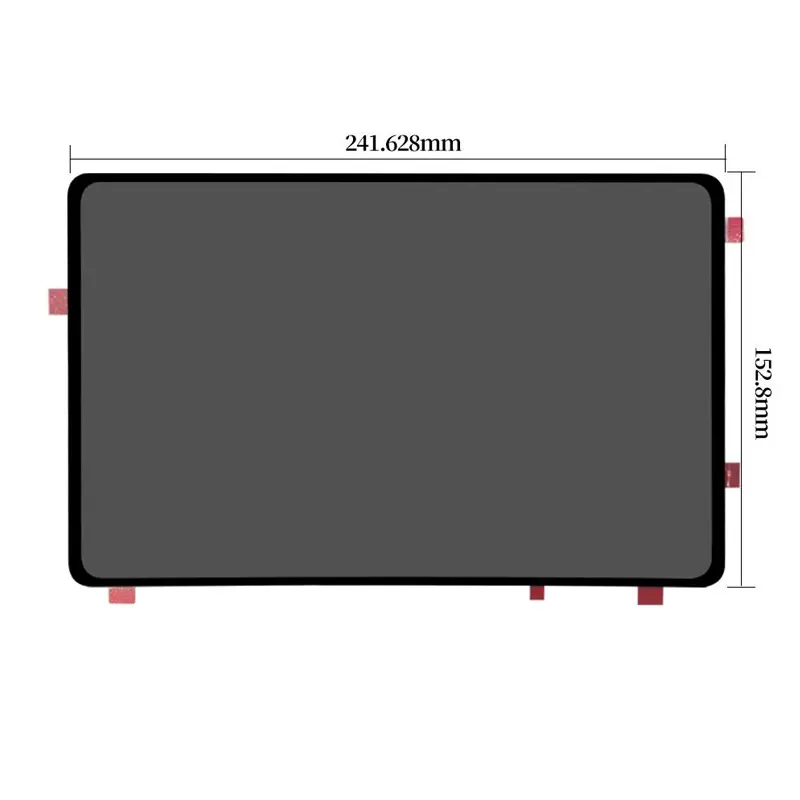
| Front outline width | 241.628 mm |
| Front outline height | Approximately 152.8 mm |
| Pixel pitch | 92.55 μm |
| Viewing description | Full-view wording |
| Mounting type | Connector integration |
| Backlight | Not required; AMOLED is self-emissive |
Designing a 2560 × 1600 HMI Interface
Preparing Native-Resolution UI Assets
The graphics pipeline should render at the native 2560 × 1600 resolution.
Native-resolution output helps retain:
- text-edge definition;
- small-icon clarity;
- chart detail;
- smooth image scaling;
- precise touch-target alignment;
- consistent layout proportions;
- clean animation transitions.
Using a lower-resolution framebuffer may reduce GPU load, but it can also introduce scaling softness. The actual trade-off should be evaluated with the intended processor, operating system and UI framework.
The 2560 × 1600 canvas has a 16:10 format. Interface assets should be prepared for that layout rather than stretched from a 16:9 design.
Managing Text, Icons and Touch Targets
High pixel density allows smaller graphics to be rendered clearly, but it does not mean every control should be physically small.
Touch-target design should account for:
- final viewing distance;
- operator hand position;
- glove or bare-finger operation;
- display scaling;
- system font size;
- adjacent-control spacing;
- edge gestures;
- enclosure borders;
- cover-glass thickness.
The interface should be validated at the finished product’s physical size rather than only on a desktop preview.
MIPI Integration for the High Pixel Density AMOLED Touchscreen Assembly
Confirming Lane Count and Operating Mode
MIPI identifies the interface family, but it is not a complete compatibility specification.
Engineering review must confirm:
- MIPI DSI lane count;
- D-PHY data rate;
- clock requirements;
- command or video mode;
- burst or non-burst operation;
- native 2560 × 1600 timing;
- pixel format;
- refresh rate;
- reset behavior;
- sleep and wake commands;
- initialization sequence.
The high resolution creates a substantial bandwidth requirement. The host’s DSI controller, PHY and graphics pipeline must support the approved timing and lane configuration.
Qualifying the Connector and Pin Assignment
The connector definition must be approved before the host PCB or cable is released.
Confirm:
- total pin count;
- connector pitch;
- pin-1 location;
- contact side;
- insertion direction;
- MIPI data lanes;
- clock lane;
- power rails;
- grounds;
- reset and enable signals;
- touch-panel connections;
- reserved pins;
- FPC bend limits.
A mechanically matching connector does not guarantee signal, voltage or timing compatibility.
Initialization and Host-Driver Requirements
An AMOLED panel may require a model-specific command sequence and power-control process.
Do not derive these requirements from the display technology or model name alone. Request the approved:
- initialization table;
- command list;
- power-on sequence;
- power-off sequence;
- reset timing;
- sleep and wake procedure;
- display-driver documentation;
- reference host configuration.
A host with a MIPI DSI output still requires panel-specific software and timing support.
Touch-Panel Integration and Interface Control
Separating Display and Touch Communication
The MIPI connection identifies the display-data path. The touch controller may use a different communication bus.
The touch package should identify:
- sensing technology;
- touch-controller model;
- I²C, USB, SPI or other interface;
- interrupt signal;
- reset signal;
- supply voltage;
- coordinate resolution;
- supported contact count;
- firmware or configuration file;
- cover-glass limits.
The display and touch paths should be treated as separate integration blocks until the combined specification confirms otherwise.
Confirming the Touch Controller and Firmware
A physically integrated touch panel is not automatically supported by every operating system or host platform.
Qualification should include:
- controller identification;
- host-driver availability;
- coordinate orientation;
- resolution mapping;
- edge accuracy;
- noise behavior;
- startup timing;
- sleep recovery;
- electromagnetic environment;
- cover-glass stack;
- intended gesture set.
Touch response should be tested with the final cover construction and enclosure grounding.
AMOLED Optical and Power Considerations
AMOLED pixels emit their own light, so the panel does not require a separate backlight.
This allows deep dark areas and high image contrast, but system behavior still depends on:
- image content;
- average picture level;
- peak-current demand;
- thermal conditions;
- brightness control;
- static-UI duration;
- power-management settings;
- cover reflection.
No fixed brightness, power-consumption or lifetime value is confirmed for this configuration.
Static interface elements should be reviewed during long-duration testing. A practical HMI design can use screen dimming, movement of persistent elements, sleep states and content variation where appropriate to the approved product requirements.
Mechanical Integration for Embedded HMIs
The active area measures 236.928 × 148.080 mm.
The visible drawing identifies a front outline approximately:
- 241.628 mm wide;
- 152.8 mm high.
The approved mechanical package should control:
- complete outline;
- exact thickness;
- active-area position;
- corner radii;
- display FPC locations;
- touch FPC locations;
- connector access;
- rear keep-out zones;
- support and adhesive areas;
- pressure-free zones;
- cover-glass overlap;
- tolerance stack.
The enclosure should support the module without transferring concentrated pressure into the AMOLED or touch stack.
Recommended Application Routes
The assembly may be evaluated for:
- embedded HMI terminals;
- smart control consoles;
- premium appliance interfaces;
- professional portable equipment;
- laboratory-control displays;
- image-rich operating terminals;
- custom device-control panels;
- display-led OEM products.
In late-stage selection, the High Pixel Density AMOLED Touchscreen Assembly should be assessed by host bandwidth, MIPI timing, touch-interface support, power architecture, mechanical fit and environmental requirements.
These are integration routes rather than compatibility or certification claims.
Customization and Sample Qualification
Project review may cover:
- display FPC orientation;
- touch FPC orientation;
- connector definition;
- touch-controller selection;
- cover-glass design;
- printed border;
- optical bonding;
- surface treatment;
- controller-board matching;
- enclosure adaptation;
- logo and graphic treatment;
- packaging.
Custom configurations are generally reviewed from 500 pieces, subject to tooling requirements, material availability and the requested specification. Sample and standard-module quantities are confirmed separately.
A representative sample should be tested for:
- native 2560 × 1600 output;
- MIPI link stability;
- initialization;
- sleep and wake operation;
- image orientation;
- color output;
- touch-coordinate mapping;
- edge accuracy;
- enclosure fit;
- thermal behavior;
- continuous UI operation.
Procurement Checklist
Submit the following before sample or production approval:
- host processor or development platform;
- native 2560 × 1600 timing;
- required refresh rate;
- MIPI DSI lane count;
- command or video mode;
- D-PHY data rate;
- complete display pin assignment;
- initialization sequence;
- panel power rails;
- touch-controller model;
- touch communication interface;
- touch power and interrupt signals;
- approved mechanical drawing;
- cover-glass specification;
- optical-bonding requirement;
- operating environment;
- sample quantity;
- annual demand;
- qualification plan;
- production schedule.
FAQ
About 11 Inch High Pixel Density AMOLED Touchscreen Assembly
What must be confirmed before connecting the panel to a MIPI host?
How should UI assets be prepared for this display?
Is the touch interface carried through MIPI DSI?
Which dimensions control enclosure design?
What must be evaluated for AMOLED power and thermal design?
Freya Yang
+86 18318948097