Freya Yang
+86 18318948097
+852 62667476
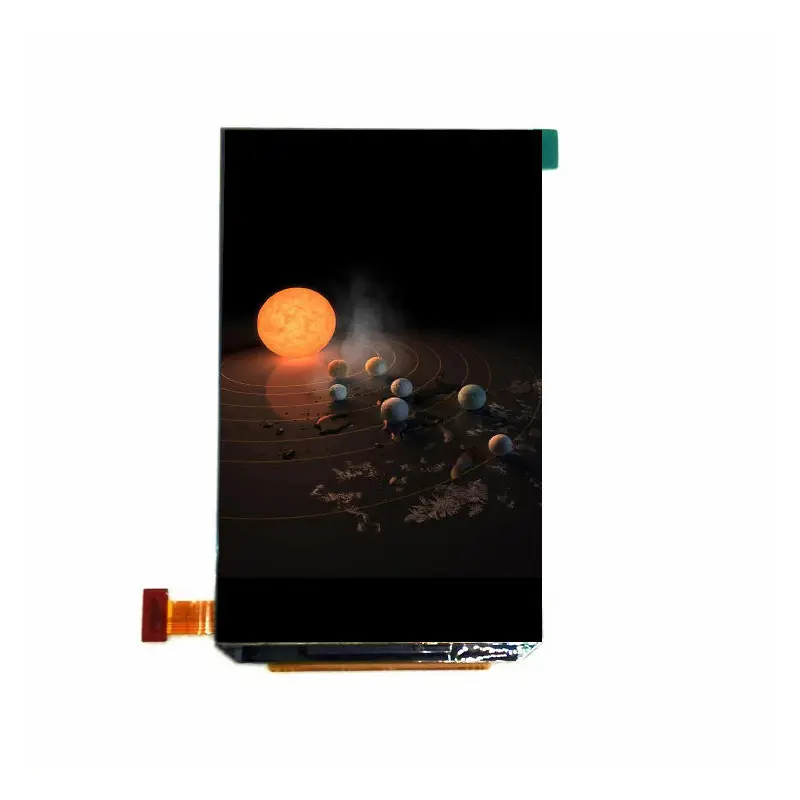
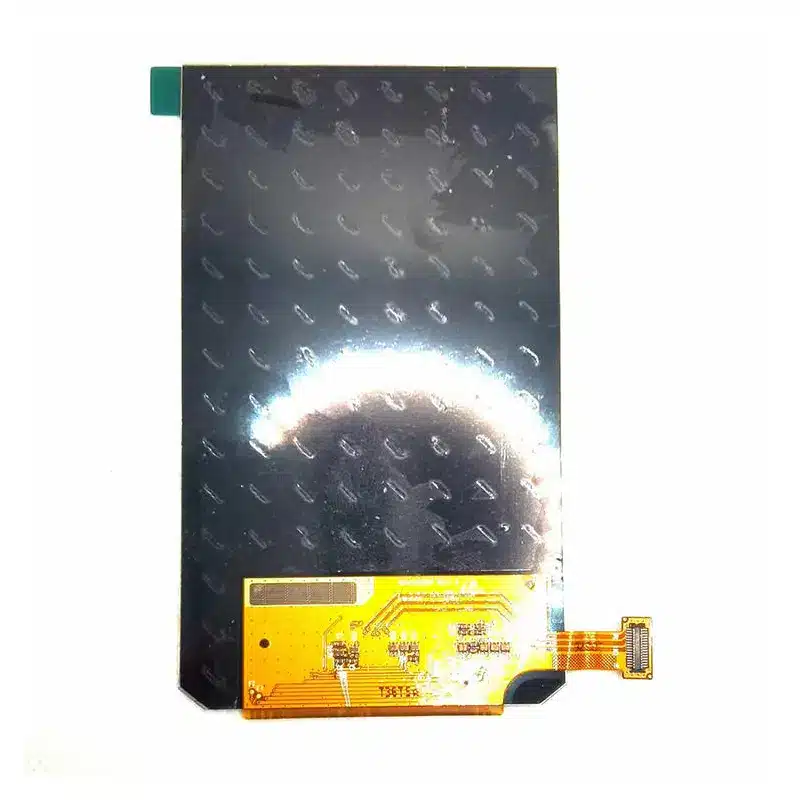
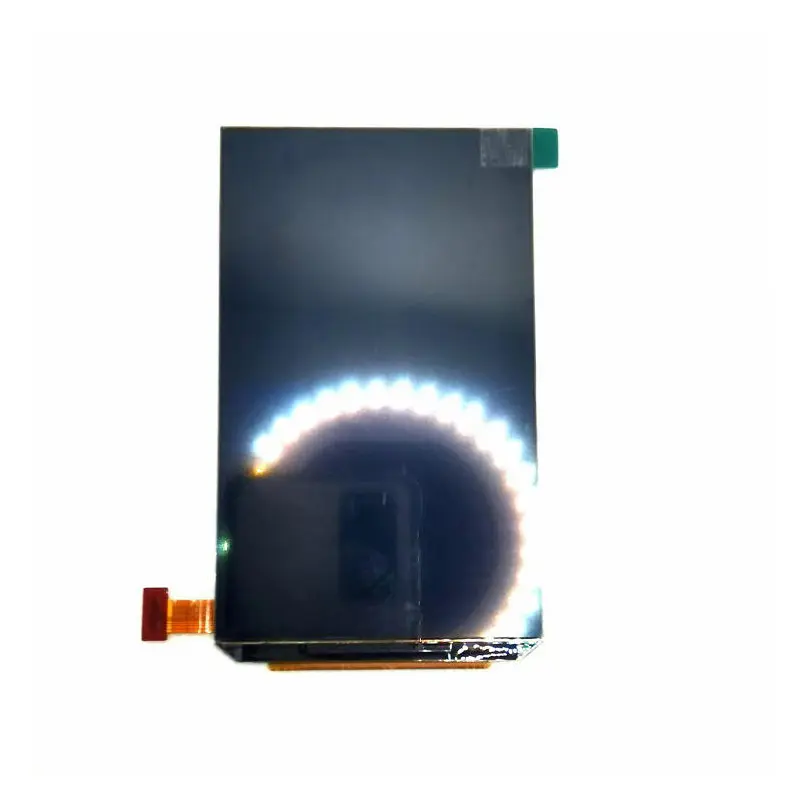
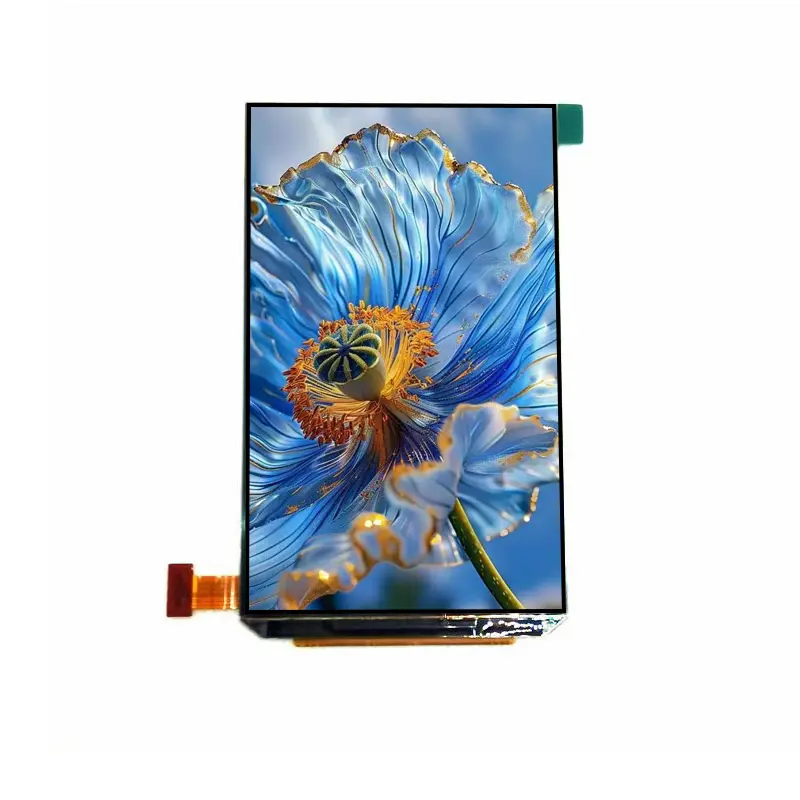
4.3 Inch Portable AMOLED Display Panel for Handheld Terminals
Model P/N
Size
Resolution
Brightness
Viewing Angle
Connector Type
Operating Temp
Overall(mm)
huisoar
HS427GU01V1.1
Brand
Panel Size (inch)
Model P/N
Resolution
Brightness (nits)
Viewing Angle
Contrast Ratio
Response Time
Overall (mm)
Active Area (mm)
Refresh Rate
Display Colors
Panel Type
Connector Type
Operating Temp
Touchscreen Type
Storage Temp
Work Mode
Control Type
Operating Environment
Designed For
4.3 Inch Portable AMOLED Display Panel for Handheld Terminals
This compact portrait AMOLED panel combines a 480 × 800 interface, 10000:1 contrast and 300 cd/m² luminance for controlled-light portable equipment.
Product Overview
The Portable AMOLED Display Panel gives equipment designers a compact portrait screen for handheld service terminals, portable inspection tools and embedded control devices. Its 4.3-inch format provides more visual working space than miniature status displays while remaining practical for products with limited front-panel area.
A 480 × 800 pixel layout supports vertical menus, guided workflows, image previews, status lists and touch-style interface designs. AMOLED technology is especially effective for interfaces that use dark backgrounds, bright status colors and high-contrast graphics.
The standard product is treated as a display-only panel. Touch, cover glass, bonding and controller-board requirements must be specified separately.
Key Specifications at a Glance
| Specification | Confirmed value |
|---|---|
| Display size | 4.3 inch |
| Display technology | AMOLED |
| Resolution | 480 × 800 pixels |
| Interface | MIPI |
| Luminance | 300 cd/m² |
| Contrast ratio | 10000:1 |
| Orientation | Portrait |
| Standard touch status | No touch confirmed |
Portrait AMOLED Visual Performance
480 × 800 Interface Layout
The portrait raster provides a natural structure for handheld workflows. Product teams can divide the screen into a header, primary content zone, navigation area and persistent status region without compressing every element into a small square interface.
Suitable interface patterns include:
- inspection steps;
- configuration menus;
- device status lists;
- alarm histories;
- diagnostic readings;
- guided maintenance instructions;
- image or camera previews;
- portable instrument controls;
- smart-home remote controls;
- compact multimedia interfaces.
The 480-pixel width should be considered during typography and icon design. Interfaces intended for larger Full HD panels should not be reduced mechanically without checking text size, button spacing and information density.
High-Contrast Dark UI Presentation
The confirmed 10000:1 contrast ratio supports clear separation between bright interface elements and dark backgrounds. This is useful for equipment that presents warnings, status colors or live measurements against a low-luminance background.
AMOLED pixels emit their own light rather than relying on a conventional LCD backlight. Dark areas can therefore appear visually integrated with a black front border, helping product designers create a cleaner panel appearance.
This optical behavior does not guarantee identical contrast after adding cover glass, air gaps, bonding layers or reflective surface treatments. The finished assembly should be evaluated under its intended lighting.
Evaluating 300 cd/m² Luminance
Controlled-Light Application Boundary
The display is rated at 300 cd/m². This value is appropriate for evaluation in indoor products, handheld equipment used under controlled lighting and embedded terminals that do not require direct-sunlight operation.
A 300 cd/m² rating does not establish sunlight readability.
Outdoor visibility depends on more than panel luminance. Cover-glass reflection, surface treatment, air gaps, bonding, viewing angle and ambient illumination can materially affect the displayed result.
Front-Cover and Reflection Effects
A clear cover can protect the panel but may introduce additional reflections. Product teams should test:
- untreated cover glass;
- anti-glare or anti-reflective options;
- air bonding;
- optical bonding;
- black-mask coverage;
- viewing through protective films;
- expected indoor lighting;
- bright-window or semi-outdoor conditions.
The final visibility decision should be based on a complete sample assembly rather than the bare panel alone.
Integrating the Portable AMOLED Display Panel
MIPI Host Compatibility
A MIPI interface label does not prove lane count, timing, operating mode, voltage or pin compatibility.
Before PCB and FPC release, obtain and confirm:
- MIPI lane count;
- command or video mode;
- pixel and link timing;
- D-PHY requirements;
- complete pin assignment;
- connector pitch;
- contact side;
- reset and enable signals;
- panel power rails;
- FPC orientation;
- required initialization documentation.
A processor that supports another 480 × 800 MIPI panel should not automatically be assumed compatible.
Power and Content Evaluation
AMOLED power behavior depends partly on the image being displayed. A dark interface and a bright full-screen interface may create different electrical and thermal conditions.
Power evaluation should therefore include representative content:
- dark standby screen;
- normal operating menu;
- high-white-content page;
- warning screen;
- image preview;
- maximum expected brightness;
- repeated transitions;
- prolonged static UI.
This testing is important for battery-operated terminals because average application power cannot be determined from resolution and brightness alone.
The approved electrical specification should control voltage, power sequencing and timing. These values must not be borrowed from another AMOLED model.
Application Fit for Handheld Terminals
The module can be evaluated for:
- handheld service terminals;
- portable inspection tools;
- compact data-entry devices;
- smart-home handheld controllers;
- indoor diagnostic instruments;
- embedded configuration terminals;
- portable measurement interfaces;
- industrial maintenance devices;
- compact media-control products;
- custom electronic equipment.
A 4.3-inch AMOLED panel is particularly relevant when product appearance and contrast are more important than using the lowest-cost conventional TFT format. Comparable display-industry materials also identify compact AMOLED panels as options for handheld products and industrial controls.
Suitability for a particular regulated or safety-critical device requires separate product-level qualification.
Touch and Controller-Board Boundaries
Touch is not confirmed as part of the standard module.
An optional touch assembly requires separate definition of:
- capacitive or resistive technology;
- touch controller;
- communication interface;
- touch-point count;
- cover-glass dimensions;
- active touch area;
- FPC location;
- bonding method;
- total thickness;
- firmware support.
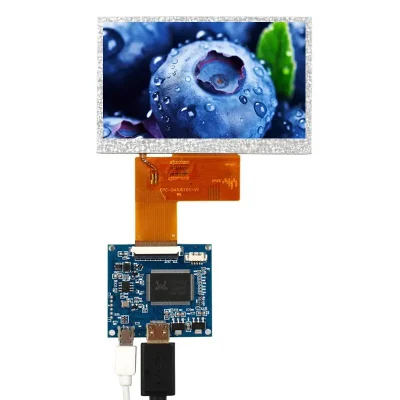
An HDMI board is also a separate configuration. HDMI cannot connect directly to the MIPI panel without suitable conversion hardware.
The display panel, touch system, cover assembly and controller board should be treated as separate integration layers.
Customization and Engineering Review
Project review may include:
- FPC length and direction;
- interface mapping;
- touch-panel addition;
- cover-lens design;
- logo or border printing;
- air or optical bonding;
- controller-board matching;
- HDMI conversion;
- brightness target;
- mounting adaptation;
- packaging.
Custom configurations are generally reviewed from 500 pieces, subject to tooling requirements, material availability and the requested specification. Sample and standard-module quantities are confirmed separately.
Procurement Checklist
Before approving the Portable AMOLED Display Panel, confirm:
- Native 480 × 800 timing
- Portrait UI layout
- MIPI lane count
- Command or video mode
- Complete pin assignment
- Connector pitch and contact side
- Approved FPC drawing
- Panel voltage rails
- Power sequence
- Reset and enable requirements
- Representative AMOLED power tests
- 300 cd/m² lighting suitability
- Cover-glass reflection target
- Display-only or touch configuration
- Touch-controller interface when required
- HDMI or controller-board requirement
- Active-area drawing
- Complete module dimensions
- Enclosure depth and support points
- Sample quantity
- Annual demand
- Production schedule
- Required compliance documentation

FAQ
About 4.3 inch Portable AMOLED Display Panel
What must be checked before connecting the panel to a MIPI host?
When is 300 cd/m² suitable for a handheld product?
How should power consumption be evaluated for this AMOLED panel?
Is touch included with the standard display?
What documentation is required before enclosure and PCB release?
Freya Yang
+86 18318948097