
~
~
~
~
~
~
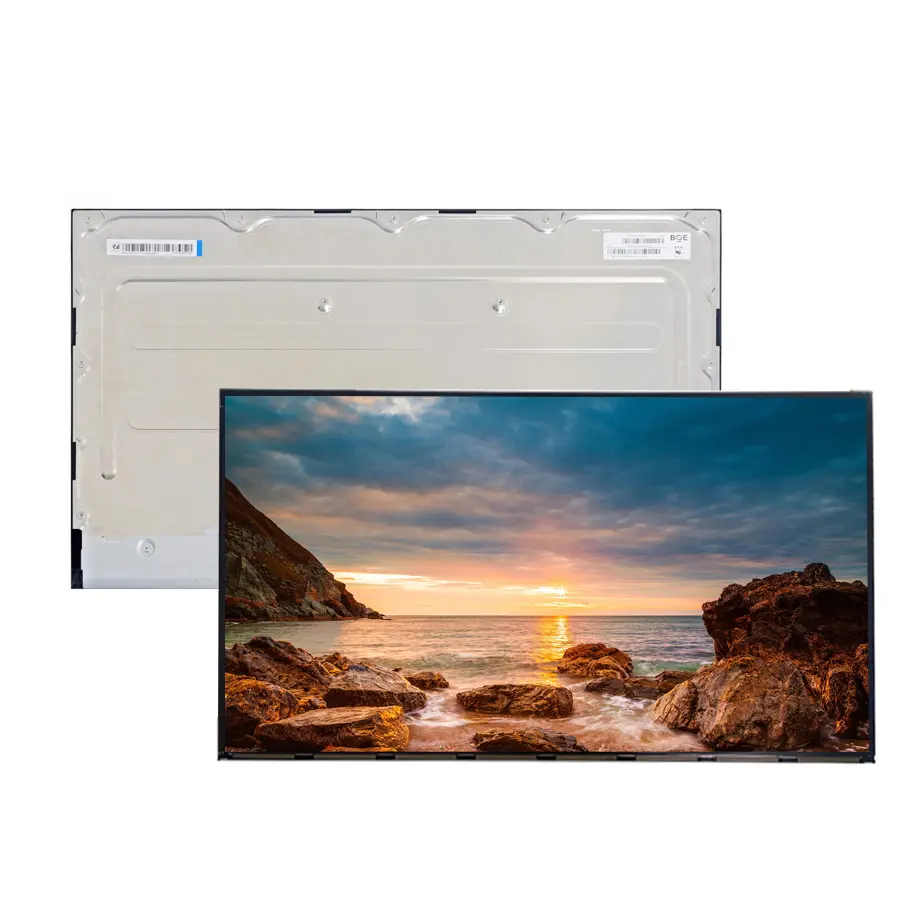
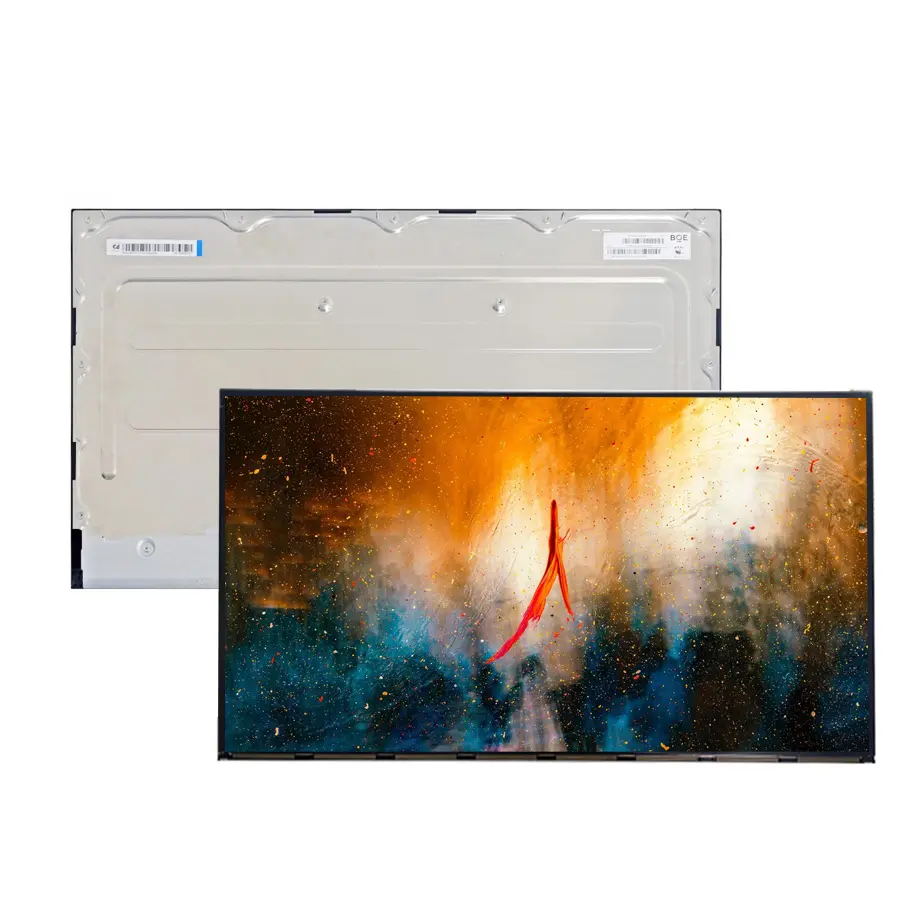
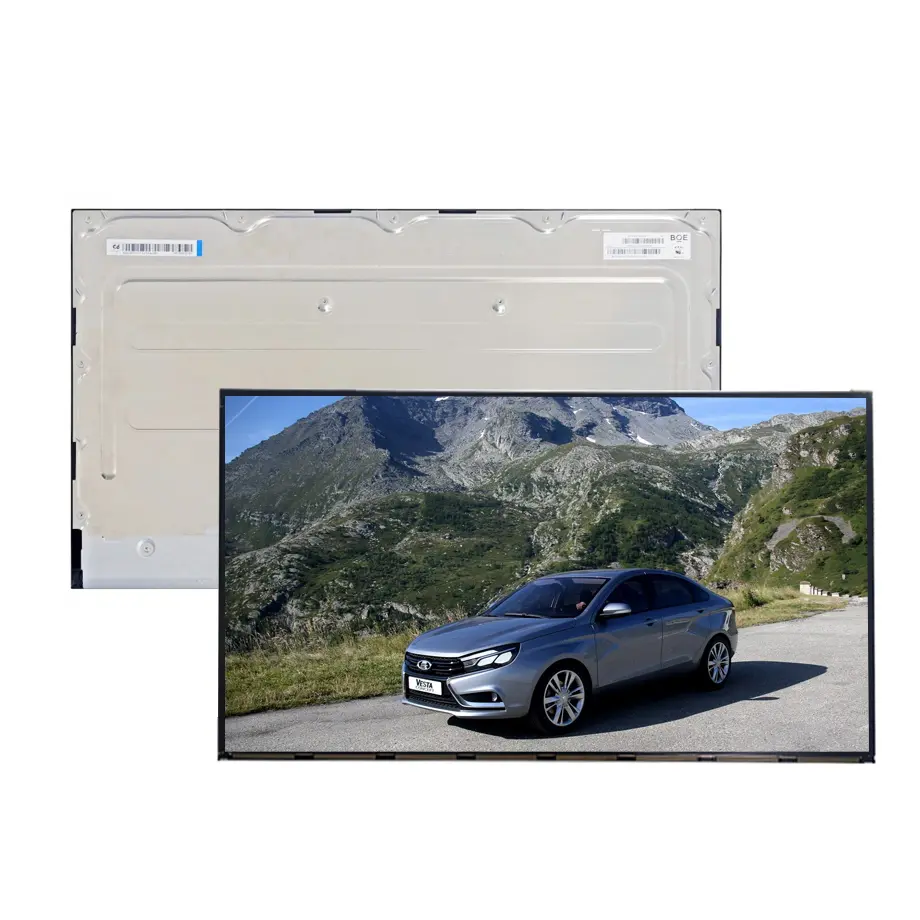
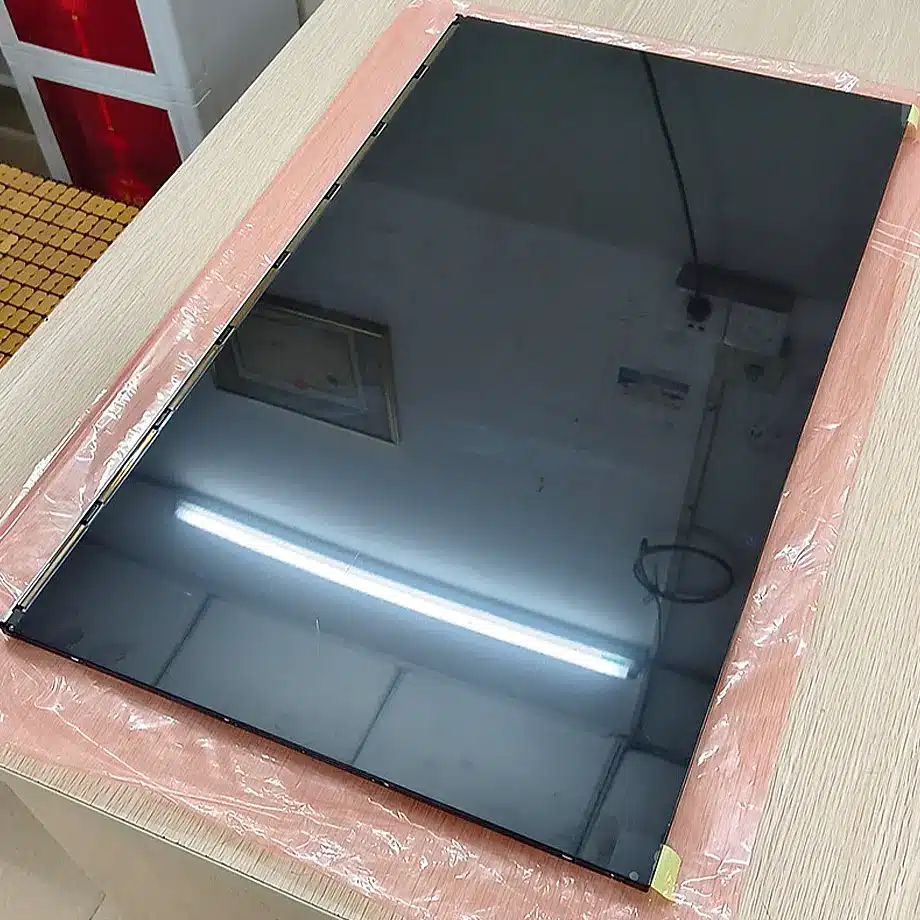
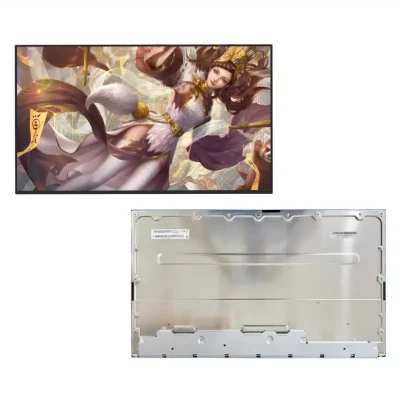
MV270QUM-N54 30-Pin HBR2 UHD Monitor LCM 25% Haze BOE
Model P/N
Size
Resolution
Brightness
Viewing Angle
Connector Type
Operating Temp
Overall(mm)
boe
MV270QUM-N54
Brand
Panel Size (inch)
Model P/N
Resolution
Brightness (nits)
Viewing Angle
Contrast Ratio
Response Time
Overall (mm)
Active Area (mm)
Refresh Rate
Display Colors
Panel Type
Connector Type
Surface Treatment
Operating Temp
Touchscreen Type
Storage Temp
Work Mode
Pixel Format
Input Voltage (V)
Vibration Resistance
Designed For
Product Details
Product Overview
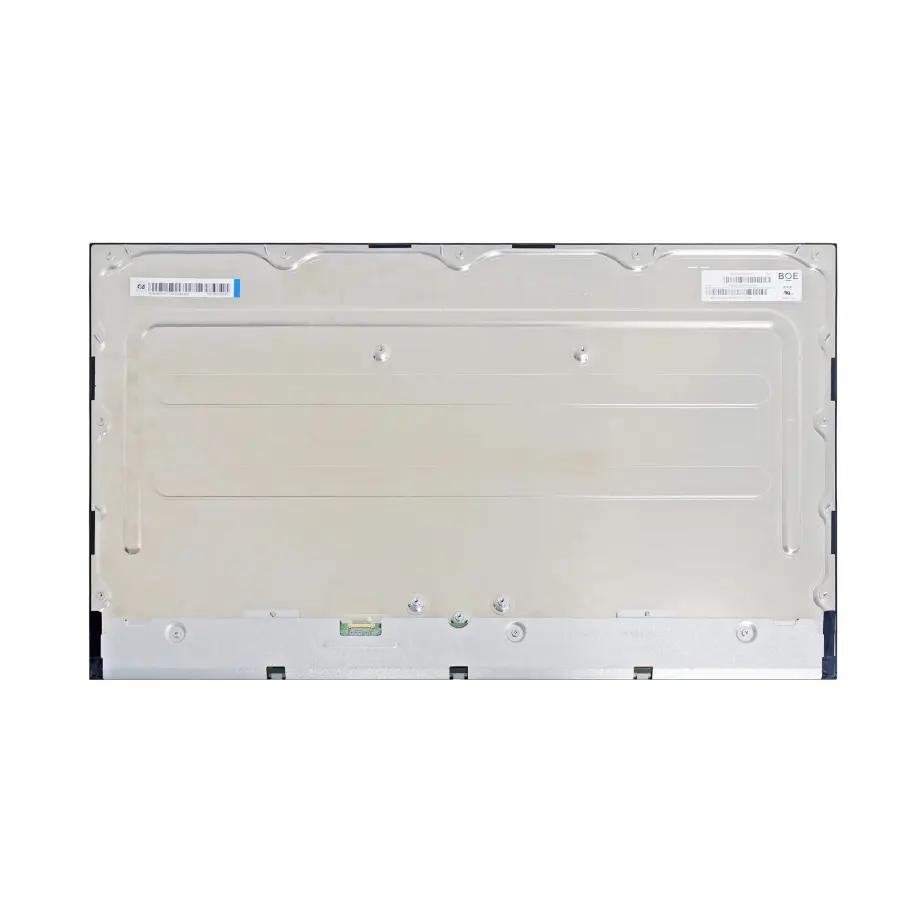
MV270QUM-N54 30-Pin HBR2 UHD Monitor LCM is a 27.0-inch BOE a-Si TFT-LCD module for UHD desktop-monitor integration. The user-supplied exact-model row defines 3840(RGB)×2160 resolution in a 16:9 format, with a 596.736 × 335.664 mm active area inside a 609.4 × 355.6 × 13.7 mm module outline. Panel mass is 2.45 kg typical and 2.60 kg maximum.
The module is specified at 450 cd/m² typical luminance, 1200:1 typical contrast and 89/89/89/89 typical viewing at CR≥10. It supports 1.07B colors with 97% DCI-P3 and uses HADS normally-black transmissive operation. The surface is antiglare with 25% haze and 3H hard coating. The supplied response entry is “14 (Typ.)(G to G) mm”; because this is a response-time quantity, the approved record normalizes it to 14 ms typical G-to-G while preserving traceability to the source.
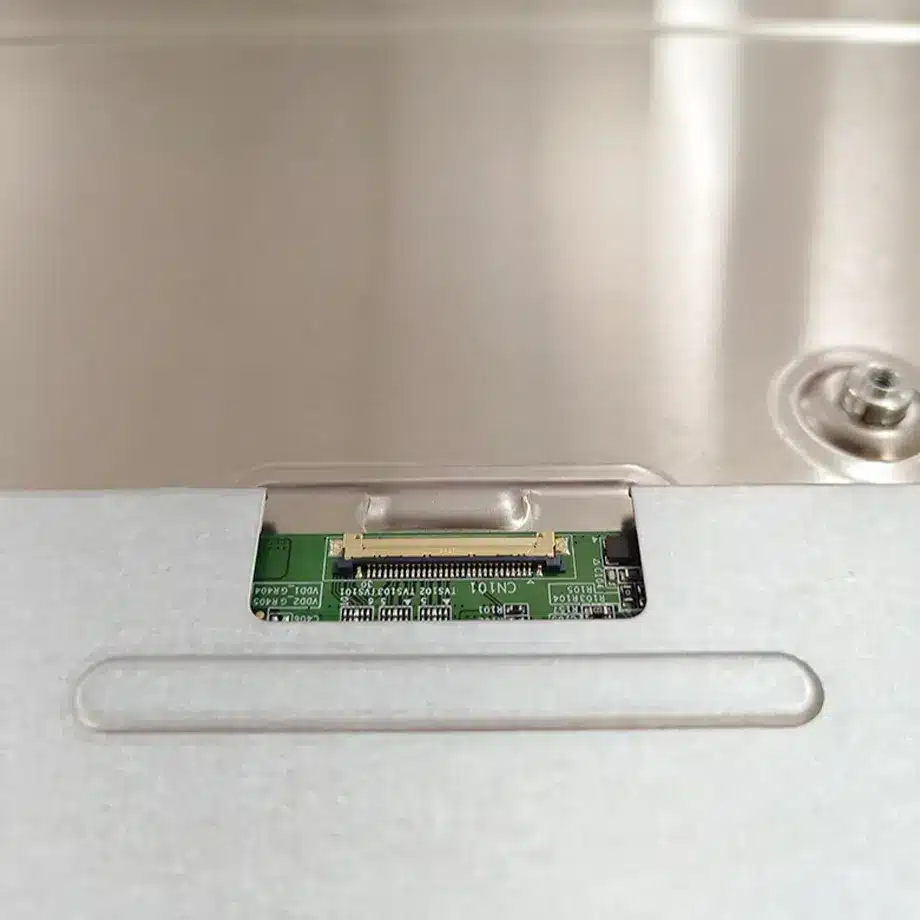
The panel runs at 60 Hz and is non-touch. It includes a 14S4P×2CN WLED backlight with a 30,000-hour source-life figure and explicitly has no backlight driver. The native interface is four-lane HBR2 eDP at 5.4 Gbit/s per lane through a 30-pin 0.5 mm connector with a 10.0 V typical panel rail. The exact-model source supports desktop-monitor, wide-gamut and three-side-borderless context. BOE's official monitor-panel page provides manufacturer-level monitor application context.
Three Core Buyer Value Propositions
1. 450 cd/m² and 97% DCI-P3 support premium UHD monitor positioning
The module combines a strong indoor luminance target with wide DCI-P3 coverage and 1.07B colors. That is useful for creator-oriented productivity, media and professional desktop interfaces where richer color than basic sRGB can add value. The component figures do not guarantee finished-monitor calibration, HDR certification or color accuracy; those require a complete backlight, controller and firmware qualification.
2. Four-lane HBR2 eDP on a 30-pin connector provides a compact UHD panel link
The exact model transports UHD data over four HBR2 lanes while using a 30-pin connector. That combination is an important sourcing boundary because connector count alone does not reveal lane assignment or power requirements. Controller designers need the exact BOE pin map and 10 V panel rail, while service teams should not assume that another 27-inch 4K eDP panel will be electrically compatible.
3. Three-side-borderless context supports modern monitor industrial design
The same-model reference describes a three-side-borderless configuration. That is useful for slim-bezel desktop-monitor products, dual-monitor workstations and visually compact 27-inch chassis. Borderless remains a design descriptor rather than a guarantee that the active image reaches the edge; final bezel opening and mechanical fit must follow the BOE drawing.
Key Specifications at a Glance
| Parameter | Confirmed value |
|---|---|
| Manufacturer / model | BOE MV270QUM-N54 |
| Display size | 27.0 inch |
| Panel type | a-Si TFT-LCD, LCM |
| Resolution | 3840(RGB)×2160, UHD, 16:9 |
| Active area | 596.736 × 335.664 mm |
| Outline | 609.4 × 355.6 × 13.7 mm |
| Weight | 2.45 kg typical / 2.60 kg maximum |
| Brightness | 450 cd/m² typical |
| Contrast | 1200:1 typical |
| Viewing | 89/89/89/89 typical at CR≥10 |
| Color | 1.07B, 97% DCI-P3 |
| Response | 14 ms typical G-to-G, unit normalized from source typo |
| Surface | Antiglare, 25% haze, 3H hard coating |
| Refresh | 60 Hz |
| Interface | eDP, 4 lanes, HBR2, 30-pin connector |
| Supply | 10.0 V typical |
| Backlight | 14S4P×2CN WLED, 30K hours, no driver |
| Touch | Without touch screen |
How Should 97% DCI-P3 Be Qualified in a Finished Monitor?
The panel-level 97% DCI-P3 specification is a wide-gamut capability, not a finished calibration result. MV270QUM-N54 30-Pin HBR2 UHD Monitor LCM should be paired with the production controller and backlight drive, then measured for gamut, white point, gamma and uniformity. If the finished monitor offers DCI-P3, sRGB or creator presets, each mode should have its own acceptance target.
Same-model public data also lists 100% sRGB coverage, which is compatible with the wide-gamut positioning. The user-supplied storage color field already contains 1.07B and 97% DCI-P3, so the production record preserves that established wording rather than replacing it with a different public metric.
Color consistency across lots
For creator-monitor programs, sample several units from new supplier lots. Wide-gamut panels can meet nominal coverage while differing in white point or uniformity. A controlled calibration profile and consistent backlight behavior are required if monitors must look similar across a fleet.
What Must Match on the 30-Pin HBR2 eDP Interface?
Four HBR2 lanes at 5.4 Gbit/s per lane carry the UHD panel stream. Verify the exact 30-pin mapping, AUX signals, grounds, connector orientation, 10 V supply and enable sequence from BOE documentation. A common pin count does not make another monitor panel interchangeable.
Signal integrity should be checked with the production cable and chassis. Run cold boot, input switching, standby/wake and repeated native UHD operation while watching for blanking, link retraining or pixel errors. Keep the approved scaler/controller firmware with the product record.
How Should the External Backlight Driver Be Designed?
The module includes a 14S4P×2CN WLED light source but no integrated driver. The monitor electronics must provide the correct current drive, protection and dimming behavior for both backlight connectors. Request the exact BOE LED electrical requirements before selecting the driver architecture.
The 30K-hour source-life figure is useful for planning but remains tied to a manufacturer test condition. LED current and enclosure temperature influence aging. Measure backlight and panel temperature after sustained operation at the intended 450-nit output and after the enclosure reaches thermal equilibrium.
What Does 25% Haze Mean for a 27-Inch UHD Monitor?
A 25% haze surface can reduce distinct reflections from windows and office lights, which is useful on a large desktop panel. The same diffusion can influence perceived micro-contrast and fine text compared with a low-haze or glossy surface. Review UHD text, spreadsheets, dark UI and photographs at realistic desk distance.
The 3H hard coating protects the surface within its test basis but should not be interpreted as scratch-proof. If the monitor adds protective films or a front cover during manufacturing, remove or validate those layers before optical acceptance because they can change haze and reflection.
How Should 450 cd/m² Be Positioned?
Four hundred fifty cd/m² typical luminance provides good headroom for bright indoor monitor use, creator work and office environments. It does not establish outdoor sunlight readability. Ambient reflection, monitor hooding and front-surface treatment determine the practical result under intense light.
If the finished monitor offers an HDR mode, do not infer certification from luminance alone. The source does not establish an HDR standard for this exact panel. The correct product position is a bright wide-gamut UHD monitor module unless the complete monitor obtains additional verified evidence.
Where Does MV270QUM-N54 Fit Best?
The supplied application is Desktop Monitor. MV270QUM-N54 30-Pin HBR2 UHD Monitor LCM fits premium office monitors, creator-oriented UHD displays, professional productivity workstations and general 27-inch 4K desktop products that value 450-nit output and wide DCI-P3 coverage. Same-model three-side-borderless context supports modern chassis designs.
The panel is non-touch and operates from 0 to 50 °C, so it should remain in the `TFT LCD Displays` inventory category rather than being reclassified as touch, industrial wide temperature or sunlight readable. The 60 Hz refresh target also keeps it outside high-refresh gaming positioning.
Why Does the Response-Time Unit Need Normalization?
The response field is clearly a G-to-G time measurement, while the source accidentally shows “mm.” The approved record uses 14 ms typical G-to-G, preserving the numeric value and physical meaning. This follows value-preserving physical-unit normalization and does not import any family-model specification.
For motion assessment, 14 ms G-to-G and 60 Hz should be tested together. The panel is designed around UHD image quality and color rather than esports motion. Avoid converting a single response number into an unsupported low-latency claim.
How Should First-Article Approval Be Structured?
Record the complete MV270QUM-N54 label, production scaler, eDP cable and external LED-driver design. Verify 10 V panel power, four-lane HBR2 training and native UHD at 60 Hz. Exercise input switching, standby/wake and repeated power cycles before optical testing.
After installation in the final chassis, measure 450 cd/m²-class luminance, gamut, contrast and visible uniformity after warm-up. Check the three-side-borderless mechanical concept against the BOE drawing and inspect cable/backlight-driver thermal behavior. Keep the approved sample and firmware as the incoming-lot reference.
How Should Incoming Lots Be Controlled?
Incoming inspection should verify the exact BOE model, 30-pin connector, panel outline and 25% haze surface. Sample units should run native UHD on the approved controller and be checked for luminance, uniformity and color consistency. A different MV270QUM suffix should remain blocked until interface, optics, mechanics and lifecycle are separately reviewed.
Public stock and production status are point-in-time sourcing data. They should not become a lead-time, stock or lifecycle guarantee. Long-running monitor products should confirm change-notification and current-production information through BOE or an authorized channel.
Procurement Checklist
- Confirm exact BOE MV270QUM-N54 model and current revision.
- Match the 609.4 × 355.6 × 13.7 mm outline and 2.60 kg maximum mass.
- Verify four-lane HBR2 eDP, the exact 30-pin map and 10 V panel supply.
- Use 450 cd/m², 1200:1 contrast and 97% DCI-P3 as optical acceptance points.
- Design an external driver for the 14S4P×2CN WLED system.
- Evaluate 25% haze with real UHD desktop content.
- Keep the normalized 14 ms response value traceable to the source typo.
- Confirm lifecycle and revision-control information before volume sourcing.
MV270QUM-N54 30-Pin HBR2 UHD Monitor LCM is a bright wide-gamut UHD BOE monitor module with a compact 30-pin HBR2 eDP link and modern borderless design context. Its production value comes from controlling the exact panel power, external backlight drive and color pipeline rather than treating any 27-inch 4K module as equivalent.
Recommended: Same Size
(27")
Applications & Value of LCD Panel

- Fast sourcing with in-stock panels & cross-reference alternatives
- Stable supply chain with long-term availability
- Engineering-level support from panel to integration
- Custom solutions: cable, touch & optical bonding
- Strict quality control with IQC / OQC / aging test
- Full traceability system for quality assurance
- Complete technical documentation & drawings
- Compliance support: RoHS & certification files
