
~
~
~
~
~
~
TCG121XGLPCPNN-AN70-TA Super-High-Bright XGA LCM Kyocera
Model P/N
Size
Resolution
Brightness
Viewing Angle
Connector Type
Operating Temp
Overall(mm)
kyocera
TCG121XGLPCPNN-AN70-TA
Brand
Panel Size (inch)
Model P/N
Resolution
Brightness (nits)
Viewing Angle
Contrast Ratio
Response Time
Overall (mm)
Active Area (mm)
Refresh Rate
Display Colors
Panel Type
Connector Type
Surface Treatment
Operating Temp
Touchscreen Type
Storage Temp
Work Mode
Pixel Format
Input Voltage (V)
Designed For
Product Details
Product Overview
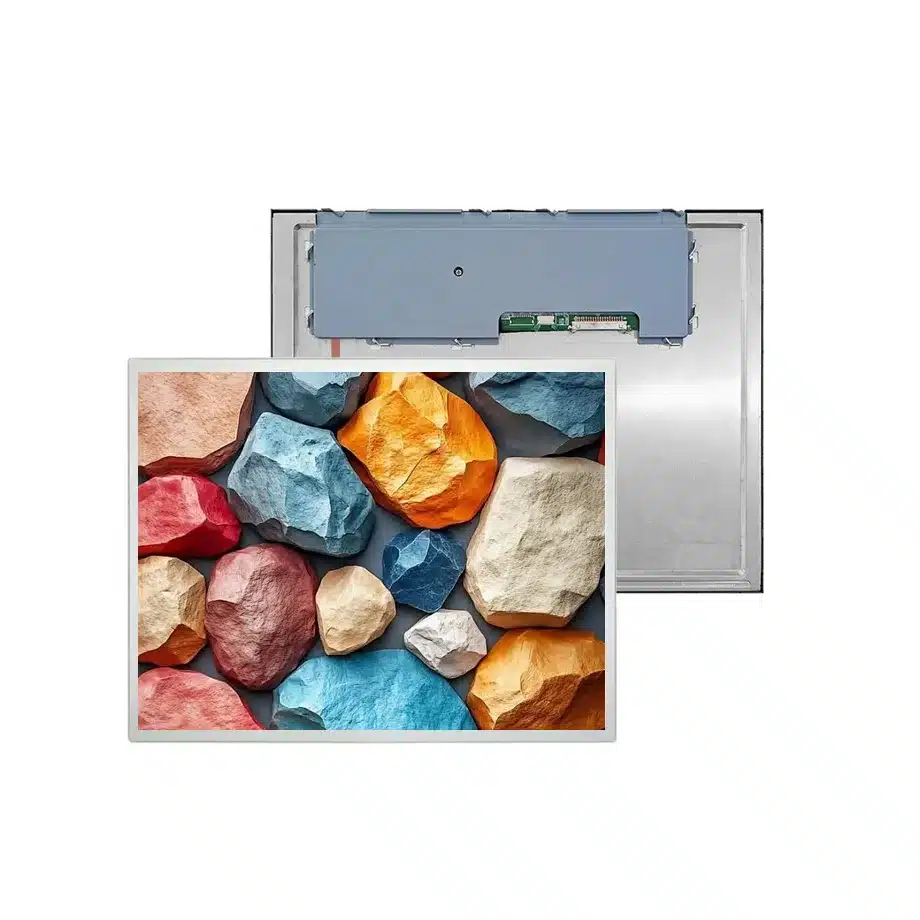
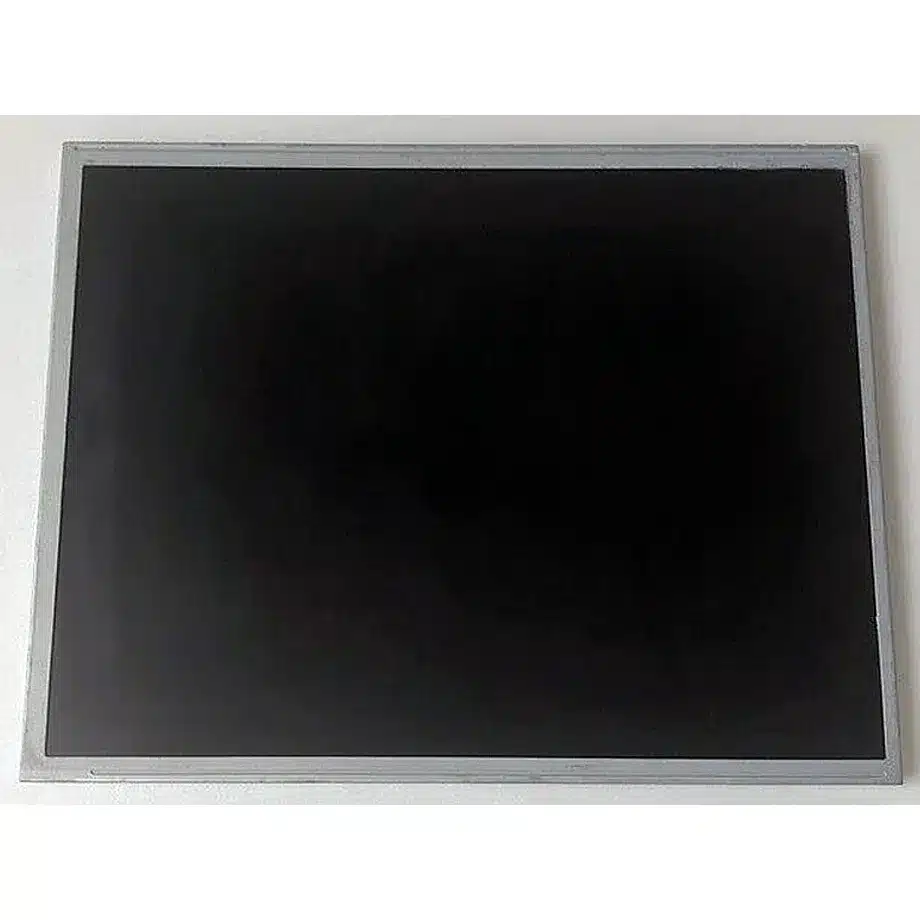
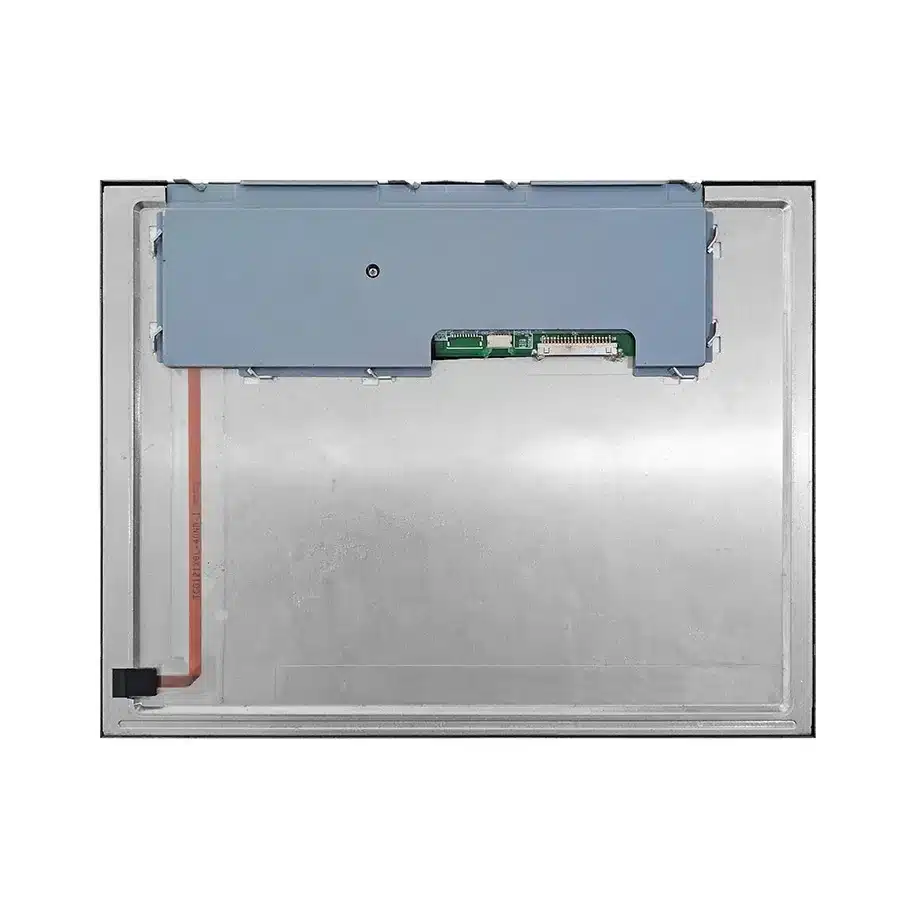
TCG121XGLPCPNN-AN70-TA Super-High-Bright XGA LCM is a 12.1-inch Kyocera a-Si TFT-LCD module for industrial and outdoor-high-brightness equipment. The user-supplied exact-model facts define 1024(RGB)×768 XGA resolution in a 4:3 aspect ratio, a 245.76 × 184.32 mm active area and a 278.3 × 209 × 10.9 mm module outline. Typical mass is 710 g. The surface is antiglare with a 3H hard coating.
The locked optical baseline is 1200 cd/m² typical luminance, 750:1 typical contrast, 80/80/80/80 typical viewing and 262K colors. The display uses Advanced Wide View normally-black transmissive operation with a 31 ms typical G-to-G response and 60 Hz refresh. A WLED backlight with integrated LED driver and a 70,000-hour source-life reference is included. The module has no touch screen.
The signal interface is single-channel 6-bit LVDS through a 20-pin connector. The supplied power field is 3.3/12.0 V typical, reflecting the exact panel/backlight power context. Operation and storage are both specified from -30 to 80 °C. Kyocera's exact-model product page and its 12.1-inch industrial TFT portfolio support the industrial and super-high-brightness application context. Where a public revision differs mechanically from the user packet, the user-supplied current-run values remain controlling.
Three Core Buyer Value Propositions
1. 1200 cd/m² directly supports outdoor-high-brightness display design
The user evidence explicitly combines Outdoor High Brightness application with a 1200-nit panel rating. That is sufficient to classify the module in the sunlight-readable/high-brightness inventory taxonomy, while still avoiding a guarantee that every finished enclosure is sunlight readable. Cover reflection, bonding, bezel shading and ambient conditions determine final outdoor contrast.
2. -30 to 80 °C operation provides a wide industrial environmental envelope
The exact component range supports equipment that may face cold starts, hot outdoor cabinets or broad seasonal temperature swings. This is a strong industrial design input, but it does not automatically qualify the complete product. Power electronics, touch components, adhesives, seals and enclosure materials need to meet the system's own temperature requirements.
3. XGA 4:3 with a 20-pin LVDS link fits established industrial platforms
The 1024×768 format provides more detail than SVGA while retaining the 4:3 geometry used by many industrial interfaces and mechanical cutouts. A single-channel 6-bit LVDS connection can integrate with established embedded controllers, but the exact 20-pin mapping and dual-voltage power context must be verified before replacing another 12.1-inch module.
Key Specifications at a Glance
| Parameter | Confirmed value |
|---|---|
| Manufacturer / model | Kyocera TCG121XGLPCPNN-AN70-TA |
| Display size | 12.1 inch |
| Panel type | a-Si TFT-LCD, LCM |
| Resolution | 1024(RGB)×768, XGA, 4:3 |
| Active area | 245.76 × 184.32 mm |
| Outline | 278.3 × 209 × 10.9 mm |
| Weight | 710 g typical |
| Brightness | 1200 cd/m² typical |
| Contrast | 750:1 typical |
| Viewing | 80/80/80/80 typical |
| Response | 31 ms typical G-to-G |
| Color | 262K |
| Display mode | Advanced Wide View, Normally Black, Transmissive |
| Refresh | 60 Hz |
| Interface | LVDS, 1 channel, 6-bit, 20-pin connector |
| Supply | 3.3/12.0 V typical |
| Backlight | WLED, 70K hours, integrated LED driver |
| Touch | Without touch screen |
| Operating / storage | -30 to 80 °C / -30 to 80 °C |
What Does 1200 cd/m² Mean for Outdoor Readability?
High luminance helps the emitted image compete with ambient light, but reflection is equally important. TCG121XGLPCPNN-AN70-TA Super-High-Bright XGA LCM should be tested with the production cover window, air gap or optical bonding, bezel and any anti-reflective treatment. A bare module can look excellent on the bench and still lose contrast outdoors behind a reflective protective lens.
Measure the final display under a defined high-ambient or sunlight condition. If the equipment uses automatic brightness control, validate the full dimming range from night operation to daytime maximum. This supports an evidence-based sunlight-readable claim for the finished product rather than relying only on the 1200-nit component figure.
Heat at maximum luminance needs attention
High-brightness operation increases backlight power and thermal load. Run the module at full intended output in the final enclosure and confirm panel, LED-driver and controller temperatures after steady state. Thermal design affects both reliability and luminance stability.
How Should the 70K-Hour WLED Figure Be Used?
The 70,000-hour source-life reference is relevant to long-duty-cycle industrial and outdoor equipment. It should be interpreted according to Kyocera's test conditions, current setting and end-of-life definition. System designers should not translate the number directly into a guaranteed number of calendar years.
Document the actual brightness duty cycle because outdoor products may run at maximum output only during daylight. Thermal conditions also change with sun loading and sealed enclosures. Request the applicable lifetime definition if the project uses the number for preventive maintenance planning.
What Must Match on the 20-Pin LVDS Interface?
The module uses one 6-bit LVDS channel through a 20-pin connector. Verify the exact Kyocera pair mapping, clock, grounds, control signals and both power requirements from the approved drawing. A 20-pin LVDS connector is not a universal industrial standard, and the 3.3/12.0 V power context makes blind substitution particularly risky.
Bring up native XGA at 60 Hz with the production controller and cable. Exercise cold starts, power cycling and no-signal recovery across representative temperatures. Keep the controller firmware, cable and power implementation together in the approved BOM.
How Should -30 to 80 °C Operation Be Qualified?
The wide component range directly supports industrial/wide-temperature taxonomy. At low temperature, verify startup, liquid-crystal response and backlight behavior. At high temperature, check luminance, uniformity and image stability after the enclosure reaches thermal equilibrium. The final product should be qualified to its own environmental requirement, not simply inherit the panel limits.
Outdoor systems should also consider solar loading, condensation, ingress protection and rapid temperature transitions. Those are system concerns outside the LCD data sheet but can dominate field reliability.
Where Does TCG121XGLPCPNN-AN70-TA Fit Best?
The user-supported applications are Industrial and Outdoor High Brightness. TCG121XGLPCPNN-AN70-TA Super-High-Bright XGA LCM fits outdoor HMIs, transportation information terminals, agricultural equipment, factory interfaces and other embedded systems that need a 12.1-inch XGA 4:3 screen with very high luminance and wide temperature capability. These are compatible scenarios rather than claims of certification or exact fit for a named machine.
The two strongest inventory classifications are therefore Industrial & Wide Temperature LCD Panels and Sunlight Readable High Brightness LCD Display. The base module is non-touch; an interactive system requires a separately qualified touch layer that preserves the required brightness and environmental behavior.
How Should Public Mechanical Revision Differences Be Handled?
Kyocera public material for the same model can present a different depth than the user-supplied 10.9 mm value. The production record must preserve the locked current-run dimension. Procurement should use that discrepancy as a prompt to confirm the exact drawing/revision delivered by the supplier rather than overwriting one source with another.
This is especially important for retrofit projects where a few tenths of a millimeter can affect mounting, front-window clearance or cable routing. Record the physical label and drawing revision during first-article approval.
How Should XGA 4:3 UI Content Be Evaluated?
XGA offers 1024×768 pixels, which can support denser industrial graphics, trend plots and diagnostic pages than SVGA while preserving 4:3 geometry. Test the actual HMI software at native resolution and normal operator distance. Avoid unnecessary scaling that can soften text or distort controls.
The 262K color specification is suitable for typical control graphics but should not be positioned as wide-gamut imaging. If an application needs precise color reproduction, that is a separate requirement and may call for another display configuration.
How Should First-Article Approval Be Structured?
Record the exact TCG121XGLPCPNN-AN70-TA label, drawing revision, production controller and 20-pin cable. Verify the 3.3/12.0 V power implementation and native 1024×768 at 60 Hz. Test cold boot, brightness control and repeated power cycles before environmental qualification.
Install the panel behind the production front window and measure luminance and ambient contrast. Confirm the locked 278.3 × 209 × 10.9 mm envelope and 710 g typical mass. Add hot/cold tests and long-duration high-brightness operation if those conditions reflect the field use.
How Should Incoming Lots Be Controlled?
Incoming inspection should verify the full model suffix, 20-pin connector, module envelope and antiglare surface. Sample new lots using the approved controller for native XGA output and high-brightness operation. Any proposed replacement should be separately qualified for brightness, temperature, pinout and mechanics.
Public production and stock references are time-sensitive. They should not be converted into stock, lead-time or lifecycle guarantees. For long-life industrial products, confirm current revision and change-notification information with Kyocera or an authorized channel.
Procurement Checklist
- Confirm exact TCG121XGLPCPNN-AN70-TA identity and delivered revision.
- Preserve the locked 278.3 × 209 × 10.9 mm outline and 710 g typical mass.
- Verify one-channel 6-bit LVDS and the exact 20-pin mapping.
- Qualify the 3.3/12.0 V power requirements and startup sequence.
- Use 1200 cd/m² and 750:1 contrast as the locked optical baseline.
- Validate -30 to 80 °C operation and the finished outdoor optical stack.
- Confirm the 70K-hour WLED test basis for lifecycle planning.
- Confirm revision and supply-change information before volume sourcing.
TCG121XGLPCPNN-AN70-TA Super-High-Bright XGA LCM is a super-high-brightness XGA industrial module with a wide environmental range and a compact LVDS interface. Its strongest value is realized when the high-luminance optical stack, dual-voltage power context and exact mechanical revision are qualified together in the finished equipment.
Recommended: Same Size
(12.1")
Applications & Value of LCD Panel

- Fast sourcing with in-stock panels & cross-reference alternatives
- Stable supply chain with long-term availability
- Engineering-level support from panel to integration
- Custom solutions: cable, touch & optical bonding
- Strict quality control with IQC / OQC / aging test
- Full traceability system for quality assurance
- Complete technical documentation & drawings
- Compliance support: RoHS & certification files
