
~
~
~
~
~
~
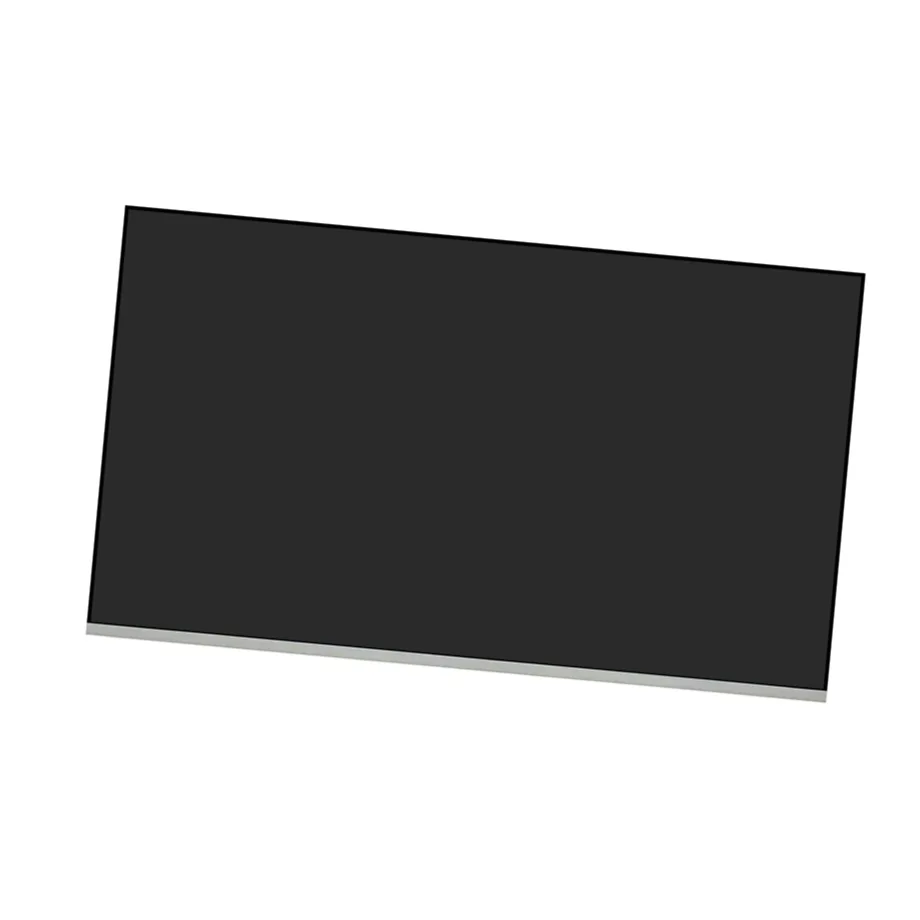
M320MAN01.0 8K HDR1200 1152-Zone Monitor Panel AUO
Model P/N
Size
Resolution
Brightness
Viewing Angle
Connector Type
Operating Temp
Overall(mm)
auo
M320MAN01.0
Brand
Panel Size (inch)
Model P/N
Resolution
Brightness (nits)
Viewing Angle
Contrast Ratio
Response Time
Overall (mm)
Active Area (mm)
Refresh Rate
Display Colors
Panel Type
Connector Type
Surface Treatment
Operating Temp
Touchscreen Type
Storage Temp
Work Mode
Pixel Format
Input Voltage (V)
Vibration Resistance
Weight (g)
Designed For
Product Details
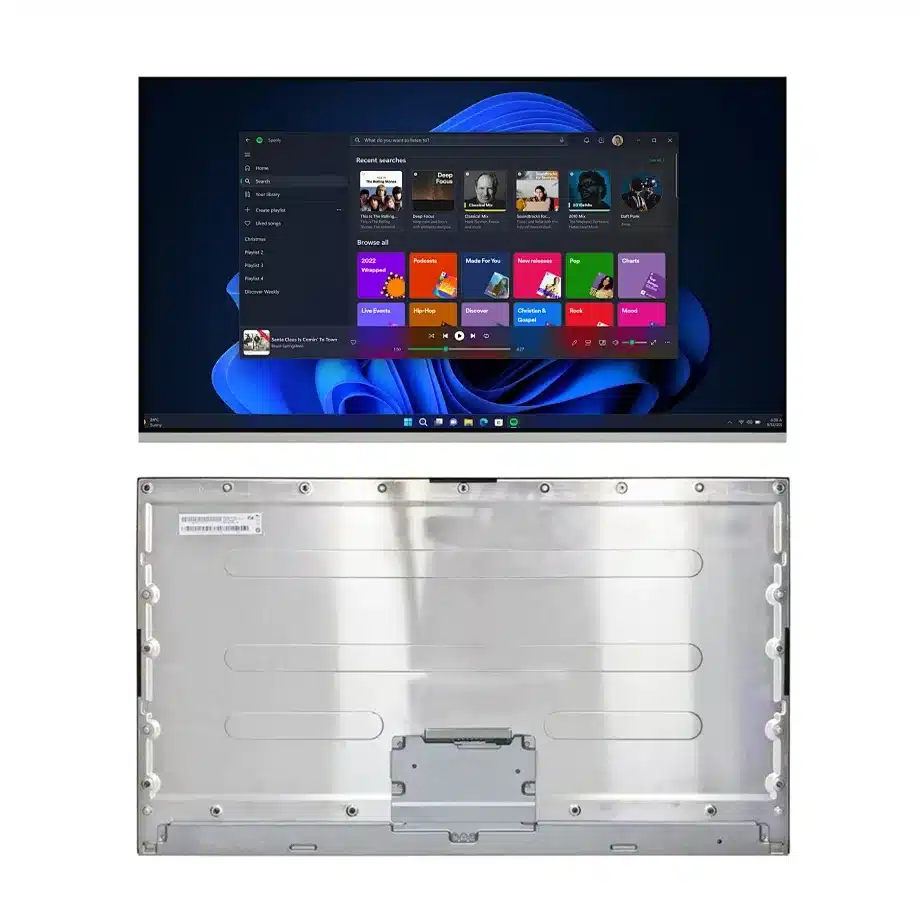
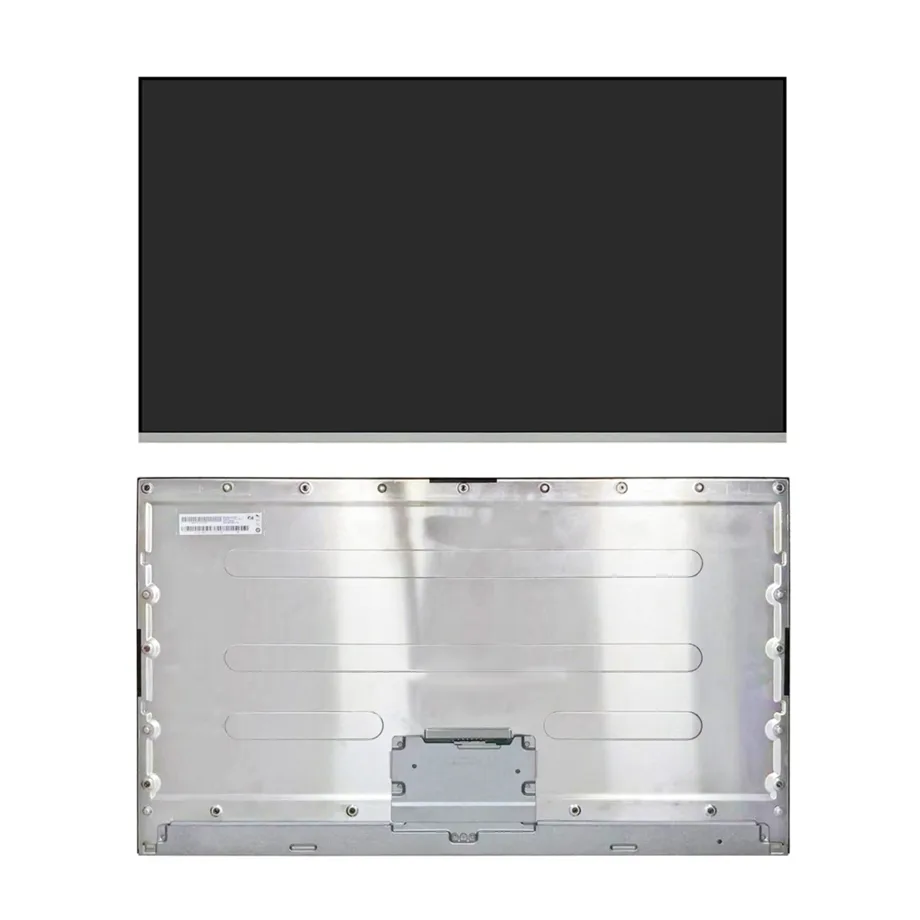
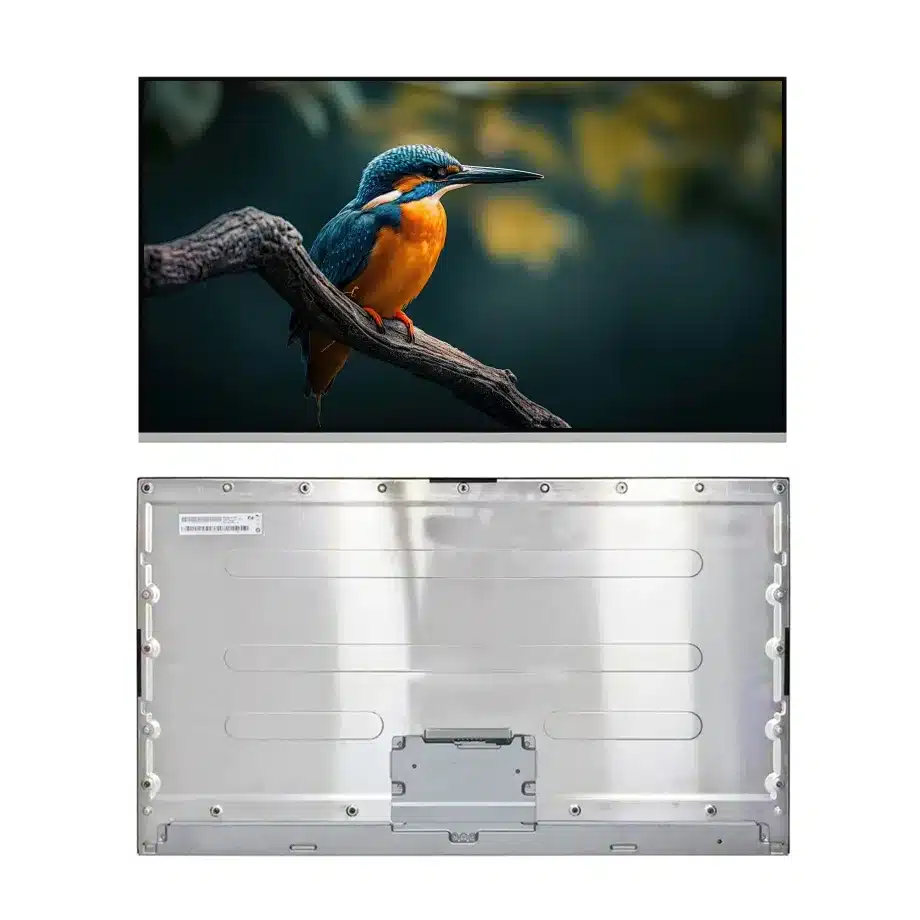
M320MAN01.0 8K HDR1200 1152-Zone Monitor Panel is a 32-inch AUO a-Si TFT-LCD module built around a 7680×4320 8K image. The documented configuration specifies 400 cd/m² typical luminance with HDR1200 wording, 1.07B colors, 99% DCI-P3, a 65 Hz frame rate and a WLED system with an integrated driver and 1152-zone configuration. Four-lane HBR2 eDP connects through a 102-pin 0.5 mm connector, while the panel uses a 12.0 V typical supply.
The design challenge is not simply pixel count. An 8K 32-inch monitor needs a validated transport/timing strategy, substantial power and thermal planning, zone-control behavior and a mechanically stiff chassis for a panel weighing 5.63±0.28 kg. The exact width and height are known at 721.68×417.87 mm, but reliable exact-model evidence does not resolve module thickness, so that field remains blank rather than being inferred from another 32-inch AUO display.
Three buyer value propositions
8K 7680×4320 workspace for high-detail desktop monitors
The 32-inch native 8K image provides a very high pixel density for detailed desktop, imaging or multi-window applications. Buyer value comes from a defined panel resolution and 65 Hz target that can be matched to the scaler/graphics architecture and tested as a complete transport path rather than assumed from the eDP label alone.
1152-zone WLED configuration with HDR1200 wording
The documented configuration combines a zone-based WLED backlight, integrated driver and HDR1200 terminology. This gives engineers a concrete backlight-control and thermal test agenda. It does not automatically establish finished-monitor HDR certification, peak-luminance behavior or zone algorithm quality, all of which depend on system implementation.
99% DCI-P3 and true high-bit-depth color volume
The panel record lists 1.07B colors and 99% DCI-P3 wording. These are meaningful inputs for professional or premium monitor positioning, while final white point, gamma and color-error accuracy remain dependent on scaler processing, calibration and operating brightness. Component gamut is the starting point, not the final calibrated result.
Key Specifications at a Glance
M320MAN01.0 8K HDR1200 1152-Zone Monitor Panel should be qualified against the following exact-model baseline before production release.
| Brand | AUO |
|---|---|
| Model P/N | M320MAN01.0 |
| Size | 32.0 inch |
| Resolution | 7680(RGB)×4320, 8K UHD, 16:9 |
| Active Area | 708.48(H)×398.52(V) mm |
| Overall | 721.68×417.87 mm (H×V); thickness unresolved |
| Brightness | 400 cd/m² (Typ.), HDR1200 wording |
| Viewing Angle | 89/89/89/89 (Typ.)(CR≥10) |
| Display Colors | 1.07B, 99% DCI-P3 |
| Weight | 5.63±0.28 kg |
| Refresh Rate | 65 Hz |
| Connector / Native Interface | eDP (4 Lanes), HBR2 (5.4G/lane), 102 pins 0.5 mm connector |
| Input Voltage | 12.0 V (Typ.) |
| Operating Temperature | 0 ~ 50 °C |
| Storage Temperature | -20 ~ 60 °C |
| Vibration | 1.5G (14.7 m/s²) |
| Panel Type | a-Si TFT-LCD, LCM |
| Pixel Format | RGB Vertical Stripe |
| Surface Treatment | Antiglare (Haze 42%), Hard coating (3H) |
| Contrast Ratio | 1000:1 (Typ.) |
| Response Time | 14 ms (Typ.)(G to G) |
| Work Mode | AHVA, Normally Black, Transmissive |
| Backlight / Emission | 30,000 hours (WLED, integrated LED driver, 1152-zone configuration) |
| Total Power | 214.8 W (Typ.) |
| Designed For | Desktop monitor integration; 32-inch 8K high-resolution monitor platforms |
| Touchscreen Type | Without touch screen |
Transport architecture for an 8K panel
The panel-facing interface is documented as four-lane HBR2 with a 102-pin connector. Validate the exact timing and any model-specific transport behavior on the production electronics rather than assuming a generic four-lane 8K implementation. Test cold boot, source changes, sleep/wake and sustained native-resolution content. If the scaler or bridge architecture changes, rerun the 8K path. Preserve firmware and cable revisions because high pixel count makes timing and signal-path assumptions especially consequential.
Zone-control validation with the documented backlight
The backlight is described as WLED with an integrated driver and 1152-zone configuration. Build tests using dark scenes, bright highlights, mixed windows and full-field content to observe zone transitions, blooming, pumping and brightness stability. The panel facts establish the hardware configuration, not the finished algorithm. Keep local control firmware, dimming curves and thermal behavior in the system release package. Do not replace the 1152-zone current-run value with a conflicting family or marketplace figure.
HDR1200 wording and the 400-nit typical value
Both pieces of evidence should remain visible. The panel record lists 400 cd/m² typical luminance and HDR1200 wording, so the finished monitor must establish how peak behavior, sustained brightness, tone mapping and thermal limits work in its own implementation. Do not silently convert HDR terminology into a different typical-luminance value. Formal certification, if relevant, belongs to the completed product and should be checked independently of the component listing.
Color management for 99% DCI-P3
Use 99% DCI-P3 and 1.07B colors as component-level capabilities. Professional applications may require tighter control of white point, gamma, grayscale tracking and Delta-E. Those results depend on the scaler/LUT path, calibration process and brightness setting. Measure assembled units with the actual backlight-zone behavior active. A high-gamut panel can still produce inconsistent finished color if factory calibration or system processing is not controlled.
Power budgeting from the 214.8 W component figure
The supplied total power is 214.8 W typical for the panel configuration. Add scaler, bridge, power conversion, USB/network and other monitor electronics to build the finished system budget. Verify the 12.0 V distribution, connector current capacity and voltage drop under high-area bright content. Zone-based backlight loading can vary with image content, so use representative worst-case patterns rather than a dark desktop when validating power and thermal headroom.
Thermal behavior across a large 32-inch surface
The panel operating boundary is 0 to 50 °C. Instrument the backlight and electronics region during long native-resolution workloads at high brightness, especially in a thin chassis. Large displays can develop thermal gradients that affect brightness uniformity or electronics margin. The integrated LED driver simplifies the external power architecture but does not remove the need for heat-spreading and ventilation. Any brightness derating policy should be based on measured system data.
Mechanical support for a 5.63 kg class module
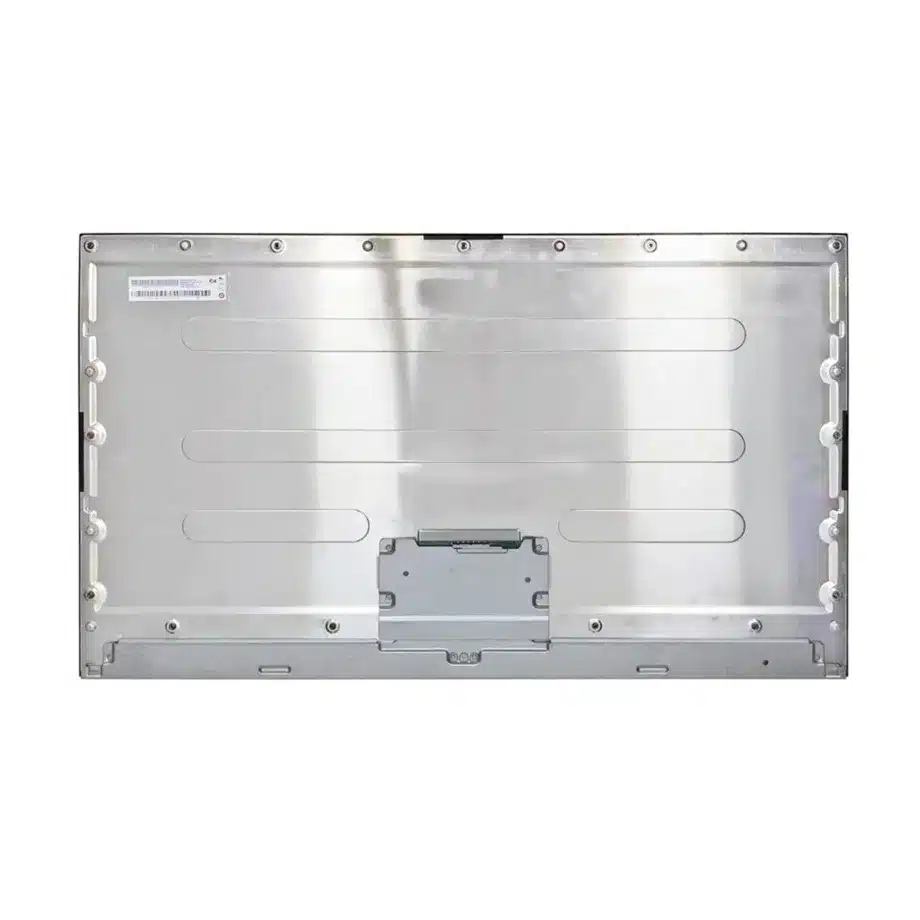
At 5.63±0.28 kg, the display is a significant structural component. Use the exact 721.68×417.87 mm width/height and the manufacturer drawing for mounting points, connector clearance and support. Because thickness is not resolved, do not freeze rear-housing clearance from an assumed family value. Chassis flex, stand loads and transport shock should be evaluated on a complete sample. Even pressure and secure cable retention are essential for a large high-resolution panel.
Response behavior at 65 Hz
The exact response is 14 ms typical G-to-G, independently corroborated for this model. At 65 Hz, evaluate scrolling text, detailed imagery and video transitions on the intended scaler. If the monitor adds overdrive, qualify overshoot and dark transitions separately because no OD-specific response value is established in the current product record. Motion performance should be described using the actual released drive mode rather than extrapolating from unrelated high-refresh gaming panels.
Incoming inspection and zone-function sampling
Receiving should verify the exact model identity, connector condition, panel surface and any agreed cosmetic criteria. A sampled functional check can confirm native-resolution image stability and representative zone behavior before a lot enters assembly. If a supplier lot changes backlight control, firmware-visible timing or mechanical construction, route it to engineering review rather than accepting it automatically. Availability information should remain separate from technical qualification and lifecycle claims.
Release dossier for a high-complexity 8K monitor
For M320MAN01.0 8K HDR1200 1152-Zone Monitor Panel, preserve the 8K timing, 102-pin cable definition, 12 V power design, 214.8 W budget, zone-control settings, color/HDR acceptance, thermal results and exact mechanical drawing. Track the unresolved thickness explicitly. A future 32-inch 8K candidate must be compared against the complete package because pixel count alone does not establish backlight, power, color or mechanical equivalence.
8K pixel-density inspection and defect visibility
A 32-inch 8K panel has very high pixel density, which changes how pixel defects, subpixel contamination and scaling artifacts are perceived. Define inspection distance, test patterns and allowed cosmetic criteria at the finished-product level. Native 8K patterns should be included so the scaler path and panel are both exercised. This gives manufacturing an objective screen and prevents acceptance criteria from being copied from a lower-resolution monitor where visible defect behavior may differ.
Zone behavior under desktop productivity content
Zone-controlled backlights are often evaluated with HDR video, but desktop windows, text and bright UI elements can expose different halo or transition behavior. Test static toolbars, white documents on dark backgrounds, moving windows and mixed-content layouts. The objective is not to promise perfect local dimming; it is to establish the behavior of the released algorithm for the monitor's intended use and to preserve that baseline through firmware changes.
Chassis transport and stand-load validation
The panel mass and large area make shipping and stand design part of display reliability. Evaluate the assembled monitor through handling, tilt and transport simulations appropriate to the product, then inspect connector seating, surface pressure and image uniformity. Keep those system-level results separate from the panel's 1.5G component vibration reference. A mechanically stable monitor depends on the complete enclosure and stand structure, not the panel specification alone.
Engineering and sourcing review
M320MAN01.0 8K HDR1200 1152-Zone Monitor Panel should remain tied to the exact interface, mechanical evidence, optical acceptance and system configuration used during qualification. Preserve the approved cable, drawing, firmware or scaler baseline, and rerun the affected checks whenever those dependencies change. This approach supports controlled sourcing without implying universal compatibility, certification, guaranteed lifecycle, stock, MOQ or lead time.
Recommended: Same Size
(32")
Applications & Value of LCD Panel

- Fast sourcing with in-stock panels & cross-reference alternatives
- Stable supply chain with long-term availability
- Engineering-level support from panel to integration
- Custom solutions: cable, touch & optical bonding
- Strict quality control with IQC / OQC / aging test
- Full traceability system for quality assurance
- Complete technical documentation & drawings
- Compliance support: RoHS & certification files
