~
~
~
~
~
~
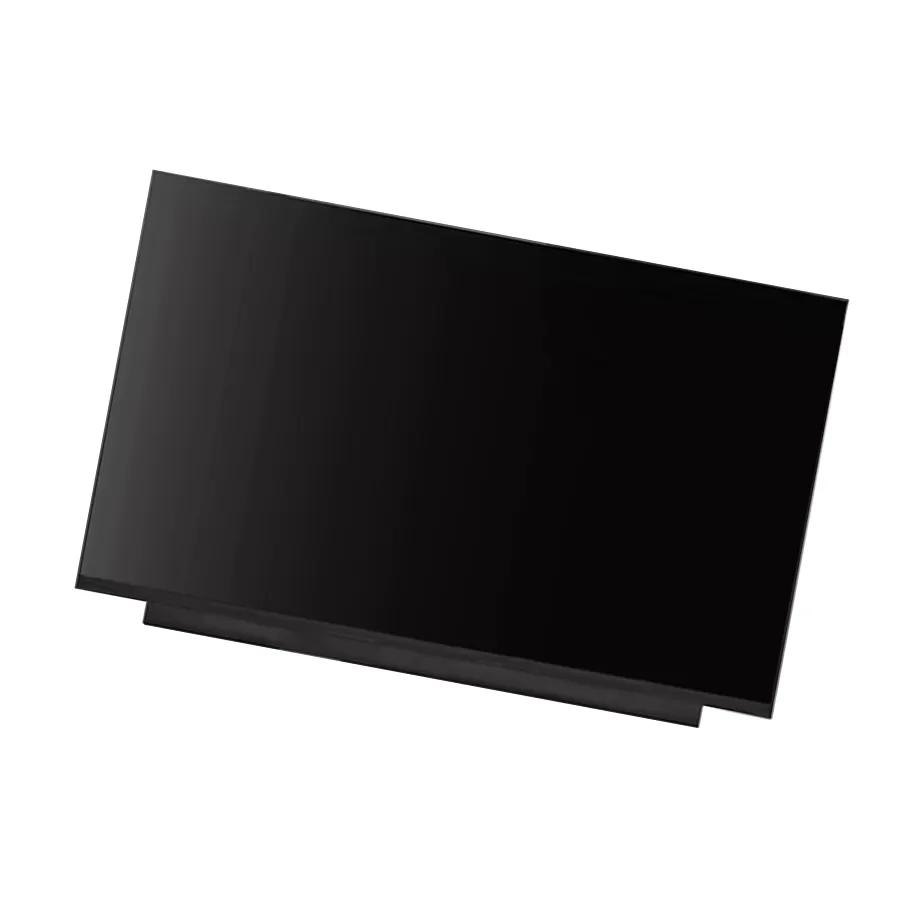
QMC315AA01-D01 32-Lane V-by-One OLED Module 32 Inch Samsung
Model P/N
Size
Resolution
Brightness
Viewing Angle
Connector Type
Operating Temp
Overall(mm)
samsung
QMC315AA01-D01
Brand
Panel Size (inch)
Model P/N
Resolution
Brightness (nits)
Viewing Angle
Contrast Ratio
Response Time
Overall (mm)
Active Area (mm)
Refresh Rate
Display Colors
Panel Type
Connector Type
Surface Treatment
Operating Temp
Touchscreen Type
Storage Temp
Work Mode
Pixel Format
Input Voltage (V)
Weight (g)
Designed For
Product Details
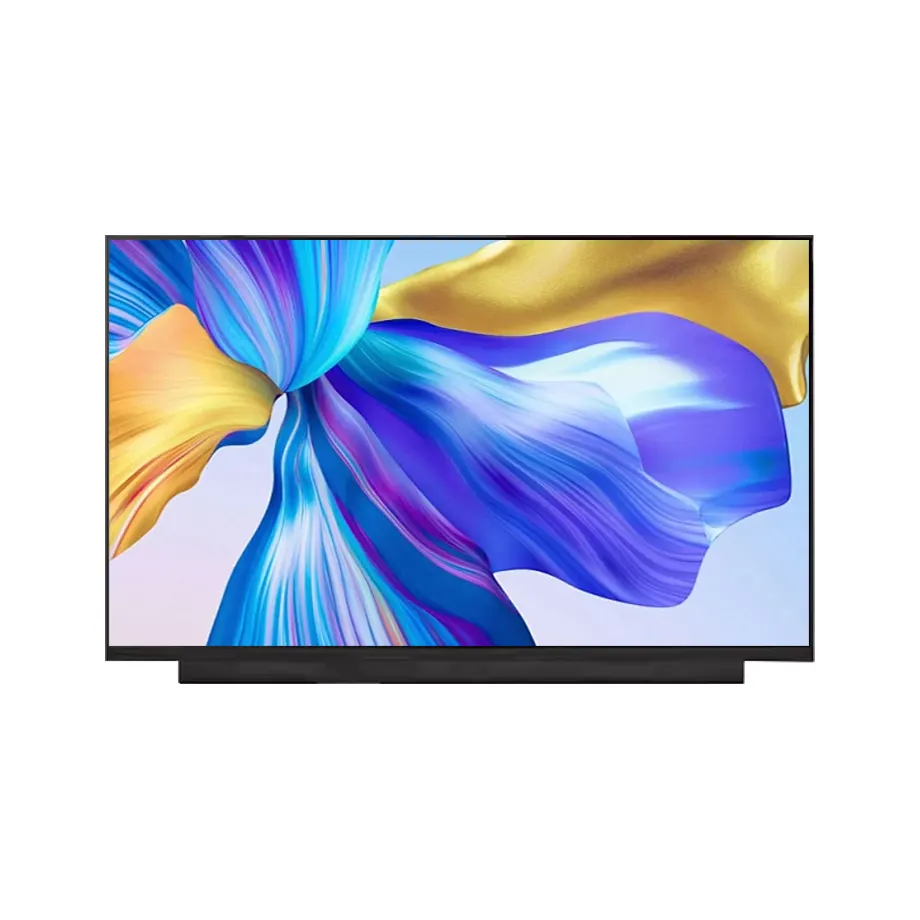
QMC315AA01-D01 32-Lane V-by-One OLED Module is a 32.0-inch Samsung AM-OLED full module for desktop-monitor and gaming integration, combining 3840×2160 UHD resolution, 240 Hz refresh, self-emissive operation and a 32-lane V-by-One native interface. The active area is 699.48 × 394.73 mm inside a 714.28 × 405.13 mm outline, with a maximum panel mass of 1.19 kg. The supplied exact-model data lists 250 cd/m² typical brightness with HDR400, 1.07 billion colors with 99% DCI-P3 coverage, a 1,500,000:1 typical contrast ratio and 0.1 typical gray-to-gray response. It is a component OLED module rather than a finished monitor, so controller timing, power, mechanics, thermal design and system compliance remain integration responsibilities.
Product overview: high-refresh 4K OLED for monitor engineering
The native 3840×2160 image uses a 16:9 format and a Q-Square pixel layout. Viewing angles are specified at 89/89/89/89 minimum at CR≥10000, while the surface uses antireflection treatment with 2H hard coating. The color specification includes 1.07B colors, 99% DCI-P3 and Low Blue Light as listed features. These panel-level values create a strong optical starting point for premium monitor designs, but final color accuracy, tone mapping, white point and HDR behavior depend on the complete monitor electronics and calibration.
The module is self-emissive and lists a 30,000-hour light-source reference. Unlike a transmissive LCD, it does not need a separate WLED backlight, light guide or LED driver. That removes conventional backlight integration while increasing the importance of OLED drive strategy, content-dependent power, thermal management and image-retention mitigation. The 117.1 W typical power figure is a component specification under defined conditions and should be evaluated against the monitor's real duty cycle rather than treated as a universal consumption result.
Three Core Buyer Value Propositions
1. 4K UHD at 240 Hz establishes a demanding but clear gaming target
The combination of 3840×2160 native resolution and 240 Hz refresh is the model's strongest system-level trigger. It gives monitor engineers a concrete requirement for controller bandwidth, frame delivery and signal integrity instead of a vague high refresh claim. The panel capability does not guarantee 4K 240 Hz from every graphics source; the complete video pipeline, internal controller and V-by-One link must be designed and validated for the exact timing.
2. Self-emissive OLED, 99% DCI-P3 and 1.07B colors support premium image design
The exact-model specification combines OLED's self-emissive architecture with 99% DCI-P3 coverage and 1.07 billion colors. These are useful inputs for wide-gamut gaming and content displays. They do not guarantee calibrated output or a particular Delta E value. Controller processing, tone curves, factory calibration, firmware and the finished front optical stack can all influence measured performance, so any formal color claim should be based on the completed monitor.
3. A defined 32-lane V-by-One interface narrows controller qualification
The native panel interface is V-by-One with 32 lanes through a 163-pin 0.5 mm connector. That gives the electronics team a specific architecture to design around. It should not be interpreted as a consumer input such as HDMI or DisplayPort. Those connectors, if present on the final monitor, belong to the scaler/controller board, which must convert system inputs to the exact V-by-One timing and electrical behavior required by the panel.
Key Specifications at a Glance
| Specification | QMC315AA01-D01 value |
|---|---|
| Display size | 32.0 inch |
| Panel type | AM-OLED, OLED full module |
| Resolution | 3840×2160 UHD, 16:9 |
| Active area | 699.48 × 394.73 mm |
| Outline | 714.28 × 405.13 mm |
| Weight | 1.19 kg max. |
| Brightness | 250 cd/m² typ.; HDR400 listed |
| Contrast | 1,500,000:1 typ. |
| Response | 0.1 typ. gray-to-gray |
| Color | 1.07B, 99% DCI-P3, Low Blue Light |
| Refresh rate | 240 Hz |
| Interface | V-by-One, 32 lanes, 163-pin 0.5 mm connector |
| Input rails | 10.5 / 21.5 V typ. (VDD / ELVDD) |
| Touch | Without touch screen |
| Operating / storage | 0 to 45°C / -20 to 60°C |
How should 240 Hz and the V-by-One link be validated?
QMC315AA01-D01 32-Lane V-by-One OLED Module should be tested with the exact native timing rather than qualified only by showing a static 4K image. At 240 Hz, the internal data path must sustain the required bandwidth while maintaining stable lane mapping and signal integrity. The 163-pin connector, cable design, power sequencing and controller firmware are part of that validation. Monitor inputs such as HDMI or DisplayPort need a controller architecture capable of delivering the panel's native V-by-One output.
Engineering samples should be exercised through cold boot, mode changes, sleep/wake, sustained high-refresh content and representative gaming workloads. Watch for link instability, image corruption, thermal rise and timing-related artifacts. A controller advertised for 4K gaming is not automatically compatible with this exact module; model-specific timing and electrical documentation remain the basis for hardware release.
What do HDR400 and 250 cd/m² mean together?
The exact model data lists 250 cd/m² typical brightness and HDR400 as a feature. Those statements should be preserved without turning them into an unsupported universal peak-luminance claim. HDR behavior can depend on measurement window, drive mode, firmware and content. The finished monitor should be tested under the intended HDR mode and any certification claim should be tied to the completed product, not inferred from the bare module specification.
The self-emissive architecture can produce very dark black levels, which is consistent with the specified high contrast ratio. Nevertheless, ambient reflections, antireflection treatment, room lighting and display calibration affect perceived contrast. A gaming monitor intended for bright environments should therefore be evaluated as an assembled product rather than assuming the panel-level luminance alone determines visibility.
Color, response and motion boundaries
The panel lists 1.07B colors and 99% DCI-P3, giving a strong wide-gamut basis. The 0.1 gray-to-gray response entry is also relevant to motion-focused applications. The source row presents the response unit inconsistently, but the field itself and exact-model web evidence identify it as response time; public wording therefore keeps the engineering meaning without using the erroneous dimensional unit. Formal color or response claims should still be verified using the finished monitor's test method.
Overdrive behavior, frame pacing, GPU output, firmware and thermal conditions can influence perceived motion even when the OLED response itself is fast. For procurement, the panel response figure is a useful component screen, not a complete promise of end-to-end gaming latency. Input lag and processing delay belong to the monitor controller and software path.
Power and thermal integration
The module uses 10.5 V and 21.5 V typical input rails for VDD and ELVDD and lists 117.1 W typical power usage. These values should be handled as exact-model electrical inputs, not as a complete power-sequence specification. The design should follow the current panel document for sequencing, inrush, protection and connector current requirements. Power architecture also needs headroom for the controller board and other monitor electronics.
Operation is specified from 0 to 45°C and storage from -20 to 60°C. Sustained OLED brightness and 240 Hz workloads can produce thermal conditions different from office idle use, so the finished chassis should be evaluated at representative worst-case content and ambient temperature. These component limits do not establish industrial or rugged qualification.
Application fit: desktop monitor and gaming systems
Desktop Monitor and Gaming are documented exact-model applications. That makes the module appropriate for engineering evaluation in premium 32-inch 4K gaming monitors where a 240 Hz OLED architecture is desired. It does not establish compatibility with a particular commercial monitor model or controller board. Exact timing, connector, mechanics and firmware must be matched for the intended design.
The panel is supplied without touch, so any interactive monitor concept would require a separately engineered touch solution whose optical and mechanical impact must be requalified. The module should also not be described as a complete monitor: enclosure, stand, consumer inputs, audio, USB functions, scaler features and regulatory compliance are system-level responsibilities.
Procurement and qualification checklist
Confirm QMC315AA01-D01 identity and revision on the received label, then compare the 714.28 × 405.13 mm outline, 699.48 × 394.73 mm active area and maximum mass with the chassis. Verify the 163-pin connector, 32-lane V-by-One path, 10.5/21.5 V rails and native 3840×2160 240 Hz timing. Record the antireflection 2H surface and no-touch configuration so later substitutions do not silently change the optical stack.
Optical testing should cover normal and HDR modes, wide-gamut behavior, dark scenes, uniformity and motion. Electrical testing should cover startup, shutdown, mode switching and sustained 240 Hz operation. QMC315AA01-D01 32-Lane V-by-One OLED Module should reach volume approval only after the complete monitor architecture demonstrates stable electrical, optical and thermal performance; stock, lead time and lifecycle require separate current procurement confirmation.
For change control, keep the panel revision, controller firmware, cable revision and approved timing file together in the qualification record. A future module revision or controller substitution should trigger a bounded retest of link stability, HDR behavior, color and thermals before it enters the same approved BOM position.
Engineering summary
QMC315AA01-D01 32-Lane V-by-One OLED Module combines a 32-inch 4K OLED image, 240 Hz refresh, 99% DCI-P3, self-emissive high contrast and a 32-lane V-by-One interface in a module explicitly positioned for desktop monitors and gaming. Its value is the specificity of those engineering inputs. Controller conversion, power sequencing, thermal design, calibration, enclosure and any finished-product HDR or compliance claim must be validated at system level.
Recommended: Same Size
(32")
Applications & Value of LCD Panel

- Fast sourcing with in-stock panels & cross-reference alternatives
- Stable supply chain with long-term availability
- Engineering-level support from panel to integration
- Custom solutions: cable, touch & optical bonding
- Strict quality control with IQC / OQC / aging test
- Full traceability system for quality assurance
- Complete technical documentation & drawings
- Compliance support: RoHS & certification files