~
~
~
~
~
~
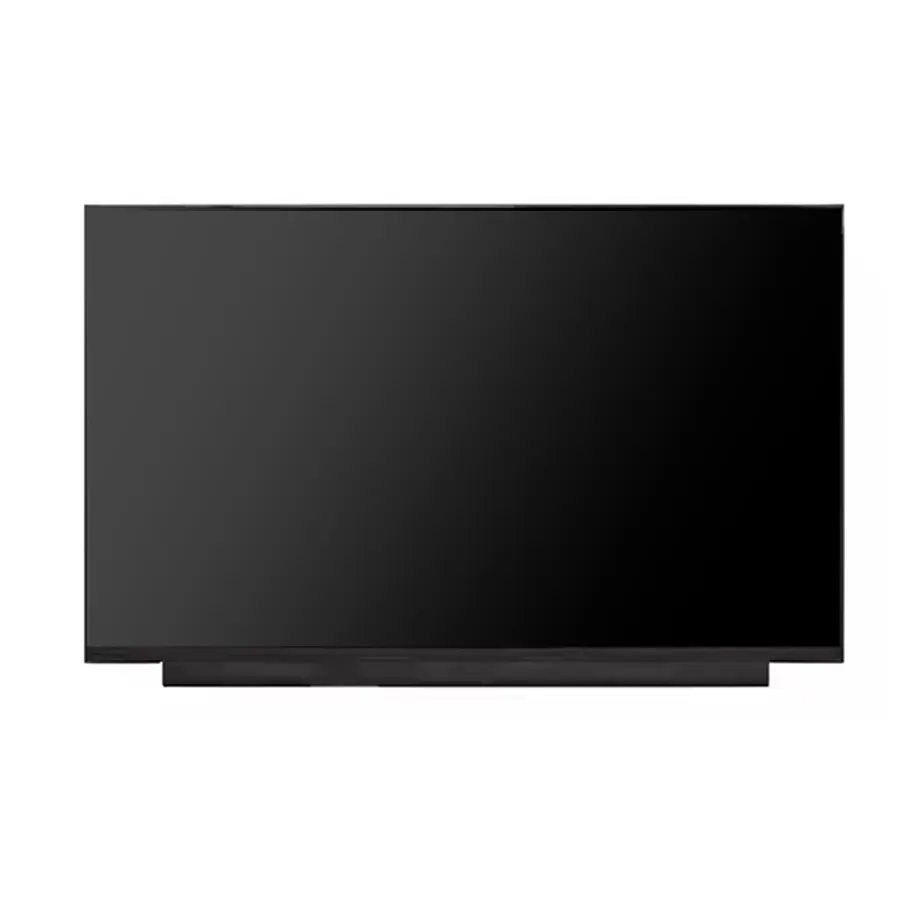
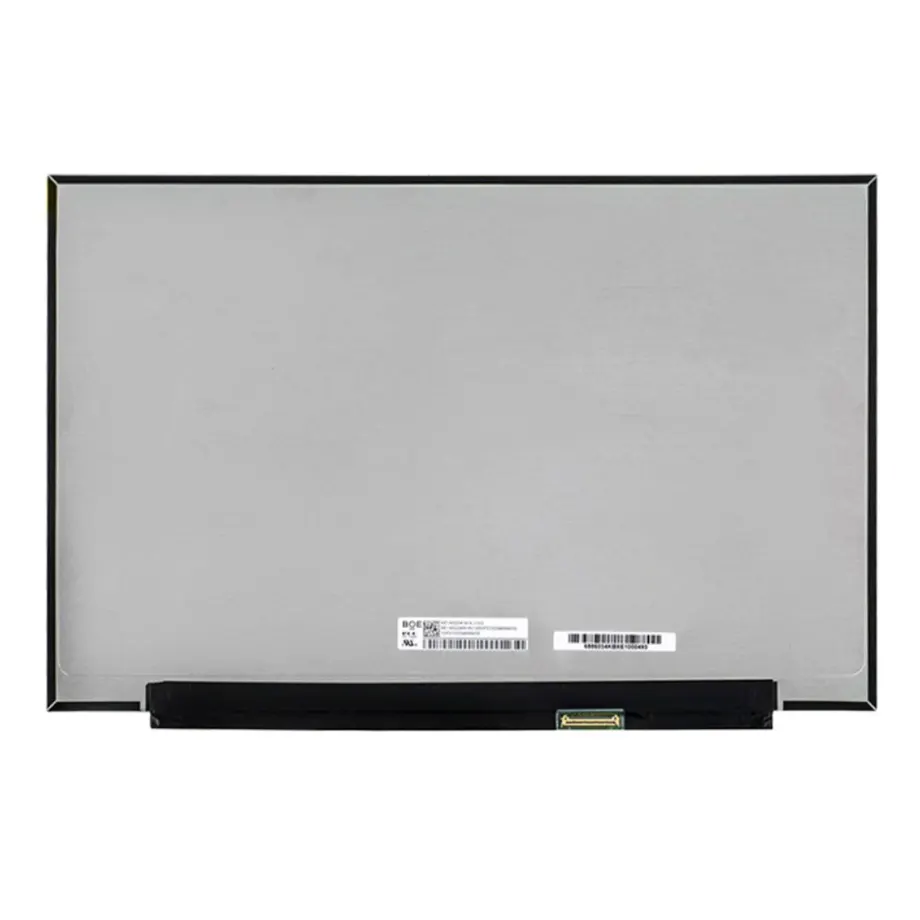
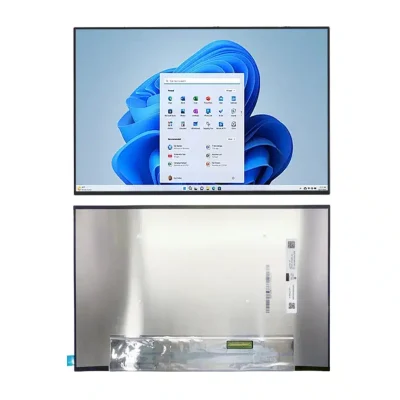
NE140QDM-N51 Glossy WQXGA HBR2 Laptop LCM 0.4mm Oxide BOE
Model P/N
Size
Resolution
Brightness
Viewing Angle
Connector Type
Operating Temp
Overall(mm)
boe
NE140QDM-N51
Brand
Panel Size (inch)
Model P/N
Resolution
Brightness (nits)
Viewing Angle
Contrast Ratio
Response Time
Overall (mm)
Active Area (mm)
Refresh Rate
Display Colors
Panel Type
Connector Type
Surface Treatment
Operating Temp
Touchscreen Type
Storage Temp
Work Mode
Pixel Format
Input Voltage (V)
Vibration Resistance
Designed For
Product Details
Product Overview
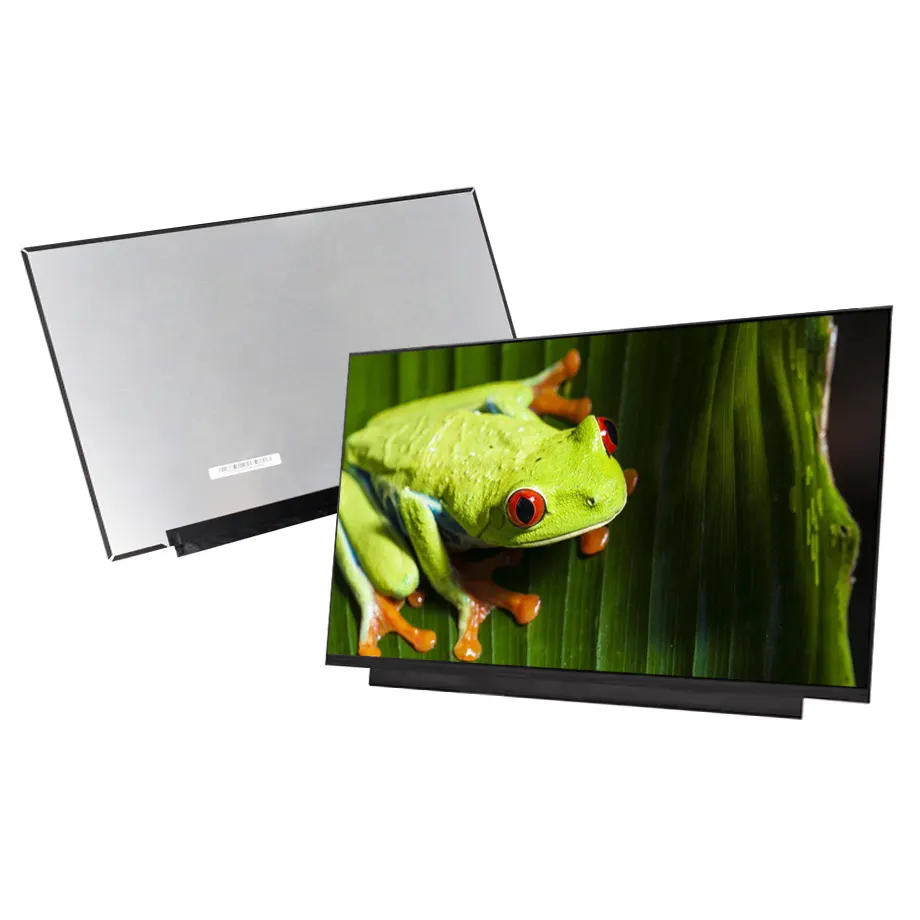
NE140QDM-N51 Glossy WQXGA HBR2 Laptop LCM is a 14.0-inch BOE Oxide TFT-LCD LCM for laptop display integration. It uses a native 2560(RGB)×1600 WQXGA raster in a 16:10 format, with a 301.594 × 188.496 mm active area inside a 305.09 × 206.16 × 4.08 mm module outline. The panel provides 500 cd/m² typical luminance, a 1500:1 typical contrast ratio, 16.7M colors with 100% sRGB and Low Blue Light wording, and a glare surface with 0% haze and 3H hard coating. It operates at 60 Hz and is supplied without touch.
The native interface is two-lane eDP 1.4b at HBR2, 5.4 Gbit/s per lane, through a 30-pin connector with a 0.4 mm pitch and 3.3 V typical panel input. The module includes a WLED backlight and LED driver with a 15K-hour backlight-life reference. At 216/230 g typical/maximum and 4.08 mm overall thickness, the panel has enough confirmed mechanical data for early lid and hinge checks, but exact connector position, mounting details and cable routing still require the current drawing or an approved sample.
Three Core Buyer Value Propositions
1. Glossy WQXGA optics give a distinct replacement target beyond diagonal size
The 2560×1600 16:10 raster, 500-nit luminance and glare surface define a different user-facing configuration from matte WUXGA or lower-resolution 14-inch panels. Procurement teams can use those characteristics to avoid substitutions that would visibly change resolution, front-surface appearance or brightness. The qualification boundary is exact fit: a visually similar 14-inch panel still needs the correct interface, mechanical outline and platform timing.
2. Two-lane HBR2 on a 0.4 mm-pitch connector requires precise cable matching
The combination of eDP 1.4b, two HBR2 lanes, 30 pins and a 0.4 mm connector pitch is a specific electrical-mechanical interface definition. It gives cable and motherboard teams a clear starting point for bring-up. A “30-pin eDP” description without pitch, pinout and connector position is insufficient, because common laptop panels can use different contact pitches or electrical mappings even when the connector count is the same.
3. Oxide TFT, 100% sRGB and known mass support high-resolution notebook qualification
The Oxide TFT-LCD construction, 100% sRGB wording and 216/230 g mass provide useful architecture, color and mechanical inputs for mobile-workstation or high-resolution notebook projects. These facts do not imply calibration accuracy, a creator certification or guaranteed hinge compatibility. Buyers should define measurable color requirements and validate the production lid with the intended panel, cable and mechanical stack.
Key Specifications at a Glance
| Parameter | Confirmed value |
|---|---|
| Manufacturer / model | BOE NE140QDM-N51 |
| Display size | 14.0 inch |
| Panel type | Oxide TFT-LCD, LCM |
| Native resolution | 2560(RGB)×1600 WQXGA, 16:10 |
| Active area | 301.594 × 188.496 mm |
| Outline | 305.09 × 206.16 × 4.08 mm |
| Weight | 216 / 230 g typical / maximum |
| Brightness | 500 cd/m² typical |
| Contrast ratio | 1500:1 typical |
| Viewing-angle values | 80/80/80/80 typical at CR≥10 |
| Response time | 30 ms typical, Tr+Td |
| Colors | 16.7M, 100% sRGB, Low Blue Light |
| Surface | Glare, haze 0%, hard coating 3H |
| Refresh rate | 60 Hz |
| Native interface | eDP 1.4b, 2 lanes, HBR2 5.4 Gbit/s per lane |
| Connector | 30 pins, 0.4 mm pitch |
| Panel input | 3.3 V typical |
| Backlight | WLED, 15K hrs, with LED driver |
| Touch | Without touch screen |
| Operating / storage | 0 to 50 °C / -20 to 60 °C |
Why does the 0.4 mm connector pitch matter?
Connector count alone is an incomplete replacement rule. NE140QDM-N51 uses a 30-pin interface with a 0.4 mm pitch, while other notebook panels may use a 30-pin connector with a different pitch or physical housing. Cable mating, contact alignment and connector position therefore need to be verified from the exact drawing and production cable. Forcing or adapting an unmatched connector can create both mechanical and electrical risk.
For NE140QDM-N51 Glossy WQXGA HBR2 Laptop LCM, the panel-side signaling is two-lane HBR2 eDP 1.4b at 5.4 Gbit/s per lane. VESA’s Embedded DisplayPort overview provides standards context for eDP, but the BOE pin assignment, timing and power sequence remain exact-product requirements. Bring-up should test native timing, AUX communication, sleep/resume and repeated power cycles using the intended motherboard and cable.
How should a glossy 500-nit panel be evaluated?
The 500 cd/m² typical luminance and glare surface should be assessed together. A glossy surface can preserve image clarity but may show stronger specular reflections than an antiglare surface under certain room lighting. The 0% haze specification helps describe the panel surface; it does not prove that the finished notebook will be easy to read in sunlight or every high-ambient-light condition.
Practical visibility depends on the complete lid stack, ambient light, brightness-control range and viewing geometry. If a protective film, touch layer or cover is added, repeat optical testing because the added surface can change reflection and apparent contrast. The 500-nit value is a panel specification and should not be converted into a sunlight-readable, outdoor or HDR claim without the evidence required for those classifications.
What does 100% sRGB prove—and what does it not?
The documented 100% sRGB wording provides a useful gamut-coverage target. It does not establish factory calibration accuracy, Delta E, white point, gamma, uniformity or profile quality. A notebook intended for imaging or content creation should define the color metrics it actually needs and verify the complete graphics-to-panel pipeline at representative brightness settings.
Low Blue Light is also included in the product wording, but no named eye-comfort certification is claimed here. BOE’s LCD technology overview provides manufacturer context for LCD display technologies; portfolio-level capabilities or certifications are not automatically specifications for NE140QDM-N51. Exact-model evidence should control public claims and purchasing acceptance criteria.
WQXGA 16:10 geometry and lid fit
The active image area is 301.594 × 188.496 mm, supporting a 16:10 WQXGA format. The complete outline is 305.09 × 206.16 × 4.08 mm. Replacement work should compare both values with the original module because the visible aperture and the module envelope serve different purposes. A matching 14-inch diagonal or 2560×1600 raster does not guarantee the same bezel alignment or lid depth.
The module mass is 216 g typical and 230 g maximum. That information can support hinge-torque and system-weight calculations, while the 4.08 mm depth should be checked against rear-cover clearance. Connector location, retention method and local PCB geometry remain drawing-level details. If a supplier proposes a neighboring NE140QDM revision, treat it as a separate qualification rather than assuming the mechanics are identical.
Response time, viewing behavior and realistic performance language
The panel has a 30 ms typical Tr+Td response-time reference and 80/80/80/80 typical viewing-angle values at CR≥10. Those are panel measurements, not end-to-end notebook latency or a guarantee of identical image appearance at every angle. GPU processing, frame delivery and software behavior contribute separately to system responsiveness, while the glossy surface and ambient reflections influence perceived contrast.
The display mode is ADS, normally black and transmissive, with a 1500:1 typical contrast ratio. That provides a component-level dark-state reference. The finished notebook should still be checked for black level, uniformity and reflections in its actual lid assembly. No gaming-grade response or high-refresh claim is made because the documented refresh rate is 60 Hz.
Backlight, temperature and service-life boundaries
The integrated WLED backlight and LED driver carry a 15K-hour life reference. That figure should remain a backlight component specification rather than being translated into notebook warranty duration, guaranteed service life or supplier availability. Brightness setting, thermal environment and duty cycle can influence actual aging. The panel operating range is 0 to 50 °C, with storage from -20 to 60 °C.
Prototype thermal testing should include sustained high-brightness operation in the production lid, not only an open-bench check. The documented 1.5G vibration reference is useful engineering context but does not establish rugged, automotive or industrial qualification. Any application with special environmental requirements needs its own qualification evidence and system-level test plan.
Application fit for high-resolution notebook integration
NE140QDM-N51 Glossy WQXGA HBR2 Laptop LCM is documented for laptop use. The strongest application is a 14-inch notebook platform designed around 2560×1600 16:10 resolution, 500 cd/m² luminance, a glossy 100% sRGB optical configuration and the exact two-lane HBR2 interface. Exact-model replacement is also appropriate when the original panel label is NE140QDM-N51 and the cable and mechanics match.
The module is supplied without touch. A touch-enabled notebook would need a separately qualified digitizer, controller, cover stack and cable architecture. No industrial, medical, automotive or formal HDR qualification is inferred from the oxide TFT backplane, brightness or color gamut. Projects outside standard laptop use should provide their own compliance and environmental requirements.
Procurement and validation checklist
- Lock the exact BOE NE140QDM-N51 suffix in the BOM and incoming inspection record.
- Verify 2560×1600 WQXGA timing at 60 Hz and the 16:10 image geometry.
- Confirm two-lane HBR2 eDP 1.4b, the 30-pin 0.4 mm connector, pin assignment and cable orientation.
- Check the 305.09 × 206.16 × 4.08 mm outline, active area and 216/230 g mass against the lid design.
- Validate 500 cd/m² luminance, glossy 0% haze surface and 100% sRGB behavior in the finished optical stack.
- Keep Low Blue Light as documented feature wording unless model-specific certification evidence is supplied.
- Confirm the no-touch architecture and qualify any added touch stack separately.
- Test sleep/resume, brightness control, image stability and thermal behavior on the intended motherboard.
- Request current revision, quantity and change-status information before volume purchasing; current stock is not a guaranteed supply horizon.
For NE140QDM-N51 Glossy WQXGA HBR2 Laptop LCM qualification, provide the target notebook platform, production display cable, mechanical drawing, optical and color acceptance limits, thermal test conditions and required quantity. Exact-suffix control is the safest way to preserve the intended glossy WQXGA configuration and avoid unsupported substitutions across nearby panel revisions.
Recommended: Same Size
(14")
Applications & Value of LCD Panel

- Fast sourcing with in-stock panels & cross-reference alternatives
- Stable supply chain with long-term availability
- Engineering-level support from panel to integration
- Custom solutions: cable, touch & optical bonding
- Strict quality control with IQC / OQC / aging test
- Full traceability system for quality assurance
- Complete technical documentation & drawings
- Compliance support: RoHS & certification files