~
~
~
~
~
~
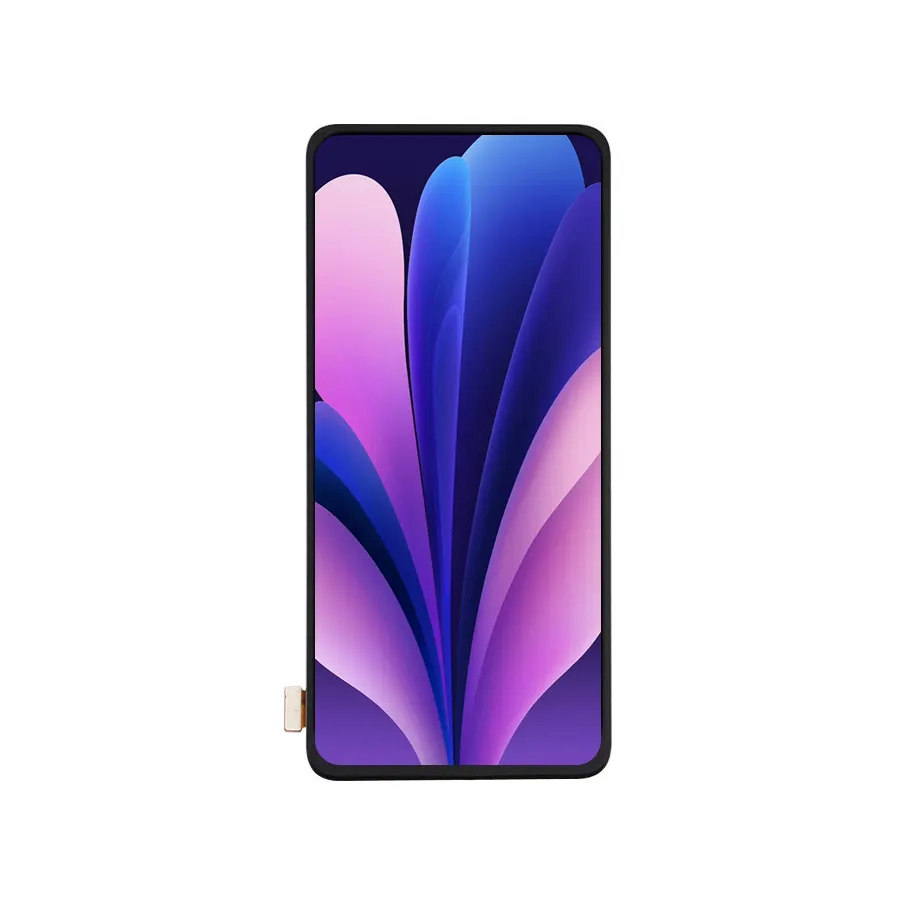
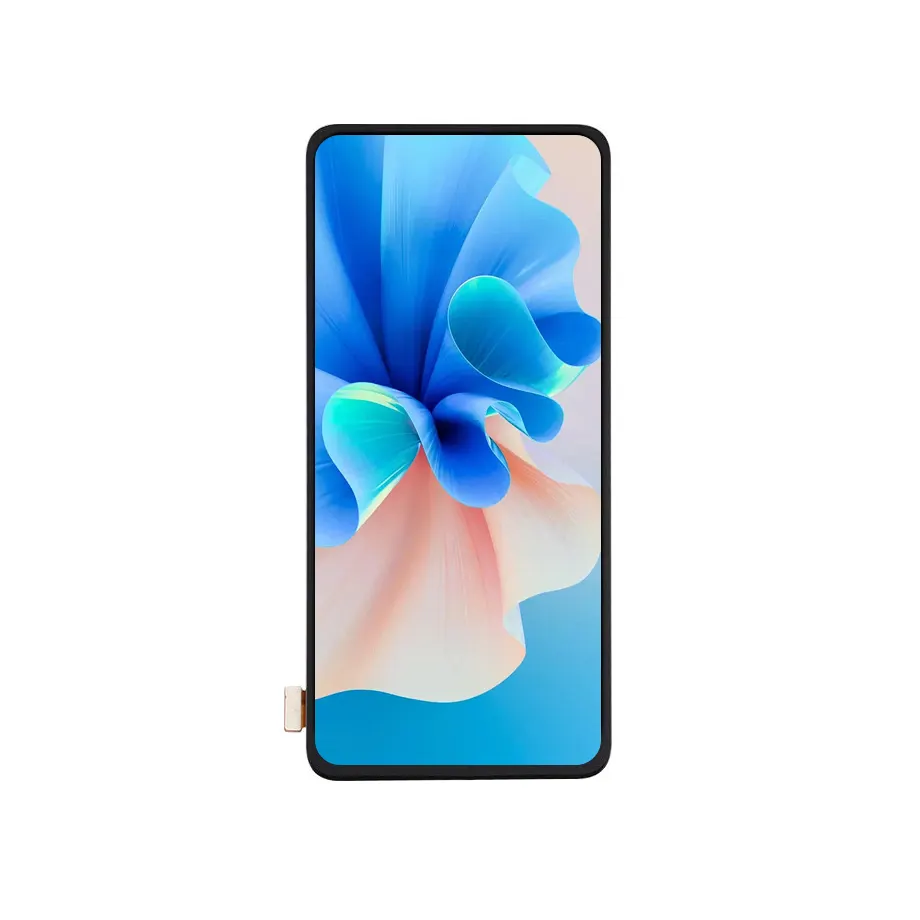
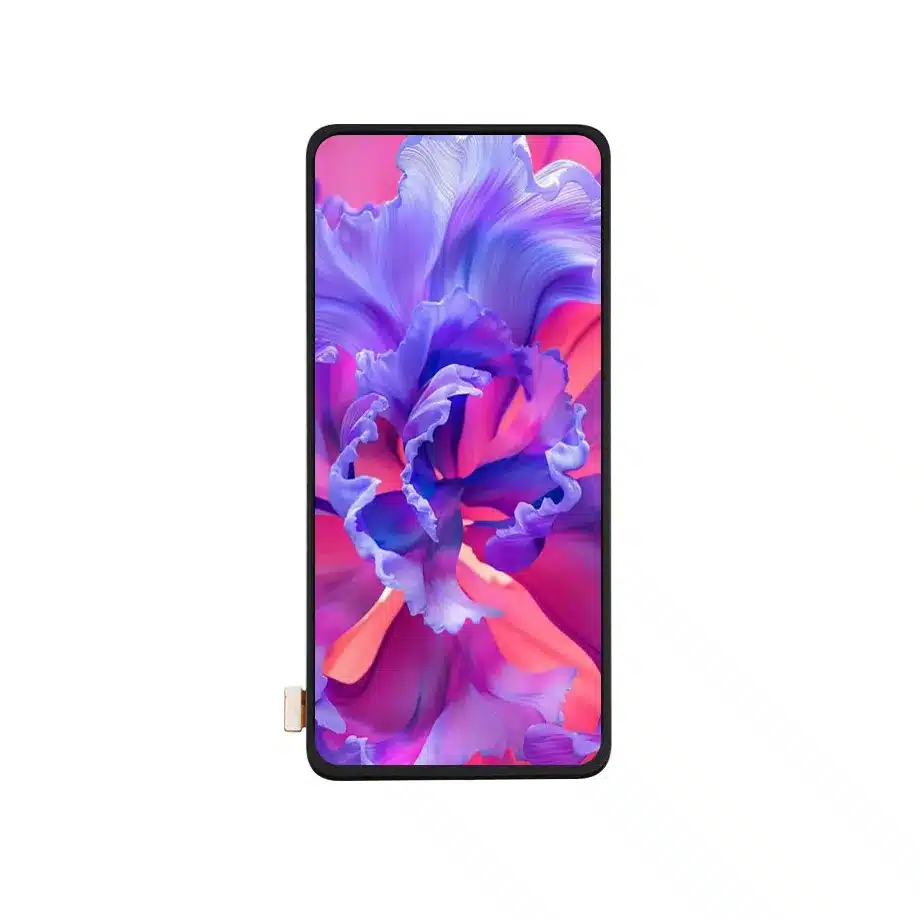
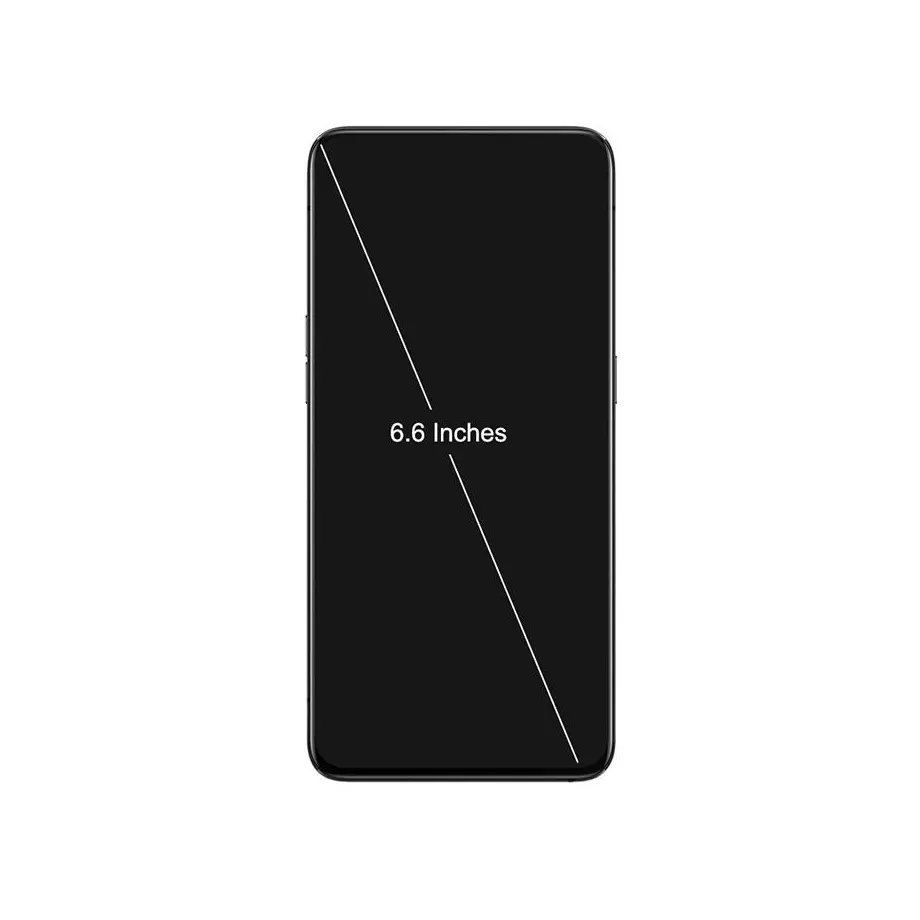
TA066FJMK01-00 Windmill 6.6 Inch OLED Phone Display Tianma
Model P/N
Size
Resolution
Brightness
Viewing Angle
Connector Type
Operating Temp
Overall(mm)
tianma
TA066FJMK01-00
Brand
Panel Size (inch)
Model P/N
Resolution
Brightness (nits)
Viewing Angle
Contrast Ratio
Response Time
Overall (mm)
Active Area (mm)
Refresh Rate
Display Colors
Panel Type
Connector Type
Surface Treatment
Operating Temp
Touchscreen Type
Storage Temp
Work Mode
Pixel Format
Input Voltage (V)
Designed For
Product Details
Product Overview
TA066FJMK01-00 Windmill 6.6 Inch OLED Phone Display is a Tianma AM-OLED panel for portrait mobile-phone integration, combining a 1080(RGB)×2400 native raster with a 9:20 image format. The 68.26 × 151.68 mm active area sits within a 74.436 × 167.354 × 0.44 mm panel outline, giving handset engineers a defined optical window and a very thin component envelope to evaluate against the intended cover, frame and internal stack. The panel is self-emissive, is specified at 500 cd/m² typical luminance and at least 1,000,000:1 contrast, and uses a Windmill pixel structure rather than a conventional RGB vertical-stripe arrangement.
Exact-model color data supports 100% DCI-P3 and 100% sRGB coverage wording, while viewing-angle values are 80/80/80/80 minimum at CR≥10 and the response-time limit is 1 ms Tr+Td. The surface is documented with hard coating. Tianma suggests a VTDR6115 driver IC in a COG implementation, and the panel requires several power rails: 1.2 V VDD, 1.8 V VDDI, 2.8 V VCI and 7.6 V AVDD typical. The available exact-model evidence does not reliably define the host display interface, refresh rate or panel mass, so those fields remain intentionally unresolved rather than inferred from another 6.6-inch AMOLED.
Three Core Buyer Value Propositions
1. Windmill 1080×2400 geometry gives handset teams an exact pixel and aperture target
The model is not simply a generic 6.6-inch OLED. Its 1080×2400 raster, 9:20 aspect ratio, Windmill subpixel structure and 68.26 × 151.68 mm active area define how source content, image scaling and the visible cover-window opening must align. That makes exact-model geometry useful when replacing a damaged display or developing a new handset around a known panel. The boundary is equally important: matching diagonal size and resolution alone does not prove replacement compatibility because flex location, connector arrangement, driver implementation, cover stack and mechanical datums may differ.
2. 500-nit self-emissive optics and wide-gamut evidence support a measurable image-quality plan
The 500 cd/m² typical luminance, minimum million-to-one contrast and exact-model 100% DCI-P3 / 100% sRGB wording provide concrete optical targets. They help procurement and validation teams define sample checks without inflating the specification into an HDR, sunlight-readable or calibration claim. Gamut coverage does not establish Delta E, white point, gamma or uniformity, while high OLED contrast does not by itself establish a formal HDR tier. Finished-device optical performance should be measured through the actual cover glass, adhesive stack and brightness-control implementation.
3. Multi-rail OLED power and a suggested COG driver expose integration risks early
The separate VDD, VDDI, VCI and AVDD rails make power architecture more specific than a single-voltage LCD module. The suggested VTDR6115 COG driver also indicates that display control and flex implementation deserve exact drawing and command-set review. These facts help the electrical team identify regulator count, sequencing and validation tasks before prototype release. They do not reveal the complete host interface or connector mapping, which remains a documentation requirement for this exact model.
Key Specifications at a Glance
| Parameter | Confirmed value |
|---|---|
| Manufacturer / model | Tianma TA066FJMK01-00 |
| Display size | 6.6 inch |
| Panel type | AM-OLED, OLED |
| Native resolution | 1080(RGB)×2400, 9:20 |
| Pixel structure | Windmill |
| Active area | 68.26 × 151.68 mm |
| Outline | 74.436 × 167.354 × 0.44 mm |
| Brightness | 500 cd/m² typical |
| Contrast ratio | 1,000,000:1 minimum |
| Viewing-angle values | 80/80/80/80 minimum at CR≥10 |
| Response time | 1 ms maximum Tr+Td |
| Color coverage | 100% DCI-P3, 100% sRGB |
| Surface | Hard coating |
| Emission | Self-emitting |
| Suggested driver IC | COG, VTDR6115 suggested |
| Panel input rails | 1.2 / 1.8 / 2.8 / 7.6 V typical (VDD / VDDI / VCI / AVDD) |
| Touch | Without touch screen |
| Operating / storage | -20 to 70 °C / -40 to 80 °C |
What does the Windmill pixel structure change for integration?
Windmill identifies the panel’s pixel arrangement and should be treated as an exact-model display characteristic. The application processor, rendering stack and image-quality team should validate text, fine lines, diagonal edges and color transitions on production-intent samples rather than assuming behavior identical to a conventional RGB stripe. The native 1080×2400 timing still defines the source image matrix, but perceived edge structure can be influenced by subpixel geometry and the operating system’s rendering algorithms.
For TA066FJMK01-00 Windmill 6.6 Inch OLED Phone Display, pixel structure also matters when a replacement is proposed. A candidate with the same 1080×2400 raster but a different subpixel arrangement may not deliver the same visual behavior, and it may require different panel drive tuning. Preserve the full suffix in the BOM and use the actual model label during incoming inspection. Do not treat “6.6-inch 1080×2400 OLED” as an interchangeable commodity description.
How should the wide-gamut color claims be qualified?
Exact-model parameter data supports both 100% DCI-P3 and 100% sRGB coverage wording. These values are useful for setting gamut expectations, but they are coverage statements rather than calibration guarantees. A handset intended for color-sensitive photo or video use should define additional metrics such as white point, gamma, color error and brightness-dependent color stability. Those metrics are influenced by display drive tables, operating-system color management and the cover stack as well as the OLED itself.
Tianma’s AMOLED technology overview describes the company’s broader work in AMOLED efficiency, brightness and mobile form factors. Its consumer display overview also identifies smartphones as a major AMOLED application with high brightness, low power and wide color gamut as common design priorities. These manufacturer references provide technology context only; they do not add unlisted specifications or certifications to this exact model.
Why the multi-rail supply needs a controlled power sequence
The panel’s four documented supply values serve different internal functions and should not be collapsed into one input-voltage number. Regulator startup order, rise time, shutdown order and discharge behavior can affect an OLED panel and its driver. The production design should therefore follow the exact electrical specification for sequencing, timing and allowable tolerance rather than powering all rails simultaneously based on nominal values alone.
The suggested VTDR6115 driver IC is useful as a component reference, but “suggested” is not the same as a complete controller design. The flex circuit, command protocol, initialization sequence and host-interface details still require exact-model documentation. Because the currently verified evidence does not reliably identify that host interface, a board team should treat interface definition as a blocking document request before freezing the application processor or connector design.
How should the 0.44 mm panel depth be used mechanically?
The 0.44 mm outline depth describes a very thin panel component, not the total finished handset display stack. Cover glass, optical adhesive, touch architecture, bezel, shielding, flex folds and protective structures add thickness. Mechanical design should compare the 74.436 × 167.354 mm panel outline and 68.26 × 151.68 mm active area with controlled drawings for the cover-window opening, adhesive border and flex keep-out zones.
OLED glass and thin encapsulation structures also require careful handling. Avoid local pressure, uncontrolled bending and edge loading during fixture design and assembly. Panel mass is not confirmed, so a system weight budget should use an approved sample measurement if that parameter matters. A value from another Tianma 6.6-inch OLED should not be imported just because the external footprint appears close.
Self-emissive OLED: brightness, contrast and thermal boundaries
A self-emissive OLED does not use a separate WLED backlight, so image light is generated by the pixels. That architecture supports very high dark-state contrast, but practical luminance, power and temperature behavior can vary with image content, brightness setting and drive strategy. The documented 500 cd/m² typical luminance is a component target; it should not be converted into a sunlight-readable or formal HDR claim without the additional evidence required for those classifications.
Handset qualification should include sustained bright content, dark content, mixed average-picture-level patterns and realistic user brightness settings. Observe panel temperature, color stability and current demand in the final enclosure. The -20 to 70 °C operating range is a component environmental limit, not proof that the finished phone has a particular rugged, automotive or outdoor qualification.
Application fit for portrait mobile-phone display integration
TA066FJMK01-00 Windmill 6.6 Inch OLED Phone Display is documented for Mobile Phone use and is best evaluated in handset architectures designed around its 6.6-inch portrait geometry, 1080×2400 raster, 500-nit typical luminance and multi-rail OLED power structure. Its wide-gamut evidence and thin outline can also be relevant to premium handheld designs where color and package depth are controlled requirements. These characteristics do not establish compatibility with any named smartphone model.
The exact-model configuration is documented without a touch screen. A finished smartphone normally requires a touch solution, cover stack and controller architecture, so those elements must be qualified separately unless they are part of a higher-level assembly. Connector position, flex routing, driver initialization and the unresolved host interface remain exact-design items that must be matched before an alternate display is accepted.
Procurement and validation checklist
- Lock Tianma model TA066FJMK01-00 and the full suffix in the BOM and incoming inspection plan.
- Confirm native 1080×2400 timing, 9:20 geometry and Windmill pixel structure on production samples.
- Check the 74.436 × 167.354 × 0.44 mm outline and 68.26 × 151.68 mm active area against the mechanical stack.
- Validate 500 cd/m² typical luminance and the exact-model DCI-P3 / sRGB coverage targets through the finished cover stack.
- Design and sequence the 1.2, 1.8, 2.8 and 7.6 V rails according to the controlled panel specification.
- Confirm the complete host interface, connector mapping and initialization sequence before board release; these are not reliably resolved in the available evidence.
- Treat VTDR6115 as a suggested driver reference, not as proof of a complete controller or firmware implementation.
- Keep panel mass and refresh rate blank until reliable exact-model documentation is available.
- Request current revision and change-status information before volume procurement rather than inferring a guaranteed supply horizon.
For TA066FJMK01-00 Windmill 6.6 Inch OLED Phone Display qualification, provide the target handset architecture, mechanical drawing, cover-stack constraints, display-interface requirements, OLED power sequence, color acceptance limits and required quantity. Exact-model electrical, optical and mechanical verification should control release so that an apparently similar 6.6-inch AMOLED is not treated as interchangeable without evidence.
Recommended: Same Size
(6.6")
Applications & Value of LCD Panel

- Fast sourcing with in-stock panels & cross-reference alternatives
- Stable supply chain with long-term availability
- Engineering-level support from panel to integration
- Custom solutions: cable, touch & optical bonding
- Strict quality control with IQC / OQC / aging test
- Full traceability system for quality assurance
- Complete technical documentation & drawings
- Compliance support: RoHS & certification files