Freya Yang
+86 18318948097
+852 62667476
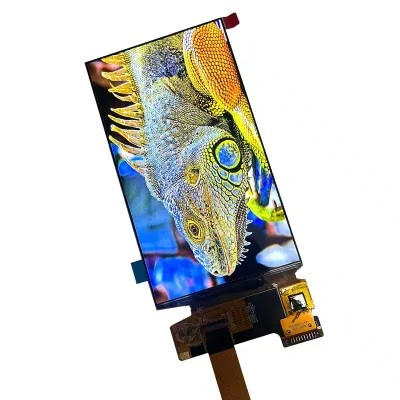
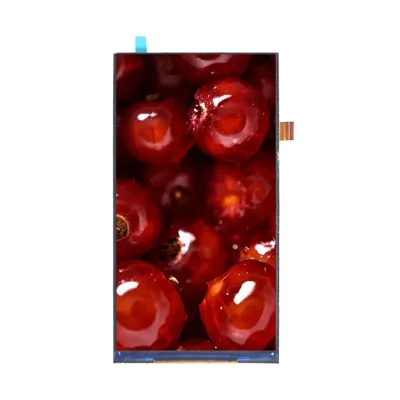
5.5 Inch MIPI AMOLED Touch Module FHD Smart Device


Model P/N
Size
Resolution
Brightness
Viewing Angle
Connector Type
Operating Temp
Overall(mm)
huisoar
HS055FHDTOOCTP01
Brand
Panel Size (inch)
Model P/N
Resolution
Brightness (nits)
Viewing Angle
Contrast Ratio
Response Time
Overall (mm)
Active Area (mm)
Refresh Rate
Display Colors
Panel Type
Connector Type
Surface Treatment
Operating Temp
Touchscreen Type
Storage Temp
Work Mode
Pixel Format
Input Voltage (V)
Weight (g)
Designed For
1920×1080 On-Cell AMOLED Display for Smart Devices and Handheld Terminals
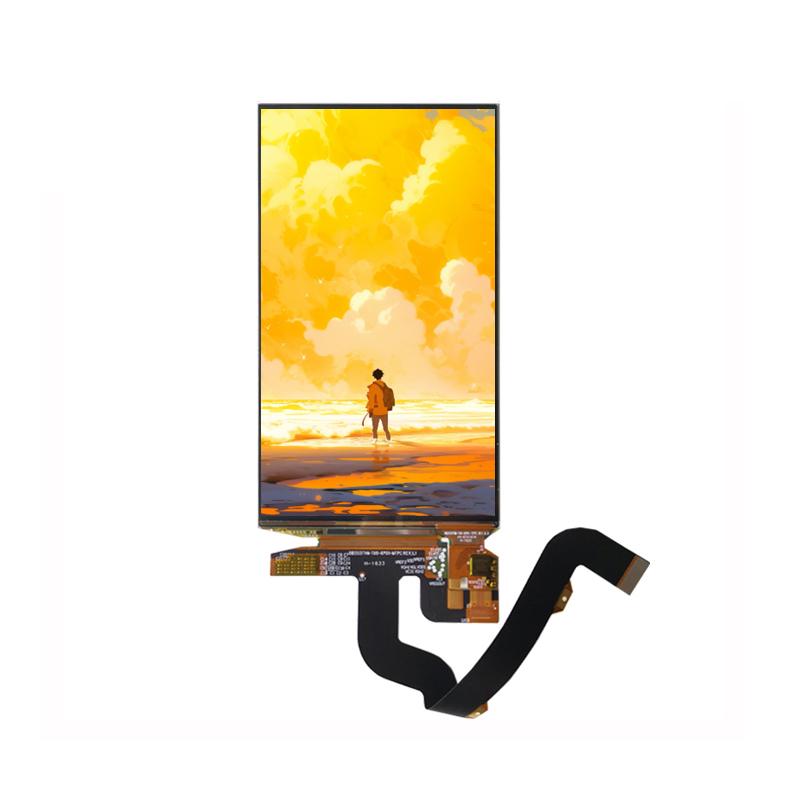
A 5.5 Inch MIPI AMOLED Touch Module is a Full HD display and touch solution for smart devices that need sharp visual output, thin mechanical integration, and responsive on-cell capacitive control. It combines a 5.5-inch AMOLED panel, 1920×1080 resolution, MIPI interface, 350 nits brightness, 16.7M colors, 17000:1 minimum contrast, and a 70.71 × 128.44 × 0.50 mm outline. For OEM teams, it supports portable terminals, industrial handheld devices, medical display interfaces, and smart-device projects where display clarity and touch usability matter.
At a Glance: 5.5 Inch AMOLED Touch Display Highlights
- 5.5 inch AMOLED display module with 1920×1080 Full HD resolution.
- MIPI interface for smart-device and embedded display integration.
- On-cell capacitive touch panel for interactive handheld and portable terminals.
- 350 nits brightness for indoor and controlled mobile-device viewing conditions.
- 16.7M color output for vivid icons, data screens, multimedia UI, and image-rich interfaces.
- 17000:1 minimum contrast for deep black levels and strong visual separation.
- 70.71 × 128.44 × 0.50 mm outline supports thin smart-device mechanical design.
Product Overview of the 5.5 Inch MIPI AMOLED Touch Module
The 5.5 Inch MIPI AMOLED Touch Module is designed for smart-device manufacturers that need a high-resolution display with integrated touch capability in a slim form factor. Its 1920×1080 resolution provides a Full HD canvas for detailed UI, image content, medical data screens, industrial menus, and portable multimedia interfaces. The 16:9 screen format also supports familiar smart-device layouts.
This module is especially useful where the product must combine display quality, touch interaction, and compact structure. The AMOLED panel supports high contrast and vivid color output, while the on-cell capacitive touch structure reduces the need for a separate touch-stack approach. The result is a practical option for handheld smart devices, portable medical terminals, industrial PDA products, vehicle auxiliary screens, and advanced smart control terminals.
For procurement and engineering teams, the most important selection factors are MIPI host compatibility, touch-stack integration, active area, outline dimension, brightness target, mechanical enclosure fit, and sample validation under real operating conditions. The module should be reviewed with the final cover glass, FPC route, housing design, and UI brightness target before mass-production approval.
Key Features of the 5.5 Inch MIPI AMOLED Touch Module
| Key Feature | Engineering and Procurement Value |
|---|---|
| 1920×1080 Full HD resolution | Supports detailed UI, sharp text, image-heavy menus, and portable multimedia display needs. |
| 5.5 inch AMOLED panel | Provides compact smart-device display size with OLED image characteristics. |
| MIPI interface | Fits common embedded smart-device display architectures and high-resolution screen control. |
| On-cell capacitive touch | Enables direct user interaction without requiring a separate add-on touch panel structure. |
| 350 nits brightness | Supports practical indoor and controlled mobile-device readability. |
| 16.7M colors | Helps display medical charts, product UI, media content, and color-coded industrial information. |
| 17000:1 minimum contrast | Improves black depth, visual separation, and high-contrast interface design. |
| 70.71 × 128.44 × 0.50 mm outline | Supports slim product design and compact enclosure integration. |
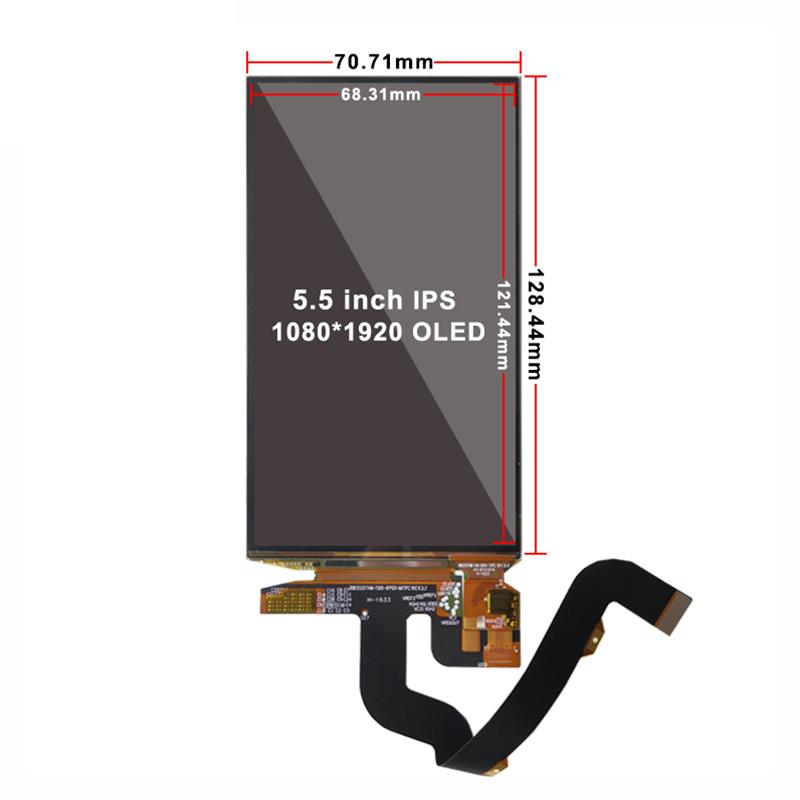
| 68.31 × 121.44 mm active area | Gives mechanical engineers a clear basis for cover-window and UI-layout planning. |
| Customization support | Logo, packaging, graphics, drawing-based, sample-based, and full customization can be reviewed. |
Technical Specifications of the 5.5 Inch FHD AMOLED Touch Display
| Specification | Confirmed Value |
|---|---|
| Display Size | 5.5 inch |
| Display Type | AMOLED |
| Resolution | 1920 × 1080 |
| Interface | MIPI |
| Touch Type | On-cell capacitive touch panel |
| Brightness | 350 nits / 350 cd/m² |
| Display Colors | 16.7M |
| Viewing Angle | 89/89/89/89 typ. |
| Contrast Ratio | 17000:1 min. |
| Outline Dimension | 70.71 × 128.44 × 0.50 mm |
These specifications define the module’s fit for compact smart-device engineering. The 1920×1080 resolution and 5.5 inch size affect UI scaling and pixel density perception. The MIPI interface affects host-board selection and signal routing. The 0.50 mm outline helps mechanical teams evaluate slim enclosure requirements, while the active area defines the visible window and cover-glass alignment.
Why Choose This 5.5 Inch AMOLED Display Module?
This 5.5 inch AMOLED display module is suitable when a product needs Full HD visual clarity, integrated capacitive touch, and a thin OLED structure for handheld or portable use.
1920x1080 FHD AMOLED Display for Smart Device UI
The 1920×1080 resolution gives designers enough pixel detail for dense menus, image content, charts, control icons, and compact text. This is important for smart devices where the screen must display more than basic status information. Portable medical terminals may need clear data visualization. Industrial handheld devices may require detailed operation menus. Vehicle auxiliary displays may need readable graphics and symbols.
AMOLED display technology is also valuable for interface design because each pixel is self-emissive. The confirmed 17000:1 minimum contrast supports dark UI themes, bright highlights, and strong separation between information layers. For devices that use color-coded status, warnings, or visual menus, this contrast level helps improve perceived image depth.
On-Cell Capacitive Touch and MIPI Interface for Embedded Products
The module combines display and on-cell capacitive touch functionality, which is valuable for interactive devices. On-cell touch can simplify the front-panel design compared with adding a separate touch layer after display selection. For handheld terminals and smart controllers, this can help reduce stack complexity and support a slimmer product body.
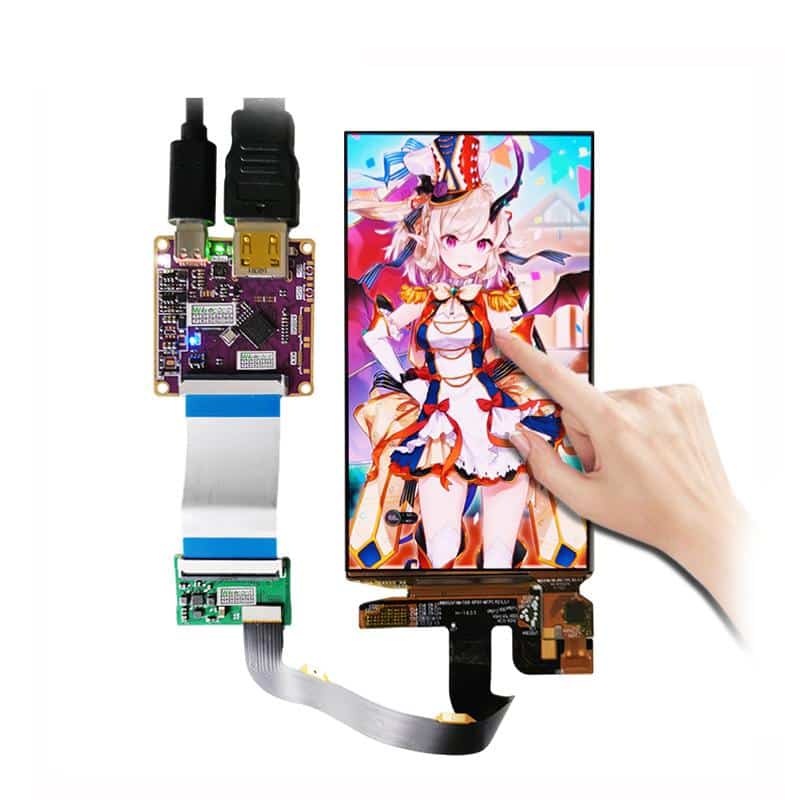
The MIPI interface supports integration into smart-device display systems that require high-resolution image transmission. Engineering teams should still confirm MIPI host compatibility, firmware resources, connector layout, and display initialization requirements. MIPI integration is not only a connector decision; it affects the controller platform, PCB layout, signal integrity, and software bring-up.
Display Performance of the AMOLED Touch Module for Smart Device Environments
This AMOLED touch module is built for smart-device environments where color, contrast, touch response, and slim structure are more important than large-format display size.
350 Nits Brightness for Portable Smart Device Readability
The 350 nits brightness level is suitable for many indoor, handheld, and controlled mobile-device environments. It can support clear UI visibility in smart products, industrial handheld devices, and portable terminals used in normal indoor lighting or moderate ambient light. For direct sunlight or harsh outdoor use, buyers should request sample testing in the real enclosure.
Brightness performance is affected by more than the panel rating. Cover glass, surface reflection, optical bonding, UI contrast, brightness settings, and power management all affect final readability. A procurement decision should include real sample validation under the target viewing condition rather than relying only on the brightness value.
16.7M Colors, FHD Resolution, and High Contrast OLED Output
The combination of 16.7M colors, 1920×1080 resolution, and 17000:1 contrast gives this module strong visual capability for compact devices. It can support image-rich interfaces, medical charts, industrial data screens, multimedia menus, and branded UI design. The OLED display structure is also well suited to dark backgrounds and high-contrast visual themes.
For engineering evaluation, the final visual result should be tested with real UI assets. Small text, icon density, dark theme behavior, color consistency, and touch interaction should all be reviewed during sample approval. A high-resolution module offers strong potential, but final usability depends on UI design and system-level implementation.
Portable, Industrial, and Embedded Display Conditions
The supplied product text states an operating range of 0°C to 50°C and storage range of -20°C to 60°C. This is suitable for many indoor smart devices, portable terminals, and controlled industrial handheld applications. For harsher industrial or automotive environments, temperature validation should be performed at the complete-device level.
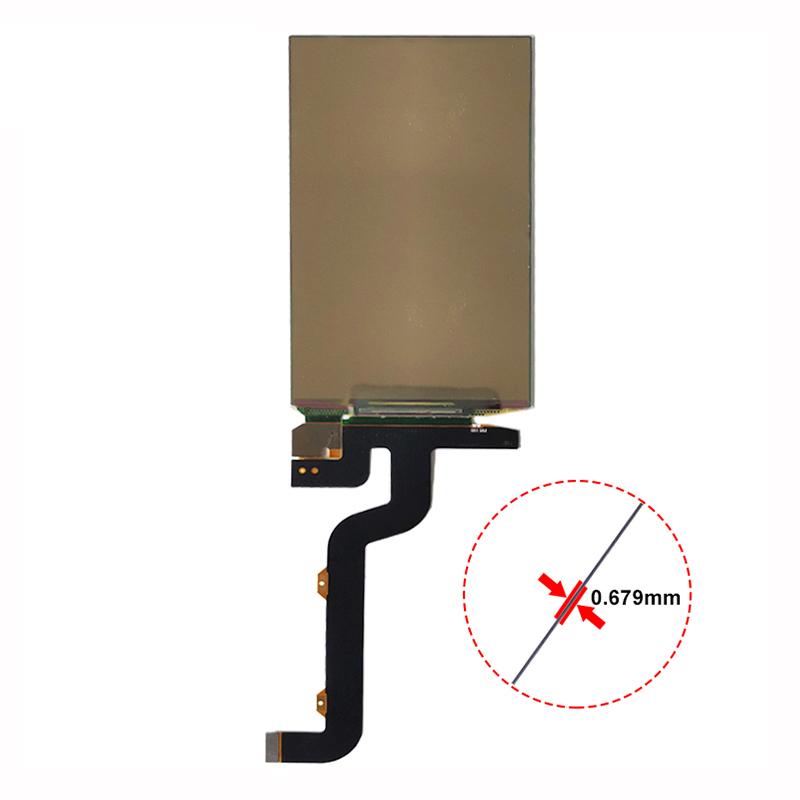
The module’s slim 0.50 mm outline supports compact mechanical design, but slim display structures also require careful handling, support, cover protection, and FPC routing. Engineering review should confirm that the final housing protects the display during assembly, drop exposure, touch operation, and transportation.
Integration and Mounting Options for MIPI Embedded AMOLED Touch Products
MIPI embedded AMOLED touch products should be reviewed as a full display system, including host interface, touch control, FPC routing, cover glass, enclosure structure, and power behavior.
MIPI Interface and Control-Board Matching
The MIPI interface must be matched with the host platform before the display is approved. Engineers should confirm lane configuration, connector design, voltage rails, initialization sequence, firmware support, and display timing. For projects moving from another screen size or resolution, the display driver configuration and UI scaling may require additional software work.
The 1920×1080 resolution also affects memory, graphics processing, and UI rendering. Product teams should verify that the selected processor or control board can support the intended frame update behavior and image quality requirement.
On-Cell Capacitive Touch Integration and Cover Planning
The on-cell capacitive touch structure supports direct interaction for smart terminals, handheld devices, and portable product interfaces. Engineers should confirm touch controller requirements, firmware support, gesture needs, cover lens thickness, glove-use expectations, and electromagnetic interference conditions.
Touch integration should also be reviewed mechanically. Cover glass, bonding method, bezel overlap, adhesive zone, and housing compression can all affect touch performance. A module sample should be tested after integration into the actual front-panel stack.
Slim 0.50 mm Outline, FPC Routing, and Enclosure Fit
The 70.71 × 128.44 × 0.50 mm outline makes the display attractive for slim smart-device design. However, a thin module requires careful mechanical support and handling. The enclosure should protect the OLED panel from bending stress, pressure points, and uneven contact.
FPC routing should be planned early. Engineers need to check bend radius, connector location, cable length, assembly direction, and available board space. If the standard FPC design does not fit the project, FPC shape, length, and interface customization should be reviewed before tooling.
Recommended Applications for Smart Device AMOLED Touch Screens
This smart device AMOLED touch screen is most suitable for products requiring high-resolution display, interactive operation, and compact mechanical structure.
Smartphones and Portable Smart Terminals Requiring FHD Touch UI
Smartphones and portable smart terminals need compact displays that can show detailed icons, text, image content, and interactive applications. The 5.5 inch size, 1920×1080 resolution, MIPI interface, and on-cell capacitive touch make this module suitable for product teams developing interactive smart devices.
The 16.7M color output and high contrast ratio can support modern UI designs with dark themes, images, and color-coded controls. Buyers should confirm cover glass, housing, and operating brightness requirements before final approval.
Medical Terminals Requiring Clear Data Visualization
Portable medical terminals and handheld diagnostic devices often require readable data, clear icons, and reliable touch interaction. The Full HD resolution can support dense information presentation, while the AMOLED contrast helps separate data elements and visual warnings.
For medical-device projects, the display should be evaluated as part of the complete system. Brightness, cleaning method, cover glass durability, touch response, EMC behavior, and regulatory requirements must be validated by the device manufacturer.
Industrial Handheld PDA and Field Operation Interfaces
Industrial handheld PDA products, scanner terminals, portable detection tools, and operation controllers can use this module for menus, data screens, and interactive controls. The MIPI interface supports high-resolution display integration, while the on-cell capacitive touch panel supports gesture-based operation.
For industrial use, engineering teams should review environmental exposure, drop protection, cover lens strength, sealing design, and touch behavior under real operating conditions. If gloves or wet-touch operation are required, touch feasibility should be tested before mass production.
Vehicle Auxiliary Displays and Portable Multimedia Devices
Vehicle auxiliary displays, co-pilot entertainment screens, rearview mirror navigation screens, and portable multimedia devices can benefit from the module’s FHD resolution and OLED contrast. The 5.5 inch format is suitable for compact visual interfaces where a larger display would be difficult to integrate.
For vehicle-related projects, temperature range, vibration environment, sunlight readability, and mounting design should be reviewed carefully. The display should not be treated as an automotive-qualified module unless the required qualification is confirmed for the project.
Customization Options for AMOLED Touch Module Projects
Customization for this AMOLED touch module can include logo, packaging, and graphic customization, with the Alibaba page showing a 2,000-piece minimum order for those options. Drawing-based, sample-based, and full customization can also be evaluated according to project requirements.
Engineering customization may include brightness target review, cover glass planning, touch-stack evaluation, FPC shape or length, interface matching, cable routing, housing fit, and mounting review. Anti-glare, optical bonding, strengthened cover lens, or IP-rated enclosure planning should be treated as project-evaluation items, not as default specifications.
For OEM and ODM projects, buyers should provide the mechanical drawing, display window size, host platform, MIPI requirement, touch requirement, brightness environment, quantity, application field, and required validation schedule. This allows the display team to check feasibility before pricing and sampling.
Procurement and Engineering Checklist for AMOLED Touch Module Selection
- Confirm whether the target UI requires 1920×1080 Full HD resolution.
- Verify that the host processor or control board supports MIPI display output.
- Check the active area against the visible window and cover-glass design.
- Confirm whether on-cell capacitive touch meets the interaction requirement.
- Review 350 nits brightness against indoor, outdoor, or vehicle-use conditions.
- Validate 17000:1 contrast and color behavior with real UI artwork.
- Confirm the 70.71 × 128.44 × 0.50 mm outline against the enclosure stack.
- Review FPC route, connector location, bend radius, and assembly process.
- Test cover glass, bonding, surface treatment, and touch performance in the complete device.
- Confirm order quantity, customization MOQ, lead time, packaging, and sample approval schedule.
Brightness / Interface / Mounting Selection Guide for 5.5 Inch AMOLED Touch Displays
For brightness selection, use 350 nits as a confirmed panel value and test it under the real cover lens and use environment. For interface selection, confirm MIPI host compatibility before mechanical tooling. For mounting, check active area, outline dimension, FPC route, cover glass overlap, adhesive zone, and touch clearance together. A display sample should be tested in the real enclosure because visual quality and touch response depend on system-level design.

FAQ
About 5.5 Inch MIPI AMOLED Touch Module
What is a 5.5 Inch MIPI AMOLED Touch Module?
What resolution does this AMOLED touch module support?
Does this module include capacitive touch?
What interface does the module use?
Is 350 nits brightness enough for outdoor use?
What are the main mechanical dimensions?
What applications are suitable for this display?
Can this AMOLED display module be customized?
What should buyers provide for engineering review?
Is this module suitable for medical devices?
Freya Yang
+86 18318948097