Freya Yang
+86 18318948097
+852 62667476
16 Inch Portrait MIPI LCD Module for Industrial Signage
Model P/N
Size
Resolution
Brightness
Viewing Angle
Connector Type
Operating Temp
Overall(mm)
huisoar
HSL160A0100M
Brand
Panel Size (inch)
Model P/N
Resolution
Brightness (nits)
Viewing Angle
Contrast Ratio
Response Time
Overall (mm)
Active Area (mm)
Refresh Rate
Display Colors
Panel Type
Connector Type
Operating Temp
Touchscreen Type
Storage Temp
Work Mode
Pixel Format
Control Type
Weight (g)
Operating Environment
Designed For
16 Inch Portrait MIPI LCD Module for Industrial Signage
A slim 1200 × 1920 IPS-family panel with a 51-pin MIPI connection for vertical equipment interfaces and indoor signage.
Product Summary
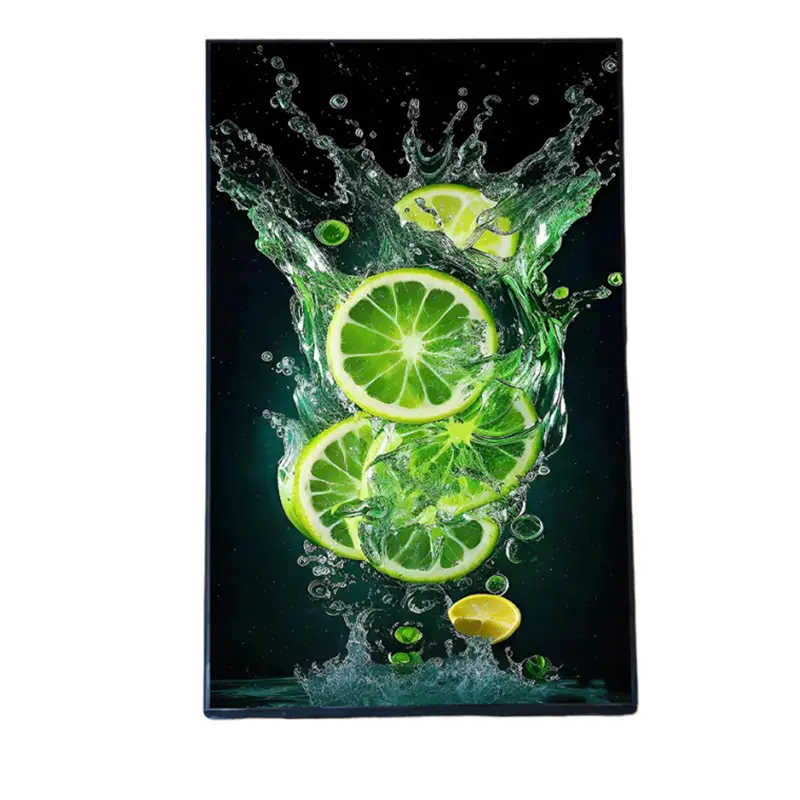
The 16 Inch Portrait MIPI LCD Module provides a tall 1200 × 1920 pixel canvas for equipment interfaces, information screens, and digital-signage products designed around an upright installation. Its 10:16 geometry is well suited to menu sequences, production information, status dashboards, operating instructions, process graphics, and vertically arranged promotional content.
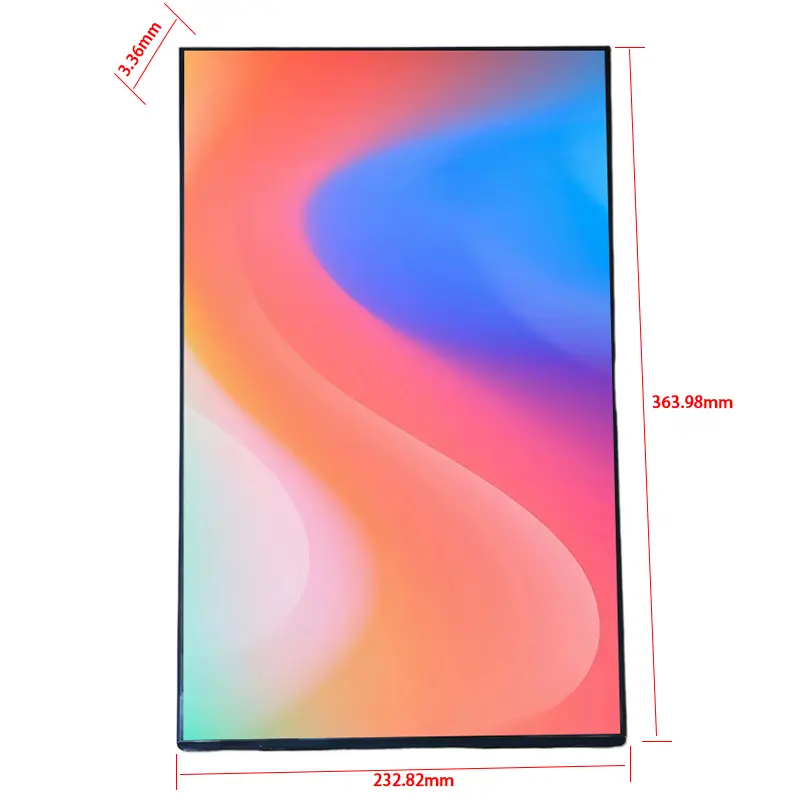
The panel combines an IPS-family viewing structure, 300 cd/m² typical brightness, a 1200:1 typical contrast ratio, and a slim 232.82 × 363.98 × 3.36 mm module outline. A 51-pin MIPI connection supports integration with an appropriate embedded host, subject to complete timing, lane, connector, and power verification.
Key Specifications
| Specification | Value |
|---|---|
| Display size | 16.0 inch |
| Resolution | 1200 × 1920 pixels |
| Orientation | Portrait |
| Aspect ratio | 10:16 |
| Active area | 215.42 × 344.68 mm |
| Module outline | 232.82 × 363.98 × 3.36 mm |
| Brightness | 300 cd/m² typical |
| Contrast ratio | 1200:1 typical |
| Viewing angle | 80°/80°/80°/80°, L/R/U/D |
| Display colors | 16.7 million colors |
| Interface | MIPI |
| Connector | 51 pins |
| Backlight | WLED with 60 white LEDs |
| Touch panel | None |
| Operating temperature | −30°C to +80°C |
| Storage temperature | −30°C to +80°C |
Portrait 1200 × 1920 Layout
Vertical Interface Composition
The native portrait matrix allows designers to build a user interface in its intended upright orientation instead of rotating a conventional landscape layout. Information can be divided into vertically stacked sections for operating status, navigation, instructions, alerts, workflow stages, or promotional content.
The 1200-pixel horizontal width provides room for detailed text, icons, data columns, and graphical controls. The 1920-pixel vertical dimension supports long-form information and sequential content without requiring constant page changes.
Active Area and Pixel Geometry
The visible image area measures 215.42 × 344.68 mm. The full module measures 232.82 × 363.98 mm, leaving the enclosure designer to account for panel borders, assembly tolerances, FPC routing, mounting support, and the required front opening.
The active area and outline must not be treated as interchangeable. The front window should preserve the complete visible image while avoiding pressure on the LCD border or interference with the flex connection.
MIPI Host Integration
Lane, Timing, and Pin Qualification
The module uses a 51-pin MIPI connection, but the supplied specification does not define the lane count, video mode, command mode, lane rate, timing values, connector pitch, voltage rails, or complete pin assignment.
A 51-pin connector does not guarantee MIPI DSI compatibility with a host processor.
Before hardware release, compare:
- Host MIPI display capability
- Data-lane count
- Clock-lane arrangement
- Video or command mode
- Pixel timing
- Data format
- Lane rate
- Connector series and pitch
- Contact orientation
- Complete 51-pin assignment
- Panel power rails
- Backlight power and control
- Reset and enable signals
A host with a MIPI connector may still require a different cable, adapter board, firmware definition, or display driver.
Connector Count Does Not Prove Compatibility
MIPI is an interface family rather than a universal panel connector. Two panels with the same pin count can use different power assignments, lane mappings, control signals, initialization data, and mechanical FPC orientation.
Custom MIPI display integration commonly requires display timing, DSI configuration, connector mapping, power control, and software support to be matched to the specific panel.
The approved panel specification should therefore be reviewed alongside the host processor datasheet, board schematic, display-driver framework, and cable drawing.
Optical Performance for Indoor Equipment
300 cd/m² Brightness Boundary
The standard luminance is 300 cd/m² typical. This brightness grade is appropriate primarily for indoor environments, protected equipment, and controlled commercial lighting.
The 300 cd/m² panel is intended for indoor or controlled-light installations rather than sunlight-readable use.
A protective lens, touch overlay, air gap, dark printing, or bonding layer can reduce finished-front luminance. Projects using an added front stack should define the required finished-surface brightness and reflection target before selecting the optical assembly.
IPS-Family Viewing
The panel provides an 80°/80°/80°/80° viewing-angle specification in the left, right, up, and down directions. This supports installations where users approach from several positions or where vertical signage must remain visible above and below the panel centerline.
The 1200:1 typical contrast ratio and 16.7-million-color specification provide a practical basis for text, diagrams, equipment graphics, photographs, and commercial content. Final image quality also depends on the host’s timing, color format, scaling, and graphics output.
Mechanical Integration of the 16 Inch Portrait MIPI LCD Module
Slim Module Profile
The 16 Inch Portrait MIPI LCD Module has a maximum specified depth of 3.36 mm, giving enclosure designers a slim panel foundation for wall-mounted, recessed, or compact vertical products.
The finished assembly may be thicker when it includes:
- Cover glass
- Touch sensor
- Optical or perimeter bonding
- Gasket
- Mounting bracket
- Rear reinforcement
- Controller board
- Cable bend clearance
- Backlight-driver components
The complete stack drawing should govern the enclosure depth rather than the bare-panel thickness alone.
FPC and Backlight Clearance
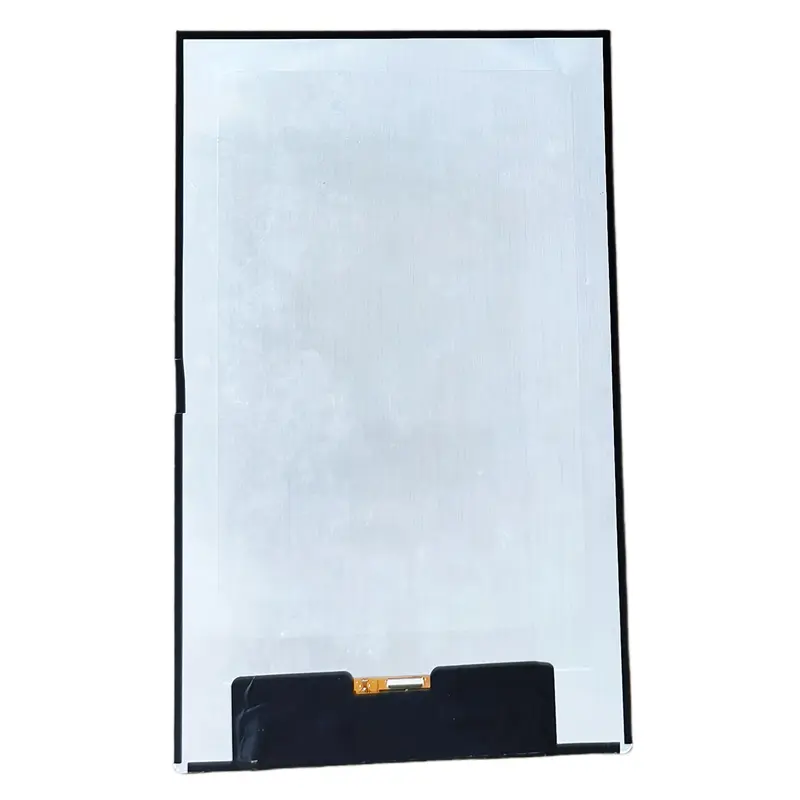
The rear-view image indicates a lower flex and electronics area. The precise FPC exit, bend direction, stiffener dimensions, connector engagement depth, and keep-out zone require an approved mechanical drawing.
The WLED backlight is identified as using 60 white LEDs, but its voltage, current, driver topology, dimming method, and power consumption are not confirmed. Backlight-driver selection must use the approved electrical specification rather than the LED count alone.
Temperature and Qualification Boundaries
The supplied operating and storage ranges are both −30°C to +80°C. This broad range should be confirmed in the production datasheet and then verified under the actual panel orientation, backlight drive, enclosure temperature, and operating duty cycle.
Temperature limits do not independently establish:
- Continuous high-temperature lifetime
- Thermal-cycling endurance
- Humidity resistance
- Vibration resistance
- EMC or ESD performance
- Waterproofing
- Outdoor suitability
- Automotive qualification
- Medical certification
The complete product should be qualified with the host board, backlight driver, cables, enclosure, protective lens, and mounting structure.
Application and Configuration Review
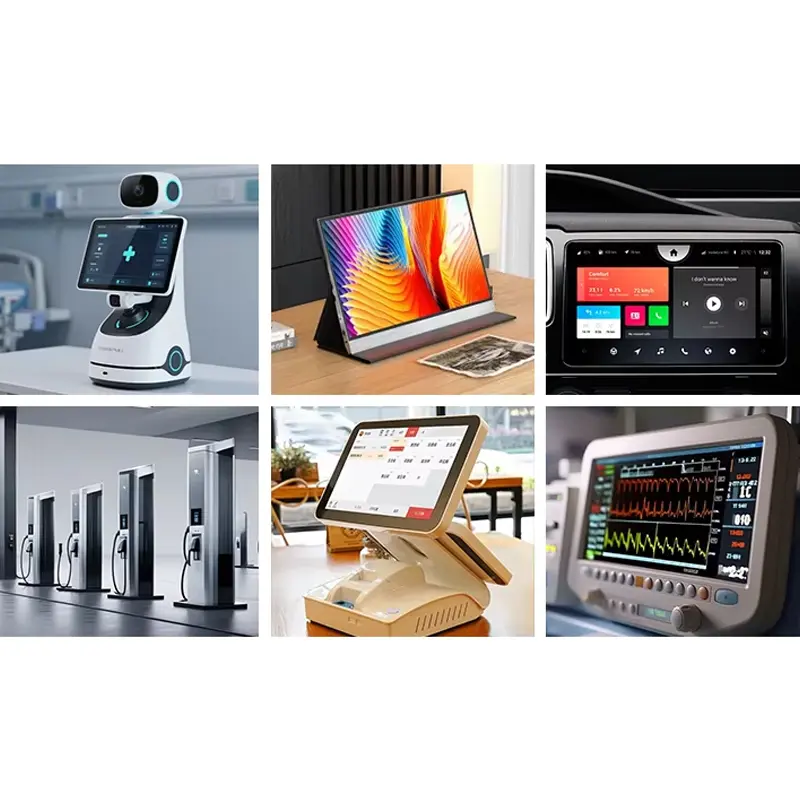
This portrait panel can be evaluated for:
- Indoor industrial signage
- Vertical information terminals
- Machine-status panels
- Production-information displays
- Process visualization screens
- Wayfinding interfaces
- Equipment instruction displays
- Commercial embedded systems
The module is a display component, not a finished monitor. Systems requiring HDMI, USB video, an enclosure, an operating system, touch input, a media player, or external communications need additional hardware.
Custom Configuration Scope
Project review may cover:
- Touch-panel integration
- Cover-glass shape and printing
- Optical bonding
- MIPI cable and connector details
- FPC orientation
- Backlight driving
- Mounting features
- Product labeling
- Qualification documentation
Custom configurations are generally reviewed from 500 pieces, subject to tooling requirements, material availability, and the requested specification. Sample and standard-module quantities are confirmed separately.
Procurement Checklist
Submit:
- Host processor or controller-board model
- MIPI DSI host specification
- Required lane count
- Video or command mode
- Native 1200 × 1920 timing
- Complete 51-pin assignment
- Connector manufacturer and pitch
- FPC contact orientation
- Panel power requirements
- Backlight power and dimming requirements
- Reset and enable requirements
- Enclosure drawing
- Front-window drawing
- FPC routing and bend restrictions
- Touch requirement
- Cover-glass requirement
- Operating environment
- Required qualification standards
- Sample quantity
- Annual demand
FAQ
About 16 Inch Portrait MIPI LCD Module
What must be checked before connecting this panel to a MIPI host?
Can a controller for another 1200 × 1920 MIPI panel operate this module?
Is 300 cd/m² sufficient behind cover glass?
What is required to add touch input?
How should the −30°C to +80°C operating range be qualified?
Freya Yang
+86 18318948097