Freya Yang
+86 18318948097
+852 62667476
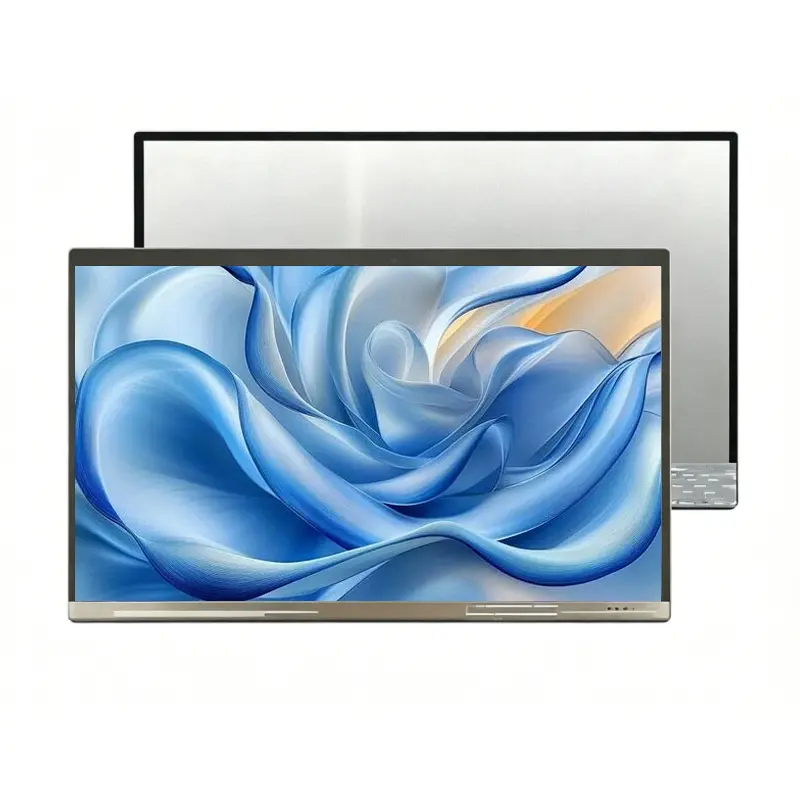
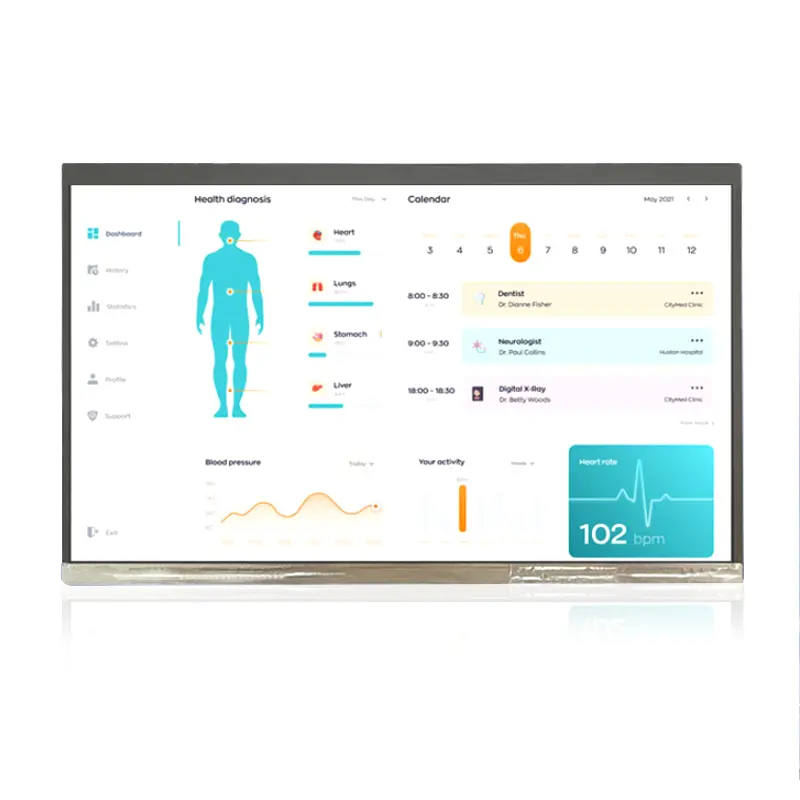
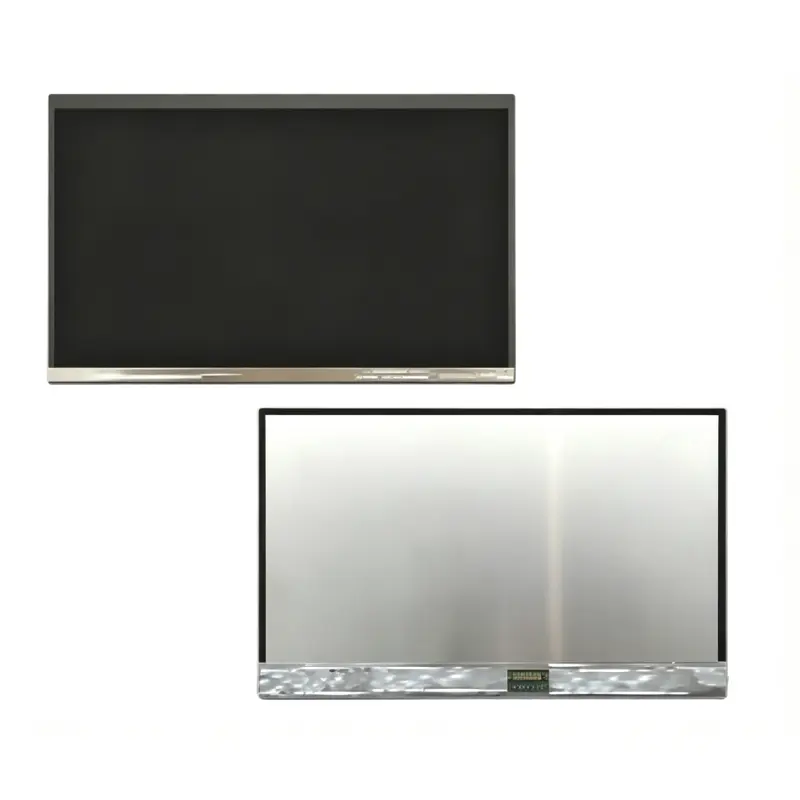
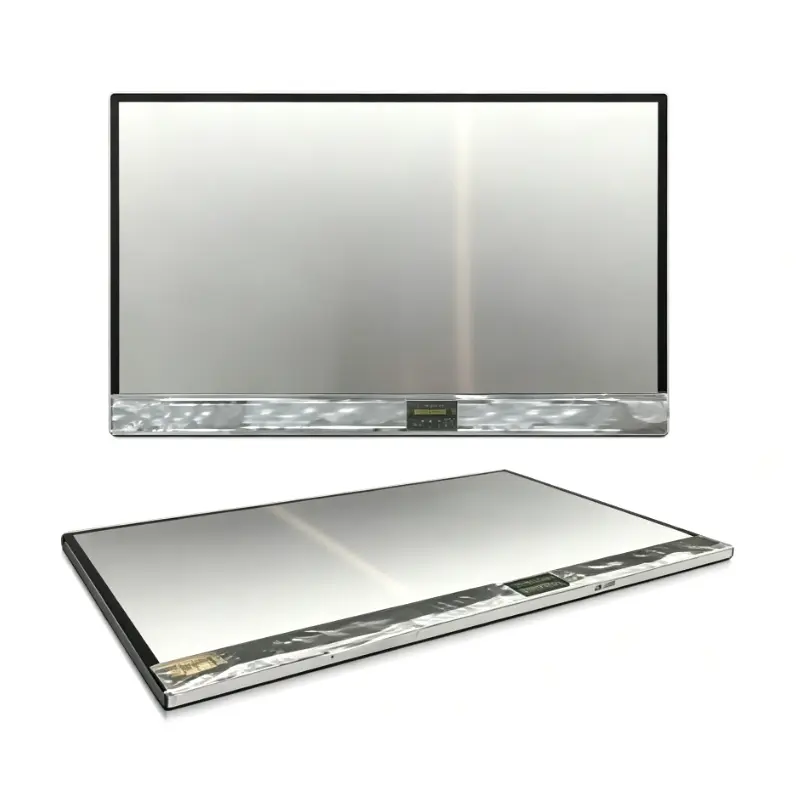
11.6 Inch Smart Home IoT Medical Equipment Display Module
Model P/N
Size
Resolution
Brightness
Viewing Angle
Connector Type
Operating Temp
Overall(mm)
huisoar
HS116007B0
Brand
Panel Size (inch)
Model P/N
Resolution
Brightness (nits)
Viewing Angle
Contrast Ratio
Response Time
Overall (mm)
Active Area (mm)
Bezel Opening
Display Colors
Panel Type
Connector Type
Surface Treatment
Operating Temp
Touchscreen Type
Storage Temp
Work Mode
Pixel Format
Designed For
11.6 Inch Smart Home IoT Medical Equipment Display Module
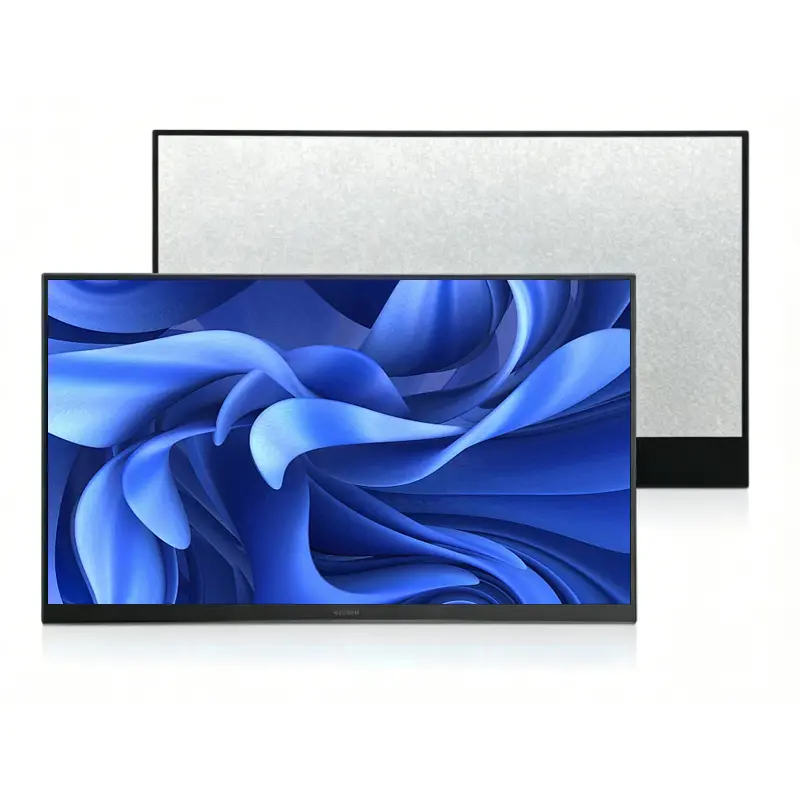
A Smart Home IoT Medical Equipment Display needs more than a high-resolution image. For embedded product development, the interface, optical output, enclosure fit and operating environment must all match the target system. This 11.6-inch IPS TFT-LCD module combines 1920 × 1080 Full HD resolution, 950 cd/m² typical luminance, a 30-pin MIPI interface and a slim mechanical footprint for smart-home panels, IoT terminals and professional equipment interfaces.
Its standard configuration is non-touch, giving system designers flexibility to use physical controls or develop a separate touch solution where interactive input is required.
Product Summary
The 11.6-inch format provides a useful balance between display area and enclosure size. A native 1920 × 1080 raster gives product designers enough resolution for detailed dashboards, multi-zone interface layouts, status graphics and high-density text without moving to a substantially larger panel.
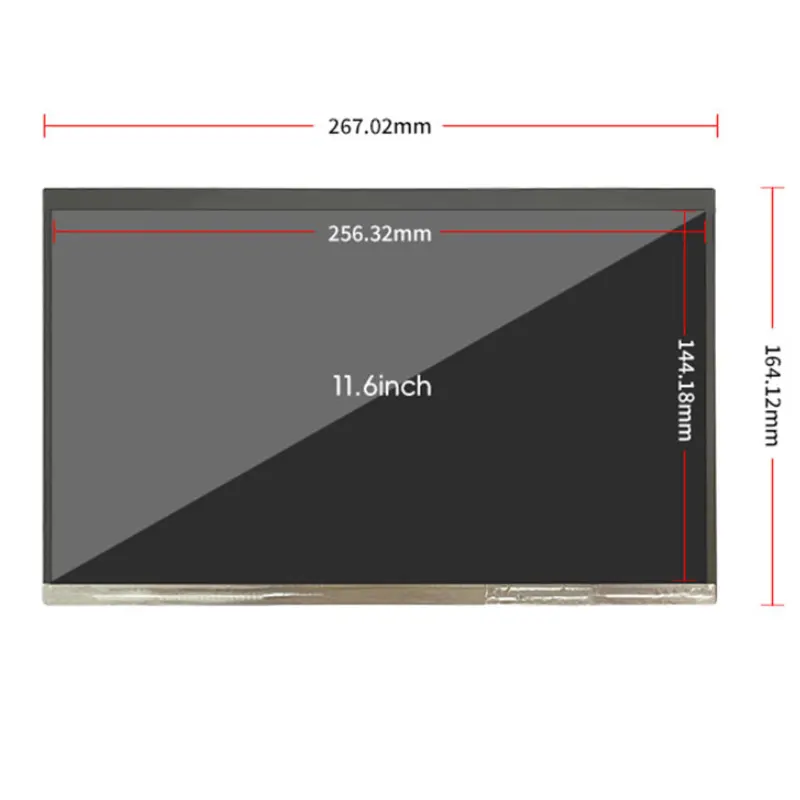
The active area is 256.32 × 144.18 mm within a 267.02 × 164.12 mm footprint. IPS viewing and 80° viewing angles in the specified left, right, upper and lower directions help maintain a stable image when the module is installed in wall panels, consoles or equipment where users do not always view the screen directly from the center.
Key Specifications
| Parameter | Value |
|---|---|
| Display size | 11.6 inches |
| Resolution | 1920 × 1080 pixels |
| Aspect ratio | 16:9 |
| Panel | a-Si IPS TFT-LCD |
| Optical mode | Transmissive |
| Luminance | 950 cd/m² typical |
| Contrast ratio | 500:1 typical |
| Viewing angle | 80°/80°/80°/80° L/R/U/D |
| Display colors | 65K/262K colors |
| Interface | MIPI |
| Connector | 30 pins |
| Pixel arrangement | RGB stripe |
| Active area | 256.32 × 144.18 mm |
| Footprint | 267.02 × 164.12 mm |
| Backlight | WLED |
| Touch | Non-touch |
| Operating temperature | −20°C to +70°C |
| Storage temperature | −30°C to +80°C |
Full HD IPS Performance for Embedded Interfaces
Native 1920 × 1080 workspace
Full HD resolution provides enough pixel space for modern embedded interfaces with several information zones on one screen. Smart-home control panels can combine environmental data, room controls and system status, while IoT terminals can present device information, alerts and network functions without relying on an oversized display.
For medical-equipment interfaces, the Full HD workspace can also accommodate instrument menus, numerical information and graphical UI elements. The display itself does not determine medical suitability; the completed device still requires the appropriate application-specific validation.
950 cd/m² typical luminance
The module provides 950 cd/m² typical luminance, positioning it above ordinary low-brightness indoor panels.
That output is useful for brightly illuminated equipment, vehicle cabins and high-ambient installations. However, panel luminance alone does not establish finished-system sunlight readability. Cover glass, reflection, bonding layers, installation angle and site illumination all affect the contrast seen by the user.
A 950 cd/m² panel does not by itself establish finished-system sunlight readability behind the final optical stack.
Smart Home IoT Medical Equipment Display Integration
This 11.6-inch component combines a high-resolution image platform with a compact MIPI connection for embedded device architecture. System integration should treat the LCD interface, backlight and optional user-input hardware as separate engineering paths.
30-Pin MIPI host qualification
The module uses a 30-pin MIPI connection, but matching the number of contacts is not sufficient to establish compatibility.
Before hardware release, confirm the ordered module's native timing, MIPI lane configuration and operating mode, complete pin assignment, connector orientation, electrical requirements and cable definition against the host platform.
A 30-pin connector does not guarantee MIPI compatibility with another display module.
The project should also confirm the panel power and WLED requirements independently because those electrical values are not established by the interface name alone.
Non-touch architecture
The standard configuration is non-touch.
This can be useful for wall-mounted information panels, equipment that uses physical buttons or rotary controls, and systems where user input is handled by another device. It also provides a clean base module when the product developer wants to define a separate touch stack rather than accept a predetermined touchscreen construction.
For an interactive smart-home or IoT panel, a touch solution should be engineered around the final cover glass, required input method, controller interface, mechanical stack and environmental conditions.
Slim Mechanical Integration
The 256.32 × 144.18 mm active image area provides a wide 16:9 workspace while the module footprint remains 267.02 × 164.12 mm.
Active area and enclosure planning
The difference between active area and outer footprint should be incorporated into the front-window and bezel design. Hardware teams should also allow space for connector orientation, cable bending and any additional front optical stack.
These dimensions are particularly relevant for slim wall-mounted smart-home controllers, embedded IoT terminals and compact equipment consoles where internal depth is limited.
Confirm final module depth before tooling
Mechanical depth should be locked from the approved production drawing.
Current dimensional references contain both 2.60 mm and 2 mm depth values. That difference may affect retaining brackets, rear clearance and cover-stack calculations even though the overall footprint is consistent.
Enclosure tooling must use the approved production drawing because the depth references differ.
Wide-Temperature Operation and Application Boundaries
The module operates from −20°C to +70°C and supports storage from −30°C to +80°C.
These module-level limits broaden the range of possible installations, but they do not automatically establish finished-system ratings for humidity, vibration, sealing, UV exposure or other environmental conditions.
Smart-home and IoT interface applications
The Smart Home IoT Medical Equipment Display route is particularly relevant to smart-home control panels, connected appliance interfaces, IoT information terminals and embedded control surfaces that need Full HD graphics and a compact component display.
MIPI integration can suit platforms designed around embedded high-resolution display connectivity, while the non-touch construction allows the input system to be selected separately.
Medical-equipment qualification boundary
Medical-equipment application wording does not establish finished-device medical certification.
The LCD can be integrated into medical-equipment interfaces, but the completed equipment must define and validate the applicable optical, electrical, EMC, cleaning, safety and regulatory requirements. If display performance is critical to a specific medical workflow, qualification should be based on the complete system rather than the bare panel specification.
Customization and Procurement Planning
Custom configurations are generally reviewed from 500 pieces, subject to tooling requirements, material availability and the requested specification. Sample and standard-module quantities are confirmed separately.
Project-specific review can cover MIPI cable and pin definition, controller matching, cover glass, anti-glare or anti-reflective treatment, optical bonding, separate touch development, mechanical adaptation, branding and packaging.
Procurement checklist
Before sample approval, submit:
- host processor or controller platform;
- native 1920 × 1080 timing requirements;
- complete 30-pin MIPI definition;
- required MIPI lane and mode information;
- panel and WLED electrical requirements;
- approved enclosure drawing;
- connector and cable orientation;
- front-window or cover-glass design;
- touch or non-touch requirement;
- target lighting conditions;
- operating and storage environment;
- medical qualification requirements where applicable;
- sample quantity and annual demand.
FAQ
About Smart Home IoT Medical Equipment Display Module
What must be checked before connecting a 30-pin MIPI host?
Is 950 cd/m² sufficient behind a protective front window?
How should a non-touch version be used in smart-home or IoT equipment?
Which thickness should control the enclosure design?
What must be confirmed before using this module in medical equipment?
Freya Yang
+86 18318948097