Freya Yang
+86 18318948097
+852 62667476
13.3 Inch Flexible AMOLED Screen Display Panel Assembly for OEM Design
Model P/N
Size
Resolution
Brightness
Viewing Angle
Connector Type
Operating Temp
Overall(mm)
huisoar
HS133X01S
Brand
Panel Size (inch)
Model P/N
Resolution
Brightness (nits)
Viewing Angle
Contrast Ratio
Response Time
Overall (mm)
Active Area (mm)
Refresh Rate
Bezel Opening
Display Colors
Panel Type
Connector Type
Surface Treatment
Operating Temp
Touchscreen Type
Storage Temp
Work Mode
Pixel Format
Control Type
Included Accessories
Operating Environment
Motherboard Type
I/O Interface
Designed For
13.3 Inch Flexible AMOLED Screen Display Panel Assembly for OEM Design
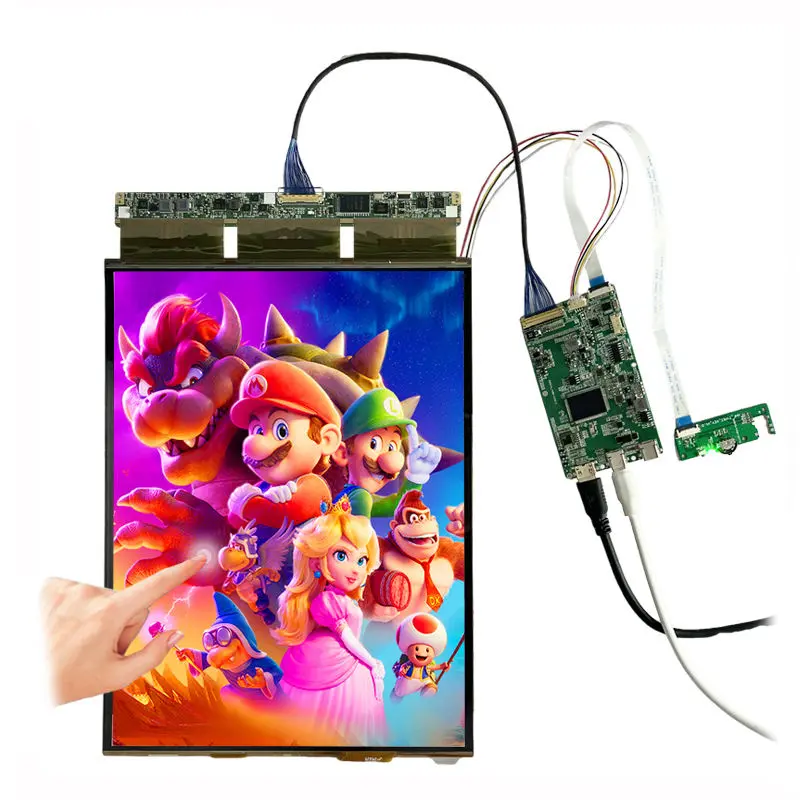
A 13.3-inch flexible AMOLED panel gives product developers a large 4:3 visual surface without the rigid mechanical profile of a conventional LCD assembly. The 13.3 Inch Flexible AMOLED Screen Display Panel Assembly combines QXGA-class resolution, eDP connectivity, 300 cd/m² luminance, 16.7M colors and an ultra-thin 0.53 mm panel structure. An on-cell capacitive-touch configuration with 10-point capability is also identified for interactive product development.
The pixel matrix appears as both 2048 × 1536 and 1536 × 2048 according to orientation. For engineering release, the native timing and intended portrait or landscape orientation should be locked before UI, cable and controller-board development.
Product Summary
QXGA Geometry for a Balanced 4:3 Workspace
A 2048 × 1536 pixel matrix provides a 4:3 workspace that is useful for dashboards, document-style interfaces, visual control layouts and content-rich smart products.
Unlike ultrawide display formats, 4:3 gives more vertical working area relative to width. That can be useful when a product needs controls, status information and detailed content on the same page rather than a long horizontal media strip.
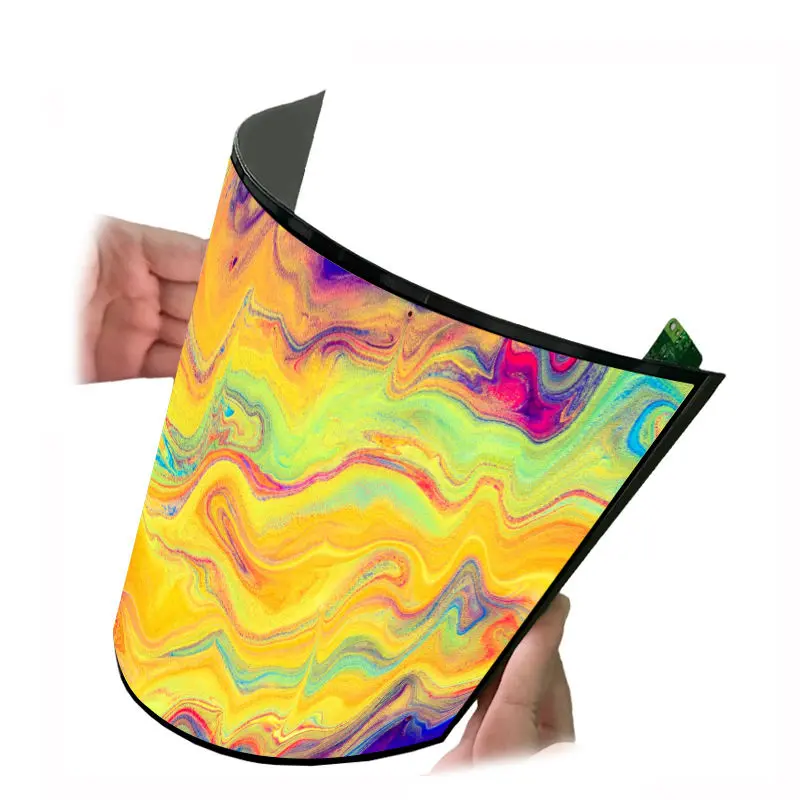
Thin Flexible Construction for Product-Led Mechanical Design
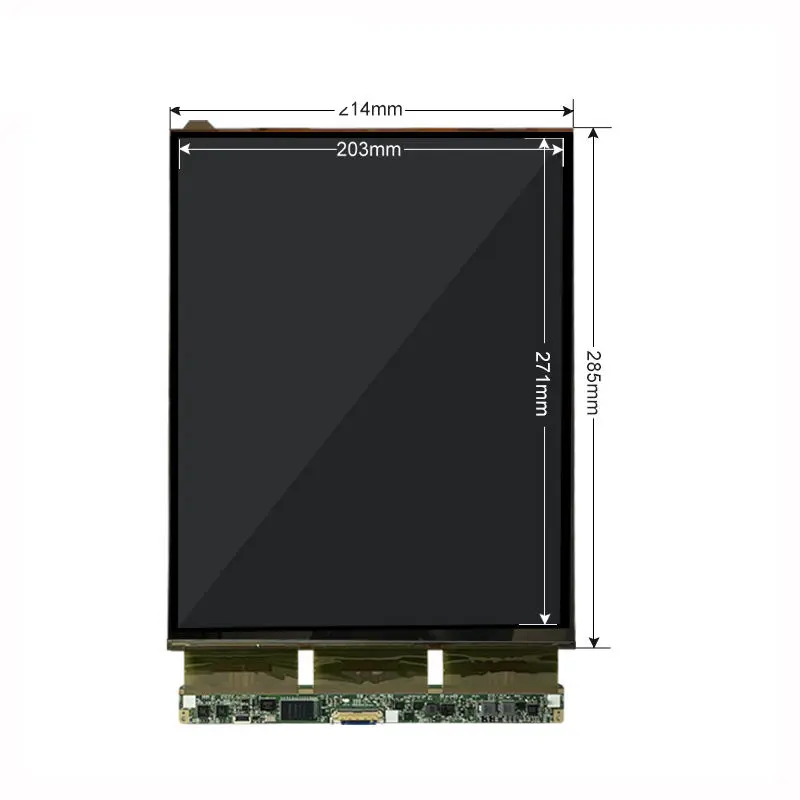
The panel outline is 213.80 × 284.80 × 0.53 mm, while the displayed active-area value is 271.00 × 203.00 mm. The 0.53 mm panel thickness creates significant flexibility for thin-product development, but the mechanical design still needs proper backing, edge support, cable clearance and controlled curvature.
Flexible AMOLED construction does not establish a validated minimum bend radius or repeated bend-cycle lifetime.
Key Specifications
| Parameter | Specification |
|---|---|
| Display size | 13.3 inches |
| Display technology | Flexible AMOLED / OLED |
| Resolution | 2048 × 1536 pixels; 1536 × 2048 orientation wording also applies |
| Native interface | eDP |
| Brightness | 300 cd/m² |
| Contrast ratio | 1,000,000:1 |
| Display colors | 16.7M colors, 8-bit |
| Viewing | 89/89/89/89° listed sequence, Typ., CR10 |
| Pixel pitch | 0.132 × 0.132 mm |
| Active area | 271.00 × 203.00 mm listed |
| Panel outline | 213.80 × 284.80 × 0.53 mm |
| Surface | Glare |
| Surface protection | 6H hard coat on cover window only; anti-fingerprint |
| Touch | On-cell capacitive, 10-point feature shown |
eDP Integration for the Flexible AMOLED Panel
Confirm the Complete Host-to-Panel Path
eDP is the native display interface, but the interface name alone does not establish host compatibility.
Before release, engineering should confirm native pixel timing, lane configuration, link rate, connector and cable definition, voltage domains, AUX communication, panel detection, and the exact ordered panel documentation.
An eDP interface label does not by itself establish lane, link-rate, voltage, pinout or host compatibility.
Keep Controller-Board Inputs Separate from Native eDP
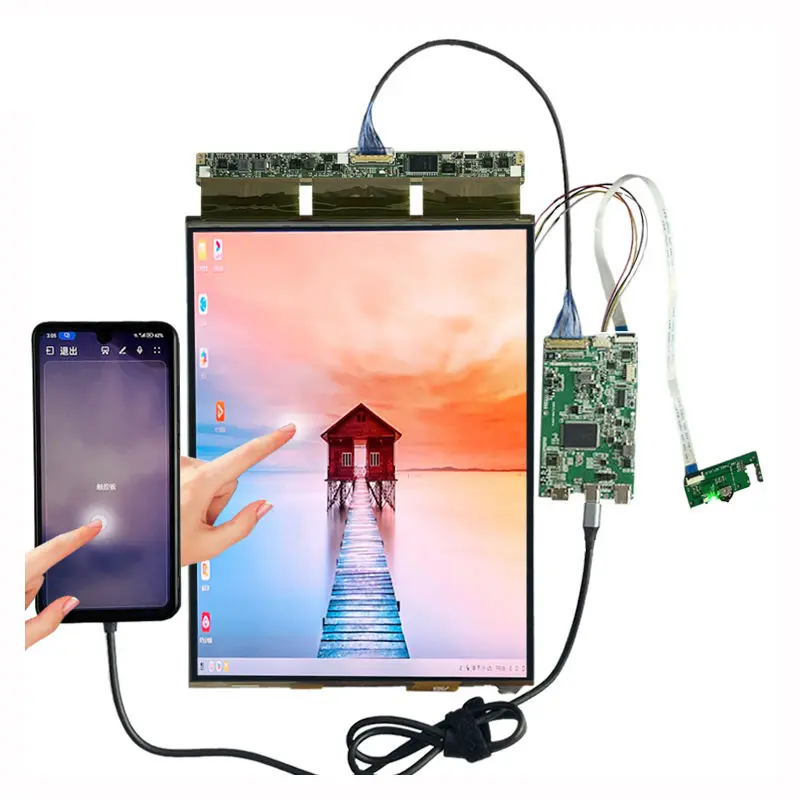
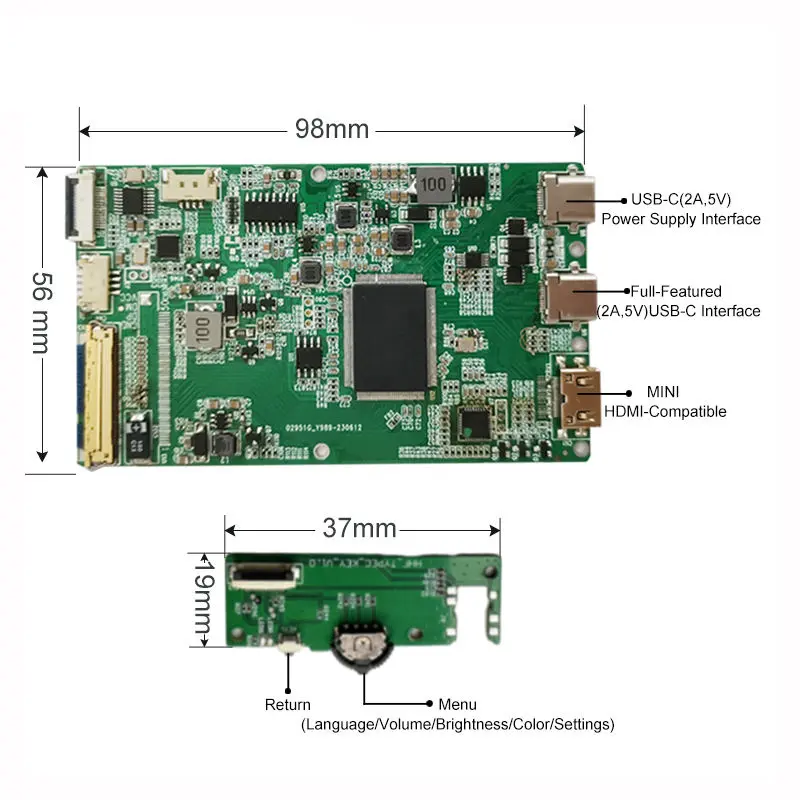
A separate controller board is shown with USB-C and Mini HDMI-compatible connections. Those ports belong to the board configuration, not to the bare AMOLED panel.
If an OEM project requires HDMI-compatible or USB-C system input, the board should be treated as an active conversion and control path. Confirm its model, firmware, power requirement, cables and inclusion separately from the panel.
USB-C and Mini-HDMI-compatible ports shown on the controller board are not native panel I/O.
13.3 Inch Flexible AMOLED Screen Display Panel Assembly Integration
Use Active Area and Outline as Separate Mechanical Boundaries
The visible image area and physical panel envelope serve different enclosure functions. Front-window design should follow the active area, while support structures and mechanical clearances must use the approved overall drawing.
The flexible tail, electronics zone, touch routing and edge support should also remain outside high-stress curvature regions unless the production mechanical document explicitly allows otherwise.
Define Bend Conditions Before Tooling
Flexible imagery should not be converted into an unlimited bending claim.
OEM teams should define whether the final product requires:
- a permanently curved shape;
- a temporary installation bend;
- repeated dynamic flexing;
- concave or convex curvature.
The required minimum radius and cycle target should then be qualified for that exact use condition before tooling release.
AMOLED Optical and Surface Performance
300 cd/m² with High Native Contrast
The selected configuration uses 300 cd/m² luminance and a 1,000,000:1 contrast specification.
AMOLED is self-emissive, allowing dark pixels to reduce their own output instead of relying on a common LCD backlight. This architecture supports strong dark-scene separation and visually distinct interface layers.
The selected 300 cd/m² panel rating does not establish sunlight readability.
For a finished device, evaluate the panel behind the actual cover window under representative ambient lighting.
Glare Surface Must Not Be Treated as Anti-Glare
The surface specification is glare, not anti-glare.
It also identifies a hard coat with the 6H statement applying to the cover window only, together with anti-fingerprint treatment. These distinctions matter when defining front-surface expectations and protective-layer requirements.
On-Cell Capacitive Touch Planning
The configuration shows on-cell capacitive touch with 10-point operation, reducing the need for a separate thick external touch sensor layer.
However, the touch communication path remains a separate engineering item. Confirm the touch controller, host interface, connector or FPC, operating voltage, firmware, reset/interrupt signals and required operating-system support before host-board release.
On-cell 10-point capacitive touch does not by itself identify the touch-controller communication interface.
Application Direction for Smart and Custom Products
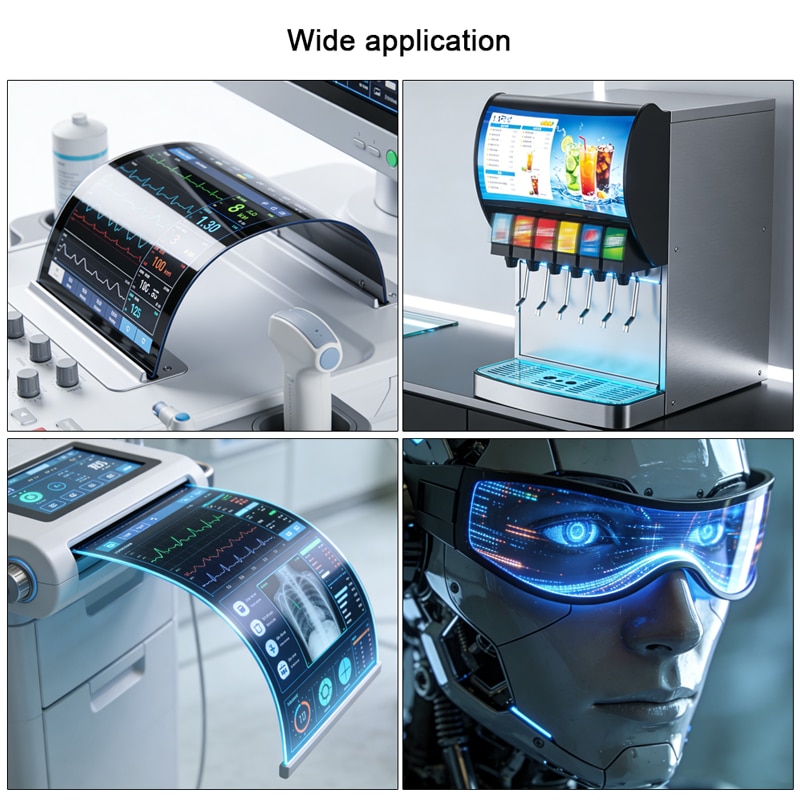
The 13.3 Inch Flexible AMOLED Screen Display Panel Assembly is suited to display-led OEM concepts where shape, thickness and visual presentation matter as much as raw pixel count.
Potential project directions include smart-product interfaces, curved control surfaces, portable visual terminals, premium embedded interfaces, prototype displays and custom products that need a larger 4:3 AMOLED visual area.
Its strongest value is not generic panel replacement. It is mechanical and visual integration into products that can make practical use of a thin flexible display architecture.
Customization and Project Review
Project review may cover:
- eDP cable and host definition;
- touch-controller integration;
- panel and touch mechanical stack;
- target curvature;
- cover-window geometry;
- controller-board selection;
- enclosure support;
- branding and packaging.
Custom configurations are generally reviewed from 500 pieces, subject to tooling requirements, material availability and the requested specification. Sample and standard-module quantities are confirmed separately.
Procurement Checklist
Before sample approval, confirm the exact production revision, native pixel orientation, QXGA timing, complete eDP implementation, panel power documentation, brightness grade, touch controller and interface, panel and touch drawings, FPC routing, front-window stack, controller-board requirement and environmental conditions.
Also define the intended curvature, minimum bend radius target, static or dynamic bend requirement, expected flex-cycle qualification, 300 cd/m² optical environment, surface-treatment requirement, sample criteria, annual demand and production schedule.
FAQ
About 13.3 Inch Flexible AMOLED Screen Display Panel Assembly
What must be checked before connecting an eDP host?
Which resolution orientation should control the product design?
What bend information is required before curved enclosure tooling?
How should the on-cell 10-point touch feature be qualified?
Are USB-C and Mini HDMI-compatible ports native panel inputs?
Freya Yang
+86 18318948097