Freya Yang
+86 18318948097
+852 62667476
15.6″ LCD 1920×1080 1000 Nits EV Charger Display Industrial Monitor
Model P/N
Size
Resolution
Brightness
Viewing Angle
Connector Type
Operating Temp
Overall(mm)
huisoar
HS156018A0
Brand
Panel Size (inch)
Model P/N
Resolution
Brightness (nits)
Viewing Angle
Contrast Ratio
Response Time
Overall (mm)
Active Area (mm)
Refresh Rate
Display Colors
Panel Type
Connector Type
Operating Temp
Touchscreen Type
Storage Temp
Work Mode
Pixel Format
Operating Environment
Designed For
15.6" LCD 1920x1080 1000 Nits EV Charger Display Industrial Monitor
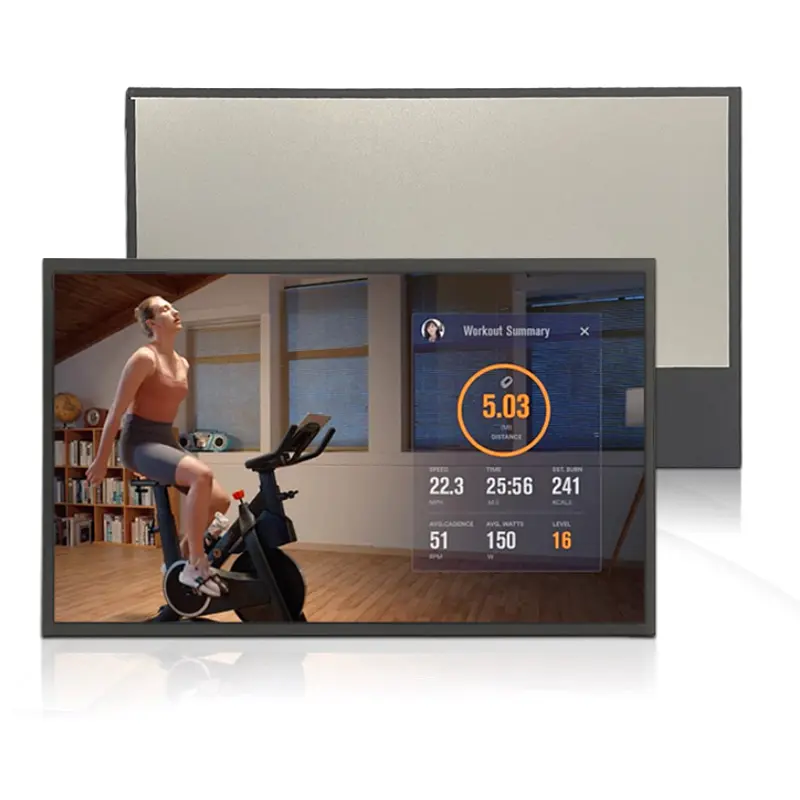
This 15.6-inch IPS TFT-LCD module is designed for equipment that needs a large Full HD viewing area, strong luminance and an established LVDS integration path. The 1920x1080 1000 Nits EV Charger Display Industrial Monitor search configuration combines 1000 cd/m² typical brightness, 344.16 × 193.59 mm active area, wide IPS viewing and a 40-pin LVDS interface for professional display integration.
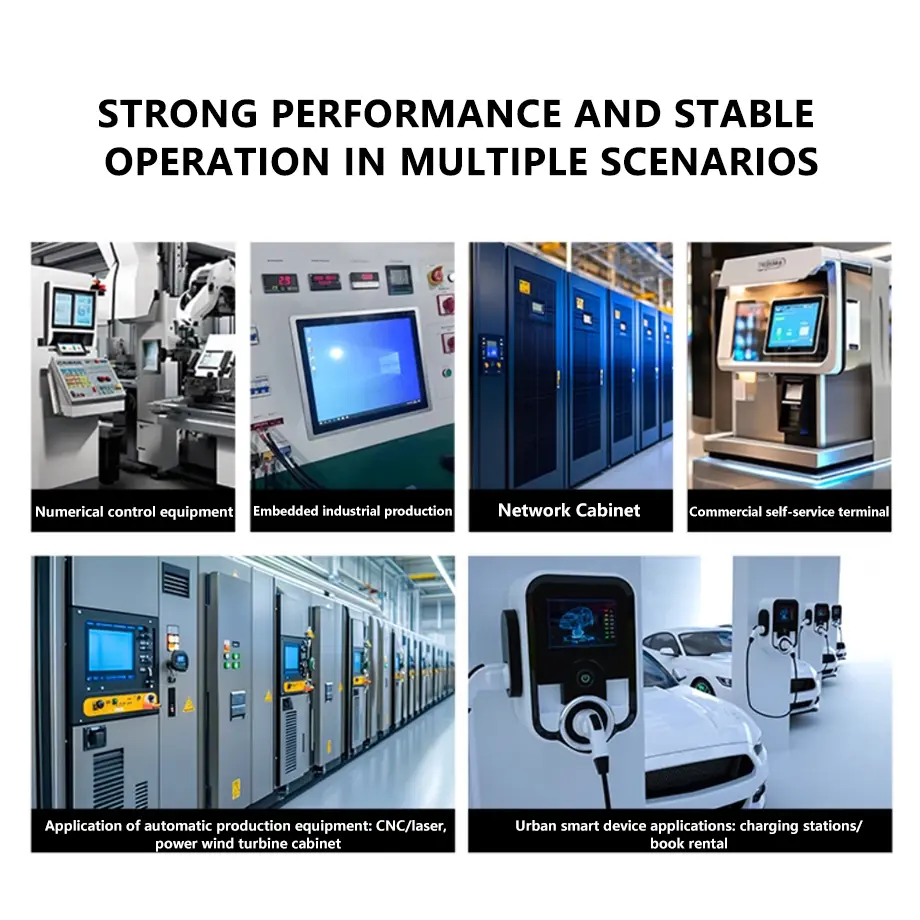
It is particularly relevant to charging equipment, fuel dispensers, agricultural machinery and industrial-computer systems where standard indoor-panel brightness may provide insufficient optical headroom.
Product Summary
The 15.6-inch format gives interface designers significantly more usable area than compact embedded screens while retaining a conventional 16:9 Full HD layout.
Full HD Workspace for Equipment Interfaces
Native 1920 × 1080 resolution supports detailed operating screens, equipment status pages, graphical controls, warnings and multi-zone information layouts.
The 344.16 × 193.59 mm active area also provides a practical reference for bezel openings and interface artwork. Native-resolution content should be prepared for the 16:9 raster rather than relying on unnecessary scaling.
IPS Viewing for Shared Equipment
The panel uses an IPS structure with a confirmed 80°/80°/80°/80° viewing specification in the left, right, up and down directions.
This viewing range is valuable in charging equipment, industrial terminals and machinery interfaces where operators may approach the display from different positions rather than maintaining one fixed eye line.
Key Specifications
| Parameter | Specification |
|---|---|
| Size | 15.6 inches |
| Resolution | 1920 × 1080 pixels |
| Aspect Ratio | 16:9 |
| Technology | IPS TFT-LCD |
| Optical Mode | Transmissive |
| Brightness | 1000 cd/m² typical |
| Contrast | 1000:1 typical |
| Viewing Angle | 80°/80°/80°/80° L/R/U/D |
| Display Colors | 16.7M |
| Pixel Arrangement | RGB stripe |
| Pixel Pitch | 0.17925 × 0.17925 mm |
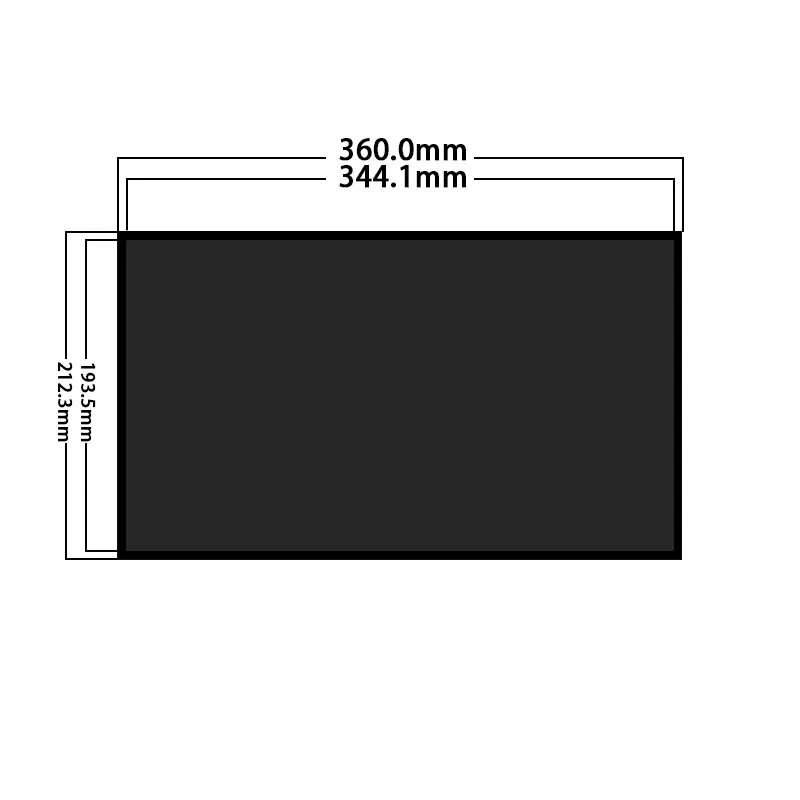
| Active Area | 344.16 × 193.59 mm |
| Detailed Overall Size | 360.00 × 212.30 × 5.50 mm |
| Interface | LVDS, 40 pins |
| Backlight | WLED |
| Touch | No touch |
| Operating Temperature | −20°C to +70°C |
| Storage Temperature | −30°C to +80°C |
1000 cd/m² Bright-Ambient Performance
The 1000 cd/m² typical luminance gives the panel more optical headroom for installations exposed to strong indoor lighting, window-facing conditions or outdoor-adjacent equipment.
Luminance Versus Finished-System Readability
A 1000 cd/m² panel does not by itself establish finished-system direct-sun readability.
Cover glass, reflection, air gaps, optical bonding, installation angle and enclosure temperature can change the effective result significantly. Outdoor EV-charger engineering guidance similarly treats sunlight readability as a system-level optical and thermal problem rather than a brightness number alone.
For a charging-station project, evaluate the module behind the intended front window under representative site lighting before locking the readability requirement.
1000:1 Typical Contrast
The 1000:1 typical contrast ratio supports separation between text, status indicators and UI backgrounds.
Contrast remains particularly important in high-ambient-light equipment because reflections can reduce perceived image separation even when the panel itself has high luminance.
Integrating the 1920x1080 1000 Nits EV Charger Display Industrial Monitor
The display should be qualified as a TFT-LCD component within the final system rather than treated as a finished industrial monitor.
40-Pin LVDS Qualification
The module uses a 40-pin LVDS interface.
A matching 40-pin connector does not guarantee LVDS timing, voltage, channel configuration, bit mapping or pin compatibility.
Before controller-board or cable release, confirm the native 1920 × 1080 timing, complete pin assignment, LVDS channel and bit format, connector pitch, contact direction, cable orientation and panel electrical requirements.
This is especially important during replacement projects because two 15.6-inch Full HD LVDS panels can share the same connector count while using different electrical definitions.
Standard Non-Touch Architecture
The standard module is non-touch.
For a charging station or interactive equipment project, touch should therefore be handled as a separate design requirement. The touch technology, controller, communication interface, cover glass, bonding structure and final mechanical envelope all need independent definition.
Projects that use physical buttons, keys or another external input method can retain the standard non-touch configuration.
Mechanical Fit and Enclosure Planning
Mechanical dimensions should be fixed before bezel and enclosure tooling.
Active Area and Pixel Pitch
The active display area is 344.16 × 193.59 mm, while the confirmed pixel pitch is 0.17925 × 0.17925 mm.
The active area determines the visible image window. The complete module outline controls mechanical clearance and mounting design, so these two values should not be substituted for one another.
5.00 mm Versus 5.50 mm Thickness
The detailed configuration gives 360.00 × 212.30 × 5.50 mm.
A lower-precision catalog entry rounds the module to approximately 360 × 212 mm and lists 5 mm maximum thickness. Because that difference can affect tight enclosure designs, the approved production drawing should control final tooling release.
Temperature Range and Equipment Environment
The module is specified for operation from −20°C to +70°C and storage from −30°C to +80°C.
These values provide a useful component-level temperature envelope for industrial equipment and charging-system design.
The −20°C to +70°C operating range does not establish weatherproofing, UV resistance or an enclosure IP rating.
Outdoor installations still require system-level review of internal temperature, solar loading, ventilation, sealing, humidity and front-window construction.
EV Charger and Industrial Applications
The 1920x1080 1000 Nits EV Charger Display Industrial Monitor route is particularly relevant when the display component must combine Full HD information density, elevated luminance and a familiar embedded interface.
EV Charging Equipment
Charging-station interfaces can use the 15.6-inch Full HD area for charging status, operating instructions, energy information, pricing or other site-specific UI content.
The final charger design must separately define user input, front protection, ambient-light performance and environmental sealing.
Fuel Dispensers and Outdoor-Adjacent Terminals
Fuel-dispenser and similar equipment projects benefit from the combination of 1000 cd/m² typical luminance, wide IPS viewing and a relatively slim display module.
The final optical result should be qualified behind the specified cover window.
Agricultural Machinery and Industrial Computers
The large 16:9 display area can support machine status, operating parameters, graphical control pages and monitoring information.
For industrial computers, 40-pin LVDS compatibility must be checked against the actual motherboard or display controller rather than assumed from connector shape.
Configuration and Customization
Custom configurations are generally reviewed from 500 pieces, subject to tooling requirements, material availability and the requested specification. Sample and standard-module quantities are confirmed separately.
Project evaluation may cover LVDS cable and pin definition, cover glass, AG/AR treatment, optical bonding, separately engineered touch, brightness/front-stack optimization, enclosure adaptation, branding and packaging.
Procurement Checklist
Before sample approval, confirm the exact production revision, native 1920 × 1080 timing, full 40-pin LVDS pin assignment, channel and bit mapping, connector orientation and cable.
Also confirm panel input voltage and current, WLED voltage/current/control requirements, 344.16 × 193.59 mm active area, 0.17925 × 0.17925 mm pixel pitch and the approved mechanical drawing.
Lock the 1000 cd/m² luminance tolerance, 1000:1 typical contrast, 80°/80°/80°/80° viewing specification, standard non-touch status, −20°C to +70°C operating range and −30°C to +80°C storage range.
For outdoor-facing equipment, additionally define front-window transmission and reflection, sealing, humidity, UV exposure, thermal conditions and applicable compliance requirements.
FAQ
About 15.6" LCD EV Charger Display Industrial Monitor
What must be checked before replacing another 40-pin LVDS panel?
Is 1000 cd/m² sufficient for an EV charger installed in direct sunlight?
Does this module include touch for an interactive charging interface?
Which mechanical thickness should control the enclosure design?
What environmental information is needed before using the panel in outdoor charging equipment?
Freya Yang
+86 18318948097