Freya Yang
+86 18318948097
+852 62667476
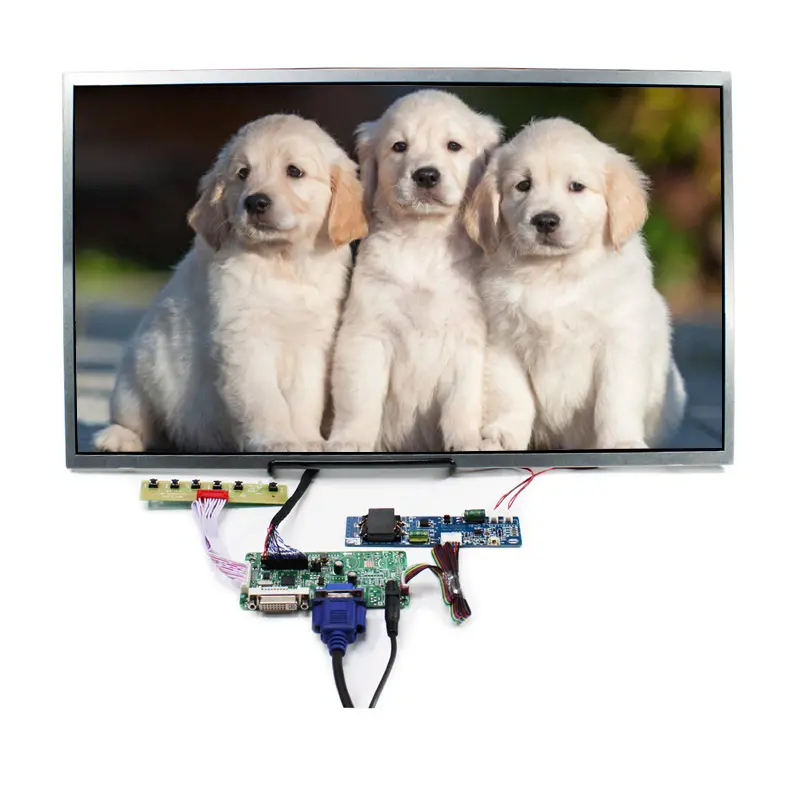
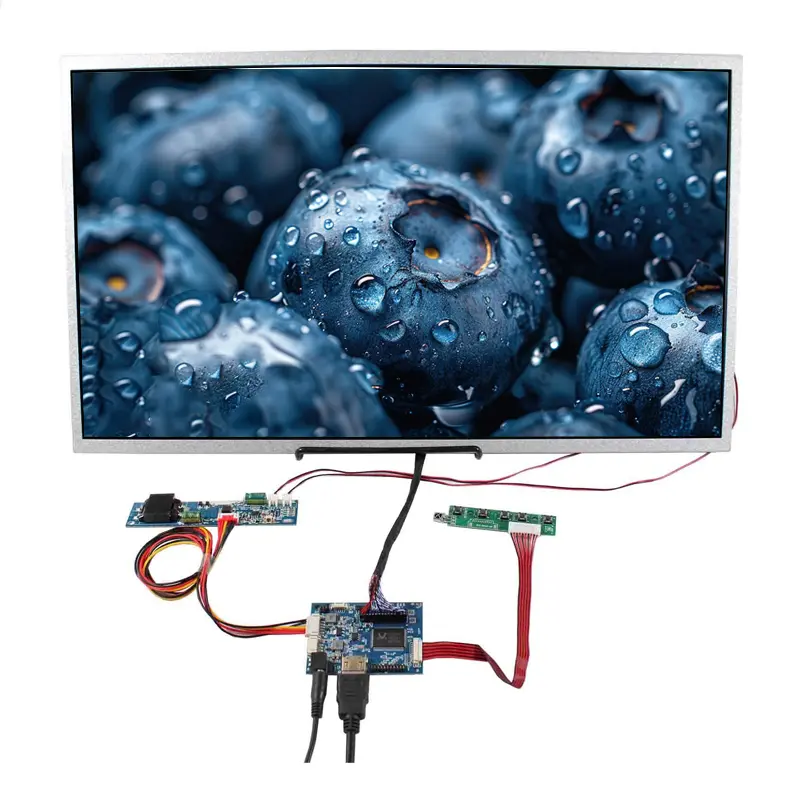
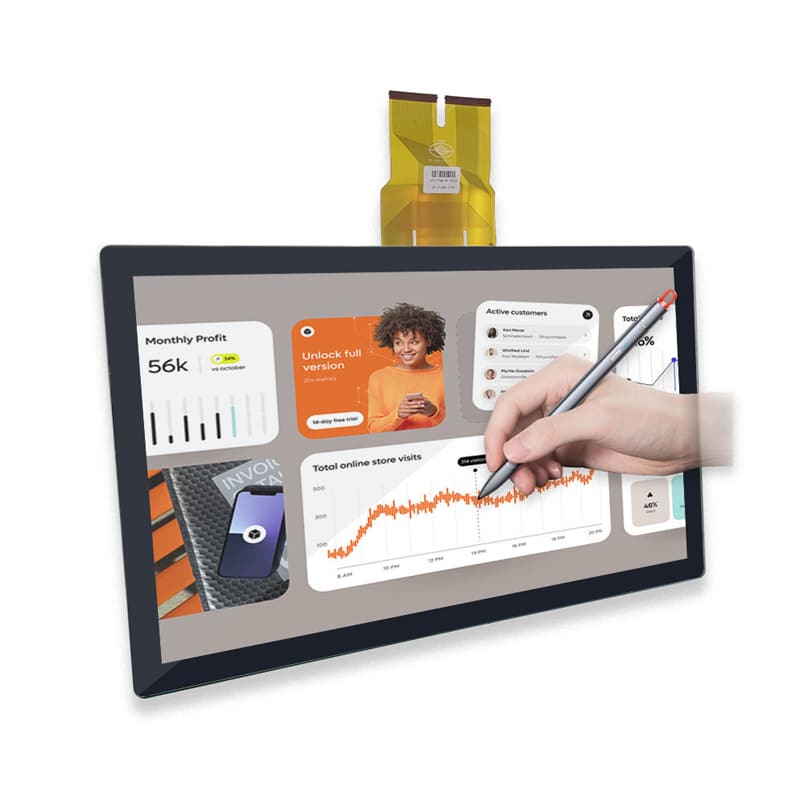
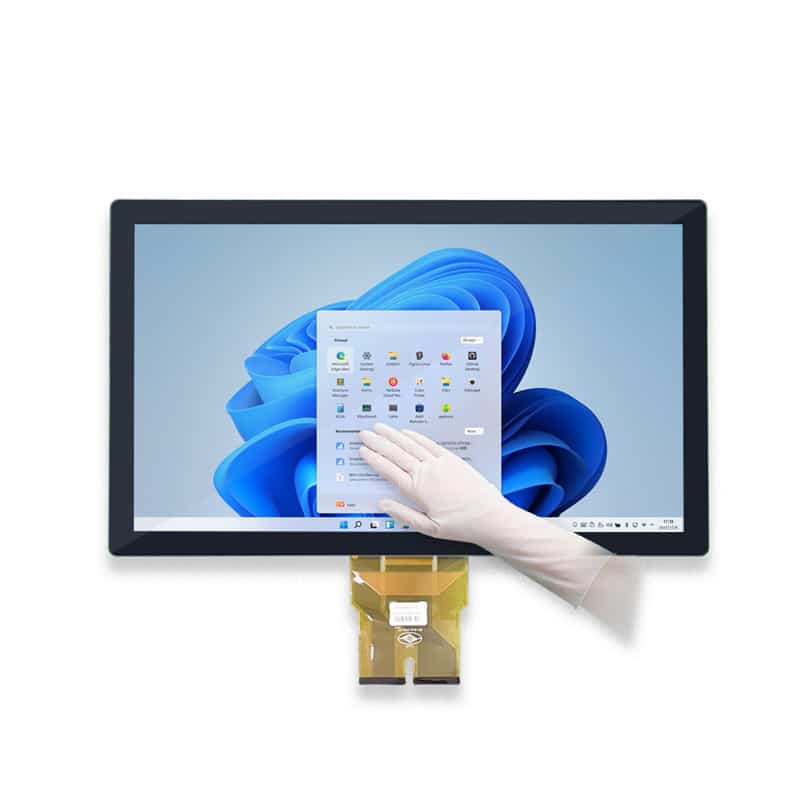
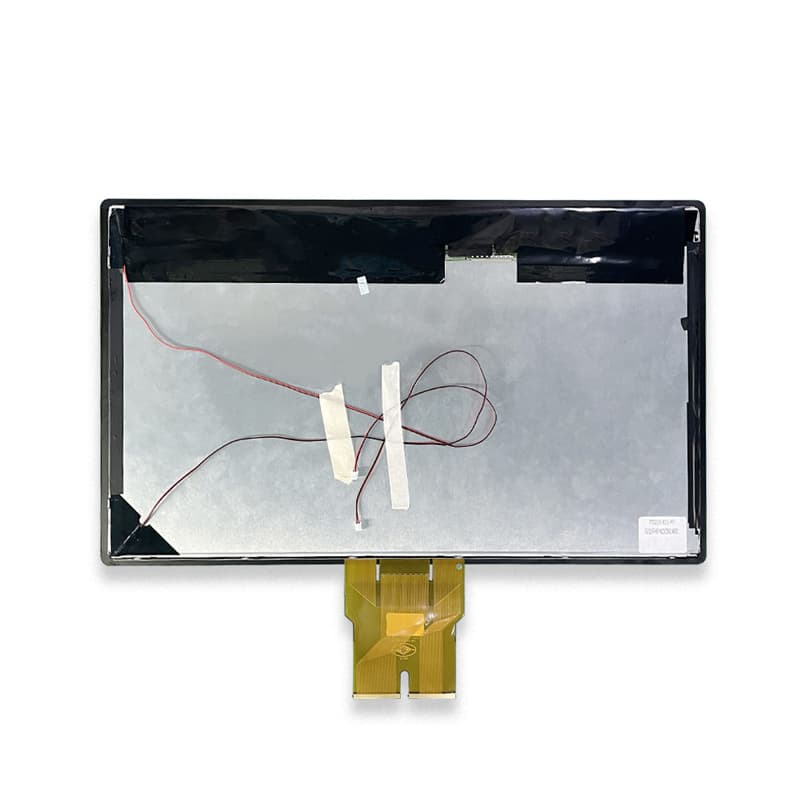
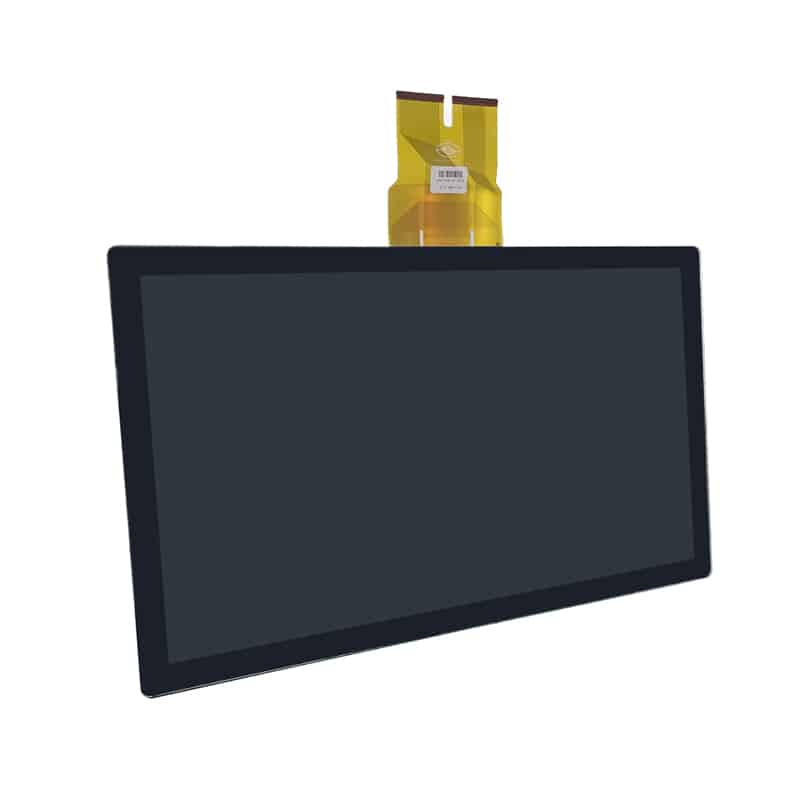
21.5 Inch Retail Digital Poster LCD Display Module for Kiosks
Model P/N
Size
Resolution
Brightness
Viewing Angle
Connector Type
Operating Temp
Overall(mm)
huisoar
HS21.5A1609V1
Brand
Panel Size (inch)
Model P/N
Resolution
Brightness (nits)
Viewing Angle
Contrast Ratio
Response Time
Overall (mm)
Active Area (mm)
Refresh Rate
Display Colors
Panel Type
Connector Type
Surface Treatment
Operating Temp
Touchscreen Type
Storage Temp
Work Mode
Pixel Format
Input Voltage (V)
Weight (g)
Operating Environment
I/O Interface
Designed For
21.5 Inch Retail Digital Poster LCD Display Module for Kiosks
Built around a Full HD VA panel, this module combines a 650 cd/m² luminance target with a 30-pin LVDS signal path for retail poster and kiosk integration.
Product Summary
The Retail Digital Poster LCD Display Module is a 21.5-inch TFT-LCD component for advertising posters, welcome displays, information kiosks and covered commercial installations. The controlled configuration uses a native 1920 × 1080 canvas, VA normally-black operation and a 476.64 × 268.11 mm active area. Its anti-glare 3H surface, 5000:1 typical contrast and 16.7M-color path support text, promotional images and video-based interfaces in indoor or protected high-ambient-light locations.
The selected luminance is 650 cd/m², measured at panel level. Final visibility depends on the cover, printing, bonding and installation lighting. The defined native interface is two-channel, 8-bit LVDS through 30 pins. Confirm the ordered interface and resolution revision before controller-board release.
Key Specifications
| Parameter | Specification |
|---|---|
| Display size | 21.5 inches |
| Native resolution | 1920 × 1080 pixels |
| Panel mode | VA TFT-LCD, normally black |
| Active area | 476.64 × 268.11 mm |
| Module outline | 495.6 × 292.2 × 24.05 mm |
| Selected luminance | 650 cd/m² |
| Contrast ratio | 5000:1 typical |
| Viewing data | 89°/89°/89°/89° typical raw sequence |
| Response time | 25 ms typical, Tr+Tf |
| Display colors | 16.7M, 8-bit |
| Surface treatment | Anti-glare, 3H |
| Display interface | Two-channel, 8-bit LVDS |
| Connector | 30 pins |
| Panel input | 5.0 V typical |
| Backlight | WLED with LED driver |
| Backlight life | 50,000 hours |
| Operating temperature | −10°C to +80°C |
| Storage temperature | −20°C to +80°C |
| Touch status | Configuration-dependent; type and interface require confirmation |
| IP rating | No IP rating |
Full HD Content and Poster Layout
Build at the Native Raster
Prepare artwork at 1920 × 1080 pixels to avoid unnecessary scaling. Keep essential text, prices and graphics inside the confirmed active area with clearance for the bezel or printed cover border.
Confirm Portrait Rotation
A landscape-native panel does not automatically prove portrait rotation or player support. Confirm framebuffer rotation, boot orientation and touch-coordinate transformation. Portrait content may be authored at 1080 × 1920 after the controller path is approved.
Retail Digital Poster LCD Display Module Integration
Qualify the 30-Pin LVDS Connection
A matching 30-pin connector does not guarantee electrical compatibility. The controller review must cover LVDS channel count, bit mapping, pixel clock, synchronization, voltage levels, connector orientation and cable definition. The specified 5.0 V panel input also does not define the complete backlight-driver or system-power requirement.
Separate Native Panel Signals from External Video Inputs
The panel-level configuration uses LVDS. HDMI, DisplayPort, USB media playback or MIPI operation requires a suitable controller or a separately approved product revision. Do not connect a host merely because a project reference mentions another interface. Obtain the ordered pin assignment, timing table and board diagram before hardware release.
Optical Performance for Retail Environments
Validate 650 cd/m² Behind the Final Front Stack
The 650 cd/m² target is suitable for bright indoor retail, exhibition, lobby and sheltered kiosk environments after optical validation. It does not establish direct-sunlight readability. Measure final luminance, black level and contrast through the production cover glass under the actual lighting and viewing distance.
Use the Anti-Glare Surface Correctly
The anti-glare 3H surface helps control reflections and provides a defined hardness grade at the panel surface. A separate cover lens can change haze, clarity, contrast and perceived sharpness. Review air bonding, optical bonding, printed borders and cleaning requirements as one optical stack.
Touch and SDK Configuration Boundaries
Specify the Touch Technology as a Separate Assembly
Capacitive, resistive and infrared touch options use different mechanical and electrical systems. Specify the technology, controller, interface, point count, cover, bonding and environmental requirements. Do not assume touch is installed in the LCD-only configuration.
Define the SDK and Media-Player Scope
An SDK label does not establish the operating system, processor, storage, codecs or remote-management features. Submit the media player or motherboard and define local playback, external video, embedded application or network-managed signage. Qualify startup, rotation, updates and recovery after power interruption.
Mechanical and Thermal Planning
Release the Enclosure from an Approved Drawing
The specified module outline is 495.6 × 292.2 × 24.05 mm. Use a revision-controlled drawing to confirm mounting points, connector position, cable exit, LED-driver clearance and bezel overlap. A specified 1.63 kg value requires confirmation because the same value appears in packaging information; do not design the support structure from that number alone.
Check the Complete Temperature Profile
The specified ranges are −10°C to +80°C in operation and −20°C to +80°C in storage. They do not define enclosure temperature, humidity, condensation or duty-cycle performance. Validate the complete assembly with its controller, power supply, cover and ventilation.
Recommended Applications
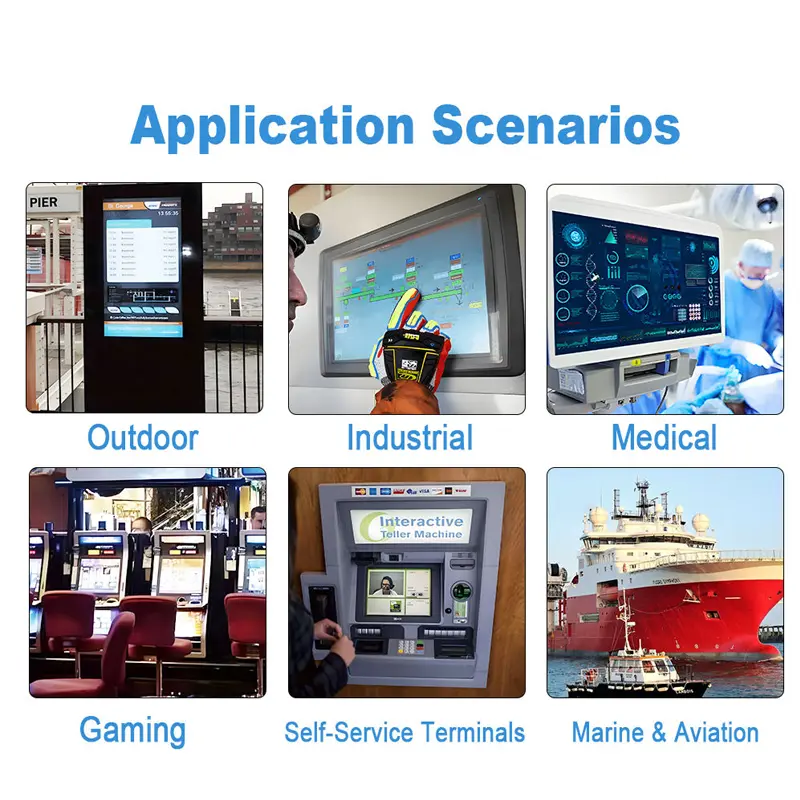
The Retail Digital Poster LCD Display Module can be evaluated for retail promotions, menu and product displays, shopping-mall information points, exhibition welcome screens, protected kiosk interfaces and commercial wayfinding. Outdoor use requires a qualified enclosure, front protection, thermal design and site-specific optical testing because the module has no IP rating.
Customization and Procurement
A custom Retail Digital Poster LCD Display Module project may review luminance, touch technology, cover glass, optical bonding, interface board, cable routing, printed borders, mechanical frame, branding and packaging. Custom configurations are generally reviewed from 500 pieces, subject to tooling, material availability and the requested specification. Sample and standard-module quantities are confirmed separately.
Procurement Checklist
- Confirm the approved module revision and supplier configuration.
- Approve the native 1920 × 1080 timing and required portrait rotation.
- Resolve any 2160 × 3840 and MIPI variant requirements against the detailed Full HD LVDS configuration.
- Obtain the complete 30-pin, two-channel, 8-bit LVDS assignment.
- Confirm 5.0 V panel input and all backlight-driver voltage, current, enable and dimming requirements.
- Approve the 476.64 × 268.11 mm active area and 495.6 × 292.2 × 24.05 mm outline.
- Validate 650 cd/m² behind the final cover stack.
- Confirm the touch technology, controller, interface, point count and combined dimensions.
- Define the media board, SDK, operating system, content workflow and network functions.
- Confirm module weight, mounting points and cable-clearance requirements.
- Define the operating environment, duty cycle, humidity, sealing and compliance requirements.
- Provide sample quantity, annual demand and production schedule.
FAQ
About 21.5 Inch Retail Digital Poster LCD Display Module
Which interface should control the design: MIPI or 30-pin LVDS?
How should content be prepared for a vertical digital poster?
Is 650 cd/m² sufficient for a storefront or outdoor kiosk?
What information is required when adding touch?
Does the SDK function mean a media player is included?
Freya Yang
+86 18318948097