Freya Yang
+86 18318948097
+852 62667476
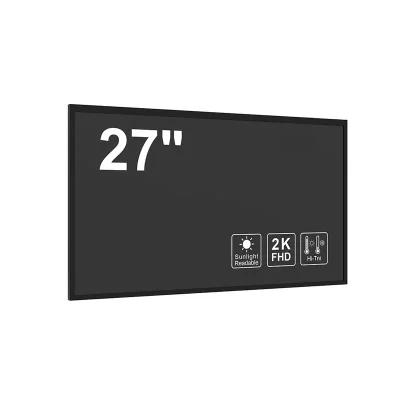
27 Inch EV Charging LCD Display with LVDS Interface
Model P/N
Size
Resolution
Brightness
Viewing Angle
Connector Type
Operating Temp
Overall(mm)
huisoar
G270HAN01.0
Brand
Panel Size (inch)
Model P/N
Resolution
Brightness (nits)
Viewing Angle
Contrast Ratio
Response Time
Overall (mm)
Active Area (mm)
Refresh Rate
Bezel Opening
Display Colors
Panel Type
Connector Type
Surface Treatment
Operating Temp
Touchscreen Type
Storage Temp
Work Mode
Pixel Format
Input Voltage (V)
Control Type
Weight (g)
Designed For
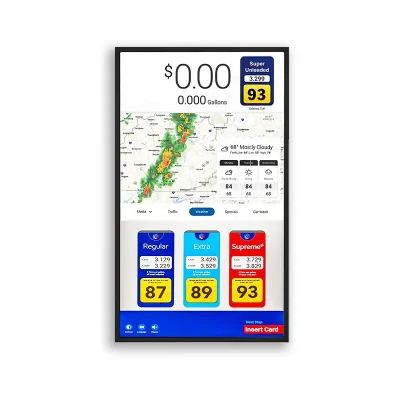
A Full HD sunlight-readable display platform for charging station interfaces, payment guidance, advertising zones, and outdoor signage integration.
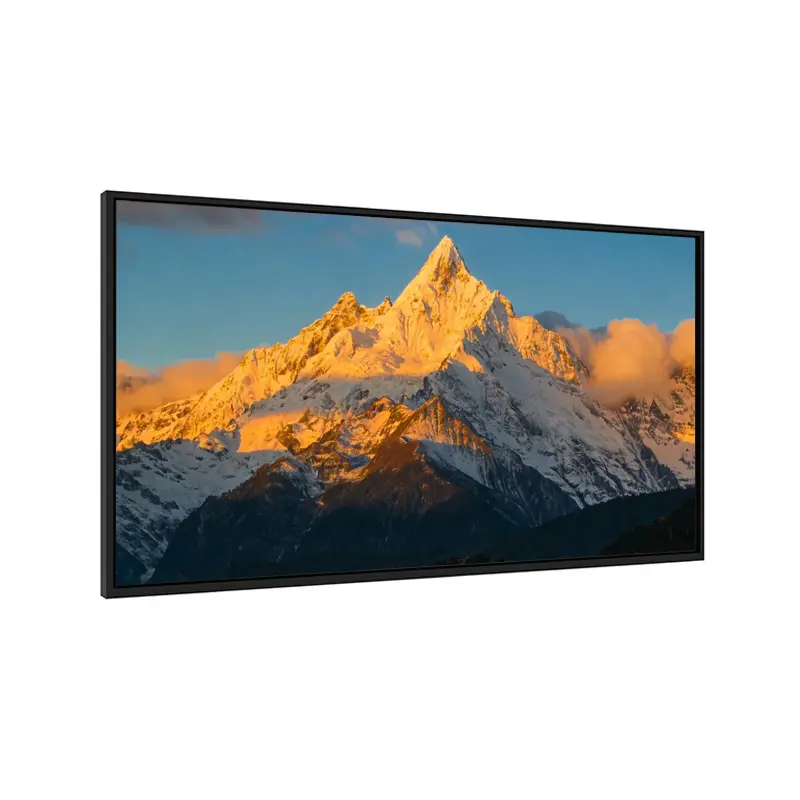
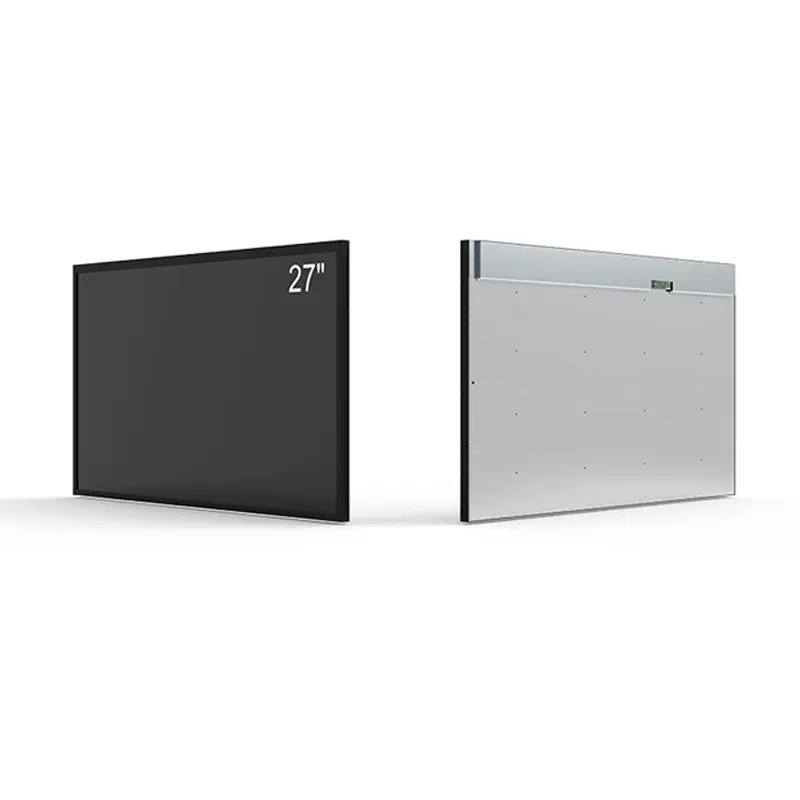
A 27 Inch EV Charging LCD Display has to support more than a basic status screen. In a charging terminal, the display may guide payment steps, show charging progress, present safety instructions, and carry advertising content while facing changing daylight. This 27.0 inch module combines Full HD resolution, AMVA viewing performance, anti-glare surface treatment, LVDS connectivity, and brightness customization potential for outdoor-facing charging and signage systems. For OEM equipment teams, the main value is not one isolated parameter, but a specification set that supports optical readability, embedded integration, and long-term cabinet design.
Why Choose a 27 Inch EV Charging LCD Display
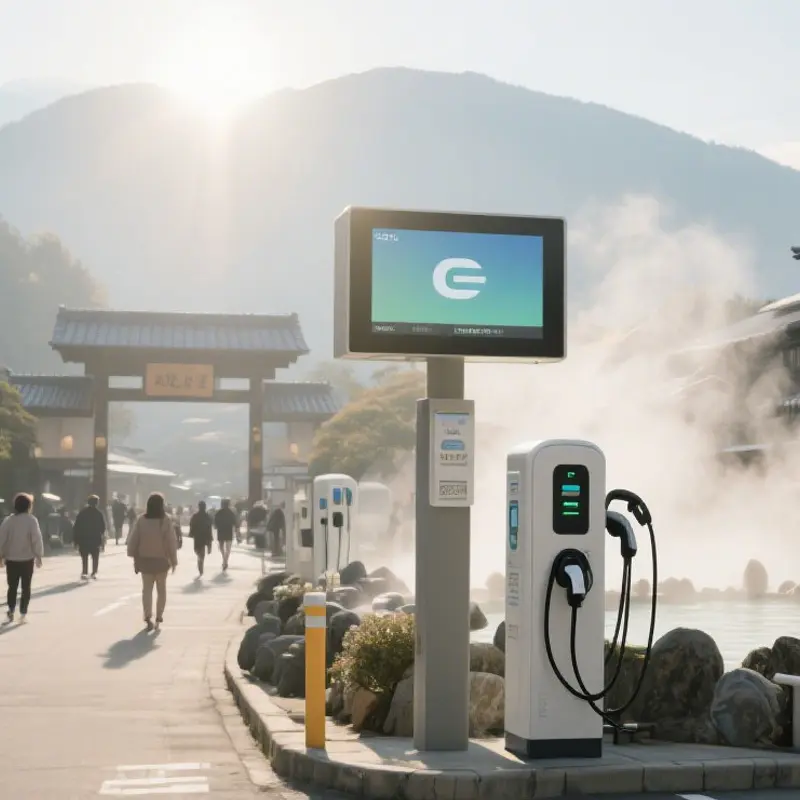
EV charging equipment usually needs a larger visual area than a compact HMI panel, but it must still fit inside a controlled terminal structure. The 27.0 inch size gives charging-station designers enough room for charging data, QR code payment areas, user guidance, fault prompts, energy information, and promotional media. This makes the panel suitable for charging piles, outdoor service terminals, parking-area displays, and mixed interface-plus-advertising installations.
Full HD Layout for Charging User Interfaces
The 1920 × 1080 FHD resolution provides a practical interface canvas for commercial charging systems. Designers can divide the screen into operating instructions, transaction guidance, charging status, service notices, and brand content without forcing cramped UI elements. The RGB vertical stripe structure and 81 PPI specification support clean image rendering for text, icons, maps, and media windows. For project teams, this reduces interface compromise when the terminal needs both functional UI and commercial display value.
Brightness Customization for Outdoor Visibility
The detailed source table lists 300 cd/m² typical brightness with customization up to 5000 nits. This range is important because EV charging displays are installed under different lighting conditions. A canopy-covered charging station may not require the same luminance as a screen facing open daylight. Brightness should therefore be selected together with cover glass, optical bonding, anti-glare surface, cabinet depth, and installation direction. This display platform gives buyers room to define the brightness target according to the real site instead of relying on one fixed indoor-screen value.
Optical Performance for Public Charging Scenarios
The AMVA transmissive panel structure supports 89° viewing angles in all directions, which helps drivers and service users read the display from different positions around the charging terminal. A 3000:1 typical contrast ratio improves separation between dark and bright content, while 16.7M colors and 72% NTSC coverage support branded interfaces, charging animations, and outdoor digital signage content.
The anti-glare surface and 3H hard coating are also relevant for public-facing terminals. Reflected daylight, vehicle surfaces, and overhead lighting can reduce perceived contrast even when the backlight is strong. Anti-glare treatment helps reduce this problem, while the hard coating adds surface durability for a display installed behind a terminal window or protective front structure.
LVDS Interface and System Integration
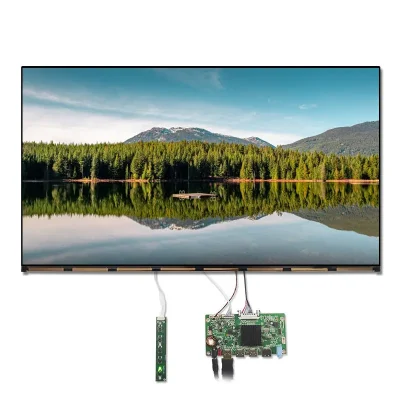
The 27 Inch EV Charging LCD Display uses an LVDS 2-channel, 8-bit, 30-pin terminal interface with a 5.0 V typical supply. These details are important for embedded equipment development because they affect controller-board selection, cable routing, signal stability, and power design. LVDS remains widely used in industrial and commercial display systems, making it familiar to many hardware teams working on charging equipment and outdoor terminal products.
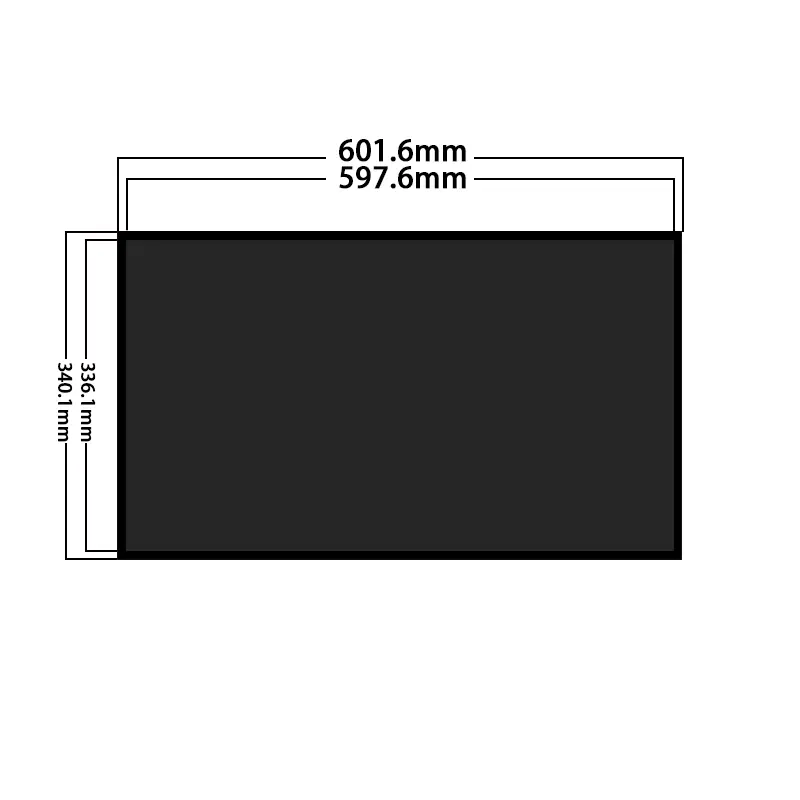
Mechanical planning also matters. The active area is 597.6 × 336.15 mm, while the viewable size is 601.6 × 340.15 mm. The typical weight is 2.18 kg, which is manageable for enclosure brackets and front-frame structures. Because the panel is supplied without touch, it can be used for display-only charging systems or paired with a separate touch solution if the final terminal requires user interaction.
Reliability, Motion Handling, and Protection Options
The WLED backlight is rated for 40,000 hours and uses a 15S4P structure without a driver board. The standard refresh rate is 75 Hz, with optional 120 Hz or 240 Hz MEMC support for smoother dynamic content. This can be useful when the charging terminal combines operational UI with advertising video, animated instructions, or public information loops.
The user-provided screenshot data lists an operating temperature range from -20°C to 70°C and storage from -30°C to 80°C. Final outdoor reliability still depends on cabinet sealing, thermal design, ventilation, cable protection, and local climate. Optional system-level IP66 waterproof and IK10 vandal-resistant features are noted in the source, but these should be confirmed as project-level enclosure options rather than assumed as automatic panel-only ratings.
Application Fit and Procurement Value
For charging station manufacturers, the strongest buying reason is the balance of screen size, Full HD clarity, LVDS integration, anti-glare treatment, high contrast, and brightness customization. For outdoor signage integrators, the same display can support public media, service notices, parking-area information, and commercial content at EV charging locations.
The 27 Inch EV Charging LCD Display is best evaluated as a display platform for an engineered terminal, not as a generic monitor. Before sampling, buyers should confirm brightness target, LVDS controller compatibility, front-glass structure, touch requirement, enclosure temperature rise, installation direction, and maintenance access. When these factors are reviewed early, the module can reduce integration risk and improve the long-term usability of outdoor charging equipment.
FAQ
Is this display suitable for EV charging stations?
What brightness should be selected for outdoor use?
Does the panel include touch functionality?
What interface does the display use?
Are IP66 and IK10 included by default?
Can you provide datasheet, drawing, and pin definition?
We can provide a datasheet, mechanical drawing, and pin definition upon request. Please contact our engineering team with your specific requirements, and we will share the official documentation for the G270HAN01.0 model, including the LVDS 30-pin terminal type pinout and outline dimensions.
Can you provide high brightness displays with 1000+ nits that maintain performance in direct sunlight for outdoor industrial applications?
Yes, this 27-inch display offers 1500 nits brightness, which exceeds 1000 nits and is designed for direct sunlight readability. It uses AMVA technology with a 3000:1 contrast ratio and anti-glare surface to maintain performance in outdoor industrial environments. For custom brightness levels, please confirm with our engineering team.
Can you provide a custom LCD panel with specific dimensions and a round shape?
This model is a standard rectangular 27-inch panel (active area 597.6 mm × 336.15 mm). We do not offer round shapes for this specific model. For custom dimensions or round displays, please provide your requirements, and we will evaluate feasibility with our engineering team.
What are the packaging options for shipping and handling of fragile LCD panels?
Standard packaging for LCD panels includes anti-static foam, ESD-safe bags, and reinforced corrugated boxes with cushioning inserts to prevent shock and vibration during transit. For fragile panels like this 27-inch module, we recommend double-boxing and edge protectors. Specific packaging options can be confirmed upon order.
What interface does this display use (eDP/LVDS/MIPI/HDMI), and what lane count or pinout is required?
This 27 Inch EV Charging LCD Display uses an LVDS interface, specifically a 2-channel, 8-bit, 30-pin terminal type connector. For integration, your system must provide an LVDS output matching this configuration. The exact pin assignment and mating connector details are
Freya Yang
+86 18318948097