Freya Yang
+86 18318948097
+852 62667476
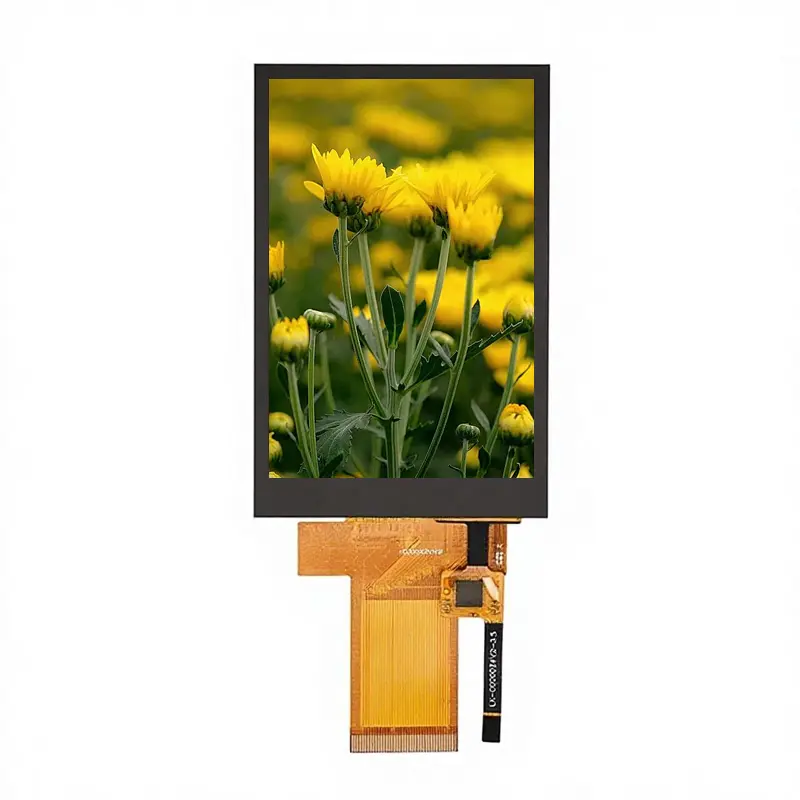
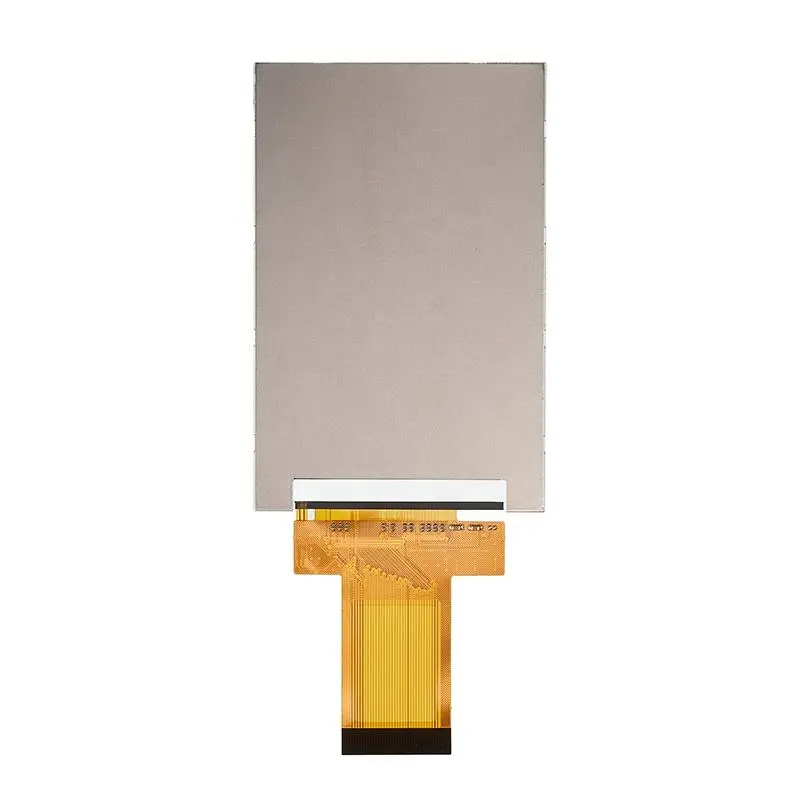
3.5 Inch MCU Capacitive TFT Screen With 320×480 ILI9488 PCAP Touch LCD Module
Model P/N
Size
Resolution
Brightness
Viewing Angle
Connector Type
Operating Temp
Overall(mm)
huisoar
HS-035R06CT30
Brand
Panel Size (inch)
Model P/N
Resolution
Brightness (nits)
Viewing Angle
Contrast Ratio
Response Time
Overall (mm)
Active Area (mm)
Refresh Rate
Bezel Opening
Display Colors
Panel Type
Connector Type
Operating Temp
Touchscreen Type
Storage Temp
Work Mode
Pixel Format
Input Voltage (V)
Touch Interface
Control Type
Touch Structure
Designed For
320×480 TN TFT LCD with ILI9488 Driver, 16-Bit MCU Interface, and FT6366G I2C Touch
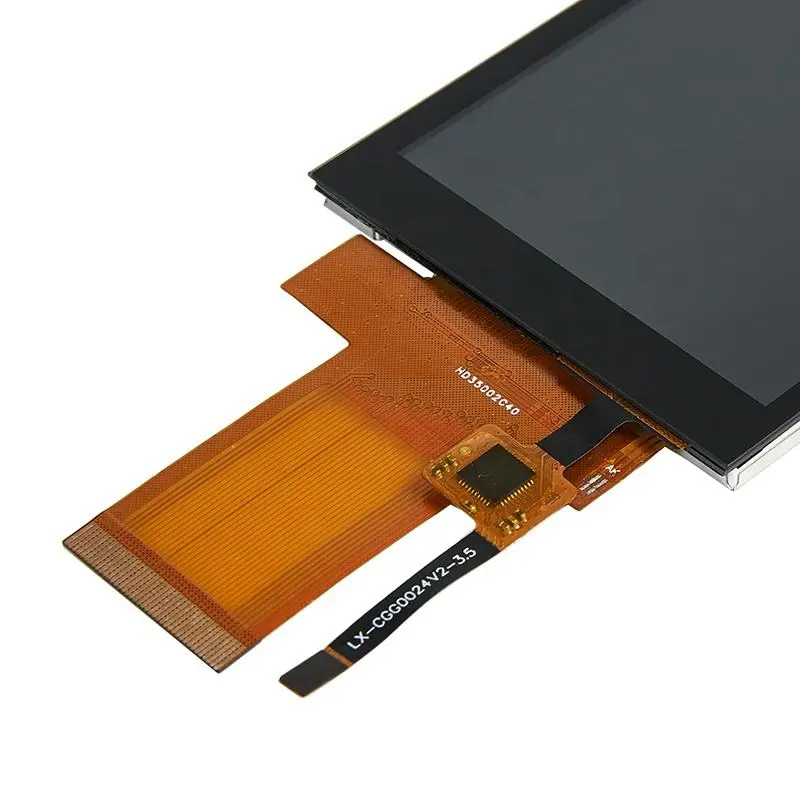
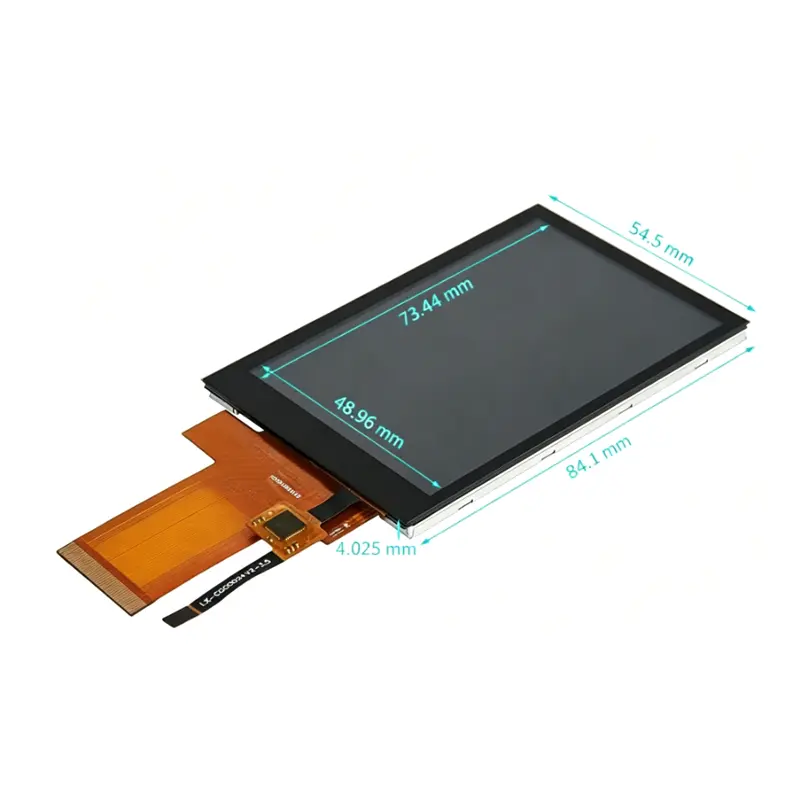
A 3.5 Inch MCU Capacitive TFT Screen is a 320×480 portrait TFT LCD module for handheld HMI, smart home, medical, industrial, and IoT devices that need microcontroller-friendly display control and responsive projected capacitive touch. It combines a 16-bit MCU interface, 40-pin FPC, ILI9488 driver, FT6366G I2C touch controller, 300 cd/m² luminance, G+G touch structure, 5-point touch support, and compact 54.5 × 84.1 × 4.025 mm module structure for embedded product integration.
At a Glance: 3.5-Inch MCU PCAP Display Highlights
- 3.5-inch 320×480 portrait format supports handheld menus, vertical status screens, compact dashboards, and control panels.
- MCU 16-bit interface and 40-pin FPC support direct integration with many embedded controller architectures.
- ILI9488 TFT driver gives firmware teams a defined display-driver target for initialization and testing.
- Projected capacitive touch with FT6366G I2C controller supports modern tap and gesture-style interface design.
- G+G touch structure, ≥86% transparency, and ≥6H surface hardness support clearer and more durable front interaction.
- 300 cd/m² typical luminance supports indoor handheld and equipment-panel use.
- -20°C to +70°C operation supports commercial and industrial device environments.
Product Overview of the 3.5 Inch MCU Capacitive TFT Screen
The 3.5 Inch MCU Capacitive TFT Screen is designed for compact products that need a portrait display with touch input and direct controller integration. Its 320×480 resolution gives product teams a practical UI canvas for menu lists, status cards, numeric input, setting pages, simple charts, and device-control screens.
The product’s strongest engineering value is the combination of MCU 16-bit display input and projected capacitive touch. The MCU interface makes it suitable for embedded systems where a full video interface is not required, while the capacitive touch layer supports a more modern interaction style than button-only or resistive-touch designs. This is useful for handheld terminals, smart home controllers, portable medical devices, industrial control panels, and IoT devices.
The module uses an ILI9488 TFT driver and FT6366G touch IC. Before design-in, buyers should confirm display initialization code, MCU timing, 40-pin FPC assignment, touch I2C routing, reset and interrupt pins, backlight drive, and mechanical stack. The display is a component-level module, so the final enclosure, cover lens, sealing, and system-level durability must be validated separately.
Key Features of the 3.5 Inch MCU Capacitive TFT Screen
| Key Feature | B2B Value |
|---|---|
| 320×480 portrait resolution | Supports vertical UI, menu navigation, handheld dashboards, and compact HMI screens. |
| MCU 16-bit interface | Helps microcontroller-based systems drive the display without complex video-interface hardware. |
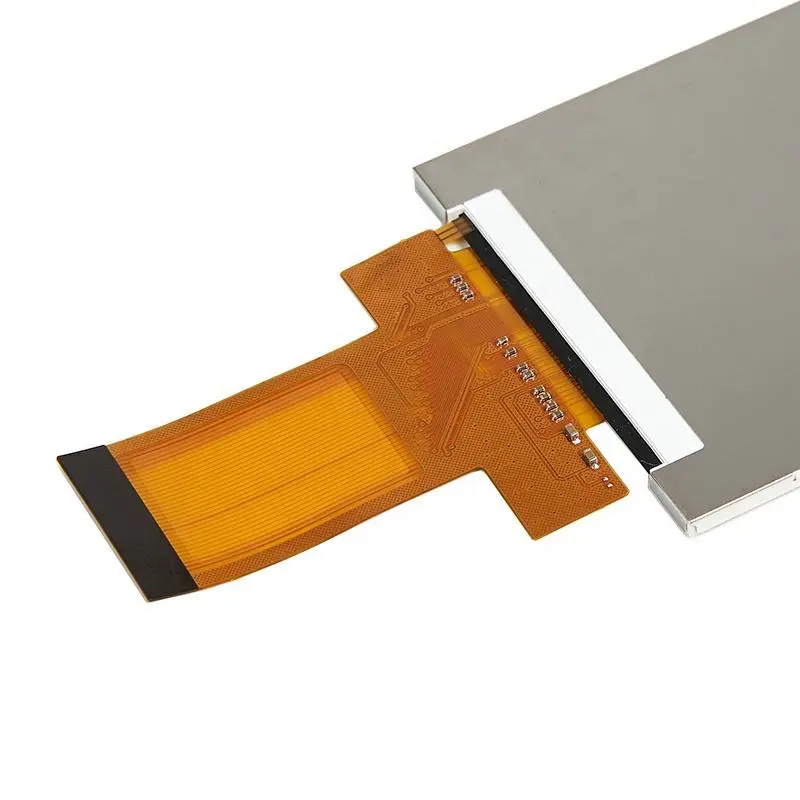
| 40-pin FPC connection | Gives engineers a defined pinout and cable-routing point for PCB design. |
| ILI9488 TFT driver IC | Supports firmware planning, initialization review, and display bring-up. |
| FT6366G I2C touch IC | Enables projected capacitive touch integration through a standard touch communication route. |
| 5 touch points | Supports tap, slide, and basic multi-touch interaction for compact UI systems. |
| 300 cd/m² luminance | Fits indoor and standard equipment-panel environments. |
| G+G PCAP structure | Supports a durable capacitive touch stack with ≥86% transparency and ≥6H surface hardness. |
| -20°C to +70°C operation | Supports commercial and industrial use cases beyond office-only devices. |
Technical Specifications of the 320×480 MCU Touch TFT LCD
| Specification | Value |
|---|---|
| Display Size | 3.5 inch |
| Resolution | 320 × RGB × 480 |
| Display Mode | TN, normally white, transmissive TFT |
| Active Area | 48.96 × 73.44 mm |
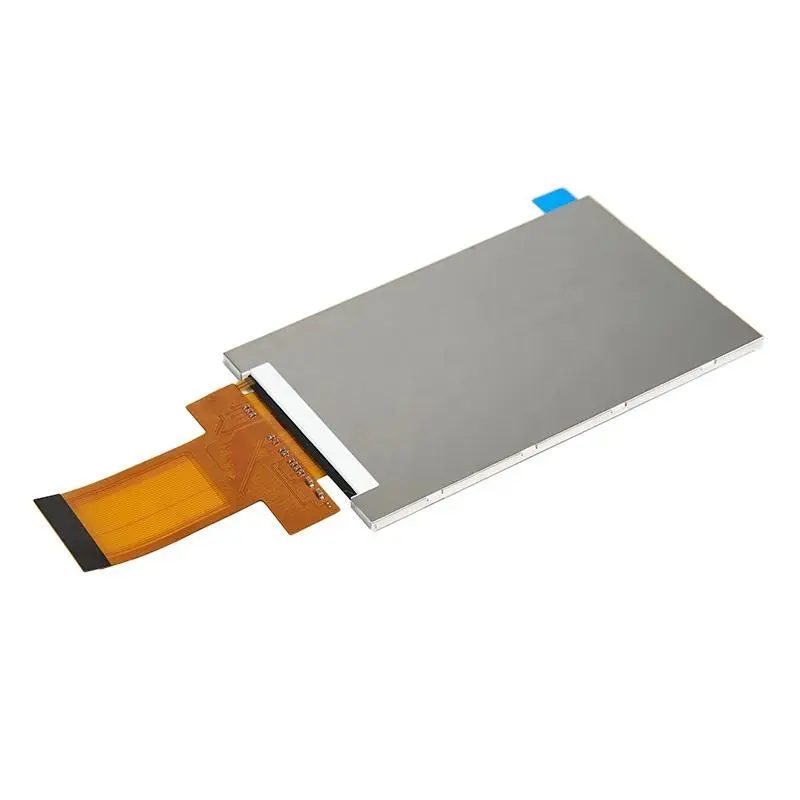
| LCM+Touch Module Size | 54.5 × 84.1 × 4.025 mm |
| Luminance | 300 cd/m² typ. |
| Contrast Ratio | 500:1 typ. |
| Viewing Angle | 70/55/70/70 typ. |
| Interface | MCU 16-bit, FPC 40 pins |
| TFT Driver IC | ILI9488 |
| Touch Type | Projected capacitive touch screen |
| Touch IC | FT6366G |
| Touch Interface | I2C |
| Touch Points | 5 points |
| Operating Temperature | -20°C ~ +70°C |
These confirmed values define the main integration checks: portrait UI layout, MCU timing, ILI9488 initialization, 40-pin FPC pinout, FT6366G I2C touch routing, touch cover fit, backlight drive, and enclosure design. Unknown values are excluded from the public specification table.
Why Choose an MCU Capacitive TFT Screen for Compact Products?
An MCU capacitive TFT screen is useful when a product needs a color touch interface but does not need a larger HDMI, LVDS, MIPI, or full embedded display subsystem. The module gives controller-board teams a direct display route while still supporting PCAP touch interaction.
320×480 Portrait UI for Handheld Control
The 320×480 portrait layout is well matched to handheld and narrow-front-panel products. Designers can stack menu rows, icons, status cards, control buttons, and simple alert panels in a vertical flow. For small devices, this can be more natural than a landscape screen because it aligns with handheld orientation.
ILI9488 Driver for Firmware Bring-Up
The ILI9488 driver gives developers a specific display-control target. During sample testing, firmware teams should request initialization parameters, display timing, gamma settings, reset sequence, and test-pattern procedure. This reduces uncertainty during first bring-up and helps separate software issues from hardware wiring issues.
G+G PCAP Touch for Modern Device Interaction
The projected capacitive touch panel uses G+G structure, FT6366G touch IC, I2C communication, and 5-point touch support. This makes it suitable for tap-based menus, slider controls, simple gestures, and compact smart-device interfaces. Final touch performance should be tested with the selected cover glass, enclosure grounding, and noise environment.
Display Performance for Small Portrait Interfaces
The display uses TN normally white transmissive TFT technology. It is a cost-efficient option for front-view applications, but the viewing direction and UI contrast should be reviewed during product design.
300 cd/m² Luminance for Indoor Equipment Panels
The confirmed luminance is 300 cd/m² typical. This is suitable for many indoor handheld terminals, smart control panels, medical device interfaces, and compact industrial displays. If the device will be used near bright windows or outdoors, test readability with the final cover lens and UI colors.
70/55/70/70 Viewing for Fixed-Position Use
The viewing angle is listed as 70/55/70/70 typ. This should be checked against the device’s actual mounting angle. For handheld products, the user may tilt the screen naturally; for fixed HMI panels, the installation height and operator eye line matter more.
500:1 Contrast and 50 ms Response
A 500:1 typical contrast ratio supports clean menus, icons, and status indicators. The 50 ms response time is suitable for static and basic interactive UI; it should not be positioned as a high-motion video display.
MCU, FPC, and FT6366G Touch Integration
This module should be reviewed as a combined display-and-touch component. The LCD path and touch path are different, so the controller board must handle both correctly.
MCU 16-Bit and 40-Pin FPC Host Matching
Before PCB approval, engineers should confirm the 40-pin FPC assignment, MCU bus timing, data order, control pins, reset pin, voltage levels, and FPC orientation. A mismatch in bus timing or pin routing can cause blank display, color errors, unstable output, or delayed firmware bring-up.
FT6366G I2C Touch Routing
The touch panel uses FT6366G and I2C. Engineers should confirm SDA, SCL, reset, interrupt, VDD, grounding, touch firmware support, and noise management. Sample validation should include edge accuracy, tap response, gesture behavior, and performance after the module is installed in the actual enclosure.
WLED Backlight and Stack Thickness
The module lists a 6-chip WLED backlight with 19.2V / 20mA operating data and 30,000-hour typical lifetime. The 54.5 × 84.1 × 4.025 mm module size and 55.40 × 85.16 × 1.45 mm touch outline should be checked against the cover lens, adhesive area, front opening, internal clearance, and FPC bend radius.
Recommended Applications for MCU-Based Touch Interfaces
The module is suitable for products that need a compact vertical touch interface with simple controller integration.
Handheld Terminals and Portable Instruments
Handheld tools, field terminals, portable meters, and diagnostic devices can use the 3.5-inch format for readable menus, status values, alerts, and touch controls. Mechanical teams should validate drop protection, cover lens, and FPC bend route at system level.
Smart Home and Appliance Control Panels
Smart thermostats, appliance controllers, access panels, and small control hubs can use the portrait UI for settings, icons, timers, and device status. The PCAP touch layer supports a familiar user experience for consumer-facing interfaces.
Industrial Controllers and Compact HMIs
Industrial controllers can use the screen for basic HMI pages, parameter adjustment, system prompts, and maintenance menus. The -20°C to +70°C operating range helps support more demanding equipment environments.
Medical and Health Device Interfaces
Portable medical and health devices can use the screen for prompts, measurement results, operating status, and menu navigation. Final design should validate cleaning method, cover material, touch response, and readability under real use conditions.
Customization Options for 3.5-Inch MCU PCAP Projects
Project evaluation can include FPC and interface customization, MCU 16-bit timing review, 40-pin pinout and FPC direction, ILI9488 initialization support, FT6366G I2C touch stack, brightness and backlight adjustment, cover glass review, mechanical drawing adaptation, packaging, sample validation, and controller-board support. Any waterproofing, certification, optical bonding, or special cover treatment should be confirmed at finished-system level.
Procurement and Engineering Checklist for 3.5-Inch TFT Touch Selection
- Confirm the 320×480 portrait UI layout, font size, and touch-button spacing.
- Check MCU 16-bit host support, bus timing, and 40-pin FPC pinout.
- Validate ILI9488 initialization code, reset sequence, and display timing.
- Confirm FT6366G I2C touch routing, interrupt/reset pins, and touch firmware.
- Review active area, module outline, touch outline, cover lens, and FPC bend space.
- Test 300 cd/m² brightness with the final cover glass and ambient lighting.
- Confirm 6-chip WLED backlight drive, dimming method, and power budget.
- Validate operating temperature, sample performance, quantity, and application environment.
FAQ
About 3.5 Inch MCU Capacitive TFT Screen
Is this display suitable for microcontroller-based products?
Does the module include capacitive touch?
What is the confirmed resolution?
Is it an IPS display?
What brightness is confirmed?
Which driver IC is used?
What dimensions should engineers check?
What should buyers send for quotation?
Freya Yang
+86 18318948097