Freya Yang
+86 18318948097
+852 62667476
3.81 Inch Compact Portrait OLED Screen Assembly for HMIs
Model P/N
Size
Resolution
Brightness
Viewing Angle
Connector Type
Operating Temp
Overall(mm)
huisoar
HS381ARN10A
Brand
Panel Size (inch)
Model P/N
Resolution
Brightness (nits)
Viewing Angle
Response Time
Overall (mm)
Active Area (mm)
Refresh Rate
Display Colors
Panel Type
Connector Type
Operating Temp
Touchscreen Type
Storage Temp
Work Mode
Pixel Format
Control Type
Operating Environment
Motherboard Type
Designed For
3.81 Inch Compact Portrait OLED Screen Assembly for HMIs
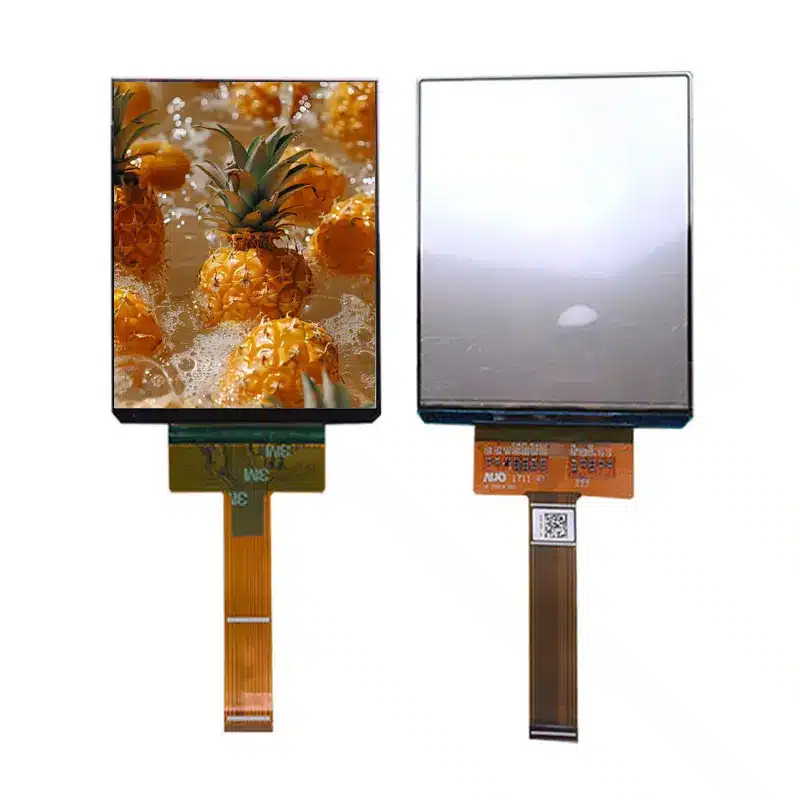
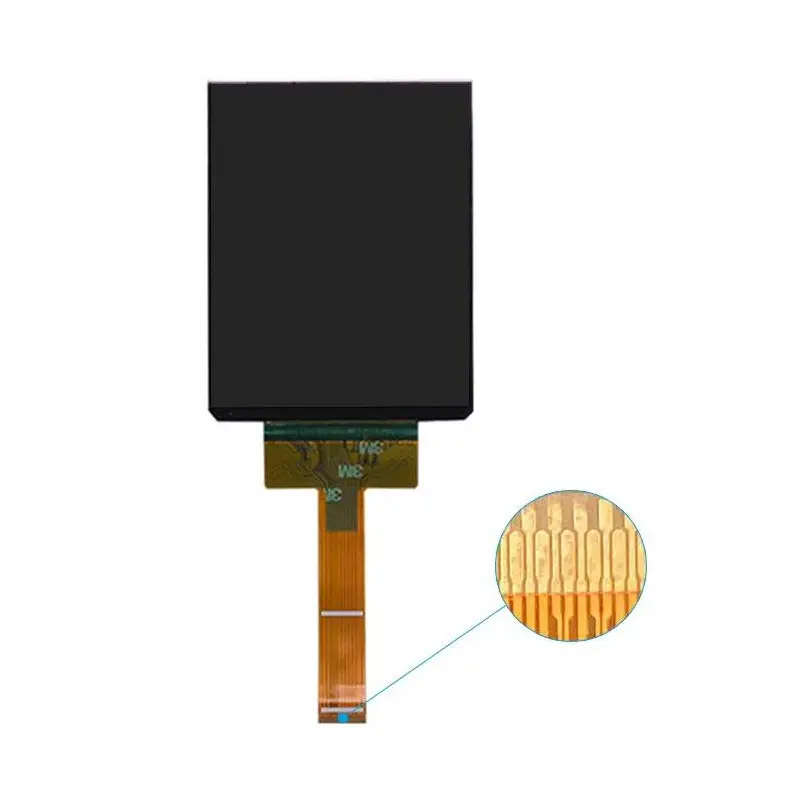
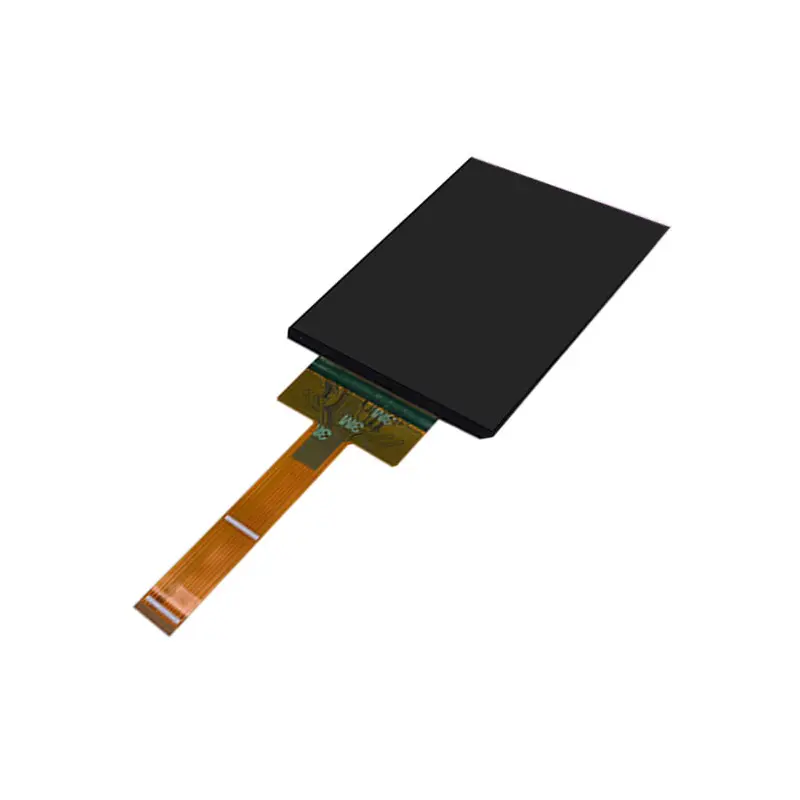
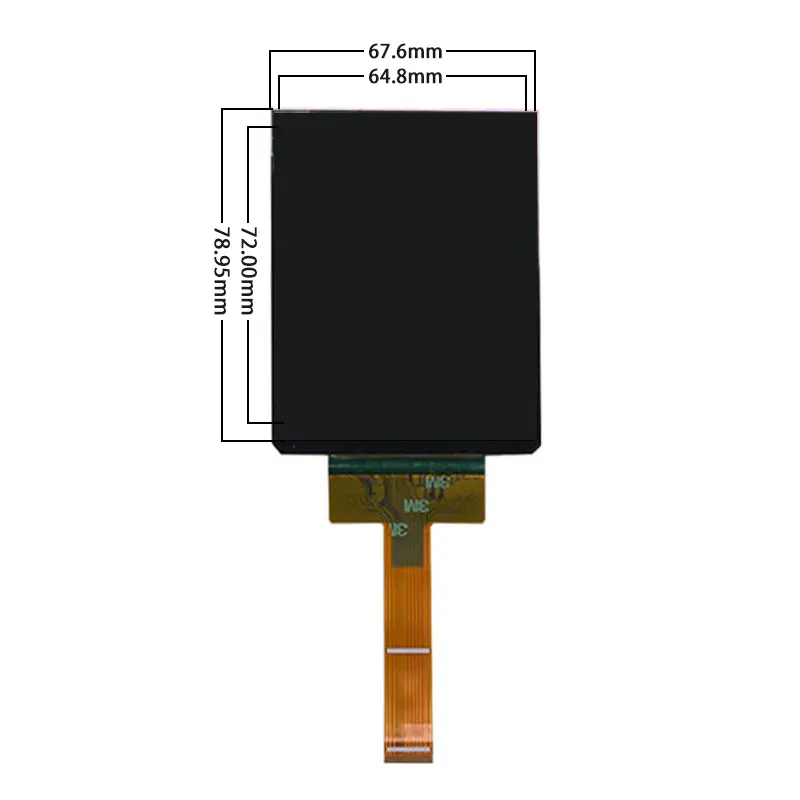
The Compact Portrait OLED Screen Assembly combines a 3.81-inch AMOLED panel with a native 1080 × 1200 pixel canvas for embedded HMIs, portable terminals and compact control devices. Its MIPI interface, 64.8 × 72 mm active area and 67.6 × 78.95 × 1.01 mm outline support products that need detailed portrait graphics without a large or thick display stack.
The module is a display component rather than a complete terminal. The host processor, MIPI configuration, power architecture, enclosure, cover construction and software package must be qualified for the final device.
Product Summary
This AMOLED module is designed for compact products where image quality, interface density and mechanical thickness are important selection factors.
The 1080 × 1200 native resolution provides a portrait-oriented 9:10 canvas. It can support detailed icons, fine text, equipment status, image-based controls and layered interface layouts within a small physical footprint.
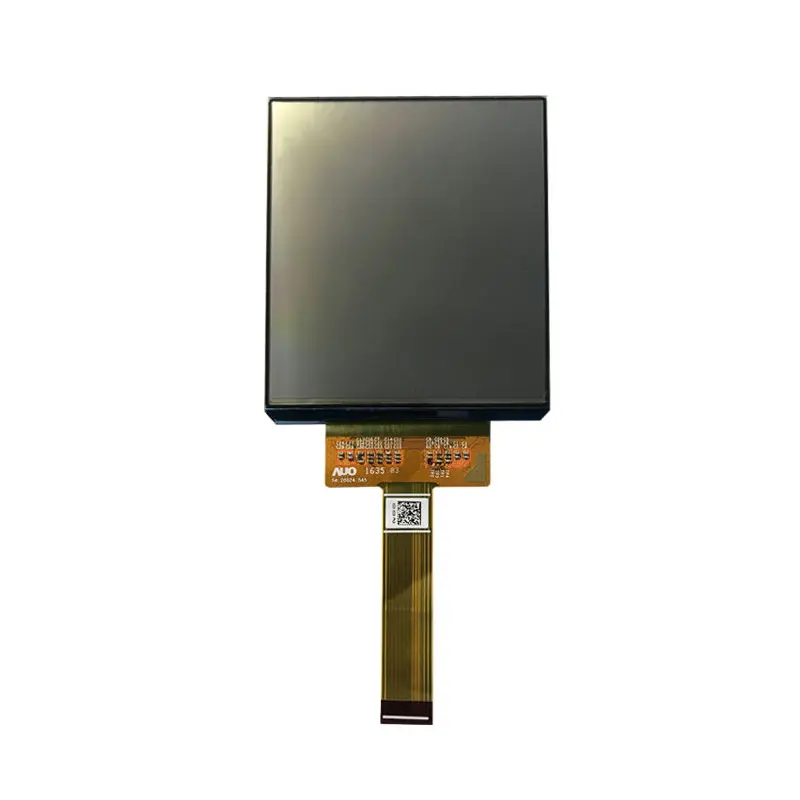
The display uses a MIPI interface and identifies RM69071 as the controller IC. Complete compatibility still depends on the approved lane configuration, timing, operating mode, pinout, power rails and initialization package.
No touchscreen is confirmed as part of the standard configuration.
Product Main Parameters
| Main parameter | Confirmed specification |
|---|---|
| Display size | 3.81 inches |
| Display technology | AMOLED |
| Native resolution | 1080 × 1200 pixels |
| Canvas format | 9:10 portrait |
| Display interface | MIPI |
| Active area | 64.8 × 72 mm |
| Module outline | 67.6 × 78.95 × 1.01 mm |
| Controller identifier | RM69071 |
| Color-gamut wording | 100% NTSC |
| Backlight | Not required; AMOLED is self-emissive |
| Touch status | No touch panel confirmed |
Designing a Native 1080 × 1200 Portrait Interface
Preparing a 9:10 UI Canvas
The host graphics pipeline should output the native 1080 × 1200 resolution.
The portrait-oriented canvas is suitable for:
- vertical menus;
- equipment status pages;
- stacked process values;
- image-led controls;
- notification panels;
- narrow data charts;
- compact navigation lists;
- centered operating controls.
Design assets should not be stretched from a conventional 16:9 landscape interface. The UI framework, framebuffer, compositor and application layer should all use the intended portrait geometry.
Native-resolution rendering helps preserve text edges, icon definition and alignment.
Balancing Text, Icons and Visual Hierarchy
High resolution permits fine detail, but the physical 3.81-inch size still limits practical reading distance.
Interface design should account for:
- physical font height;
- icon size;
- operator distance;
- contrast between adjacent controls;
- minimum control spacing;
- edge margins;
- animation speed;
- enclosure borders;
- final cover reflection.
The densest operating screen should be tested on the physical module rather than only on a desktop preview.
MIPI Integration for the Compact Portrait OLED Screen Assembly
Confirming Lane Count and Operating Mode
The MIPI designation does not provide a complete host specification.
Engineering review must confirm:
- MIPI DSI lane count;
- D-PHY data rate;
- clock behavior;
- video or command mode;
- burst or non-burst operation;
- native 1080 × 1200 timing;
- pixel format;
- intended frame rate;
- reset timing;
- sleep and wake behavior;
- display-on procedure.
A MIPI-capable processor may still be incompatible when lane count, bandwidth, mode flags or timing differ.
Qualifying the FPC and Pin Assignment
The complete connector package must be approved before PCB or cable release.
Confirm:
- connector pin count;
- connector pitch;
- FPC contact side;
- pin-1 location;
- insertion direction;
- MIPI lane assignment;
- clock lane;
- power rails;
- ground distribution;
- reset and enable signals;
- reserved pins;
- FPC bend limits.
A visually similar FPC does not prove electrical compatibility.
RM69071 Documentation Boundary
RM69071 is the identified display-controller IC.
Its name alone does not establish:
- initialization commands;
- register values;
- MIPI lane count;
- panel voltage;
- power sequence;
- frame rate;
- color format;
- host software availability.
Request the approved controller documentation, initialization table, timing package and power sequence for the ordered module.
AMOLED Optical and Power Considerations
Using the 100% NTSC Gamut Statement
The specification identifies a 100% NTSC color-gamut ratio.
This wording supports evaluation for interfaces where color differentiation and image presentation matter, including:
- branded UI themes;
- image-rich menus;
- status-color systems;
- compact media interfaces;
- detailed equipment visualization.
The measurement method, tolerance and color-coordinate definition should be confirmed in the approved optical specification before formal qualification.
No fixed luminance or contrast value is published for this configuration.
Testing Content-Dependent Power Behavior
AMOLED pixels emit their own light, so the module does not use a separate LED backlight.
Power behavior can vary with:
- image brightness;
- average picture level;
- proportion of white content;
- brightness setting;
- animation pattern;
- refresh configuration;
- temperature;
- static-interface duration.
Representative UI pages should be included in current, thermal and long-duration tests. A white engineering screen and a dark production interface may produce different electrical and thermal results.
Mechanical Integration for Compact HMIs
The module outline is 67.6 × 78.95 × 1.01 mm, with a 64.8 × 72 mm active area.
The approved drawing should control:
- exact module outline;
- active-area position;
- FPC location;
- connector access;
- rear-component keep-out;
- support zones;
- adhesive regions;
- pressure-free areas;
- corner radii;
- cover clearance;
- tolerance stack.
The 1.01 mm panel thickness supports slim product concepts, but the completed stack must also include the FPC bend, connector, support frame, protective cover and host-board clearance.
The enclosure must avoid concentrated pressure on the AMOLED panel and FPC junction.
Recommended Application Routes
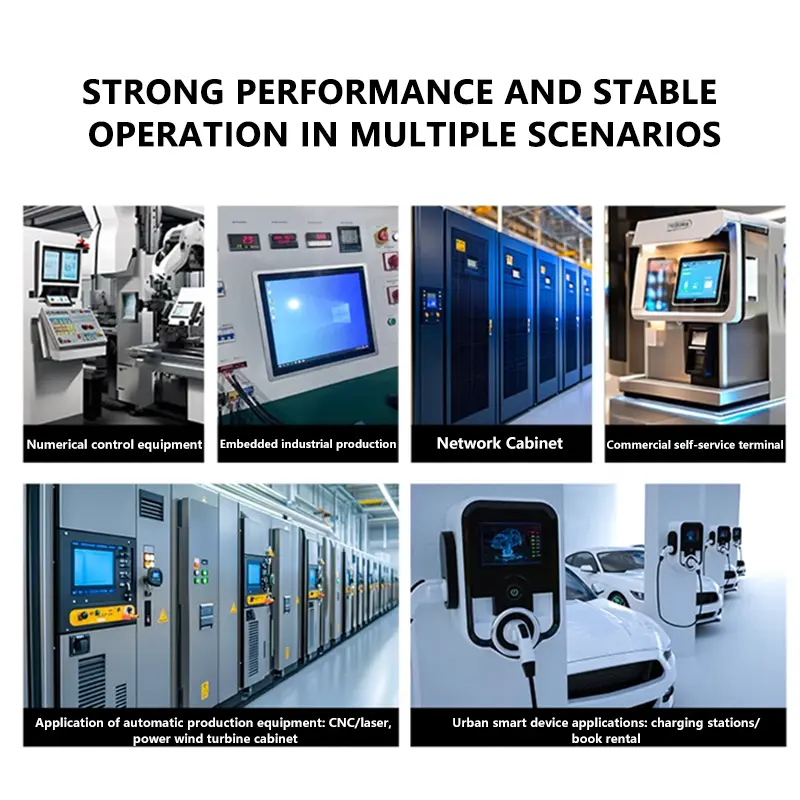
The display may be evaluated for:
- compact embedded HMIs;
- portable professional terminals;
- smart control devices;
- compact instrument interfaces;
- specialized electronic equipment;
- premium appliance controls;
- prototype near-eye or inspection systems;
- custom display-led products.
In late-stage selection, the Compact Portrait OLED Screen Assembly should be evaluated by MIPI bandwidth, initialization support, power architecture, mechanical fit and optical requirements rather than resolution alone.
These are integration routes, not compatibility or certification claims.
Customization and Sample Qualification
Project review may cover:
- FPC routing;
- connector definition;
- MIPI timing package;
- panel power rails;
- controller-board matching;
- touch-panel development;
- cover glass;
- optical treatment;
- enclosure adaptation;
- logo and graphic treatment;
- packaging.
Custom configurations are generally reviewed from 500 pieces, subject to tooling requirements, material availability and the requested specification. Sample and standard-module quantities are confirmed separately.
A representative sample should be tested for:
- native 1080 × 1200 output;
- MIPI link stability;
- initialization;
- sleep and wake behavior;
- image orientation;
- color output;
- current demand;
- thermal behavior;
- enclosure fit;
- long-duration static UI operation.
Procurement Checklist
Submit the following before sample or production approval:
- host processor or development platform;
- native 1080 × 1200 timing;
- required frame rate;
- MIPI DSI lane count;
- command or video mode;
- D-PHY data rate;
- complete FPC pin assignment;
- connector pitch and contact side;
- initialization sequence;
- panel power rails;
- power-on and power-off sequence;
- approved mechanical drawing;
- cover-glass requirement;
- touch or non-touch decision;
- operating environment;
- sample quantity;
- annual demand;
- qualification requirements;
- production schedule.
FAQ
About 3.81 Inch Compact Portrait OLED Screen Assembly
What must be confirmed before connecting this display to a MIPI host?
How should interface assets be prepared for the panel?
Does the RM69071 identifier provide the complete initialization sequence?
Which dimensions should control the enclosure design?
What should be tested for AMOLED power and image retention?
Freya Yang
+86 18318948097