Freya Yang
+86 18318948097
+852 62667476
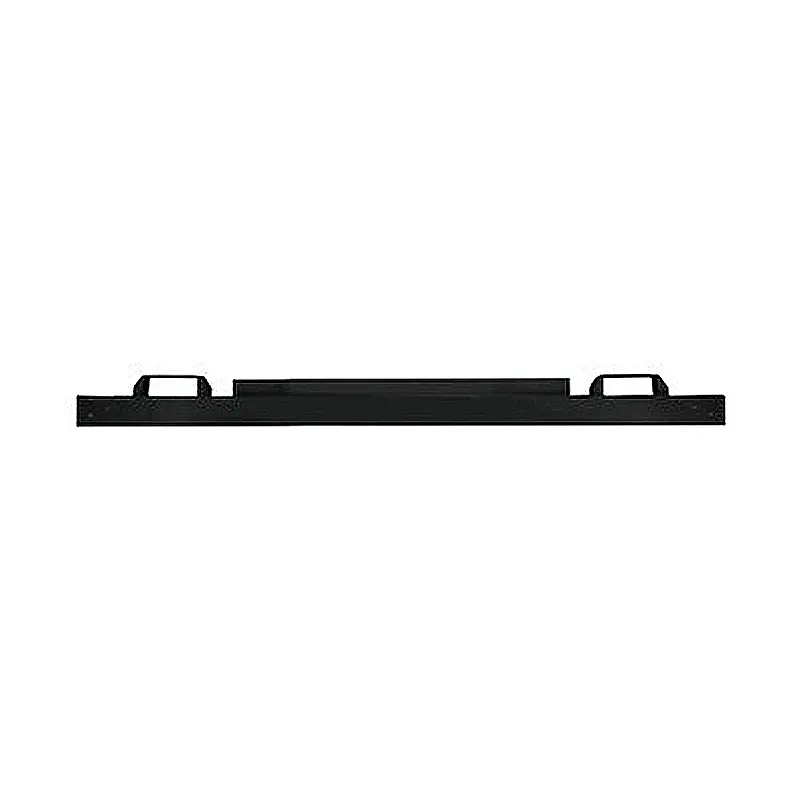
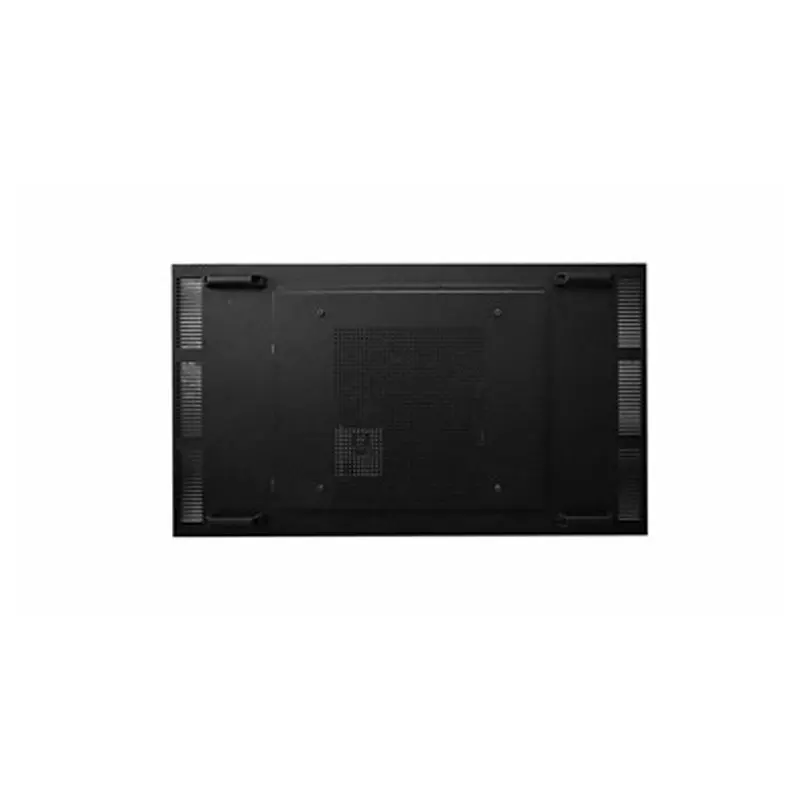
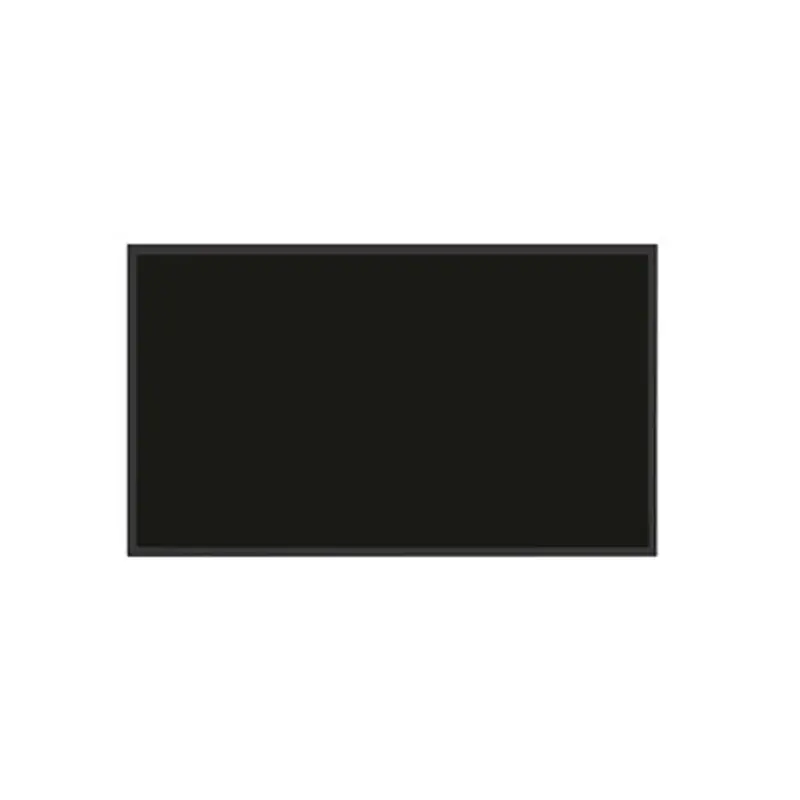
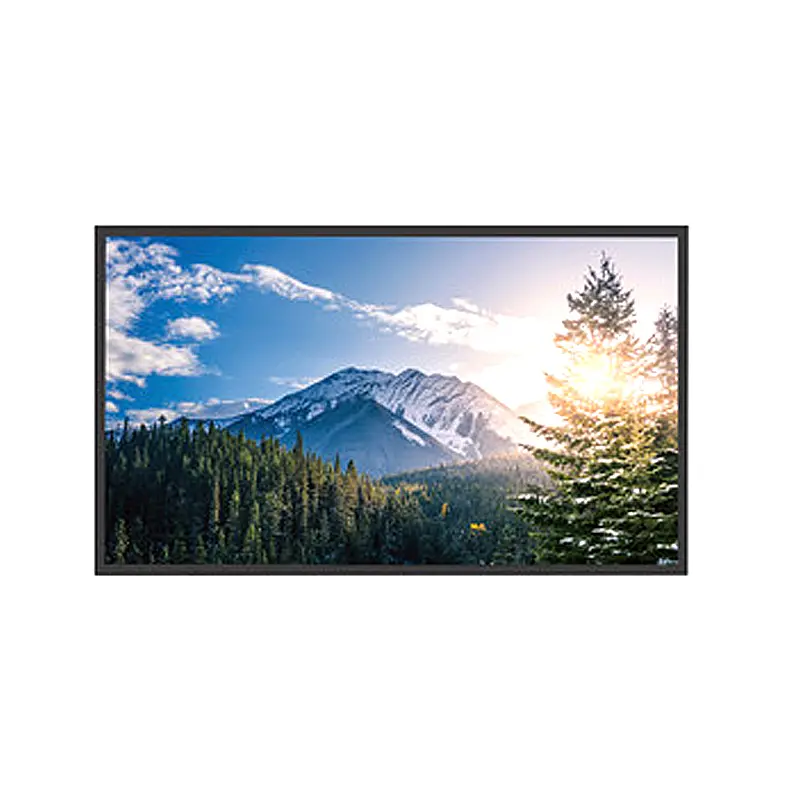
49 Inch Ultra High Brightness Window Facing Display for Storefronts
Model P/N
Size
Resolution
Brightness
Viewing Angle
Connector Type
Operating Temp
Overall(mm)
huisoar
HS490ENT-GD04
Brand
Panel Size (inch)
Model P/N
Resolution
Brightness (nits)
Viewing Angle
Contrast Ratio
Response Time
Overall (mm)
Active Area (mm)
Refresh Rate
Display Colors
Panel Type
Connector Type
Operating Temp
Touchscreen Type
Storage Temp
Work Mode
Control Type
Weight (g)
Operating Environment
Motherboard Type
Designed For
49 Inch Ultra High Brightness Window Facing Display for Storefronts
This Ultra High Brightness Window Facing Display combines a 49-inch FHD screen with auto dimming, commercial I/O and a semi-outdoor enclosure for storefront projects.
Product Summary
An Ultra High Brightness Window Facing Display is designed for commercial windows where content must remain visible through glass and under strong ambient light. This 49-inch configuration uses 1920 × 1080 Full HD resolution with a selected 5000-nit brightness grade, a 1074 × 604 mm display area and a finished housing measuring 1119 × 649 × 90 mm.
The system is intended for shop windows, advertising cabinets, shopping malls and transit-facing commercial installations. Intelligent dimming, temperature-control support, remote control and optional media-board routes make it a finished display platform rather than only a bare LCD module.
Key Specifications
| Item | Confirmed configuration |
|---|---|
| Screen size | 49 inches |
| Resolution | 1920 × 1080 pixels, Full HD |
| Selected brightness | 5000 nits |
| Display area | 1074 × 604 mm |
| Product size | 1119 × 649 × 90 mm |
| Product weight | 26 kg |
| Viewing performance | 178° H × 178° V; raw 89/89/89/89° minimum at CR ≥ 10 |
| Response time | 6/9 ms typical, Tr/Td |
| Backlight | DLED |
| Backlight life reference | 50,000 hours listed |
| Unit input | AC 110/220 V, 50/60 Hz |
| Maximum power | 230 W |
| Control functions | Intelligent dimming, intelligent temperature control, remote control |
| Board options | Android / PC / HDMI driver board, optional |
| I/O | HDMI / VGA / DVI / USB / RJ45 |
| Operating environment | Semi-outdoor |
Optical Performance Behind Storefront Glass
5000-Nit Configuration and Daylight Visibility
The selected 5000-nit grade provides high optical output for windows facing bright streets and open retail areas. Full HD resolution supports promotional text, product images, schedules and public-information graphics on the 49-inch screen.
Final visibility still depends on storefront glazing. Glass transmission, reflection, screen setback, sun direction and content contrast all affect what pedestrians see, so the installed system should be tested at the brightest expected time of day.
Auto Brightness and Polarized-Sunglasses Viewing
Automatic brightness control uses ambient-light sensing to adjust screen output as surrounding light changes. This is useful when daylight varies significantly across a commercial operating schedule.
The display is also specified to remain readable for viewers wearing polarized sunglasses. Validate that behavior with the final glass and any added optical films because the completed optical stack can affect polarization performance.
Mechanical and Electrical Integration
Housing, Weight, and AC Power
The 1074 × 604 mm display area sits inside a finished 1119 × 649 × 90 mm structure. At 26 kg, the unit requires a mounting frame or support structure designed for the actual installation.
Electrical planning starts from the listed AC 110/220 V, 50/60 Hz input and 230 W maximum power for the 49-inch configuration. Include any external player, network hardware and cooling equipment in the final system power and thermal budget.
DLED Backlight and 24/7 Use
A DLED backlight and listed 50,000-hour life reference support long commercial operating schedules, and the display is positioned for 24/7 operation.
Long runtime behind storefront glass can create substantial solar and electrical heat load. Airflow, cooling and screen-to-glass spacing therefore remain part of the cabinet design even when intelligent temperature control is included.
Ultra High Brightness Window Facing Display Controls and I/O
The finished display architecture combines intelligent dimming, temperature-control support and remote-control functions for commercial signage workflows.
Media Board Options and Connectivity
Optional Android, PC and HDMI driver-board routes allow the control architecture to match the content system. HDMI, VGA, DVI, USB and RJ45 are listed as available I/O classes.
Before ordering, define which board route and ports are required. Optional board choices should not be treated as simultaneous standard inclusions.
Intelligent Temperature and Remote Control
Intelligent temperature control supports thermal management, while remote control can simplify commissioning and service. Window installations deserve particular thermal attention because direct solar exposure through glass can increase cabinet temperature.
Lock the approved operating-temperature and humidity limits before production release. Thermal validation should use the final orientation, glass spacing, ventilation design and expected sun exposure.
Storefront and Semi-Outdoor Deployment
Retail Windows, Shopping Malls, and Transit-Facing Locations
The 49-inch format fits storefront advertising, shopping-mall promotions, commercial information windows, advertising cabinets and protected bus-station locations. It offers strong visual area without moving to a much larger signage format.
Qualification should consider viewing distance, window orientation, content layout, mounting method, peak ambient light, service access and daily runtime.
Semi-Outdoor Is Not Exposed-Weather Protection
The operating-environment classification is semi-outdoor. That does not establish a product-specific waterproof or dust-protection rating.
If the finished equipment will face rain, water jets, condensation or wind-driven dust, define the required IP target and qualify a separate protective enclosure. Behind-glass window use and exposed outdoor installation are different environmental conditions.
Customization Options
Project review may cover brightness grade, mounting structure, housing material, board selection, remote monitoring, ambient-light control, branding and installation geometry. The shell specification includes metal-sheet and aluminum-alloy routes, while the multimedia architecture can be configured around Android, PC or HDMI driver-board requirements.
Additional optical treatments, bonding, sealed outdoor housings and industrial connector packages should be treated as separate project options rather than assumed standard features.
Custom configurations are generally reviewed from 500 pieces, subject to tooling requirements, material availability and the requested specification. Sample and standard-unit quantities are confirmed separately.
Procurement Checklist
- Confirm the assigned 49-inch production revision and supplier panel reference.
- Lock the selected 5000-nit brightness grade, tolerance and measurement method.
- Confirm native 1920 × 1080 timing and required media format.
- Approve the 1074 × 604 mm display area and 1119 × 649 × 90 mm product size.
- Confirm the 26 kg structural load and mounting arrangement.
- Verify 230 W maximum power and AC 110/220 V, 50/60 Hz supply.
- Define the required Android, PC or HDMI driver-board route.
- Confirm required HDMI, VGA, DVI, USB and RJ45 functions.
- Define ambient-light sensing, automatic brightness and remote-control behavior.
- Obtain approved operating-temperature and humidity limits.
- Confirm the DLED backlight and 50,000-hour listed life reference.
- Validate polarized-sunglasses readability through the final glass.
- Define ventilation, direct-sun duration and screen-to-glass spacing.
- Confirm any required product-specific IP or dust-protection grade.
- Confirm touch requirements separately.
- Submit sample criteria, project quantity and annual demand.
FAQ
About 49 Inch Ultra High Brightness Window Facing Display
What must be checked before approving the 5000-nit configuration behind storefront glass?
How should automatic brightness control be commissioned for a shop window?
hat information is required to choose the Android, PC, or HDMI board route?
What mechanical and electrical details should be confirmed before installation?
Does semi-outdoor classification mean the display can be installed in exposed weather?
Freya Yang
+86 18318948097