Freya Yang
+86 18318948097
+852 62667476
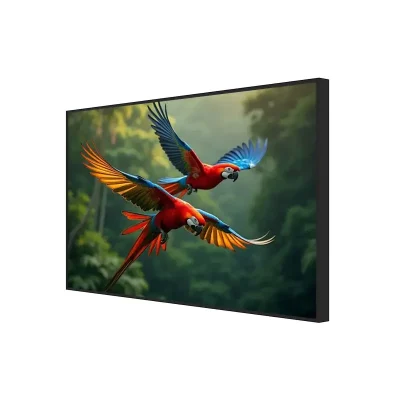
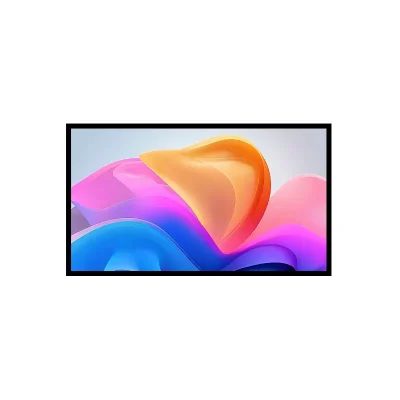
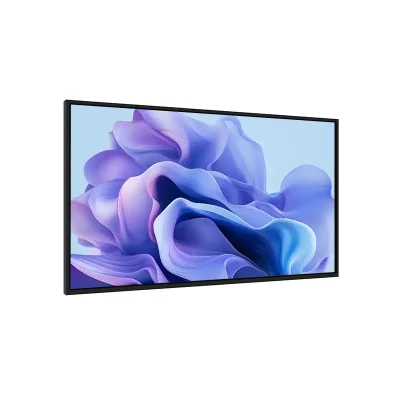
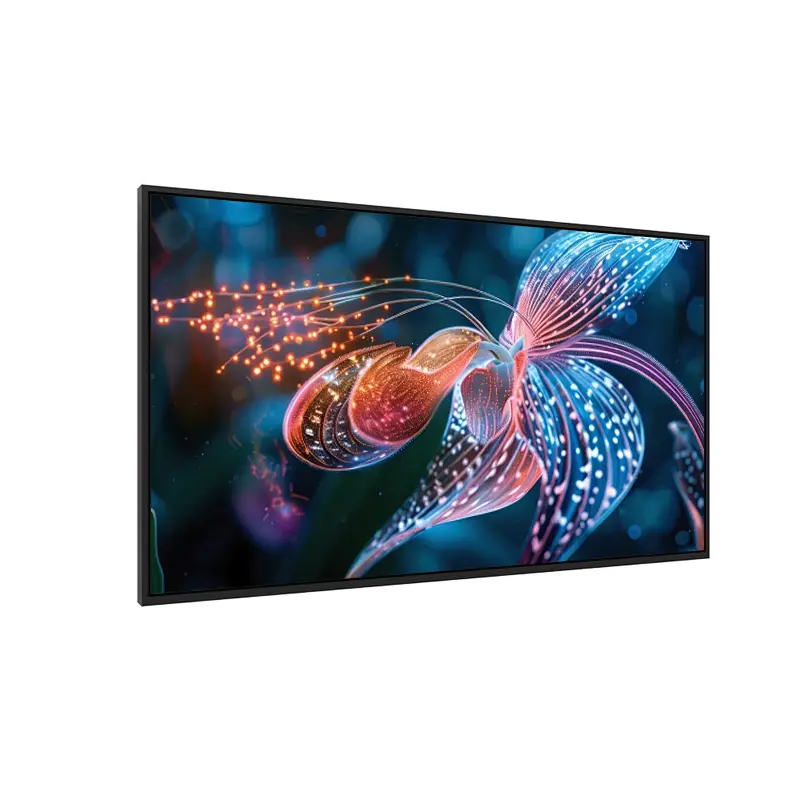
55 Inch 2500 Nits Window Digital Advertising Screen for Storefronts
Model P/N
Size
Resolution
Brightness
Viewing Angle
Connector Type
Operating Temp
Overall(mm)
huisoar
55 inch
Brand
Panel Size (inch)
Model P/N
Resolution
Brightness (nits)
Viewing Angle
Contrast Ratio
Response Time
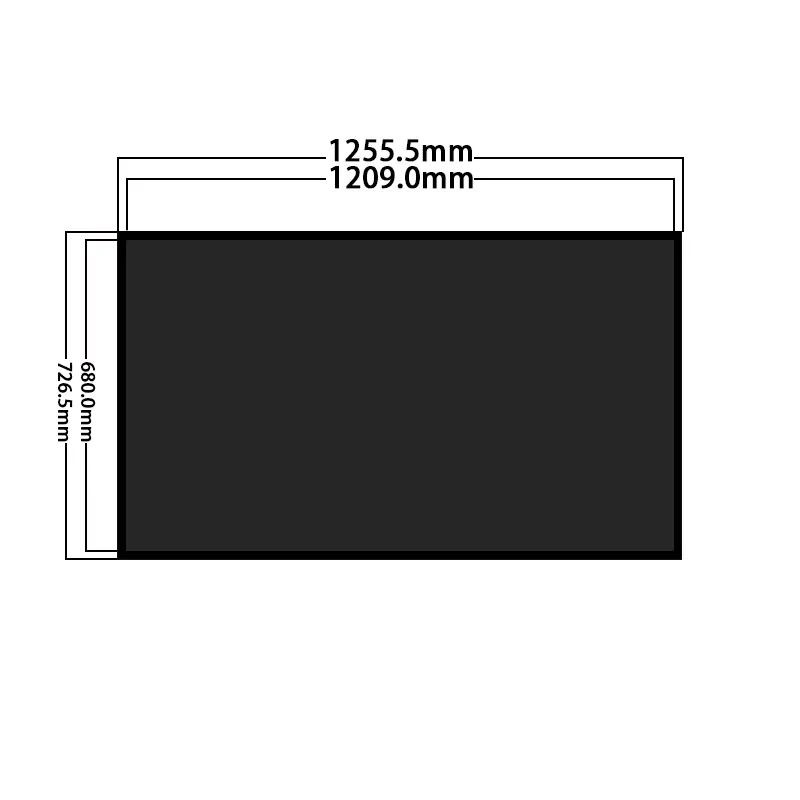
Overall (mm)
Active Area (mm)
Refresh Rate
Display Colors
Panel Type
Connector Type
Surface Treatment
Operating Temp
Touchscreen Type
Storage Temp
Work Mode
Pixel Format
Control Type
Weight (g)
Maximum Power
Operating Environment
Motherboard Type
Designed For
55 Inch 2500 Nits Window Digital Advertising Screen for Storefronts
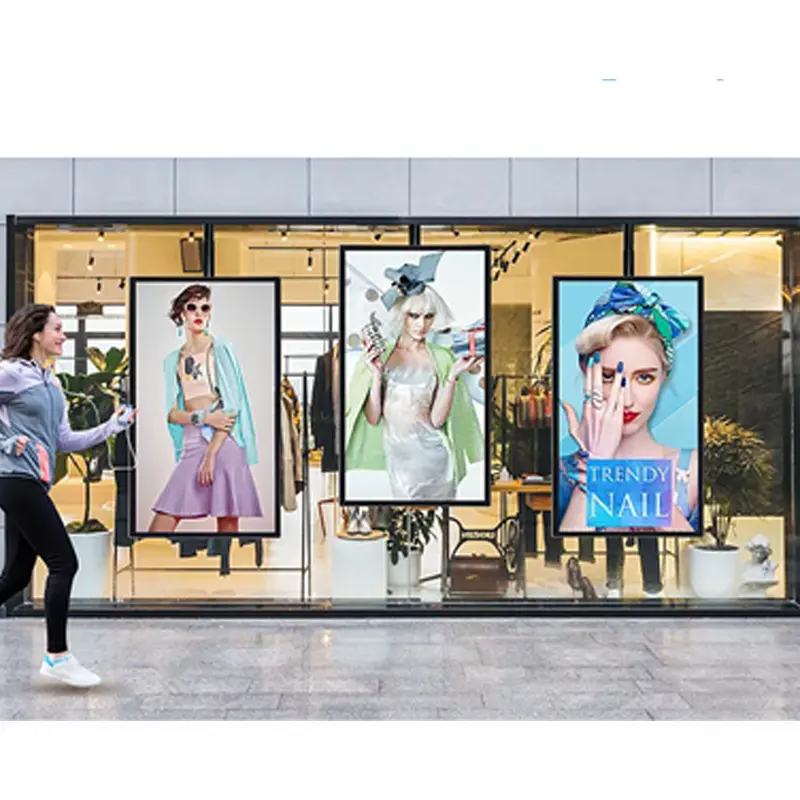
A 55-inch 4K 2500 Nits Window Digital Advertising Screen designed for storefront promotions where content must remain visible through glass in bright retail environments. The selected configuration combines 3840 × 2160 UHD resolution with 2500 cd/m² luminance and a window-facing format intended to present video and promotional graphics to people outside the shop.
Product Summary
This 55-inch window-facing display is built around a 4K retail-advertising use case rather than a conventional indoor monitor. The selected configuration uses 3840 × 2160 pixels, 2500 cd/m² luminance, a listed 180 W model-power value, and a 0°C to +50°C operating range. IPS wide-viewing positioning supports storefront content that may be seen by pedestrians approaching from different angles.
A fixed 2500 cd/m² rating still needs validation through the final storefront glass. Glass transmission, reflections, screen setback, sun direction, viewing distance, and surrounding daylight all affect the contrast that reaches the viewer. Current window-display suppliers similarly treat glazing, brightness, heat, and installation geometry as part of storefront qualification.
Confirmed Model Specifications
The model-controlled values for this configuration are the 55-inch size, 3840 × 2160 UHD raster, 2500 cd/m² luminance, 180 W listed power, and 0°C to +50°C operating range.
| Parameter | Selected configuration |
|---|---|
| Screen size | 55 inches |
| Native resolution | 3840 × 2160 pixels, UHD / 4K |
| Luminance | 2500 cd/m² |
| Display positioning | IPS wide-viewing window-facing display |
| Listed model power | 180 W |
| Operating temperature | 0°C to +50°C |
| Primary use | Retail window advertising and storefront promotion |
The selected 55-inch configuration is 3840 × 2160 UHD. That gives retail teams a native canvas for detailed campaign artwork, product photography, promotional video, price-led creative, and multi-zone retail layouts when the playback hardware is configured for the native raster.
Storefront Visibility Through Glass
2500 cd/m² for Bright Retail Windows
The luminance target gives the display more headroom than a conventional indoor screen when viewed through storefront glazing. For procurement, however, the optical target should be defined at the completed installation rather than at the panel surface alone. High-brightness window-display vendors likewise qualify visibility around the actual window and ambient-light conditions.
The 2500 Nits Window Digital Advertising Screen should therefore be evaluated with the actual glazing type and screen position. Tinted or reflective glass, large air gaps, strong exterior reflections, and direct solar exposure can reduce effective visual contrast even when the display itself has high luminance.
4K Content for Window Advertising
A 3840 × 2160 canvas gives retail teams room for sharp photography, brand graphics, text, product details, and split-screen layouts. Native UHD is also a common specification in current high-brightness commercial window displays.
Before rollout, confirm that the media player can output the required UHD timing and that portrait or landscape artwork is prepared for the approved installation orientation.
2500 Nits Window Digital Advertising Screen Integration
Media and Control Architecture
PC and Android control architectures can be reviewed for the project, along with HDMI, USB, VGA, DVI, DisplayPort, Type-C, and RJ45 options. These are configuration routes rather than a guarantee that every interface or computing platform is included in the standard unit.
For a production order, define the required video inputs, networking method, local-content workflow, remote-management requirement, startup behavior, and player hardware. USB function should also be defined explicitly because its role depends on the selected electronics.
Mounting and Installation Route
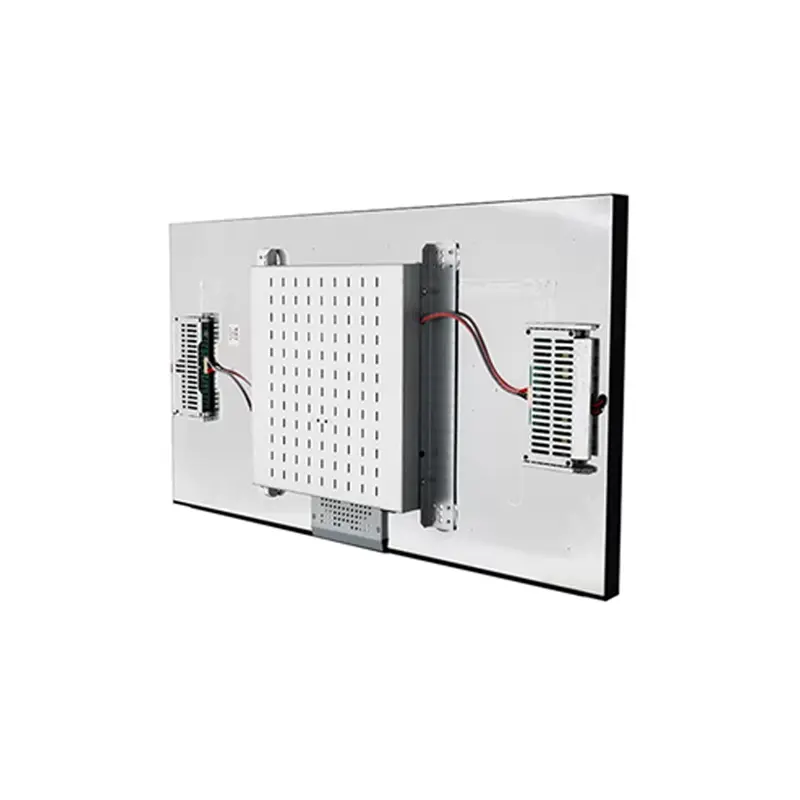
VESA is the default mounting approach, while wall, ceiling, floor-standing, and hanging arrangements can be reviewed for the installation. The exact VESA pattern, mounting-hole depth, bracket geometry, and final system load should be released from the approved mechanical drawing.
A mounting plan should also preserve service access for cables and electronics. Window installations often have limited rear clearance, so bracket depth and cable bend radius should be considered together with the screen-to-glass setback.
Mechanical and Thermal Planning
Passive Heat-Dissipation Approach
The enclosure design uses a heat-dissipation concept intended to reduce reliance on a fan or air-conditioning unit. That can be useful in retail windows where acoustic noise, dust accumulation, and maintenance access are concerns.
Passive thermal design does not remove the need for solar-load testing. A screen close to sunlit glass can experience challenging thermal conditions, and current commercial window-display systems commonly treat thermal management as part of the installation design.
Glass Setback and Airflow
Do not press the display tightly against storefront glass unless the approved mechanical and thermal design calls for it. A controlled setback can help manage reflected light, cable clearance, and heat rejection.
Where the installation has a closed decorative surround, confirm ventilation openings and service clearances before production. The thermal path should be evaluated with the actual operating schedule and selected media electronics.
Media Inputs and Project Configuration
Standard Versus Configurable I/O
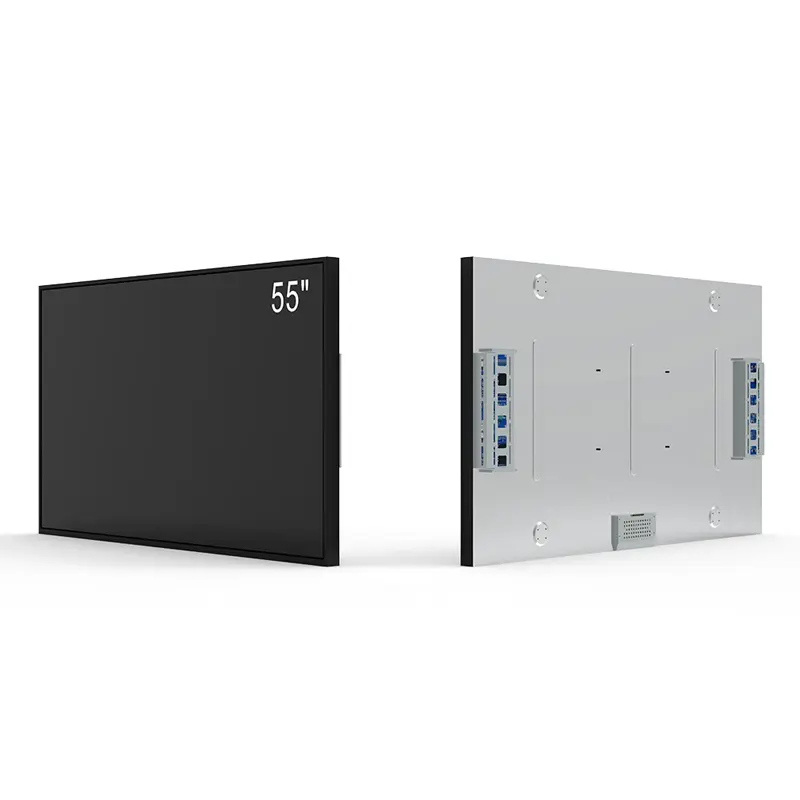
The window-display platform supports common commercial-display interfaces, but the exact port set should be frozen for the ordered configuration. HDMI, VGA, DVI, USB, DisplayPort, Type-C, and RJ45 are described as selectable system routes.
PC or Android integration should likewise be specified as a chosen architecture. Buyers should provide the required operating workflow, network connection, content-update method, and any peripheral requirements before the control board is released.
Power Planning
The selected 55-inch model row lists a 180 W power value. Engineering should confirm its exact test condition and whether it covers the complete ordered system before final electrical and thermal calculations.
Power planning should include the display, control hardware, network devices, and project-specific accessories that will operate inside the enclosure.
Application Fit
Retail Storefront Promotions
This format is designed for shop windows where promotional video and images face pedestrian traffic outside the store. A 55-inch 4K screen provides substantial area for campaign visuals and product messaging while remaining within a common commercial-display size class.
The 2500 Nits Window Digital Advertising Screen is best treated as a behind-glass retail-display platform whose final performance depends on glazing, orientation, thermal conditions, mounting, and content design.
Behind-Glass Versus Exposed-Weather Installation
Window-facing placement does not establish a product-specific waterproof rating. The IP65/IP69K language elsewhere on the page belongs to the general OEM/customization block rather than the exact selected model specification.
If the display will be directly exposed to rain, wash-down, wind-driven moisture, or an unprotected exterior environment, define the required ingress-protection target separately. Sealed connectors, impact protection, optical bonding, and environmental enclosure options require configuration-specific approval.
Configuration Options
Project review can cover PC or Android control hardware, video and network interfaces, mounting style, storefront-glass requirements, optical treatment, enclosure adaptation, passive thermal design, branding, and packaging. The broader OEM program also lists higher environmental, optical, connector, and embedded-system options, but these are separate project routes rather than automatic standard features.
Custom configurations are generally reviewed from 500 pieces, subject to tooling requirements, material availability, and the requested specification. Sample and standard-display quantities are confirmed separately.
Procurement Checklist
Before release, confirm:
- 55-inch 3840 × 2160 native content and playback timing
- Fixed 2500 cd/m² luminance target and tolerance
- Storefront glass type, transmission, tint, and reflection
- Screen setback, orientation, and expected direct-sun duration
- 180 W model-power scope and test condition
- Required PC, Android, or external-player architecture
- Exact HDMI, USB, VGA, DVI, DisplayPort, Type-C, and RJ45 requirements
- Mechanical drawing, VESA pattern, mounting-hole details, and final load
- Cable routing, service access, and thermal clearances
- 0°C to +50°C operating target for the selected configuration
- Required ingress protection for any exposed-weather installation
- Touch requirement, if any
- Sample acceptance criteria, order quantity, and annual demand
FAQ
About 55 Inch 2500 Nits Window Digital Advertising Screen
What should be checked before accepting 2500 cd/m² for a storefront window?
How should heat be managed when the display is installed behind sunlit glass?
Which media and I/O functions need to be specified before ordering?
Can this window-facing display be installed directly outdoors?
What information is required to release the mounting design?
Freya Yang
+86 18318948097