Freya Yang
+86 18318948097
+852 62667476
5.5 Inch HD AMOLED Display Module MIPI 720×1280 for Embedded Devices
Model P/N
Size
Resolution
Brightness
Viewing Angle
Connector Type
Operating Temp
Overall(mm)
huisoar
HS055HD08A-V1
Brand
Panel Size (inch)
Model P/N
Resolution
Brightness (nits)
Viewing Angle
Response Time
Overall (mm)
Active Area (mm)
Refresh Rate
Display Colors
Panel Type
Connector Type
Surface Treatment
Operating Temp
Touchscreen Type
Storage Temp
Work Mode
Pixel Format
Control Type
Weight (g)
Designed For
720×1280 AMOLED Screen with MIPI 4-Lane Interface and SH1386 Driver IC
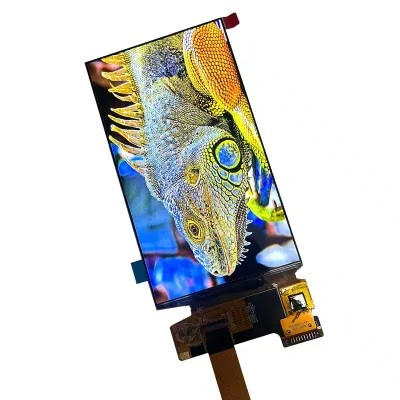
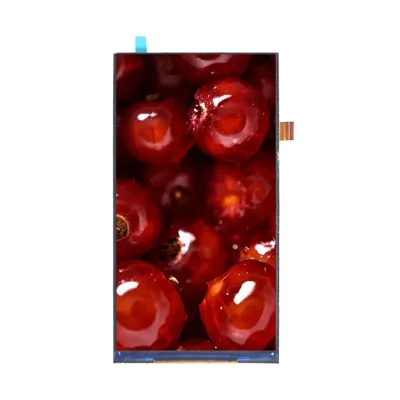
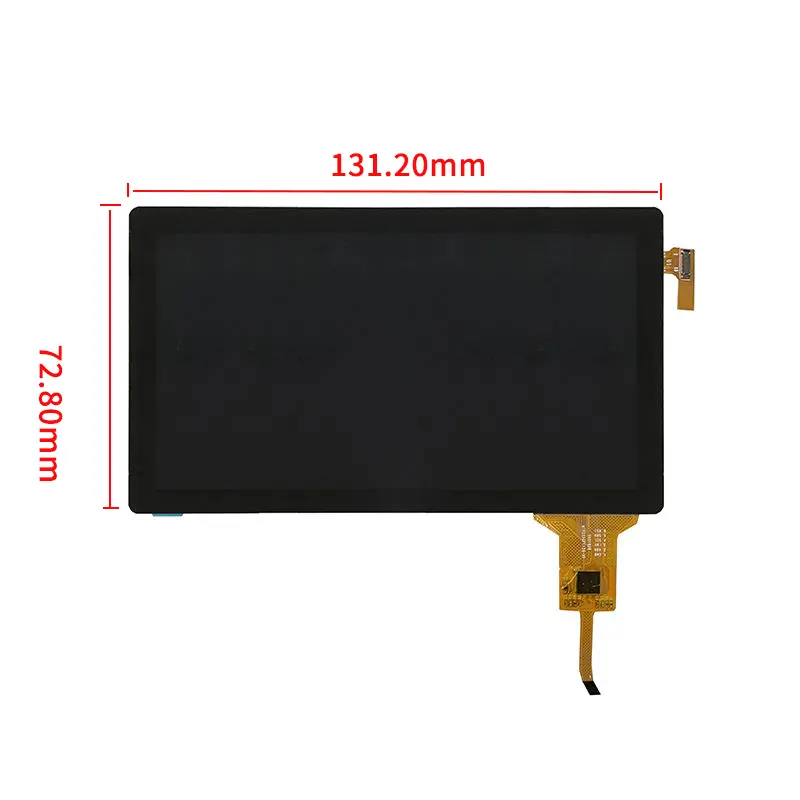
The 5.5 Inch HD AMOLED Display Module is a 720×1280 portrait AMOLED panel for portable smart electronics, embedded devices, mobile terminals, handheld controls, portable GPS products, and game-oriented interfaces. It uses MIPI 4-lane communication, an SH1386 driver IC, real RGB arrangement, 16.7M color output, a 69.12 × 122.88 mm active area, and a slim 72.80 × 131.20 × 1.81 mm outline. This makes it suitable for compact products that need vivid image quality, thin mechanical structure, and high-speed display integration.
At a Glance: 5.5 Inch AMOLED MIPI Display Highlights
- 5.5 inch AMOLED display module with 720(W) × RGB × 1280(H) dot structure for portrait HD interfaces.
- MIPI 4-lane communication interface supports high-speed embedded display integration.
- SH1386 driver IC gives engineers a defined driver reference for controller-board and firmware matching.
- Real RGB arrangement and 16.7M color support help render icons, images, menus, and smart-device UI content clearly.
- 72.80 × 131.20 × 1.81 mm outline and 26 g ±10% weight support slim portable electronics design.
- 69.12 × 122.88 mm active area provides usable portrait display space for handheld and mobile-style interfaces.
- Customization support can be evaluated for LCD size and resolution, interface and pin definition, and FPC shape or material.
Product Overview of the 5.5 Inch HD AMOLED Display Module
The 5.5 Inch HD AMOLED Display Module gives OEM engineers a compact portrait display platform when a product needs stronger visual quality than a basic TFT module and a thinner structure than many conventional LCD assemblies. Its AMOLED construction, 720×1280 HD resolution, real RGB arrangement, and 16.7M color output make it suitable for portable smart devices where display quality affects the user’s perception of the finished product.
This module is especially relevant for mobile electronics, portable GPS units, handheld game consoles, smart terminals, handheld controls, and compact embedded systems. The MIPI 4-lane interface supports a modern high-speed signal path, while the SH1386 driver IC provides a clearer basis for firmware, initialization, and control-board matching.
For procurement teams, the key value is the combination of visual quality, compact module thickness, low component weight, and project-side integration support. Buyers should confirm MIPI lane compatibility, driver resources, FPC routing, power rails, cover design, touch requirements, mechanical fit, sample validation, and long-term supply before moving into bulk production.
Key Features of the 5.5 Inch HD AMOLED Display Module
| Key Feature | B2B Value |
|---|---|
| 5.5 inch AMOLED panel | Supports vivid image presentation in compact portable devices and smart electronics. |
| 720 × 1280 portrait resolution | Provides HD-level UI clarity for icons, text, images, menus, and vertical interfaces. |
| MIPI 4-lane interface | Helps engineers plan high-speed display communication for embedded hardware. |
| SH1386 driver IC | Gives software and hardware teams a defined driver reference during integration. |
| Real RGB arrangement | Supports clean image rendering and avoids ambiguity in pixel-structure evaluation. |
| 16.7M color output | Supports rich UI graphics, image content, and visually differentiated interface states. |
| 1.81 mm outline thickness | Supports slim product design for handheld and portable electronics. |
| 26 g ±10% weight | Helps reduce mechanical load in compact devices where weight matters. |
Technical Specifications of the 5.5 Inch AMOLED MIPI Display Module
| Specification | Value |
|---|---|
| Product Type | 5.5 Inch HD AMOLED Display Module |
| Display Size | 5.5 inch / 5.551 inch diagonal |
| Resolution | 720 × RGB × 1280 |
| Display Type | AMOLED |
| Interface | MIPI 4 lanes |
| Driver IC | SH1386 |
| Display Color | 16.7M |
| Active Area | 69.12 × 122.88 mm |
| Overall Size | 72.80 × 131.20 × 1.81 mm |
| Weight | 26 g ±10% |
These specifications should be reviewed as an integration package. The resolution affects UI design, the MIPI 4-lane interface affects controller-board compatibility, the SH1386 driver IC affects firmware planning, and the 1.81 mm outline thickness affects mechanical design, cover stack, FPC route, and enclosure clearance.
Why Choose This 5.5 Inch AMOLED Display Module?
This 5.5 inch AMOLED display module is suitable when a product needs a smartphone-style portrait display with strong image quality, compact thickness, and a high-speed embedded interface. It is not simply a general LCD replacement; it is better positioned for portable devices where visual impression, mechanical slimness, and integration planning all matter.
720×1280 HD Portrait Format for Portable User Interfaces
The 720×1280 resolution gives designers a useful portrait-format canvas for compact smart products. It can support full-screen menus, image previews, status pages, icons, maps, game interfaces, device settings, and navigation-style layouts without forcing the product into a larger panel size.
For handheld electronics, the portrait layout is often easier to match with user interaction patterns. A GPS unit can show maps and route data, a handheld controller can stack status and control zones, and a smart terminal can present menu options in a phone-like format. Engineers should still test font sizes, icon density, and UI contrast on the real display module.
AMOLED Structure with Real RGB and 16.7M Color Output
The AMOLED structure is valuable when a device needs stronger visual depth and color performance than a basic display module. The supplied data confirms 16.7M colors and a real RGB arrangement, which gives buyers a clear specification basis for image quality evaluation.
For OEM projects, this matters because pixel arrangement affects perceived clarity. Real RGB structure can support clean rendering of text, icons, and image detail when the controller, UI assets, and display settings are properly matched. Final display quality should be validated with the actual UI, operating brightness, cover stack, and intended viewing environment.
Display Performance of the HD AMOLED Module for Portable Smart Electronics
The HD AMOLED module supports visually rich interface design in compact devices by combining 720×1280 resolution, AMOLED image behavior, real RGB arrangement, and 16.7M colors. It is best positioned for smart electronics, handheld terminals, and portable products rather than large industrial signage.
HD Resolution and Color Rendering for Image-Heavy Interfaces
The 720(W) × RGB × 1280(H) dot structure supports detailed images, icons, menu graphics, and portrait UI layouts. This is useful for products where the screen is not only an information display but also part of the product’s perceived quality.
The 16.7M color capability supports richer interface states and image reproduction. Product teams can use color to separate navigation levels, highlight warnings, improve game graphics, or make mobile-style applications feel more polished. Real sample testing is recommended because UI quality depends on the display, graphics pipeline, cover stack, and software settings working together.
Real RGB Arrangement for Clear Text and Icon Presentation
Real RGB arrangement gives engineers and designers a stronger basis for evaluating text clarity and interface rendering. On a compact 5.5 inch screen, small fonts, thin icons, and detailed images can become difficult to read if pixel structure and rendering are not well matched.
For device projects using maps, game scenes, status dashboards, or dense settings pages, designers should validate font weights, anti-aliasing, icon shapes, and color combinations on the physical sample. This helps reduce the risk of a UI that looks acceptable in design software but less readable on the final display.
Slim AMOLED Structure for Compact Product Design
The 72.80 × 131.20 × 1.81 mm outline and 26 g ±10% weight support compact mechanical design. This is important for handheld products where every millimeter of thickness and every gram of mass can affect housing, battery placement, connector routing, and user comfort.
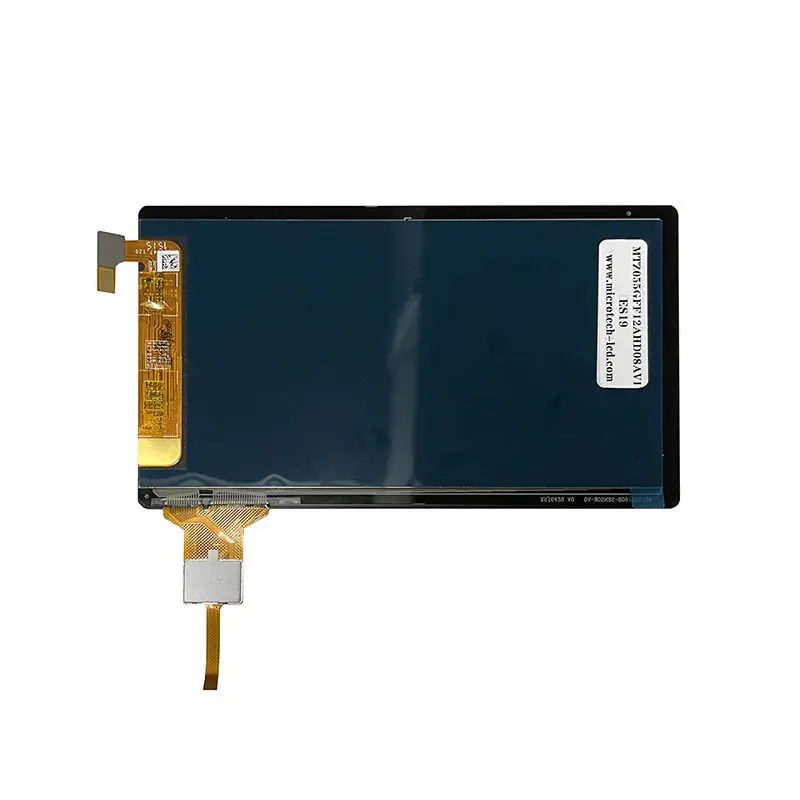
The supplied data also lists LTPS glass and encapsulation glass outlines, with 0.5 / 0.5 mm glass thickness. These values help mechanical teams evaluate cover stack, bonding approach, and housing depth. Any additional touch panel, cover glass, or protective lens should be reviewed as part of the complete assembly.
Integration and Mounting Options for MIPI 4-Lane AMOLED Display Projects
MIPI 4-lane AMOLED display projects should be planned around signal compatibility, driver support, FPC design, power rails, mechanical mounting, and validation with the final controller board. A high-quality display module still requires careful integration.
MIPI 4-Lane Interface and SH1386 Driver Board Integration
The MIPI 4-lane interface supports high-speed display data transmission for compact embedded devices. Engineers should confirm lane configuration, host-controller support, connector mapping, FPC impedance requirements, timing, display initialization, and firmware compatibility before finalizing the design.
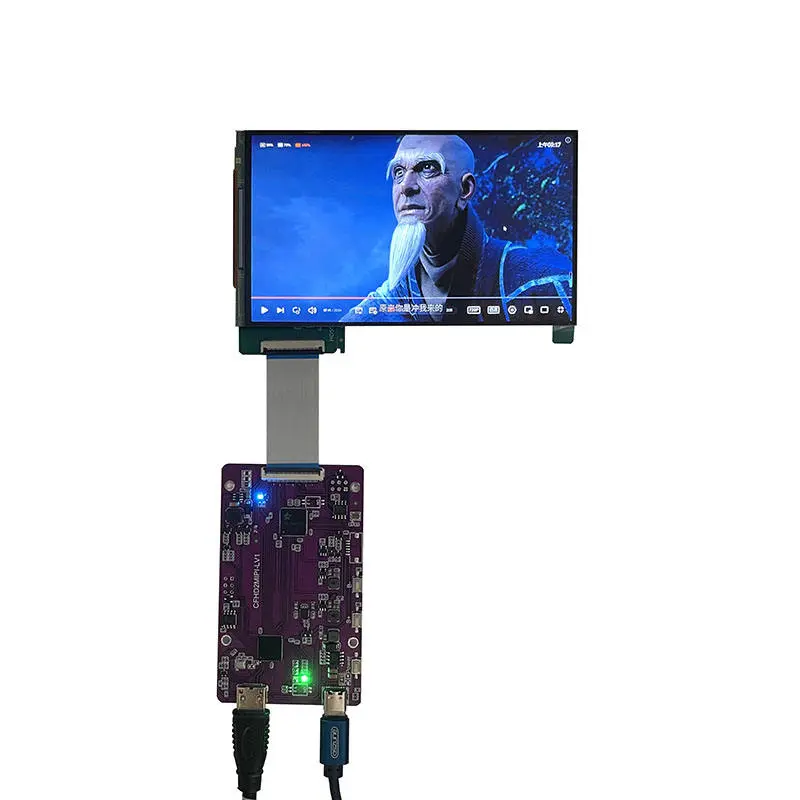
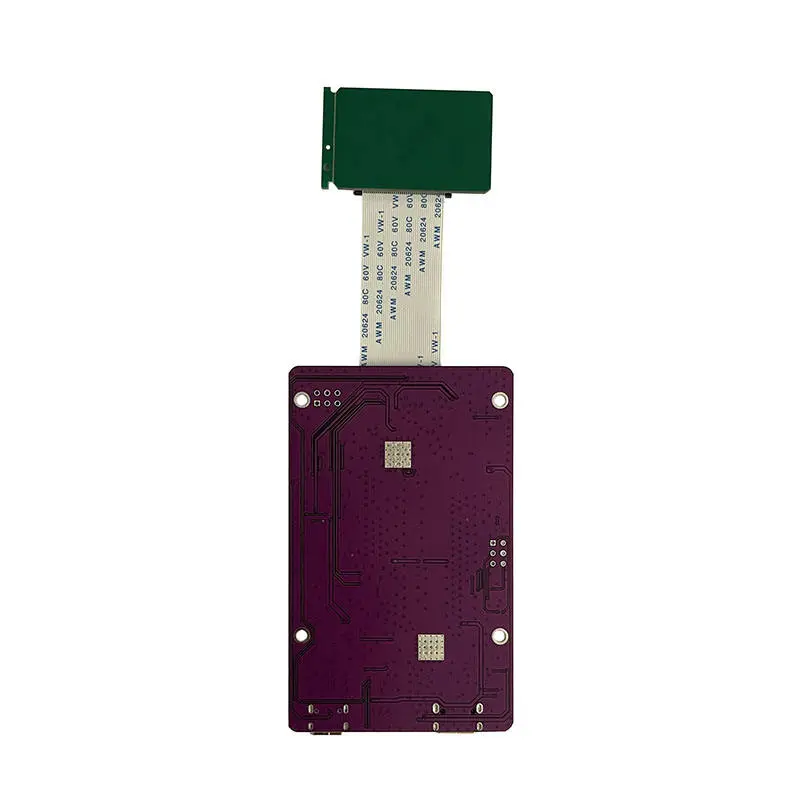
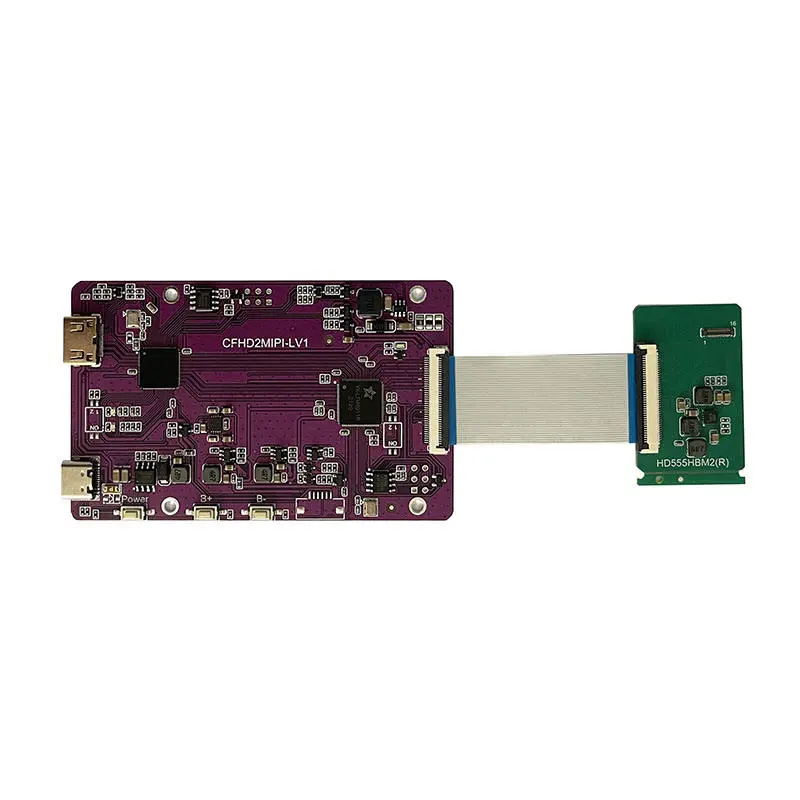
The SH1386 driver IC gives the development team a defined driver reference. Integration review should include command sequence, sleep and wake behavior, orientation settings, frame update behavior, and display stability under the selected operating system or MCU platform. A driver board shown in the source imagery should be treated as a demonstration or integration context unless the final project specification confirms the board configuration.
Mechanical Mounting, FPC Planning, and Cover Stack Review
The module uses a slim outline and panel mounting context, making mechanical alignment important. Engineers should confirm the display opening, active area, outer glass size, FPC exit, bend radius, connector space, adhesive zone, cover lens, and enclosure support.
The source material references customized interface and pin definitions, FPC shape and material, and broader drawing-based customization. These options are useful for OEM projects, but they must be confirmed through drawings and sample approval rather than assumed as default configuration.
Power Rails and System-Level Validation
The source data lists power labels including ELVDD, VDDI, VSP, and OTP power, but it does not provide complete numeric power requirements. Engineers should obtain the datasheet and confirm power sequencing, current requirements, voltage tolerances, gamma settings, ESD handling, and thermal behavior with the selected host board.
AMOLED display projects can be sensitive to power, firmware, and mechanical handling. Sample validation should include startup, image stability, color performance, sleep mode, cable stress, panel mounting, cover stack, and long-duration operation.
Recommended Applications for Portable AMOLED Embedded Displays
This display is most suitable for compact products where screen quality, portrait layout, and slim mechanical structure are important. It should be evaluated for portable smart electronics rather than treated as a generic industrial commodity panel.
Portable GPS Units Requiring Clear Maps and Route Interfaces
Portable GPS equipment needs a display that can present maps, route prompts, icons, and status information in a compact housing. The 720×1280 portrait resolution and AMOLED image quality help support map-like visual content, while the slim outline supports portable device design.
Handheld Game Consoles with Image-Centric User Interfaces
Handheld game products and entertainment devices benefit from rich color output and a compact high-resolution panel. The 16.7M color support and real RGB arrangement make this module relevant for game menus, image scenes, icons, and interactive visual content in a portable format.
Mobile Electronics and Smart Terminal Designs
Mobile electronics and smart terminals often need a display that looks closer to a modern phone screen than a basic control panel. The 5.5 inch size, portrait format, MIPI interface, and thin structure support projects such as handheld data terminals, compact smart controllers, and portable communication devices.
Embedded Devices with Slim Housing Constraints
Embedded products with thin housings require careful display selection. The 1.81 mm outline thickness and 26 g ±10% weight make this AMOLED module useful for devices where mechanical efficiency matters. Final suitability depends on FPC route, cover design, mounting method, and controller compatibility.
Customization Options for 5.5 Inch AMOLED Display Module Projects
Customization for 5.5 inch AMOLED display module projects can be evaluated through display size and resolution, interface and pin definition, FPC shape and material, controller-board matching, cover glass, touch integration, mechanical alignment, and sample-based validation. These options should be treated as project-evaluation items unless confirmed in the final drawing and quotation.
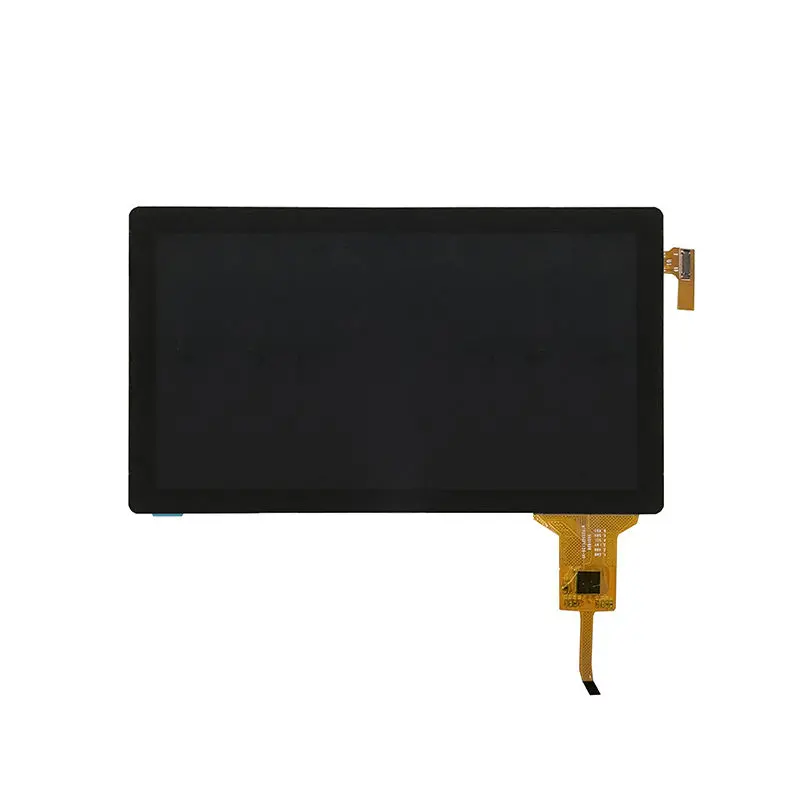
For OEM projects, common review points include MIPI lane matching, driver-board support, FPC direction, connector type, cover lens size, touch stack feasibility, optical bonding, anti-glare or protective surface requirements, and housing fit. If a project needs a touchscreen, the touch panel and touch interface should be confirmed separately because the supplied core specifications do not confirm the touch configuration.
The most efficient customization process begins with the device drawing, host-controller plan, target display orientation, FPC route, brightness and viewing environment, cover or touch needs, and expected quantity. This allows the supplier to review feasibility before sample preparation.
Procurement and Engineering Checklist for 5.5 Inch AMOLED Module Selection
A 5.5 inch AMOLED module selection should verify electrical compatibility, mechanical fit, display quality, and customization requirements before ordering. Use this checklist before sample approval and volume procurement.
- Confirm the display size and format: verify that 5.5 inch portrait 720×1280 fits the product UI and enclosure.
- Match the MIPI interface: confirm MIPI 4-lane support, connector mapping, FPC route, and controller-board compatibility.
- Validate SH1386 driver support: review initialization code, command set, sleep behavior, and display rotation.
- Check mechanical dimensions: compare 72.80 × 131.20 × 1.81 mm outline and 69.12 × 122.88 mm active area with the drawing.
- Review power requirements: request full numeric power data for ELVDD, VDDI, VSP, sequencing, and current.
- Evaluate cover and touch needs: confirm whether the project requires a cover lens, touch panel, optical bonding, or surface protection.
- Test real UI content: verify fonts, icons, image rendering, color output, and viewing behavior on a sample.
- Confirm customization and supply plan: review FPC design, sample lead time, quantity, validation steps, and bulk production requirements.
MIPI Interface / FPC / Mounting Selection Guide for AMOLED Display Projects
For AMOLED display projects, interface, FPC, and mounting should be reviewed together. MIPI 4-lane compatibility affects the host board, FPC shape affects mechanical assembly, and panel mounting affects display protection and alignment. A correct sample test should include the final UI, final cover stack, and final enclosure path rather than only a bench-top display demonstration.
FAQ
About 5.5 Inch HD AMOLED Display Module
What is a 5.5 Inch HD AMOLED Display Module used for?
What resolution does this AMOLED module provide?
Does the display use MIPI interface?
Which driver IC is used?
What is the module outline size?
Is this module suitable for handheld game consoles?
Does this display include touch?
What customization options can be evaluated?
What information should buyers provide before requesting a quote?
Is this module suitable for outdoor products?
Freya Yang
+86 18318948097