Freya Yang
+86 18318948097
+852 62667476
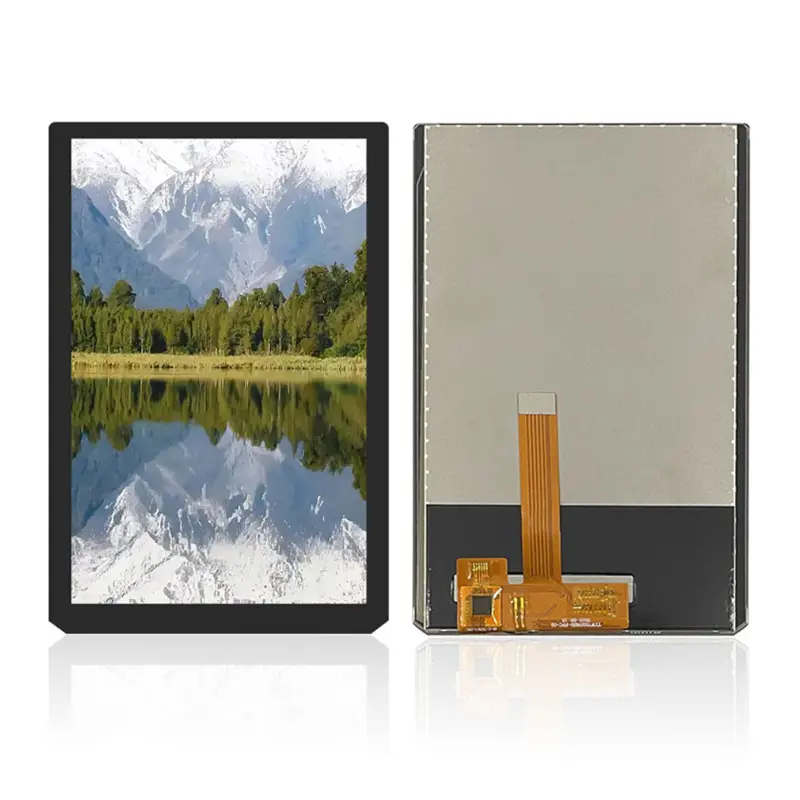
7 Inch 1100 Nits Touch LCD Module High Brightness MIPI for Handheld Terminals
Model P/N
Size
Resolution
Brightness
Viewing Angle
Connector Type
Operating Temp
Overall(mm)
huisoar
HS700078S0-CTP
Brand
Panel Size (inch)
Model P/N
Resolution
Brightness (nits)
Viewing Angle
Contrast Ratio
Response Time
Overall (mm)
Active Area (mm)
Refresh Rate
Display Colors
Panel Type
Connector Type
Operating Temp
Touchscreen Type
Storage Temp
Work Mode
Pixel Format
Designed For
800×1280 High Brightness MIPI Capacitive Touch LCD Module Display for UAV Controllers, Payment Devices, and Industrial PDAs
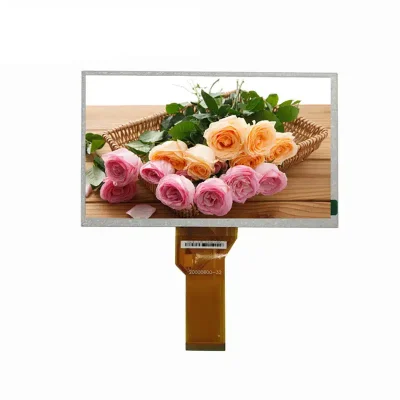
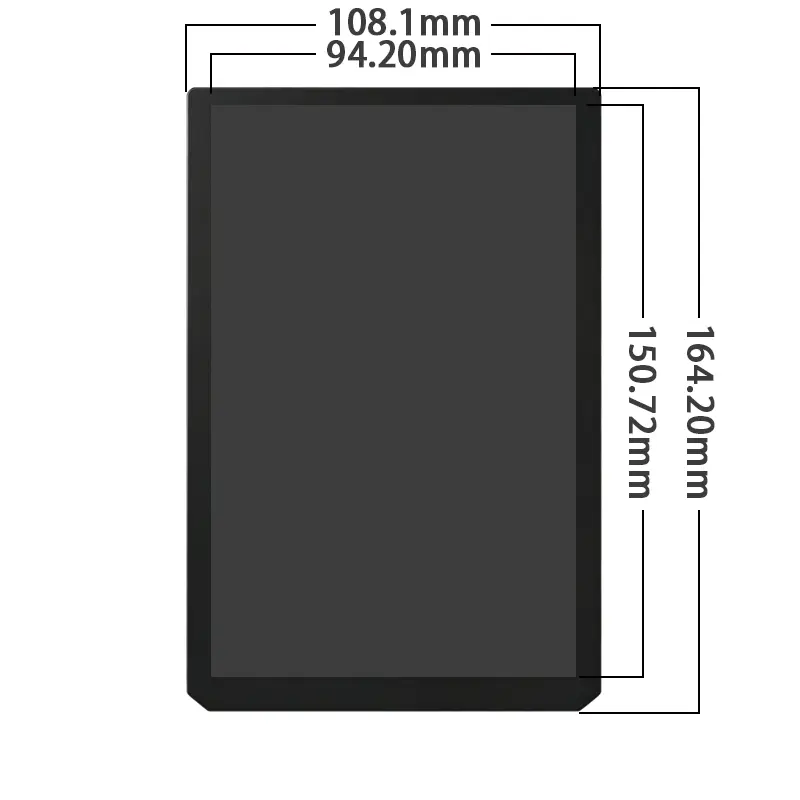
A 7 Inch 1100 Nits Touch LCD Module is a portrait-format 800×1280 TFT-LCD module for handheld terminals, UAV controllers, payment devices, instruments, and portable medical equipment that need high brightness, capacitive touch, and MIPI integration. It combines an 1100 cd/m² typical brightness level, IPS hard-screen viewing, 39-pin MIPI signal connection, WLED backlight, 16.7M colors, and a compact 108.1 × 164.2 × 4.45 mm structure for mobile embedded products used in bright or variable lighting.
At a Glance: 7 Inch High Brightness Touch Module Highlights
- 7-inch portrait TFT-LCD module with 800 × 1280 resolution for vertical handheld UI layouts.
- 1100 cd/m² typical brightness supports stronger visibility than standard indoor display modules.
- MIPI interface with 39-pin signal connection supports compact embedded system design.
- Projected capacitive touch enables direct interaction for field terminals, payment devices, and control interfaces.
- IPS hard-screen structure provides 80/80/80/80 viewing angles for multi-angle operation.
- 108.1 × 164.2 × 4.45 mm overall size supports slim handheld and terminal enclosure design.
- -20 to 70 °C operating range and -30 to 80 °C storage range support mobile industrial deployment.
Product Overview of the 7 Inch 1100 Nits Touch LCD Module
The 7 Inch 1100 Nits Touch LCD Module is designed for compact smart terminals that need bright visual output, vertical information display, and responsive capacitive touch control. Its 800 × 1280 portrait resolution supports modern handheld layouts, including dashboards, menus, transaction screens, remote-controller telemetry, medical prompts, industrial instrument readings, and PDA-style application pages.
The 1100 cd/m² brightness level is the key optical difference from lower-brightness 7-inch modules. It gives OEM teams a stronger visibility margin for field devices, payment terminals, UAV controller handles, portable instruments, and semi-outdoor equipment where standard indoor panels may appear too dim. The module should still be validated in the final cover-glass and enclosure structure because glare, bonding, front lens reflectivity, and backlight driving all affect real-world readability.
This module is a component-level display platform rather than a finished monitor. Buyers should evaluate the 39-pin MIPI interface, capacitive touch requirements, active area, outline size, cable route, controller compatibility, and thermal design before approving samples or bulk production. For portable equipment, its compact mechanical profile and high-brightness display performance can help balance usability, enclosure size, and embedded integration.
Key Features of the 7 Inch 1100 Nits Touch LCD Module
| Key Feature | B2B Value |
|---|---|
| 1100 cd/m² high brightness | Improves visibility for handheld terminals, mobile devices, and semi-outdoor equipment used in strong ambient light. |
| 800 × 1280 portrait resolution | Supports vertical UI layouts for payment, control, telemetry, inspection, and medical workflows. |
| 7-inch compact format | Fits handheld PDA displays, remote controllers, smart terminals, and portable embedded devices. |
| Projected capacitive touch | Enables direct interaction for menu control, transaction input, device setup, and field operation. |
| MIPI interface with 39 pins | Supports compact board-level integration for modern embedded processor platforms. |
| IPS hard-screen viewing | Helps maintain readability when users hold or view the device from different angles. |
| WLED backlight | Supports compact LCD module illumination in embedded display assemblies. |
| Wide operating range | -20 to 70 °C operation supports industrial, portable, and field-use equipment designs. |
Technical Specifications of the 7 Inch High Brightness Touch Display
| Specification | Value |
|---|---|
| Product Type | 7 inch high brightness MIPI capacitive touch LCD module |
| Display Size | 7 inch |
| Resolution | 800 × 1280 |
| Brightness | 1100 cd/m² typical |
| Interface | MIPI, 39 pins |
| Touch Type | Projected capacitive touch |
| Active Area | 94.2 × 150.72 mm |
| Overall Size | 108.1 × 164.2 × 4.45 mm |
| Viewing Angle | 80/80/80/80 |
| Operating Temperature | -20 to 70 °C |
These specifications make the module suitable for compact embedded devices where brightness, portrait resolution, touch input, and MIPI connectivity all need to be considered together. Engineering teams should verify the 39-pin pinout, MIPI timing, touch routing, cable bending area, cover-glass stack, backlight drive method, and enclosure thermal condition during sample validation.
Why Choose This 7 Inch High Brightness Touch LCD Module?
This 7 inch high brightness touch LCD module is useful when a product needs a brighter portrait screen without moving to a larger display size. It is especially relevant for handheld and mobile equipment where screen readability, touch response, and compact integration are all important.
800×1280 Portrait Resolution for Handheld PDA and Payment Interfaces
The 800 × 1280 resolution gives product teams a vertical screen format suited to smart handheld devices. Payment terminals, industrial PDAs, and portable medical devices often use portrait interfaces because users scroll through lists, input values, read status pages, and follow workflow prompts from top to bottom. This screen format supports that interaction style without forcing a wide enclosure.
The active area of 94.2 × 150.72 mm gives a practical visual workspace for icons, data fields, transaction screens, telemetry information, and touch buttons. Compared with a low-resolution display of the same size, this module provides more room for modern UI design while keeping the 7-inch mechanical class.
1100 cd/m² Brightness and MIPI Interface for Mobile Equipment
The 1100 cd/m² brightness level supports stronger readability in bright indoor, vehicle, field-service, and semi-outdoor operating conditions. It is not a guarantee of direct-sunlight readability in every enclosure, but it gives engineers a better optical starting point than standard indoor brightness panels. For field devices, that margin can be important when the terminal is used near windows, outdoors for short periods, or under changing lighting.
The MIPI interface with 39 pins fits compact embedded-system design. MIPI can reduce wiring complexity compared with some wider parallel interfaces, but it requires accurate controller matching. The project team should confirm host compatibility, timing parameters, display initialization, backlight control, and cable layout before committing to production.
Display Performance of the 7 Inch High Brightness Touch Display for Field Devices
The display performance is centered on high brightness, portrait readability, and stable viewing from different user positions. These attributes matter in handheld and portable devices because the screen angle and lighting environment change during use.
1100 cd/m² Readability for Outdoor-Adjacent Handheld Terminals
The 1100 cd/m² typical brightness level helps the display remain more visible in strong ambient light than standard indoor modules. That makes it relevant for logistics devices, UAV controller handles, handheld PDAs, field-service terminals, and payment devices used near bright entrances or outdoor-adjacent environments.
Final readability depends on the complete optical stack. If the device uses thick cover glass, an air gap, glossy surface treatment, or a sealed enclosure, glare and reflections can reduce perceived contrast. For high-ambient-light projects, anti-glare cover glass, optical bonding, brightness tuning, and enclosure shading should be reviewed during engineering evaluation.
IPS Viewing, 800:1 Contrast, and 16.7M Colors for Smart UI
The IPS hard-screen structure and 80/80/80/80 viewing angle help preserve readability when the device is tilted, handheld, or viewed by multiple users. This is important for UAV remote controllers, portable diagnostic devices, and industrial instruments because the operator may not always hold the screen at a fixed angle.
The 800:1 typical contrast ratio and 16.7M display colors support clearer UI presentation for maps, dashboards, icons, transaction prompts, status colors, and medical or instrument data. UI design still matters: font size, color contrast, brightness setting, and screen layout should be validated with the intended workflow.
Wide Temperature Range for Mobile and Industrial Conditions
The -20 to 70 °C operating range supports equipment used in broader conditions than typical office displays. Portable industrial products may experience storage, transport, or field-use temperature variation, so this range is useful for early project screening. However, the full device must still pass system-level validation because the enclosure, battery, processor, and backlight all affect internal temperature.
For long-duty handheld or mounted terminals, engineers should test display stability inside the final enclosure. A module that performs well in open-air evaluation can behave differently after cover glass, seals, adhesives, and internal heat sources are added.
Integration and Mounting Options for MIPI Touch Handheld Systems
This module is best evaluated as part of an embedded display system that includes the control board, MIPI cable, touch layer, cover glass, and final enclosure.
39-Pin MIPI Interface and Embedded Control-Board Matching
The 39-pin MIPI connection should be checked against the host processor and display driver configuration. MIPI integration is efficient for compact smart devices, but it is sensitive to timing, signal integrity, cable length, connector definition, and initialization sequence. Engineering teams should request the interface documentation and test the panel with the intended board.
Validation should include boot display behavior, orientation, color order, brightness control, EMI behavior, touch response, and wake/sleep handling. For UAV controllers or payment terminals, display reliability during repeated operation is as important as first-time image output.
Capacitive Touch Stack, Cover Lens, and Handheld Enclosure Planning
Projected capacitive touch supports modern interaction, but touch quality depends on the front-panel stack. Cover lens thickness, bonding method, grounding design, nearby metal frame, firmware tuning, and environmental noise can all affect touch response. For handheld devices, designers should also consider fingerprints, cleaning, glove use, and accidental touch behavior.
Mechanically, the 108.1 × 164.2 × 4.45 mm outline gives enclosure designers a clear starting point. The final design must reserve space for the active area, bezel, FPC route, connector, adhesive, gasket, cover lens, and mounting support. For portable equipment, cable strain relief and drop-related mechanical protection may also need review.
Power, Backlight, and Thermal Review for High-Brightness Operation
Input voltage and power consumption were not confirmed in the readable source, so those values should be verified from the datasheet or sample documentation. High brightness can increase thermal load, especially in sealed handheld terminals. Thermal evaluation should include maximum brightness operation, processor heat, battery condition, ambient temperature, and enclosure material.
Backlight control should also be reviewed. For a portable device, adjustable brightness may help manage visibility, power consumption, and heat. If automatic brightness control is required, that should be confirmed as a project-level feature rather than assumed from the display module alone.
Recommended Applications for High-Brightness Handheld and Smart Terminals
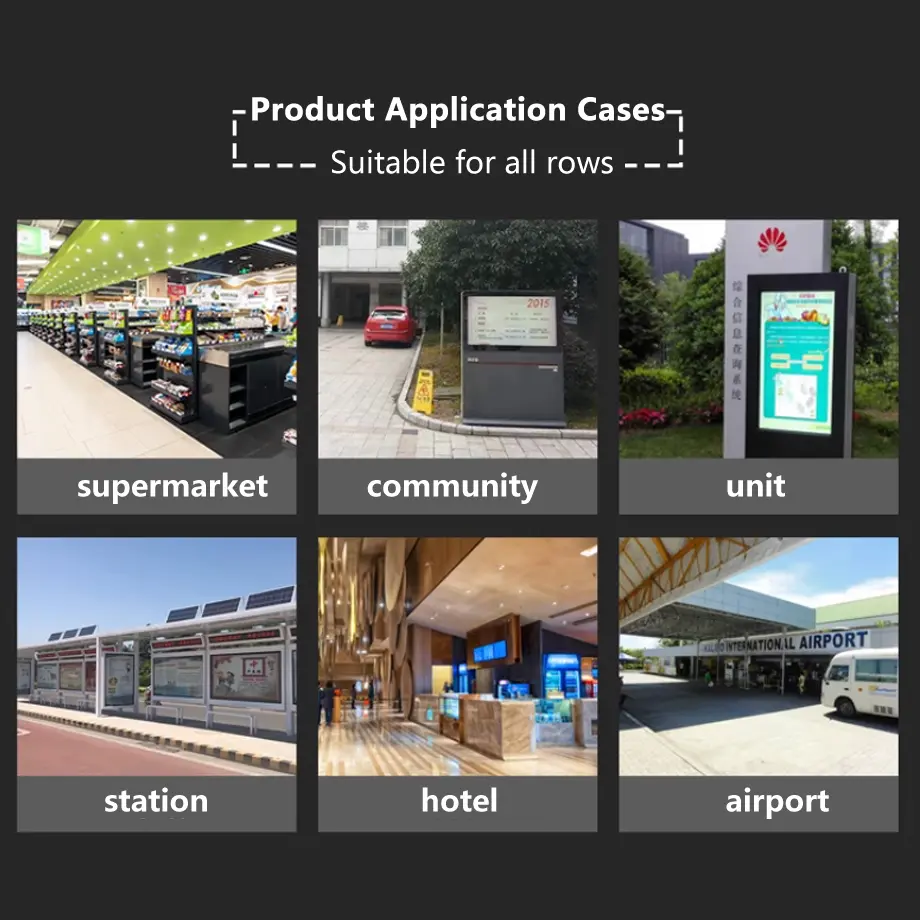
This module fits applications where operators need a compact portrait touch screen with stronger brightness than standard indoor LCD modules.
UAV Remote Controller Handles Requiring Bright Telemetry Display
UAV controller handles often require a bright portrait display for status data, map views, camera prompts, signal information, and settings. The 7-inch format provides more visual space than smaller handheld screens, while 1100 cd/m² brightness supports better outdoor-adjacent visibility. MIPI integration and capacitive touch can support modern controller UI designs.
Payment Terminals and Smart POS Devices Used in Bright Environments
Payment terminals and smart POS devices need responsive touch operation, clear transaction pages, and compact mechanical design. The portrait 800 × 1280 format supports keypad screens, QR display, transaction confirmation, menu navigation, and customer prompts. For public-facing terminals, cover glass durability, touch tuning, and cleaning resistance should be reviewed.
Industrial Instruments and Handheld PDA Displays for Field Work
Industrial instruments and handheld PDAs often operate under variable lighting and physical constraints. This display combines high brightness, IPS viewing, WLED backlight, and a slim module structure, making it useful for inspection tools, logistics devices, measurement instruments, and field-service equipment. The operating temperature range supports broader project screening before full device testing.
Portable Medical Equipment Needing Readable Touch Interfaces
Portable medical equipment can benefit from a portrait touch screen that shows readings, menus, alerts, and workflow prompts clearly. The 800 × 1280 resolution and capacitive touch structure support interactive UI layouts. Medical regulatory, cleaning, safety, and certification requirements must be handled at the finished-device level.
Customization Options for 7 Inch High Brightness Touch LCD Projects
Customization should be evaluated according to the final product environment. Project options may include cover glass, anti-glare surface treatment, optical bonding, capacitive touch tuning, MIPI cable matching, backlight control review, custom FPC direction, enclosure design, mounting support, and system-level sealing for outdoor-adjacent devices.
For handheld terminals, priorities often include cover durability, touch accuracy, glare reduction, compact cable routing, and thermal performance. For UAV controllers, brightness validation, EMI behavior, controller-board matching, and mechanical protection may be more important. For payment or medical equipment, front-surface cleaning, user touch behavior, and UI readability should be included in sample validation.
Procurement and Engineering Checklist for 7 Inch High Brightness LCD Selection
Use this checklist before approving the display for sampling, pilot build, or bulk purchasing:
- Confirm that the 800 × 1280 portrait format fits the product UI, viewing distance, and touch target size.
- Validate whether 1100 cd/m² brightness is sufficient for the real operating environment.
- Check MIPI host compatibility, 39-pin pinout, initialization sequence, and cable design.
- Review the 94.2 × 150.72 mm active area against the visible window and cover glass.
- Confirm the 108.1 × 164.2 × 4.45 mm outline, FPC route, connector clearance, and mounting method.
- Test projected capacitive touch with the final cover lens, bonding structure, grounding, and firmware.
- Evaluate thermal performance at high brightness inside the intended enclosure.
- Validate the sample in the actual application: UAV controller, payment terminal, PDA, instrument, or medical device.
- Confirm quantity, lead time, customization needs, and long-term supply expectations before bulk orders.
Brightness / Interface / Mounting Selection Guide for 7 Inch Handheld Terminals
For handheld devices used in bright environments, 1100 cd/m² brightness provides a useful starting point, but the final decision should be based on sample testing with the actual cover glass and enclosure. If glare is a concern, anti-glare treatment and optical bonding should be evaluated.
For interface selection, this module is appropriate when the system architecture supports MIPI and can accommodate a 39-pin connection. For mounting, confirm the display window, touch cover, gasket, adhesive, cable bend radius, and board placement before tooling. Mechanical and electrical validation should happen together because handheld devices have limited internal space.
FAQ
About 7 Inch High Brightness Touch LCD Modules
What is the main advantage of this 7 inch display?
Is 1100 cd/m² suitable for outdoor handheld devices?
What interface does the module use?
Does the display include touch functionality?
What applications are best suited for this display?
How is it different from a 550 cd/m² 7-inch touch display?
What mechanical details should be checked?
Can it be used in medical equipment?
What should buyers provide for a quotation?
What customization options can be reviewed?
Freya Yang
+86 18318948097