
~
~
~
~
~
~
F080A66-601 Tablet Automotive AAS XGA Cell 8 Inch Innolux
Model P/N
Size
Resolution
Brightness
Viewing Angle
Connector Type
Operating Temp
Overall(mm)
innolux
F080A66-601
Brand
Panel Size (inch)
Model P/N
Resolution
Viewing Angle
Contrast Ratio
Response Time
Overall (mm)
Active Area (mm)
Refresh Rate
Display Colors
Panel Type
Connector Type
Operating Temp
Touchscreen Type
Storage Temp
Work Mode
Pixel Format
Designed For
Product Details
Product Overview
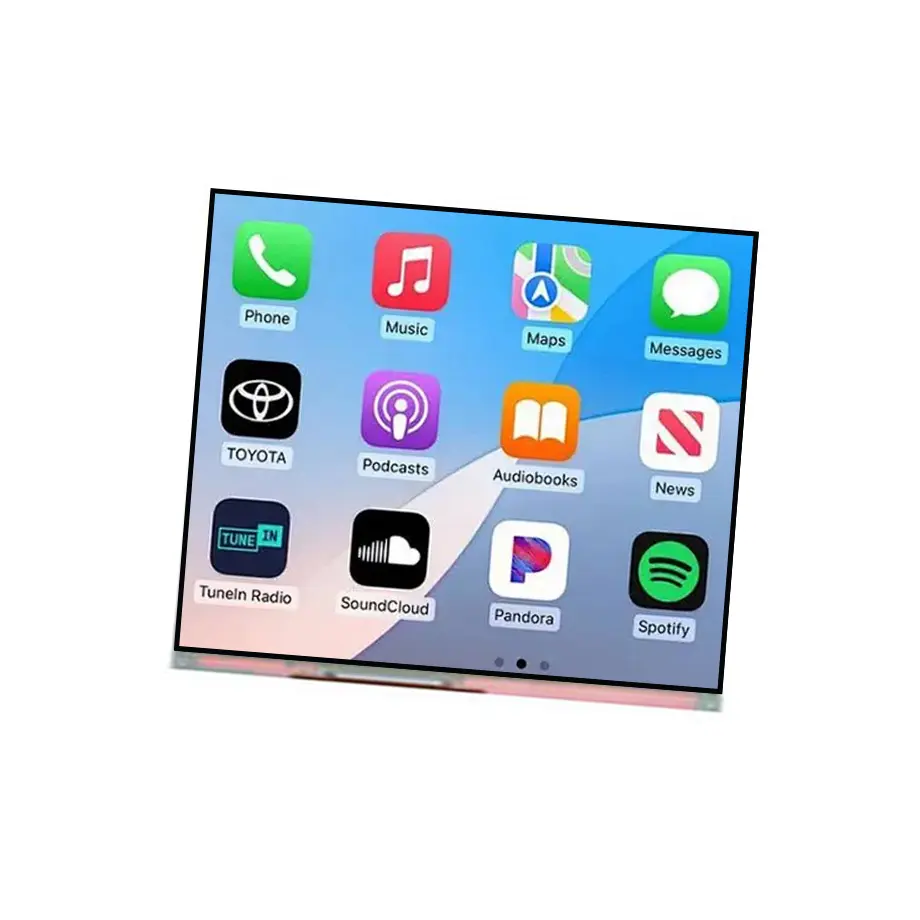
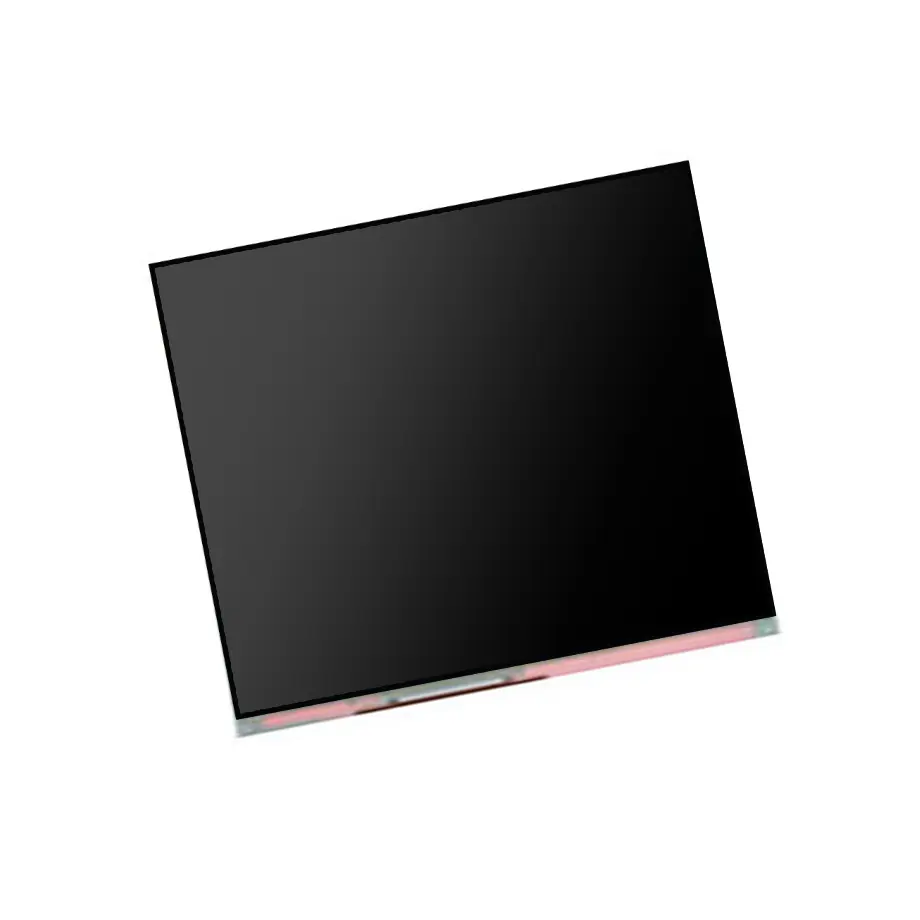
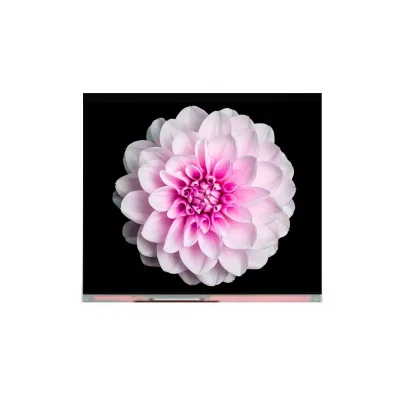
F080A66-601 Tablet Automotive AAS XGA Cell is an 8.0-inch Innolux a-Si TFT-LCD full cell with a 1024(RGB)×768 XGA image in a 4:3 aspect ratio. The active area is 162.048 × 121.536 mm and the physical outline is 171.124 × 132.618 × 0.8 mm. This is a CELL product with no integrated backlight and no touch sensor, so the listed luminance is 0 cd/m² and must not be interpreted as finished-display brightness.
The supplied exact-model facts identify AAS normally-black transmissive operation, 800:1 typical contrast, symmetric 80/80/80/80 viewing at CR≥10, 25 ms typical Tr+Td response, 16.7M colors at 50% NTSC and 4.29% typical transmissivity with polarizer. The glass construction is listed as 0.40 + 0.40 mm. A native external interface and panel input voltage are not established in the supplied evidence, so those fields remain blank rather than being borrowed from a related model.
The exact-model public technical listing identifies wide-temperature positioning and applications including Pad & Tablet, Automotive Display, Digital Photo Frame and Portable DVD Player. Innolux provides the manufacturer context. Final electrical drive details should come from the current exact-model datasheet or the selected driver implementation.
Three Core Buyer Value Propositions
1. -30 °C to 85 °C operating envelope for temperature-varying equipment
The confirmed operating range is -30 °C to 85 °C, with storage from -40 °C to 90 °C. That broad component range supports evaluation in vehicle displays and portable devices exposed to larger temperature swings than office-only electronics. Temperature limits alone do not establish automotive grade, rugged certification or environmental compliance. The complete assembly, including backlight, controller and bonding materials, must meet the target system requirements.
2. 4:3 XGA format supports legacy and embedded UI layouts
The 1024×768 4:3 format remains useful in embedded systems, older HMI layouts, digital photo applications and compact vehicle interfaces where a widescreen panel would change the UI geometry. The 8-inch cell gives the integrator control over the backlight and mechanical package, but it also requires a complete illumination and drive solution before the image can be evaluated as a finished display.
3. 4.29% transmissivity provides a concrete backlight-design input
For a bare LCD cell, transmissivity is more relevant to illumination planning than a finished-module brightness figure. The 4.29% typical value with polarizer helps an optical designer estimate the relationship between backlight output and visible luminance. It is not enough to calculate final brightness without the LED spectrum, film stack, aperture losses and current operating conditions.
Key Specifications at a Glance
| Parameter | Confirmed value |
|---|---|
| Manufacturer / model | Innolux F080A66-601 |
| Display size | 8.0 inch |
| Product type | a-Si TFT-LCD CELL, Q-CUT full cell |
| Resolution | 1024(RGB)×768, XGA, 4:3 |
| Pixel layout | RGB Ttilt Stripe |
| Active area | 162.048 × 121.536 mm |
| Outline | 171.124 × 132.618 × 0.8 mm |
| Brightness | 0 cd/m² because no backlight is included |
| Contrast | 800:1 typical |
| Viewing | 80/80/80/80 typical at CR≥10 |
| Color | 16.7M, 50% NTSC |
| Response | 25 ms typical Tr+Td |
| Transmissivity | 4.29% typical with polarizer |
| Display mode | AAS, Normally Black, Transmissive |
| Plate thickness | 0.40 + 0.40 mm |
| Refresh | 60 Hz |
| Touch | Without touch screen |
| Operating / storage | -30 to 85 °C / -40 to 90 °C |
What Does CELL-Only Construction Mean for Integration?
A cell contains the image-forming LCD stack but omits the illumination hardware and much of the structural packaging of a complete LCM. For F080A66-601 Tablet Automotive AAS XGA Cell, the buyer must provide a suitable backlight, optical films, mechanical support and driver electronics. The 0 cd/m² value therefore marks the product boundary; it is not a defect or a claim that the assembled display will be dark.
The 0.8 mm outline depth makes the glass itself thin, but the finished system will be much thicker after the illumination cavity, bezel, controller and protective front stack are added. Mechanical design should distribute pressure evenly and protect the cell edges from twisting or concentrated loads.
Backlight qualification
Start with a production-intent optical stack and measure center/edge luminance, uniformity, contrast and color after warm-up. The 50% NTSC cell color figure should not be converted into a finished gamut promise without testing the selected backlight spectrum. Thermal behavior also needs evaluation because LED efficiency and color shift with temperature.
How Should an Unresolved Interface Be Handled?
The current exact-model evidence does not establish a finished external interface such as LVDS, eDP or MIPI, and the storage field should remain blank. The data does provide suggested COG driver IC combinations, which is useful engineering context but not equivalent to a standardized host connector. A project should obtain the current datasheet and driver timing information before selecting the controller architecture.
Do not borrow a voltage or pinout from another 8-inch Innolux XGA cell. Related panels can use different driver ICs, gate/source arrangements or flex designs. If a custom controller is required, freeze the exact driver IC option, timing and FPC design with the approved sample.
Why Is Wide-Temperature Use Not the Same as Automotive Certification?
The user-supplied application evidence explicitly includes Automotive Display and the same-model listing calls out Wide Temperature. Those facts support classification for automotive-display evaluation and indicate a broad thermal component envelope. They do not prove AEC-Q, ISO 16750, OEM approval, vibration qualification or a vehicle-specific fit.
For vehicle integration, qualify cold start, hot operation, optical stability, backlight performance, vibration, EMC/ESD and front-stack behavior to the actual program specification. If the cell is used in a tablet or photo-frame product instead, the same -30 to 85 °C panel limit can be useful, but the rest of the system may have a narrower allowable range.
Where Can the 8-Inch XGA Cell Be Evaluated?
The supplied application set covers Pad & Tablet, Automotive Display, Digital Photo Frame and Portable DVD Player. F080A66-601 Tablet Automotive AAS XGA Cell is therefore best positioned as a component for embedded 4:3 systems that already have the capability to design or source the backlight and drive electronics. It should not be marketed as a complete drop-in display module because no backlight, touch or standardized host interface is confirmed.
For a replacement project, compare the exact 171.124 × 132.618 mm outline, cell depth, driver architecture and front-stack requirements. A different 8-inch XGA product may be an LCM with integrated backlight and connector, which is a materially different integration object despite having the same diagonal and resolution.
How Should Procurement Treat Driver-IC Suggestions?
The supplied source lists several COG suggestions, including HX8282 + HX8695×2, ILI6150 + ILI5801×2, ST5651 + ST5083×2 and ST5653 + ST5083×2. These names are useful as design references but should not be interpreted as all being fitted simultaneously or as proof that a particular controller board is ready to connect.
Ask the supplier which exact driver configuration applies to the production cell and request the corresponding timing, FPC and power information. Keep that driver choice in the controlled product record because it can affect firmware and board design even when the glass model number remains the same.
How Should a Prototype Stack Be Built Around the Cell?
Prototype work should begin with a fixture that protects the glass edges and reproduces the intended production support points. The cell should not be clamped directly by a bezel without understanding allowable pressure zones. Add the proposed backlight, reflector and diffusion films, then measure image uniformity while gradually applying the final mechanical preload. This sequence helps distinguish an optical-stack issue from pressure-induced mura or glass distortion.
Because the cell is specified across a broad temperature range, the prototype should also be evaluated after thermal stabilization at representative hot and cold points. Response time and backlight output can shift with temperature even when the LCD remains within its component limits. If the intended application is automotive, include the selected illumination driver and controller in the temperature test rather than testing only the glass. A narrow-range LED driver or adhesive can become the actual system limitation.
The prototype record should identify the exact COG driver implementation, backlight design, optical films and front-stack materials. Those items determine whether a future production lot is truly equivalent to the approved sample. The cell model alone does not specify a complete display system, so configuration control is especially important when the integrator owns the illumination and electronics around the glass.
For incoming inspection, compare the exact model label, outline dimensions and optical-cell data against the approved baseline. A shipment that changes the driver build, glass revision or handling method should trigger focused revalidation before it is released to production.
Procurement Checklist
- Confirm exact F080A66-601 identity and current datasheet revision.
- Use 1024×768, 171.124 × 132.618 × 0.8 mm and 4.29% transmissivity as exact-model checks.
- Do not fill interface or voltage from a similar Innolux panel.
- Confirm the production driver-IC / COG implementation before controller design.
- Design and qualify a separate backlight because this is a cell-only product.
- Validate -30 to 85 °C operation at the complete-system level.
- Keep automotive application evidence separate from certification claims.
- Confirm current production and change information before volume use.
F080A66-601 Tablet Automotive AAS XGA Cell is a thin, wide-temperature XGA cell for embedded and vehicle-oriented projects that control their own illumination and drive electronics. Its strongest engineering value comes from exact mechanical, transmissivity and thermal facts, while unresolved interface details should remain open until exact-model documentation is obtained.
Recommended: Same Size
(8")
Applications & Value of LCD Panel

- Fast sourcing with in-stock panels & cross-reference alternatives
- Stable supply chain with long-term availability
- Engineering-level support from panel to integration
- Custom solutions: cable, touch & optical bonding
- Strict quality control with IQC / OQC / aging test
- Full traceability system for quality assurance
- Complete technical documentation & drawings
- Compliance support: RoHS & certification files
