
~
~
~
~
~
~
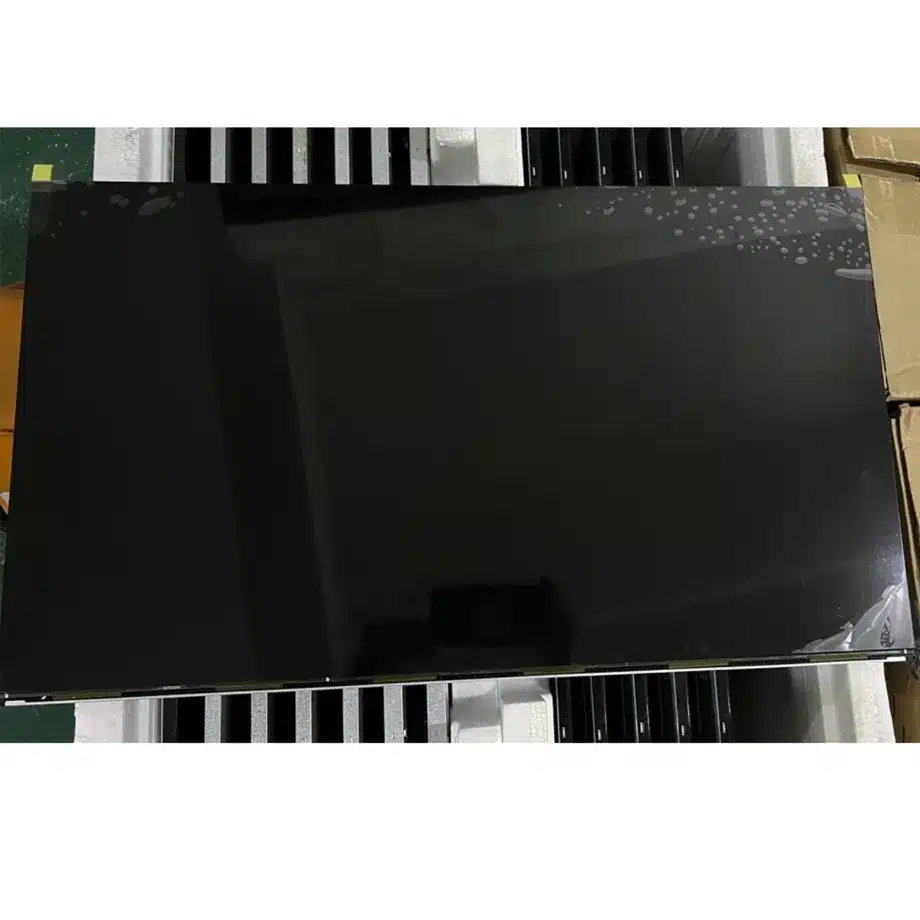
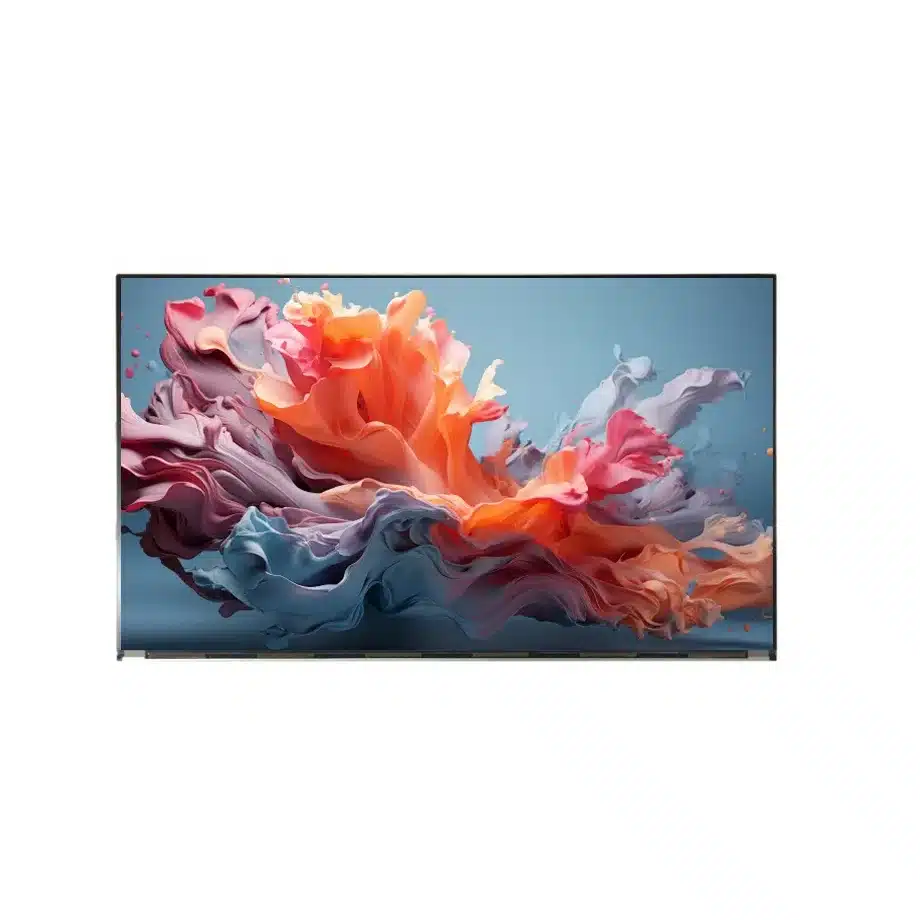
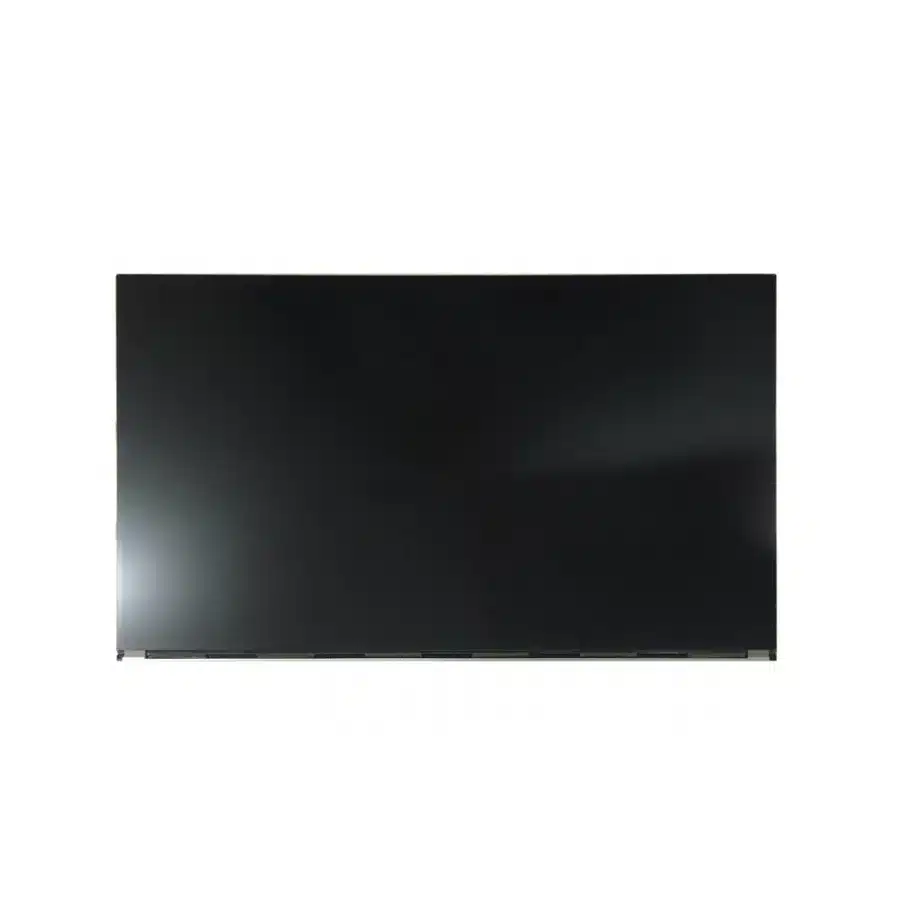
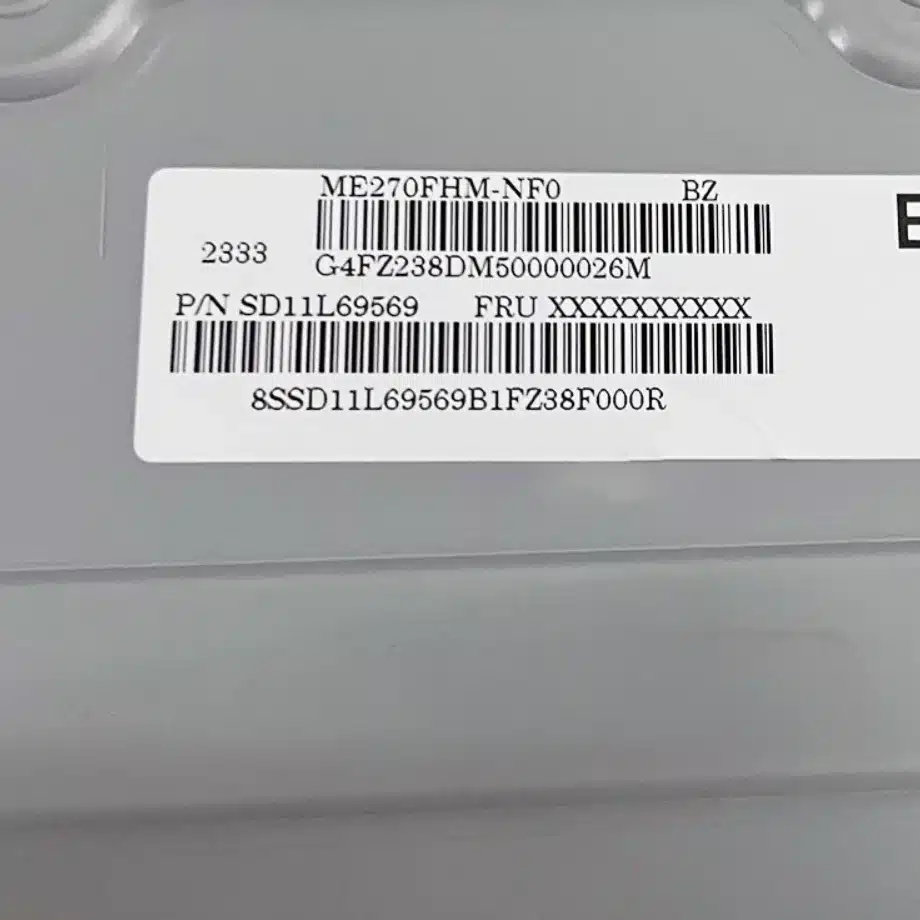
ME270FHM-NF2 520Hz 400nit sRGB Oxide FHD Gaming BOE

Model P/N
Size
Resolution
Brightness
Viewing Angle
Connector Type
Operating Temp
Overall(mm)
boe
ME270FHM-NF2
Brand
Panel Size (inch)
Model P/N
Resolution
Brightness (nits)
Viewing Angle
Contrast Ratio
Response Time
Overall (mm)
Active Area (mm)
Refresh Rate
Display Colors
Panel Type
Connector Type
Surface Treatment
Operating Temp
Touchscreen Type
Storage Temp
Work Mode
Pixel Format
Input Voltage (V)
Vibration Resistance
Weight (g)
Designed For
Product Details
ME270FHM-NF2 520Hz 400nit sRGB Oxide FHD Gaming is the controlled component identity for engineering, sourcing and replacement review of this 27-inch 520 Hz gaming monitor configuration.
ME270FHM-NF2 is a 27-inch BOE Oxide TFT-LCD, LCM with 1920(RGB)×1080, FHD, 16:9, 520 Hz refresh and eDP (8 Lanes), HBR2 (5.4G/lane), 51 pins 0.5 mm connector. The current-run parameters establish the exact electrical, optical and mechanical baseline. System behavior still has to be demonstrated in the target product.
Three buyer value propositions
520 Hz FHD target for extreme-refresh monitor engineering
The exact model is specified at 520 Hz with a 1920×1080 native canvas. This gives controller and motion teams a defined high-refresh target without implying that every source device or cable can sustain the required transport.
Eight-lane HBR2 interface for a high-bandwidth panel path
The 51-pin interface carries eight HBR2 lanes. Signal integrity, link training, PCB routing and controller capability should be qualified together at the production 520 Hz timing.
400-nit 100% sRGB optical baseline
The module combines 400 cd/m² typical luminance with 100% sRGB wording. These are useful monitor-level component targets while final calibration accuracy, white point and gamut tracking remain system-level acceptance items.
ME270FHM-NF2 520Hz 400nit sRGB Oxide FHD Gaming should be qualified as one exact configuration rather than approved from family-level assumptions.
Key Specifications at a Glance
| Brand | BOE |
|---|---|
| Model P/N | ME270FHM-NF2 |
| Size | 27 inch |
| Resolution | 1920(RGB)×1080, FHD, 16:9 |
| Active Area | 596.736×335.664 mm (H×V) |
| Overall | 608.8×355.1×15.4 mm |
| Brightness | 400 cd/m² (Typ.) |
| Viewing Angle | 89/89/89/89 (Typ.)(CR≥10) |
| Display Colors | 16.7M, 100% sRGB |
| Weight | 3.32 kg (Typ.) |
| Refresh Rate | 520 Hz |
| Connector / Native Interface | eDP (8 Lanes), HBR2 (5.4G/lane), 51 pins 0.5 mm connector |
| Input Voltage | 10.0 V (Typ.) |
| Operating Temperature | 0 ~ 50 °C |
| Storage Temperature | -20 ~ 60 °C |
| Vibration | 1.5G (14.7 m/s²) |
| Panel Type | Oxide TFT-LCD, LCM |
| Pixel Format | RGB Vertical Stripe |
| Surface Treatment | Antiglare (Haze 25%), Hard coating (3H) |
| Contrast Ratio | 1000:1 (Typ.) |
| Response Time | 5.0 ms (Typ.)(G to G) |
| Work Mode | ADS, Normally Black, Transmissive |
| Backlight / Emission | 30,000 hours (WLED, no integrated driver) |
| Designed For | Desktop monitor and gaming monitor integration; 520 Hz high-refresh platforms |
| Touchscreen Type | Without touch screen |
High-refresh controller qualification
Bring up the panel at native FHD first, then validate the complete 520 Hz mode with the shipping scaler or controller. Record timing, lane configuration and firmware so a later board revision can be regression-tested against the approved baseline.
Eight-lane PCB routing
An eight-lane HBR2 panel interface needs disciplined differential routing, grounding and connector implementation. Use the production PCB and cable during validation; a lab adapter can hide losses or layout interactions that appear in the final monitor.
Motion acceptance
The 5.0 ms G-to-G response value and 520 Hz refresh target describe different aspects of motion. Evaluate scrolling text, high-contrast edges, dark transitions and representative game content rather than treating refresh rate alone as a complete motion-quality claim.
Backlight-drive design
The WLED system is supplied without an integrated driver. The monitor electronics therefore own LED drive, dimming and protection behavior. Preserve the approved driver design and brightness curve with the panel BOM.
sRGB verification
Use 100% sRGB wording as a component target, not as proof of factory calibration. Measure the assembled monitor for white point, gamma, gamut and uniformity through the final optical stack if the product specification requires controlled color performance.
Thermal stress
High refresh can increase controller and interface activity, while 400 cd/m² operation loads the backlight system. Instrument the final chassis under sustained high-frame-rate content and confirm local temperatures remain within the panel operating boundary.
Power and recovery
Exercise repeated source changes, cold boot, warm restart and sleep/wake behavior where the monitor architecture supports those states. High-bandwidth links often reveal intermittent training faults only during transitions.
Gaming application boundary
The current-run evidence supports desktop monitor and gaming integration. It does not establish universal GPU compatibility, esports certification or a guaranteed end-to-end 520 fps experience; those depend on the complete source-to-panel chain.
Replacement comparison
Any substitute should be compared on eight-lane interface architecture, 51-pin connector, native timing, optical class, outline and backlight-driver requirement. Another 27-inch FHD gaming panel is not a direct equivalent solely because the resolution matches.
Production control
Retain the exact drawing, controller firmware, link settings, backlight-driver implementation and motion test result. Incoming lots should be sampled at maximum approved refresh so configuration drift is detected before system assembly.
520 Hz timing architecture
A 520 Hz panel requires the monitor controller to sustain a timing regime far beyond conventional desktop refresh rates. Validate the exact pixel clock, blanking behavior and link configuration used by the approved firmware. Source-side testing should include the real GPU classes targeted by the product, but the panel record itself should remain source-agnostic. If a controller firmware update changes timing parameters or link training, rerun the maximum-refresh acceptance tests rather than assuming the same on-screen refresh selector proves electrical equivalence.
Eight-lane HBR2 board design
The eight-lane HBR2 path increases routing density around the 51-pin panel connector. Differential pairs should be length-controlled and kept away from noisy switching nodes where practical. Validate the production board, not only an evaluation platform, and include connector mating cycles in reliability work. If the monitor uses a cable between controller and panel, document that cable as a controlled part because conductor geometry and shielding can change the margin of a link that appears nominally identical on a BOM.
Extreme-refresh motion methodology
At 520 Hz, frame cadence is only one element of perceived motion. Use moving-edge patterns, scrolling text and game-like contrast transitions to assess the interaction between the 5 ms G-to-G panel response and any system-level overdrive. Check several lower refresh modes as well because overdrive tuned for the maximum rate can behave differently when frame intervals lengthen. Record visible artifacts and the firmware setting used for sign-off instead of reducing motion quality to a single headline refresh number.
Oxide TFT integration context
The exact panel is an Oxide TFT-LCD LCM. That transistor technology is part of the component identity, but it should not be converted into unsupported claims about power savings or lifetime. Engineering value comes from qualifying the exact electrical and optical behavior documented for this model. Procurement should also avoid substituting an a-Si or another oxide panel solely because the resolution and size match; the controller, response behavior and mechanical package can still differ materially.
400-nit sRGB monitor target
The combination of 400 cd/m² typical luminance and 100% sRGB wording supports a clear mainstream gaming-monitor optical target. Define the factory mode used for acceptance and measure luminance, white point, gamma and gamut on complete units if those attributes are in the finished product specification. The component data does not establish a specific Delta-E limit. Keep optical requirements separate from the high-refresh narrative so buyers understand what is actually supported.
High-refresh production screening
A practical production screen should include a short maximum-refresh functional test on sampled incoming units or assembled monitors. Observe image stability, link training and obvious motion artifacts after the unit has warmed. If a lot change coincides with altered behavior, quarantine the difference for engineering review before compensating with firmware. Preserve golden-sample video timing and controller settings so manufacturing has a stable comparison point rather than relying on a subjective impression that the display 'looks fast.'
Maximum-refresh production gate
The production-intent monitor should be validated at the real 520 Hz mode with the same BOE panel, controller board, cable path and firmware that will ship. Begin with repeated link training from cold and warm states, then run sustained motion content long enough to heat the controller and backlight system. Inspect for image corruption, intermittent blanking or mode fallback that a short bench test could miss. Measure representative 400-nit operation and verify the 100% sRGB target only to the level required by the finished-monitor specification. If the mainboard layout, cable construction or firmware timing changes, repeat the maximum-refresh test before release. Manufacturing can then use a reduced sample screen derived from this qualification. The key control is traceability: the 520 Hz approval should point to a known panel lot, board revision, firmware build and cable, not merely to a refresh-rate setting visible in the operating system. Include source switching between the intended input types and verify that the monitor returns to the approved 520 Hz timing without requiring a power cycle. Store the EDID and controller configuration with the release so field diagnostics can distinguish a panel issue from a host negotiation issue.
ME270FHM-NF2 520Hz 400nit sRGB Oxide FHD Gaming belongs in the released sourcing dossier together with the exact drawing, production interface hardware and test evidence used to approve the target system.
Engineering and sourcing review
Before release, provide the target host or controller, mechanical drawing, production cable, power design and acceptance criteria. Qualification should verify native timing, interface behavior, optical performance and mechanical fit for the exact ME270FHM-NF2 configuration.
ME270FHM-NF2 520Hz 400nit sRGB Oxide FHD Gaming should remain the reference term for this approved component package so future lots and substitutes can be evaluated against the same evidence.
Recommended: Same Size
(27")
Applications & Value of LCD Panel

- Fast sourcing with in-stock panels & cross-reference alternatives
- Stable supply chain with long-term availability
- Engineering-level support from panel to integration
- Custom solutions: cable, touch & optical bonding
- Strict quality control with IQC / OQC / aging test
- Full traceability system for quality assurance
- Complete technical documentation & drawings
- Compliance support: RoHS & certification files
