
~
~
~
~
~
~
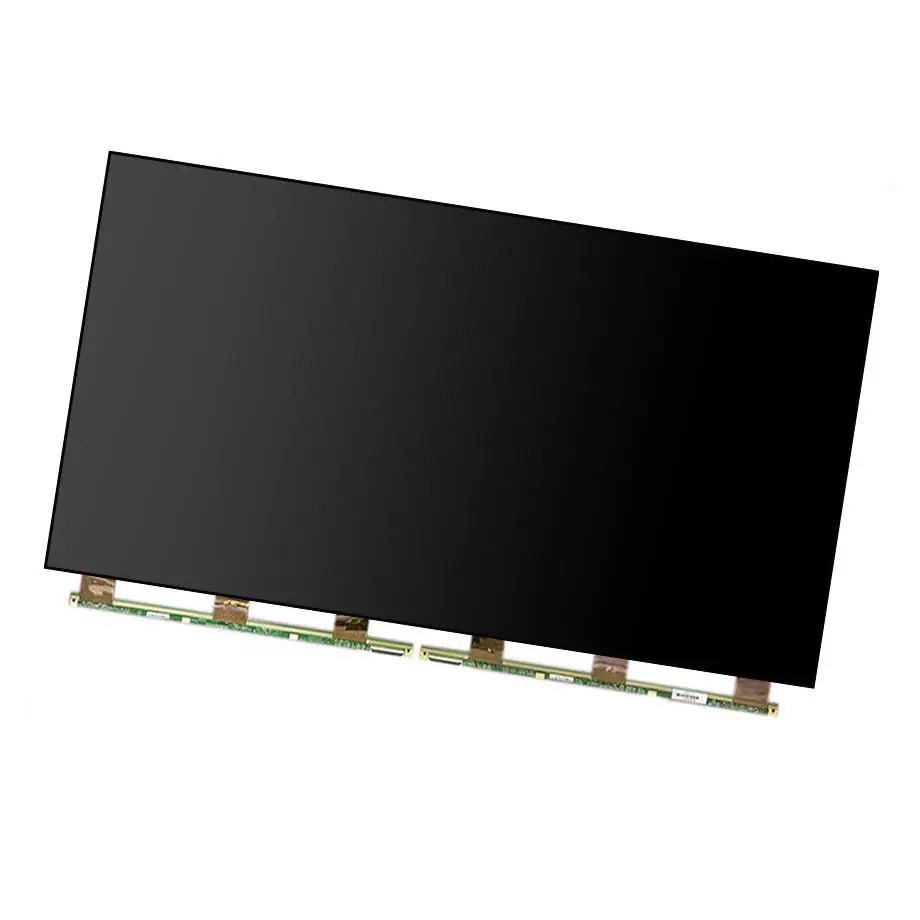
MF185WHB-N10 75Hz VA Open Cell 18.5 Inch BOE
Model P/N
Size
Resolution
Brightness
Viewing Angle
Connector Type
Operating Temp
Overall(mm)
boe
MF185WHB-N10
Brand
Panel Size (inch)
Model P/N
Resolution
Viewing Angle
Contrast Ratio
Response Time
Overall (mm)
Active Area (mm)
Refresh Rate
Display Colors
Panel Type
Connector Type
Surface Treatment
Operating Temp
Touchscreen Type
Storage Temp
Work Mode
Pixel Format
Input Voltage (V)
Designed For
Product Details
Product Overview
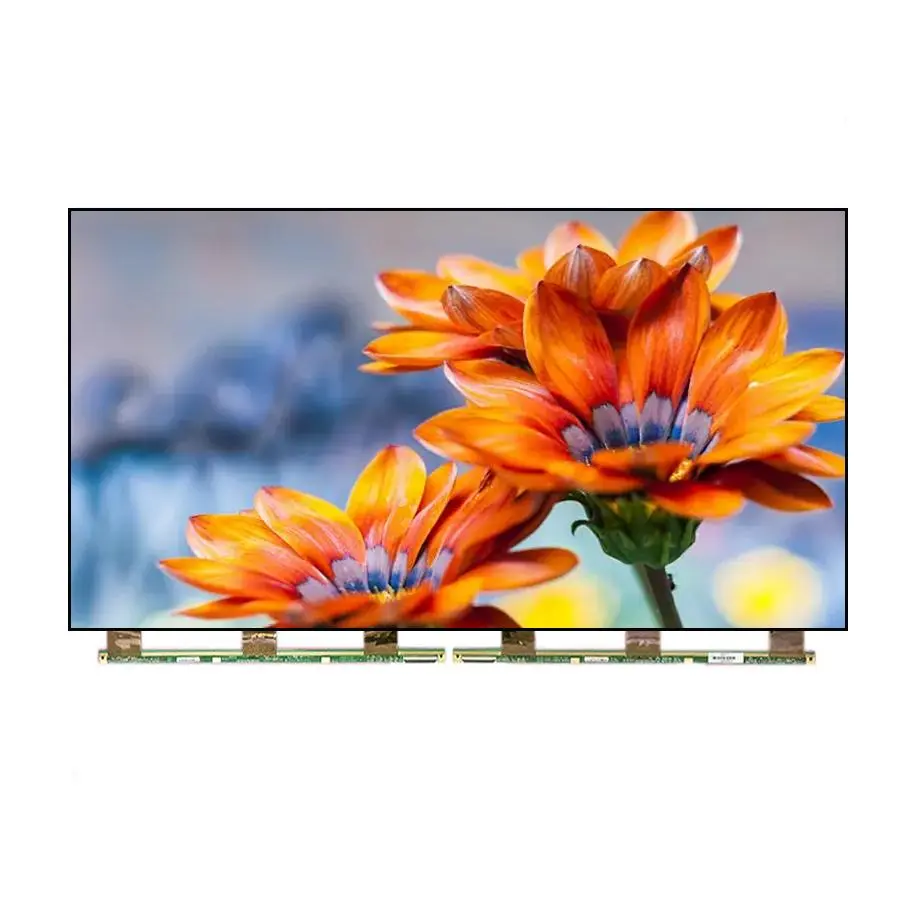
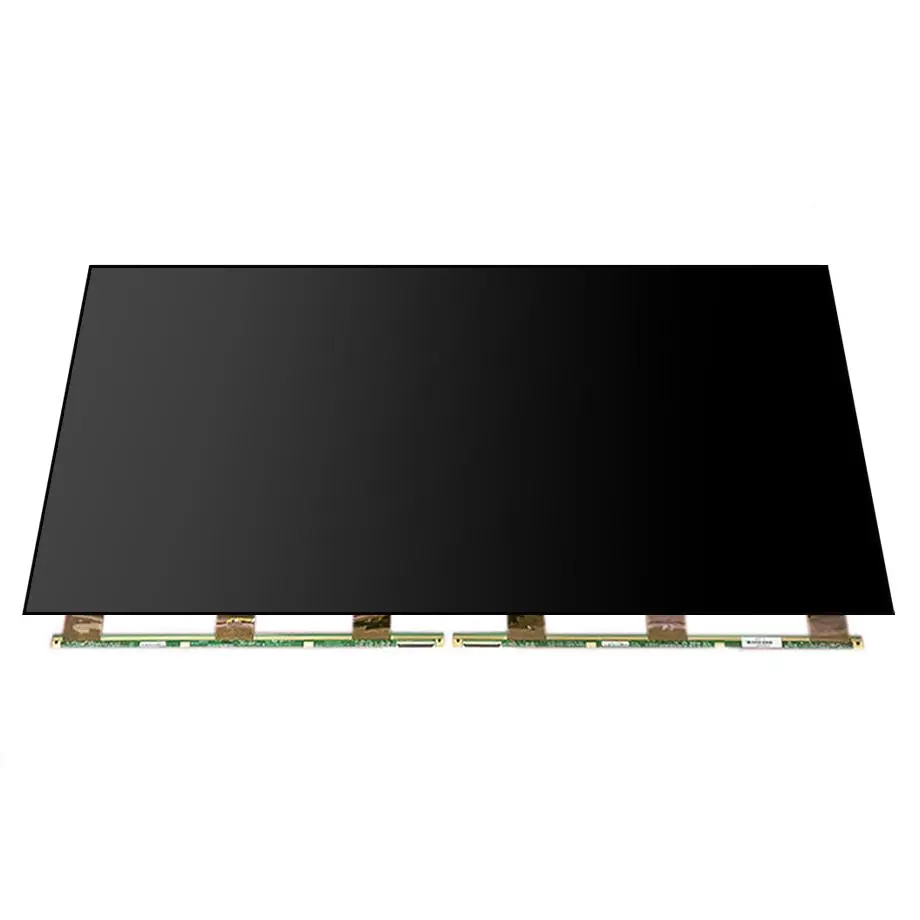
The MF185WHB-N10 75Hz VA Open Cell is an 18.5-inch BOE a-Si TFT-LCD cell for desktop-monitor integration. It provides a native 1366(RGB)×768 WXGA image in a 16:9 format, a 409.8 × 230.4 mm active area and a 422.2 × 244.1 × 1.34 mm cell outline. The supplied product is a CELL without backlight and without touch, so the final monitor must provide its own illumination, mechanical support, controller path and front protection where required.
Electrically, the cell uses a one-channel, 8-bit LVDS interface on a 30-pin connector with a 5.0 V typical panel supply. The confirmed refresh rate is 75 Hz. The optical-cell facts include VA normally-black transmissive operation, a 3000:1 typical contrast ratio, 16.7 million colors with 97% sRGB coverage, symmetric 89/89/89/89 typical viewing-angle values at CR≥10, and 4.8% typical transmittance with polarizer. These are panel-level characteristics; finished luminance depends on the backlight system because the cell itself is listed at 0 cd/m².
Three Core Buyer Value Propositions
75 Hz timing provides a defined monitor-integration target
A 75 Hz native refresh rate gives the controller team a concrete frame-rate requirement for this WXGA cell rather than leaving timing as an unspecified monitor setting. That matters in replacement programs because another 18.5-inch 1366×768 panel may be designed around different timing. The controller, cable and firmware should be qualified at the intended 75 Hz mode; a controller that can accept a 75 Hz host input is not automatically compatible unless its panel-side LVDS output matches the required timing and mapping.
VA contrast and 97% sRGB create a differentiated optical baseline
The 3000:1 typical contrast ratio, VA normally-black mode and 97% sRGB color-coverage figure distinguish the cell from basic size-and-resolution-only replacement criteria. Together with symmetric wide-view values and a matte antiglare surface, these facts give engineering teams a useful starting point for monitor image-quality evaluation. They do not establish factory calibration, a Delta E target, HDR performance or sunlight readability, so the finished monitor should be measured in its actual backlight and front-stack configuration.
Open-cell construction supports precise replacement screening
The 409.8 × 230.4 mm active area, 422.2 × 244.1 × 1.34 mm outline and 298 ± 30 g cell weight can be compared with the target assembly before a sample is ordered. Because the product has no backlight, the mechanical review must also include how the existing light guide, optical films, frame, clips, tapes and cable route interact with the glass cell. Matching only the 18.5-inch diagonal and WXGA resolution is not enough to establish a safe drop-in replacement.
Key Specifications at a Glance
| Parameter | Specification |
|---|---|
| Manufacturer / model | BOE MF185WHB-N10 |
| Product type | a-Si TFT-LCD CELL (FOB), without backlight |
| Display size | 18.5 inch |
| Resolution | 1366(RGB)×768, WXGA, 16:9 |
| Active area / outline | 409.8 × 230.4 mm / 422.2 × 244.1 × 1.34 mm |
| Weight | 298 ± 30 g |
| Display mode | VA, normally black, transmissive |
| Contrast / transmittance | 3000:1 typical / 4.8% typical with polarizer |
| Color / viewing | 16.7M colors, 97% sRGB; 89/89/89/89 typical at CR≥10, symmetric view |
| Response time / refresh | 14 ms typical G-to-G / 75 Hz |
| Native interface | LVDS, 1 channel, 8-bit, 30-pin connector |
| Panel supply | 5.0 V typical |
| Surface | Antiglare, 25% haze, 3H hard coating |
| Touch | Without touch |
| Temperature | Operating 0 to 50 °C; storage -20 to 60 °C |
What Does the CELL Construction Mean for a Monitor Project?
The absence of an integrated backlight is the most important system boundary. The MF185WHB-N10 75Hz VA Open Cell supplies the TFT-LCD cell and its panel electronics, but the completed monitor needs an illumination architecture around it. The listed 0 cd/m² brightness value should therefore be read as a consequence of the CELL configuration, not as a finished-display luminance target. The 4.8% typical transmittance figure with polarizer describes an optical property of the cell; it cannot be converted directly into a nit value without the backlight and optical-stack design.
A replacement engineer should identify whether the original equipment uses a compatible backlight frame, light guide, diffusion/prism films and reflector before treating the cell as interchangeable. If the old part is a full LCM, the mechanical problem is different because a complete module already contains its own light source and frame. When a custom backlight is being developed, validate uniformity, leakage, edge pressure, polarizer protection and cell temperature together with the intended brightness setting. Texas Instruments' backlight-driver overview identifies current regulation, voltage capability and dimming as practical driver-selection considerations; the actual MF185WHB-N10 backlight values remain project-specific because the CELL does not define them.
Driver IC information does not replace the external display controller
The product parameters identify COF-built-in two source chips. That describes source-driver integration on the cell and should not be presented as a complete monitor control solution. The host still needs a controller/scaler that generates the correct pixel timing and LVDS signals. Keep the panel’s built-in source-driver information separate from the input connectors and processing functions of a finished monitor controller board.
How Should the 30-Pin One-Channel LVDS Interface Be Verified?
MF185WHB-N10 uses one-channel, 8-bit LVDS through a 30-pin connector. LVDS is a differential signaling method whose performance depends on correct pair mapping, impedance, termination, skew and timing. Analog Devices discusses these implementation factors in its LVDS circuit implementation guide. The guide is general engineering context; it does not prove compatibility with this model or define the BOE pin assignment.
Do not approve a cable from pin count alone
A 30-pin cable can physically fit and still be electrically wrong. Before power is applied, compare the contact side, keying, panel-supply pins, grounds, LVDS pairs and any control contacts with the current model documentation. The 5.0 V typical value is the cell’s panel supply. A scaler board may use another input voltage, but its power input should not be substituted for the panel-side requirement.
For sample qualification, run native 1366×768 content at 75 Hz and check repeated power cycles, extended operation and cable movement. Verify that the controller does not silently fall back to another timing mode. If the existing monitor electronics were originally qualified with a different 18.5-inch cell, retain the original cable and controller records for side-by-side comparison rather than relying on “LVDS 30-pin” as the only compatibility criterion.
How Should the 3000:1 Contrast and 97% sRGB Figures Be Used?
The 3000:1 typical contrast ratio is a panel-level transmissive value for the VA normally-black cell. The 97% sRGB figure provides a color-coverage reference, while 16.7M describes the supported display-color count. In a finished monitor, the backlight spectrum, brightness setting, graphics pipeline, calibration, viewing environment and front stack can change the measured result. These figures are therefore selection inputs rather than proof of a calibrated sRGB monitor.
The 89/89/89/89 typical viewing-angle values are listed at CR≥10 with a symmetric viewing designation. That is useful for a desktop layout where the user may move off center, but the order should not be embellished into directional labels beyond what the approved data provides. The antiglare surface uses 25% haze with a 3H hard coating. Added protective glass or film should be tested because it can change reflection, perceived sharpness and black-level appearance.
75 Hz refresh and 14 ms response describe different behavior
The frame rate and pixel-transition time are separate specifications. A 75 Hz input updates the image more frequently than a 60 Hz mode, while the 14 ms typical G-to-G figure describes liquid-crystal response behavior. Neither value should be converted into the other. Motion quality should be judged with the actual controller configuration, overdrive behavior if any, and representative content in the finished monitor.
Replacement and Procurement Decisions
The MF185WHB-N10 75Hz VA Open Cell is best screened against the complete existing assembly rather than against a generic 18.5-inch product list. Check active-area alignment, outline dimensions, glass thickness, polarizer condition, LVDS connector location, cable route, power rail and the backlight mechanical interface. The specified operating range is 0 to 50 °C, with storage from -20 to 60 °C; these are cell limits and not a harsh-environment qualification.
A supporting sourcing description marks the model as in production, but lifecycle status should be reconfirmed with BOE or an authorized supply channel before a volume commitment. A marketplace or aggregator stock number should not be treated as HS-LCD inventory or as a long-term availability guarantee. For a controlled replacement program, request the current specification revision, source traceability and any applicable change or end-of-life information.
After a sample passes, record the exact model/revision, qualified 30-pin cable, controller timing, 5.0 V panel rail, backlight assembly and enclosure configuration. That approval record is more useful than a general statement that two panels share the same size, resolution and connector count, because it captures the system conditions that produced the accepted optical and electrical result.
Engineering Answers in Brief
MF185WHB-N10 is an 18.5-inch BOE WXGA CELL with no integrated backlight and no touch function.
The native panel connection is one-channel, 8-bit LVDS on a 30-pin connector with a 5.0 V typical supply.
The cell is specified for 75 Hz refresh, 3000:1 typical contrast and 97% sRGB coverage.
Finished monitor brightness cannot be inferred from the 0 cd/m² cell entry because illumination is supplied by the separate backlight system.
Procurement Checklist
- Specify BOE MF185WHB-N10 and confirm the exact offered revision.
- Request the current LVDS pin assignment, native timing table and mechanical drawing.
- Verify 1366×768 operation at 75 Hz with the one-channel 8-bit LVDS output.
- Confirm the 30-pin mating arrangement and the 5.0 V panel-side power requirement.
- Compare the 409.8 × 230.4 mm active area and 422.2 × 244.1 × 1.34 mm cell outline with the target assembly.
- Qualify the separate backlight for brightness, uniformity, thermal behavior and optical-film compatibility.
- Evaluate the 3000:1 contrast, 97% sRGB coverage and antiglare surface through the completed front stack.
- Reconfirm production status, source traceability and any applicable PCN/EOL information before volume ordering.
The MF185WHB-N10 75Hz VA Open Cell provides a specific BOE optical-cell platform for monitor integration where 75 Hz timing, VA contrast, 97% sRGB coverage and a one-channel LVDS link are relevant. Final suitability depends on the backlight, controller, cable, mechanical stack and sourcing controls being qualified with the exact cell revision.
Recommended: Same Size
(18.5")
Applications & Value of LCD Panel

- Fast sourcing with in-stock panels & cross-reference alternatives
- Stable supply chain with long-term availability
- Engineering-level support from panel to integration
- Custom solutions: cable, touch & optical bonding
- Strict quality control with IQC / OQC / aging test
- Full traceability system for quality assurance
- Complete technical documentation & drawings
- Compliance support: RoHS & certification files
