
~
~
~
~
~
~
MV315QHB-N41 10-Bit QHD ADS Cell 4-Channel LVDS BOE
Model P/N
Size
Resolution
Brightness
Viewing Angle
Connector Type
Operating Temp
Overall(mm)
boe
MV315QHB-N41
Brand
Panel Size (inch)
Model P/N
Resolution
Viewing Angle
Contrast Ratio
Response Time
Overall (mm)
Active Area (mm)
Refresh Rate
Display Colors
Panel Type
Connector Type
Surface Treatment
Operating Temp
Touchscreen Type
Storage Temp
Work Mode
Pixel Format
Input Voltage (V)
Designed For
Product Details
Product Overview
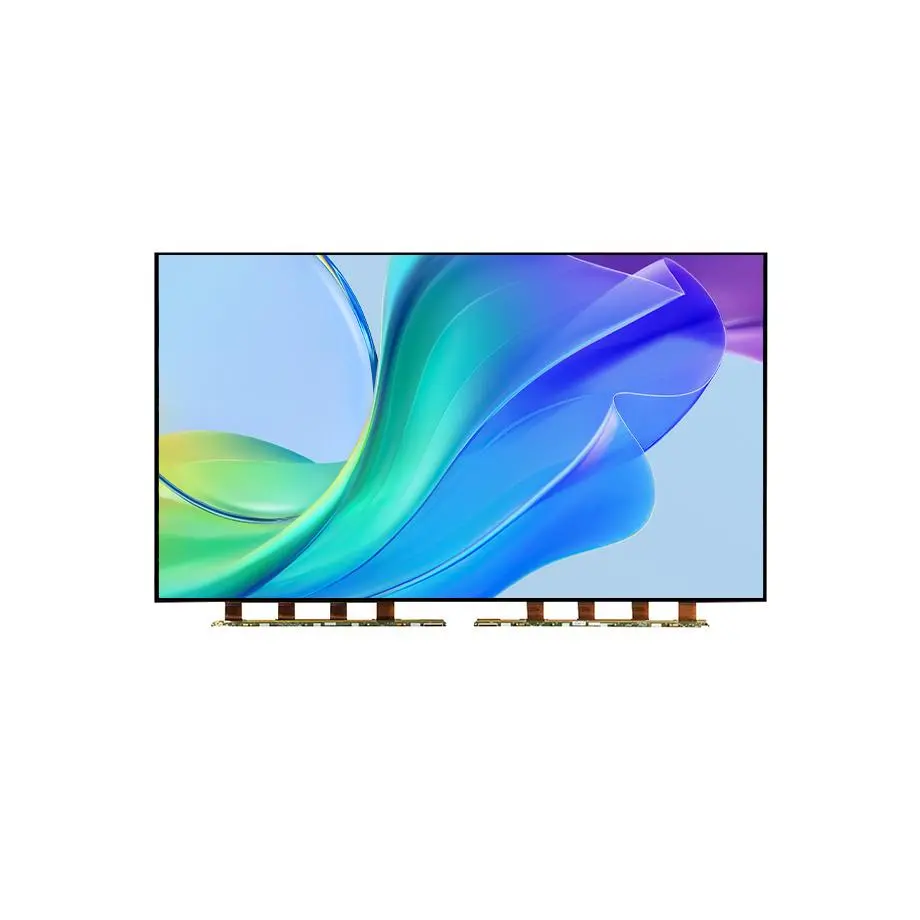
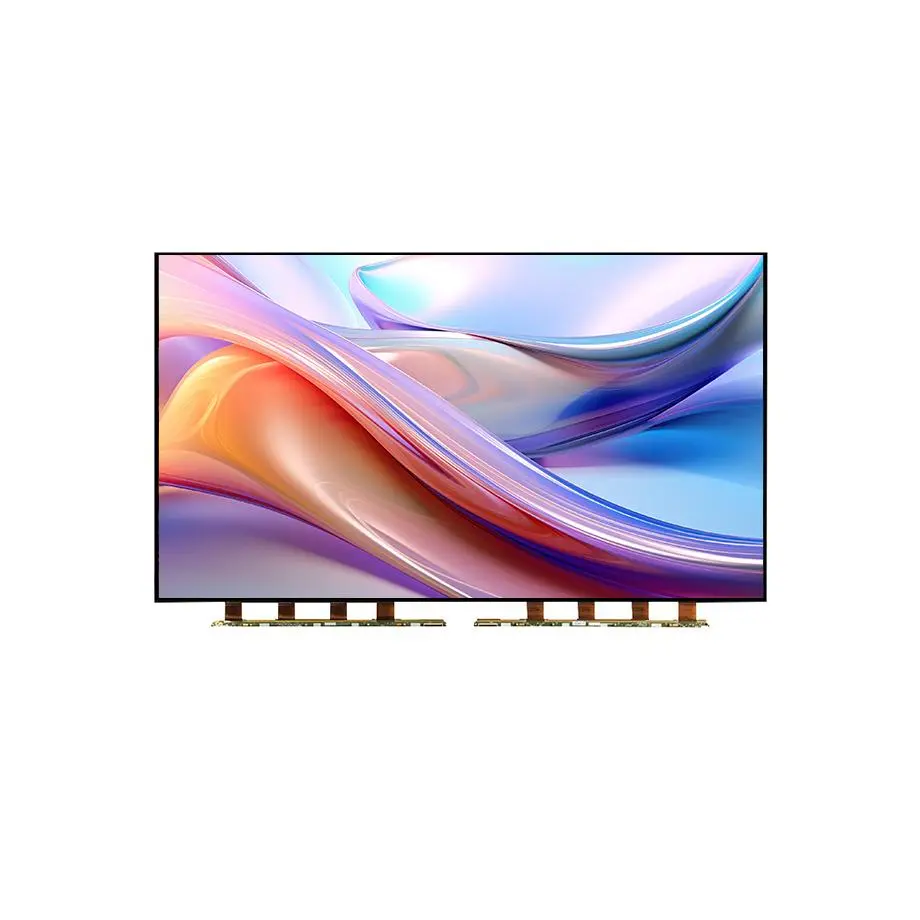
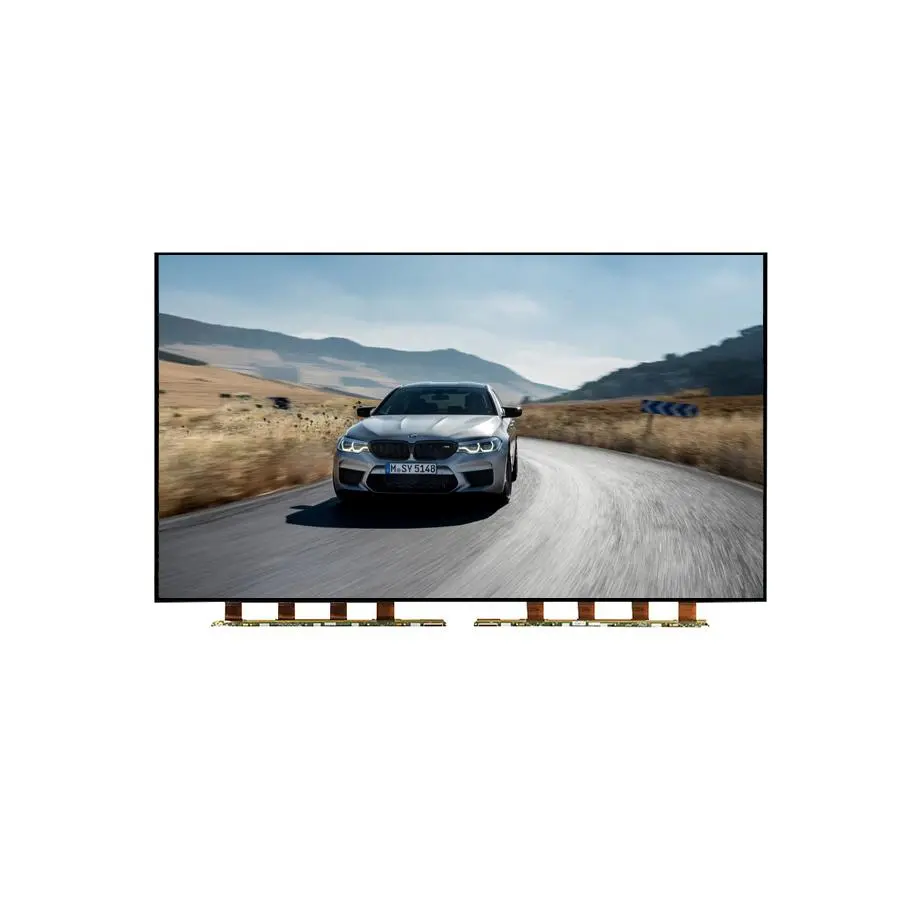
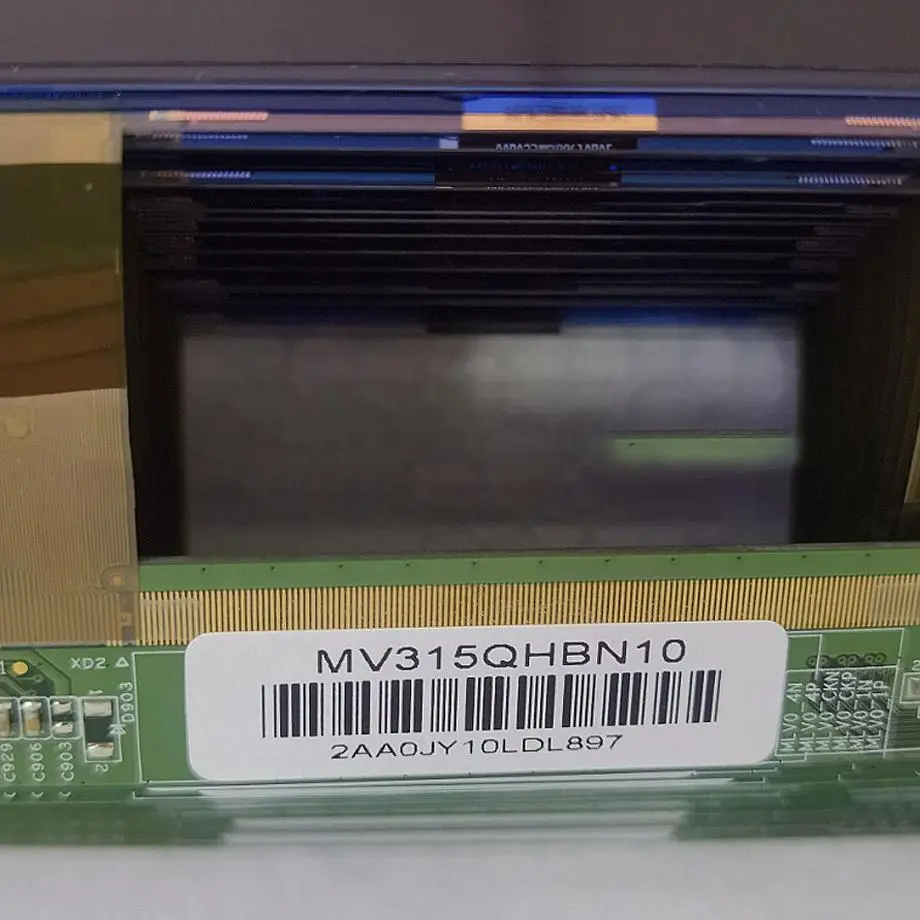
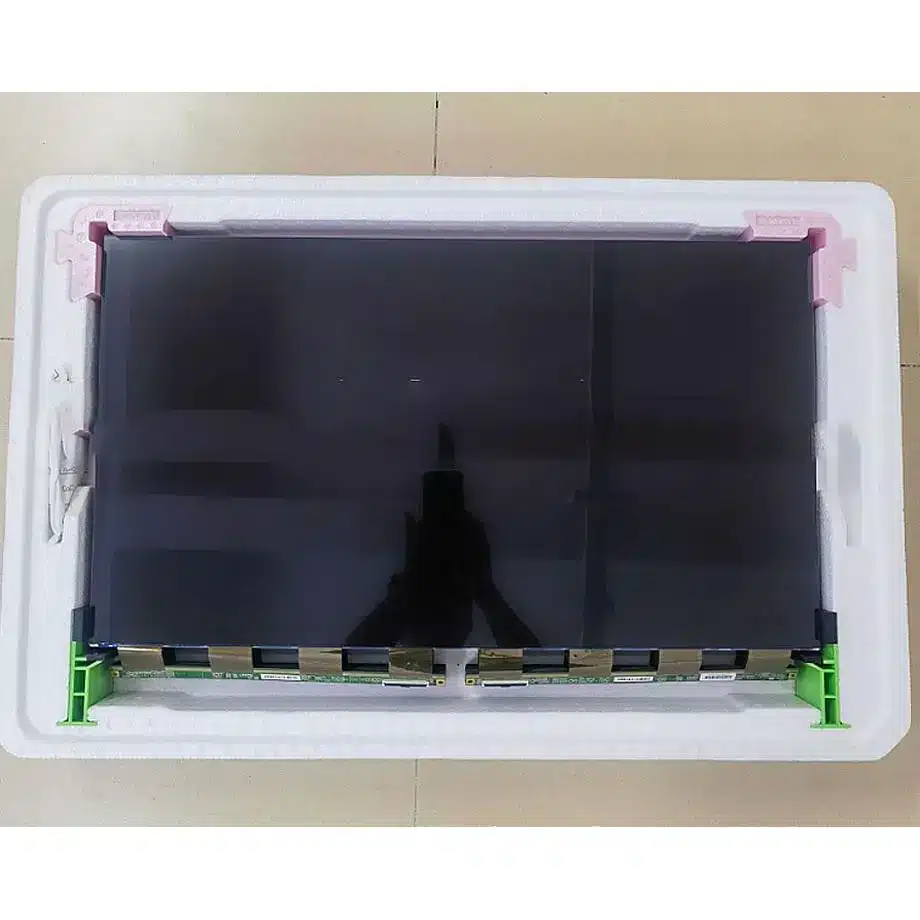
The MV315QHB-N41 10-Bit QHD ADS Cell is a 32.0-inch BOE a-Si TFT-LCD CELL for desktop-monitor integration. It provides a native 2560(RGB)×1440 Quad-HD image in a 16:9 format, 100 Hz refresh, ADS normally-black transmissive operation, 1.07 billion colors and 100% sRGB coverage. The supplied product has no backlight and no touch screen, so a finished monitor must add the illumination system, mechanical support, controller electronics and any front protection required by the target design.
The native panel interface is LVDS with four channels and 10-bit data through a 92-pin connector, with a 10.0 V typical panel supply. The active image area is 698.112 × 392.688 mm. Physical outline, mass and plate thickness are not supplied in the current product parameters, so those fields remain unclaimed and must be resolved from the current model drawing rather than inferred from another 32-inch cell.
Three Core Buyer Value Propositions
QHD at 100 Hz defines a concrete controller and timing target
The combination of 2560×1440 resolution and 100 Hz refresh gives an OEM a specific panel timing objective for a 32-inch monitor platform. Current finished-monitor search language also commonly combines “32-inch,” “QHD” and “100Hz,” which makes those terms useful for buyer discovery without turning finished-monitor features into panel specifications. For integration, the important point is that the panel controller must generate the exact BOE timing through the four-channel LVDS path; a host that merely offers a 100 Hz desktop mode is not sufficient proof.
1.07B colors and 100% sRGB support a defined color pipeline
The cell is specified for 1.07 billion colors and 100% sRGB with ADS wide-view operation and 89/89/89/89 typical viewing-angle values at CR≥10. Those facts give display engineers a useful panel-level baseline when the finished monitor is intended for broad standard-gamut desktop work. They do not establish factory calibration, a Delta E target, DCI-P3 coverage percentage or a finished-system color certification. The current row graphic includes a DCI-P3 feature icon, but no DCI-P3 percentage is provided, so no percentage claim is made here.
Open-cell architecture enables controlled optical customization
Because the product is a CELL without backlight, the OEM can qualify the illumination and mechanical stack around a known TFT-LCD optical core. The 5.1% typical transmittance with polarizer, 1000:1 typical contrast ratio, antiglare 25% haze surface and 3H hard coating provide cell-level inputs for that work. The advantage comes with responsibility: finished luminance, uniformity, thermal behavior and serviceability depend on the separate backlight, optical films, frame and driver rather than on the cell alone.
Key Specifications at a Glance
| Parameter | Specification |
|---|---|
| Manufacturer / model | BOE MV315QHB-N41 |
| Product type | a-Si TFT-LCD CELL (FOB), without backlight |
| Display size | 32.0 inch |
| Resolution | 2560(RGB)×1440 Quad-HD, 16:9 |
| Active area | 698.112 × 392.688 mm |
| Physical size / mass | Not supplied in the current parameters |
| Display mode | ADS, normally black, transmissive |
| Contrast / transmittance | 1000:1 typical / 5.1% typical with polarizer |
| Color / viewing | 1.07B colors, 100% sRGB; 89/89/89/89 typical at CR≥10, symmetric view |
| Response / refresh | 14 ms typical G-to-G / 100 Hz |
| Native interface | LVDS, 4 channels, 10-bit, 92-pin connector |
| Panel supply | 10.0 V typical |
| Surface | Antiglare, 25% haze, 3H hard coating |
| Touch | Without touch |
| Temperature | Operating 0 to 50 °C; storage -20 to 60 °C |
What Must the 4-Channel 10-Bit LVDS Controller Provide?
The MV315QHB-N41 10-Bit QHD ADS Cell uses a four-channel, 10-bit LVDS panel link rather than a generic external monitor input. LVDS is a differential point-to-point signaling method; Analog Devices describes termination, routing, jitter and skew among the practical implementation considerations in its LVDS and M-LVDS circuit implementation guide. Those interface principles explain why cable construction and signal integrity matter, but the model-specific BOE timing and 92-pin assignment remain the controlling documents for this product.
Keep host inputs separate from the native panel interface
A scaler can accept HDMI, DisplayPort or USB-C and still be unsuitable if its panel-side output cannot produce four-channel, 10-bit LVDS at the required QHD timing. The 92-pin connector must be checked for mating geometry, contact orientation, power pins, grounds, differential-pair mapping and control signals. The 10.0 V typical value is the cell-side supply fact; it should not be replaced by the input-voltage requirement of the scaler or the separate backlight driver.
Qualification should run native 2560×1440 content at the intended 100 Hz rate and include repeated cold starts, warm operation, long-duration image tests and cable movement. Look for link instability, blanking, pixel errors or unintended fallback to another timing mode. If a custom bridge board or FPGA is part of the design, qualify the panel together with that exact hardware and firmware rather than approving the cell from an image-on bench test alone.
How Should 10-Bit Color and 100% sRGB Be Interpreted?
The data path and supported-color facts need to be kept distinct. The native interface is specified as 10-bit, and the support-color field lists 1.07B colors with 100% sRGB. The International Color Consortium identifies sRGB as the IEC 61966-2-1 color encoding and publishes its reference characteristics in the ICC sRGB registry. For this BOE cell, the 100% sRGB figure is a panel-level coverage fact, while calibration accuracy, white point and tone response depend on the completed monitor and its calibration process.
The row graphic also shows a DCI-P3 icon, but no numerical DCI-P3 coverage is stated. That makes it inappropriate to invent a DCI-P3 percentage or describe the product as a certified wide-gamut reference display. A buyer that requires a particular DCI-P3 target should request the applicable BOE test data and define the measurement method in the qualification plan.
Response time and refresh rate answer different questions
The 14 ms typical G-to-G response figure describes liquid-crystal transition behavior; the 100 Hz rate describes image updates. They should not be converted into one another or used to infer a gaming overdrive mode. Evaluate motion using the actual controller settings and the target content, especially if the project expects a specific blur or latency behavior beyond the supplied panel parameters.
Why Does the Backlight Need Its Own Engineering Package?
The supplied cell has no integrated backlight, which is why luminance is listed as 0 cd/m². That value does not mean the cell lacks optical performance; it means emitted luminance is not defined until a separate illumination system is installed. The 5.1% typical transmittance value with polarizer is one optical input to that design, but it cannot be converted into a finished nit level without the source output, film stack, light-guide efficiency, geometry and measurement conditions.
For a new monitor, define the LED arrangement, light guide, diffuser and prism films, reflector, driver, brightness-control method and thermal constraints as one subsystem. A replacement project should first determine whether the existing backlight frame and optical films were designed around compatible glass dimensions and optical behavior. Do not assume that two 32-inch open cells can share the same illumination assembly merely because their active areas are close.
Cell mechanics require drawing-level confirmation
The current user parameters provide the 698.112 × 392.688 mm active area but do not supply physical size, mass or plate thickness. Those values remain N/A in the product record. Obtain the mechanical drawing before designing clips, tapes, edge supports, cable clearances or glass handling fixtures. Borrowing outline dimensions from another MV315QHB family member would create a false compatibility claim.
Replacement and Procurement Decisions
The MV315QHB-N41 10-Bit QHD ADS Cell should be qualified against the complete existing assembly. Compare native timing, four-channel LVDS mapping, 92-pin connector geometry, 10.0 V supply, backlight architecture and the active-area alignment. The confirmed operating range is 0 to 50 °C and the storage range is -20 to 60 °C; those are cell limits rather than a harsh-environment certification.
A current-row reference description marks the model as in production and notes mass production from Q1 2024. That is supporting sourcing evidence, not a long-term supply guarantee. Before volume approval, reconfirm current model/revision status, traceability, available quantity and any applicable PCN or EOL information with BOE or an authorized supply channel. Aggregator stock counts are not HS-LCD inventory and are not stored as such.
After a sample passes, retain the exact panel revision, 92-pin interconnect, controller/scaler hardware, firmware, 10.0 V panel-power implementation, backlight assembly and calibration/test conditions. This creates a reproducible qualification baseline for later deliveries and future replacement reviews.
Engineering Answers in Brief
MV315QHB-N41 is a 32-inch BOE QHD TFT-LCD CELL with 100 Hz refresh and no integrated backlight.
Its native display connection is four-channel, 10-bit LVDS on a 92-pin connector with a 10.0 V typical panel supply.
The cell supports 1.07B colors and 100% sRGB, while finished-monitor calibration remains a system-level responsibility.
Physical outline, mass and plate thickness are not supplied in the current product parameters and should be confirmed from the exact model drawing.
Procurement Checklist
- Specify BOE MV315QHB-N41 and confirm the exact offered revision.
- Request the current native timing, 92-pin LVDS assignment and exact mechanical drawing.
- Verify 2560×1440 operation at 100 Hz through the four-channel, 10-bit LVDS link.
- Keep the 10.0 V cell supply separate from controller-board and backlight-driver power requirements.
- Define and qualify the separate backlight, optical films, driver, brightness target and thermal behavior.
- Do not fill missing physical size, mass or plate thickness from another panel family member.
- Evaluate 1000:1 typical contrast, 100% sRGB, 1.07B color support and antiglare behavior in the completed monitor stack.
- Reconfirm lifecycle status, source traceability, available quantity and any PCN/EOL information before volume ordering.
The MV315QHB-N41 10-Bit QHD ADS Cell gives an OEM a defined 32-inch QHD optical core with 100 Hz timing, a high-data-width LVDS link and a documented sRGB target. Final suitability depends on controller timing, cable mapping, backlight design, drawing-level mechanics and supply controls being qualified together for the exact panel revision.
Recommended: Same Size
(32")
Applications & Value of LCD Panel

- Fast sourcing with in-stock panels & cross-reference alternatives
- Stable supply chain with long-term availability
- Engineering-level support from panel to integration
- Custom solutions: cable, touch & optical bonding
- Strict quality control with IQC / OQC / aging test
- Full traceability system for quality assurance
- Complete technical documentation & drawings
- Compliance support: RoHS & certification files
