
~
~
~
~
~
~
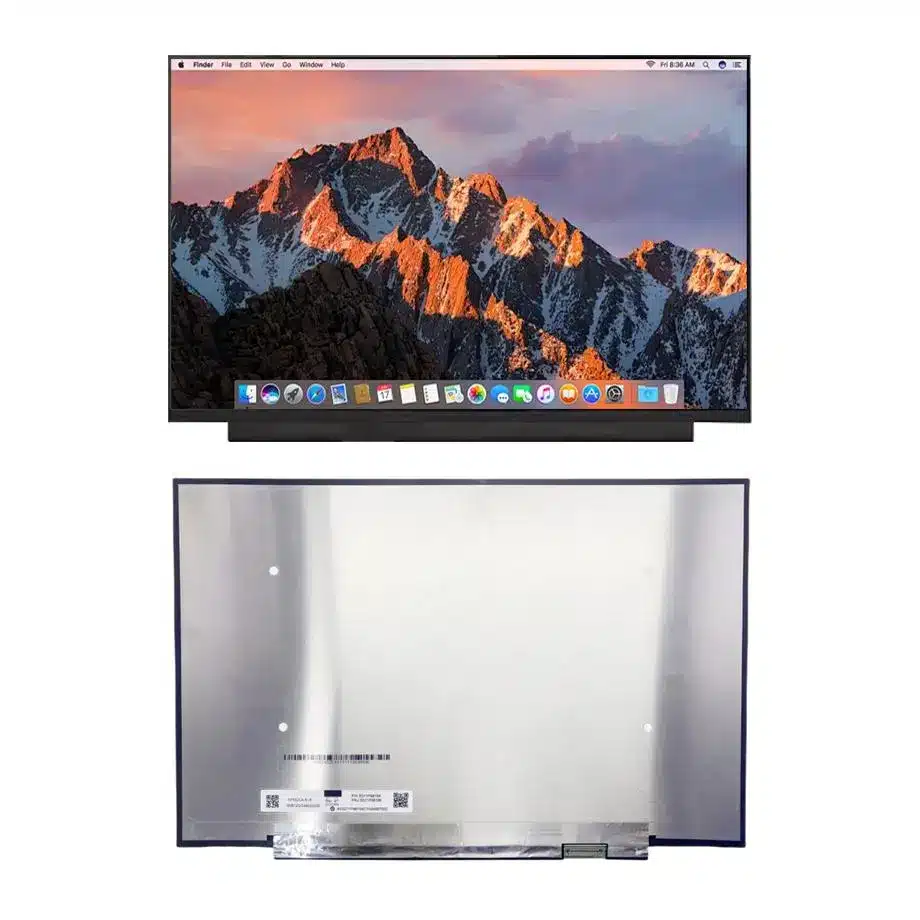
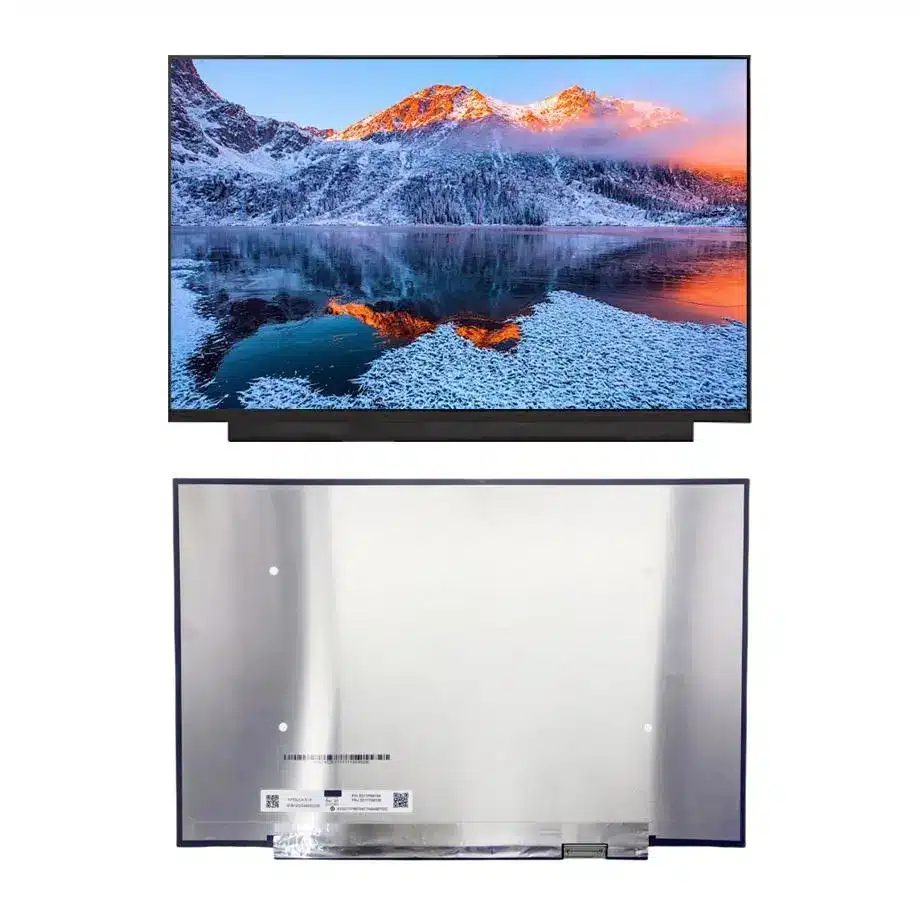
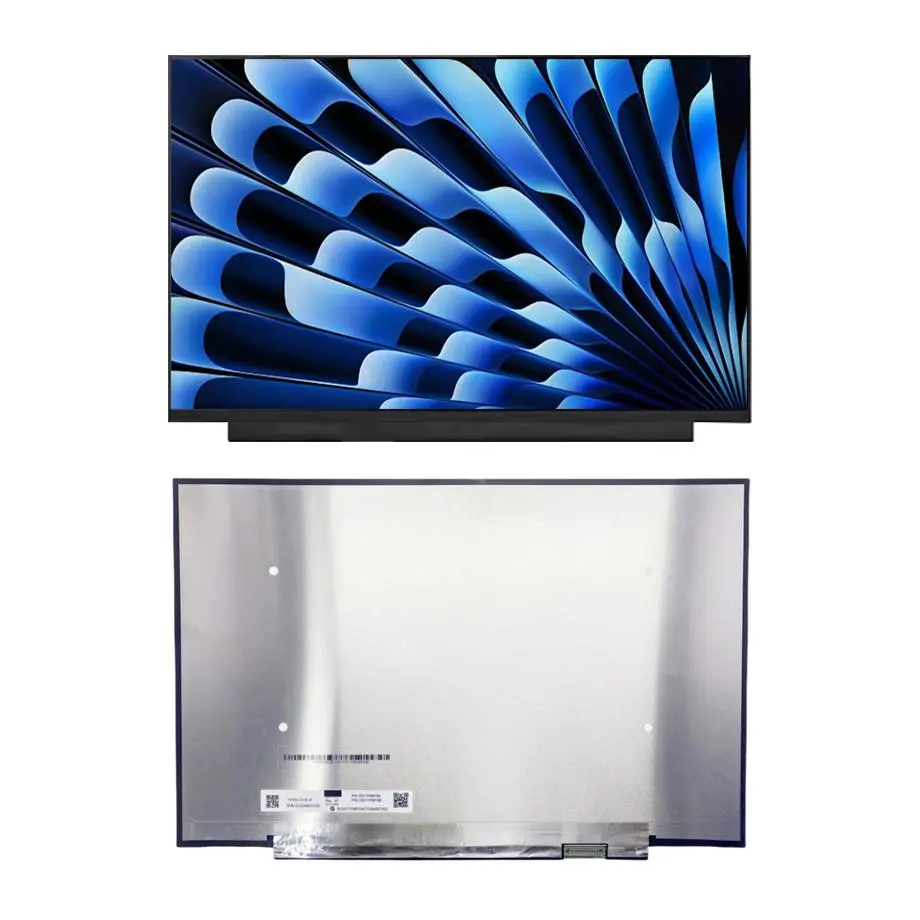
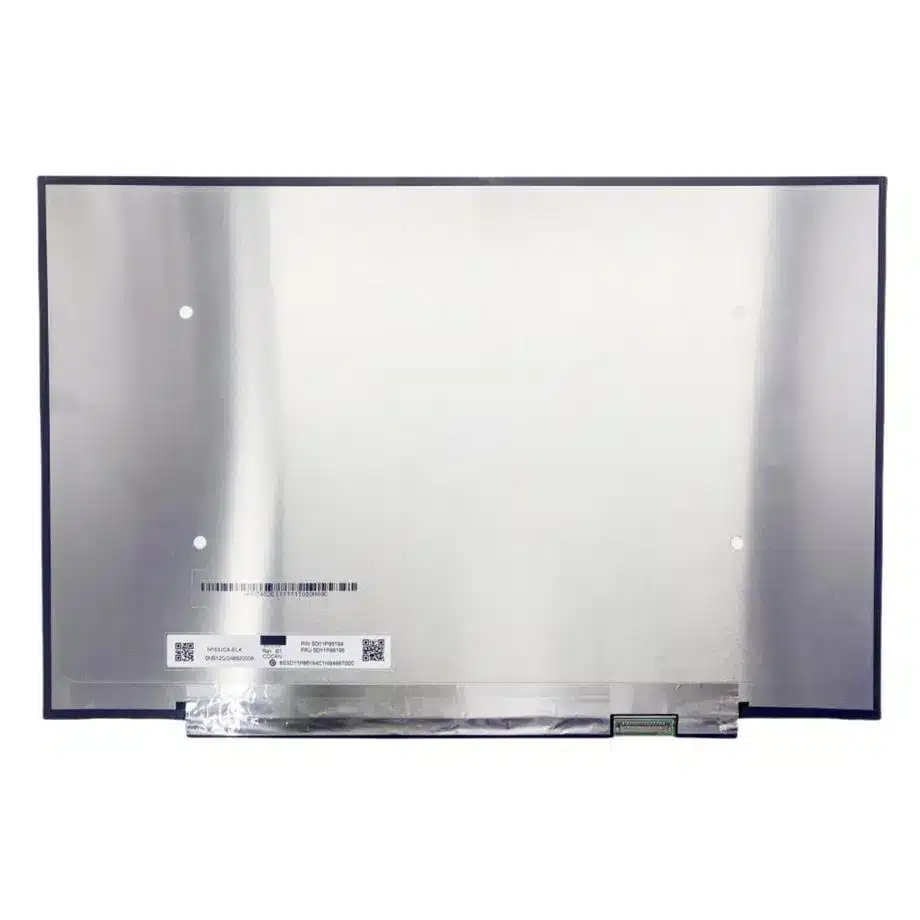
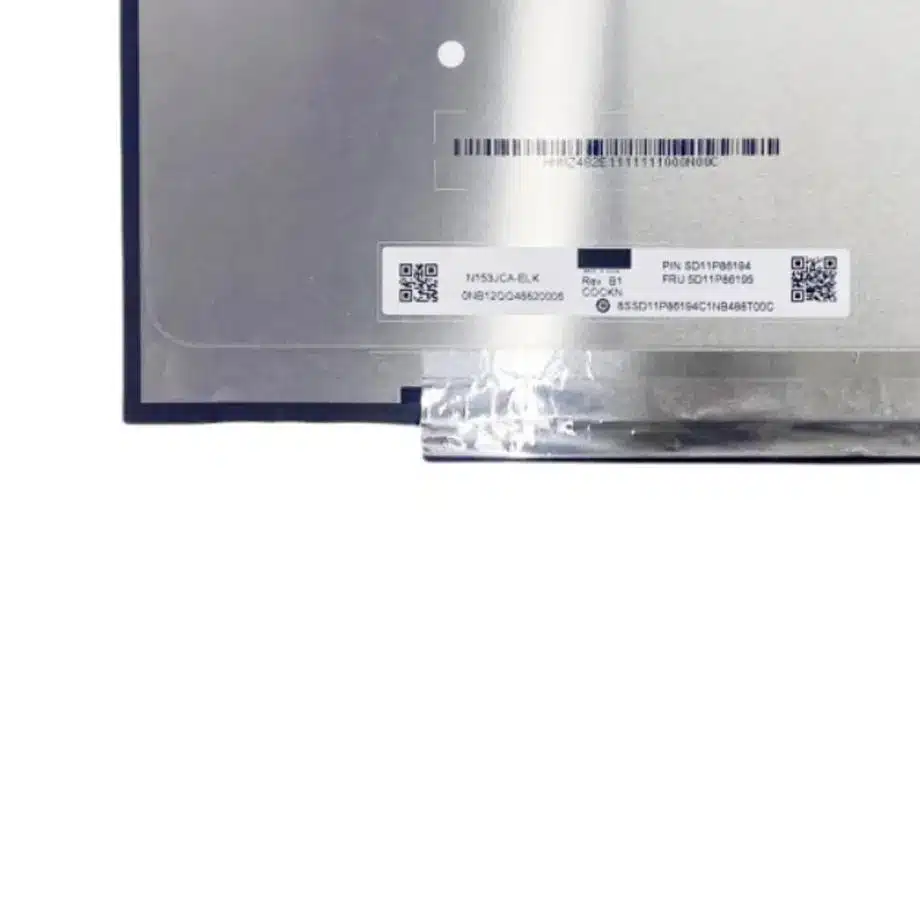
N153JCA-ELK Slim WUXGA AAS Laptop eDP 15.3 Inch Innolux
Model P/N
Size
Resolution
Brightness
Viewing Angle
Connector Type
Operating Temp
Overall(mm)
innolux
N153JCA-ELK
Brand
Panel Size (inch)
Model P/N
Resolution
Brightness (nits)
Viewing Angle
Contrast Ratio
Response Time
Overall (mm)
Active Area (mm)
Refresh Rate
Display Colors
Panel Type
Connector Type
Surface Treatment
Operating Temp
Touchscreen Type
Storage Temp
Work Mode
Pixel Format
Input Voltage (V)
Vibration Resistance
Weight (g)
Designed For
Product Details
Product Overview
The N153JCA-ELK Slim WUXGA AAS Laptop eDP module is a 15.3-inch Innolux a-Si TFT-LCD LCM designed for laptop integration. It uses a 1920(RGB)×1200 WUXGA raster in a 16:10 aspect ratio, with a 329.472 × 205.92 mm active area inside a 334.472 × 223.42 × 3 mm module outline. The panel provides 300 cd/m² typical luminance, a 1200:1 typical contrast ratio and AAS normally-black transmissive operation.
The native interface is eDP 1.2 with two lanes on a 30-pin connector and a 3.3 V typical panel supply. The module includes a WLED light source and an onboard LED driver, is supplied without touch, and is specified for 60 Hz operation with AMD FreeSync listed among its product features. The supplied response-time entry is labeled 11/9 typical Tr/Td; because the source field is explicitly “Response Time,” the obvious local unit-label typo is normalized to milliseconds rather than published as millimetres.
Three Core Buyer Value Propositions
15.3-inch 16:10 WUXGA geometry supports modern laptop replacement screening
The 1920×1200 resolution and 16:10 aspect ratio give service and OEM teams a defined image format that differs from common 16:9 Full HD laptop panels. The 334.472 × 223.42 × 3 mm module size, 350 g maximum mass and slim PCBA-flat construction help screen enclosure fit before a sample is ordered. Those values still do not prove drop-in compatibility: bracket geometry, connector location, cable orientation and the exact mounting arrangement must match the target notebook.
Integrated LED driver reduces one external backlight dependency
The module includes a WLED backlight, an onboard LED driver and a 15,000-hour backlight-life reference. That simplifies the illumination architecture compared with a panel that requires a separate LED driver. The system designer still needs to confirm the model-specific backlight-control behavior, power sequencing and thermal limits. The 15,000-hour figure is a reference tied to manufacturer test conditions and must not be converted into a notebook service-life or warranty promise.
Two-lane eDP 1.2 and FreeSync create a defined host-validation path
The two-lane eDP 1.2 link, 30-pin connector and 3.3 V input give the motherboard team a concrete internal-display architecture to verify. AMD FreeSync is listed in the product parameters, which makes adaptive-refresh behavior relevant to system qualification. That feature should be tested with the intended graphics platform and firmware; it does not establish FreeSync Premium, FreeSync Premium Pro or any other unsupported tier.
Key Specifications at a Glance
| Parameter | Specification |
|---|---|
| Manufacturer / model | Innolux N153JCA-ELK |
| Size / type | 15.3 inch a-Si TFT-LCD, LCM |
| Resolution | 1920(RGB)×1200 WUXGA, 16:10 |
| Active area / outline | 329.472 × 205.92 mm / 334.472 × 223.42 × 3 mm |
| Mass | 350 g maximum |
| Brightness / contrast | 300 cd/m² typical / 1200:1 typical |
| Viewing / response | 89/89/89/89 typical at CR≥10 / 11/9 ms typical Tr/Td |
| Display mode / color | AAS normally black transmissive / 16.7M colors, 45% NTSC |
| Native interface | eDP, 2 lanes, eDP 1.2, 30-pin connector |
| Panel input | 3.3 V typical |
| Backlight | WLED, 15,000-hour reference, with LED driver, DC |
| Refresh / feature | 60 Hz, AMD FreeSync |
| Surface | Antiglare, hard coating 3H |
| Touch | Without touch |
| Temperature | Operating 0 to 50 °C; storage -20 to 60 °C |
How Should the 30-Pin eDP 1.2 Connection Be Verified?
The N153JCA-ELK Slim WUXGA AAS Laptop eDP interface is the panel’s native internal video connection. VESA describes eDP as the electrical interface used to transport video data from a system’s graphics hardware to an embedded display panel (VESA Embedded DisplayPort overview). For this model, the confirmed configuration is two lanes, eDP 1.2 and a 30-pin connector. Those details must be matched to the motherboard or replacement cable rather than reduced to “30-pin screen.”
Pin count is only one part of replacement compatibility
Before installation, compare the connector location and mating orientation, the two-lane link configuration, panel supply, backlight-control contacts and any platform-specific cable routing. The 3.3 V typical value is the panel/module input fact, not a guarantee that every 30-pin eDP cable or motherboard uses an identical implementation. Current replacement-search language emphasizes interface type, pin count, voltage, resolution and eDP revision because each can block an otherwise similar-looking notebook panel.
A sample qualification should use native 1920×1200 at 60 Hz and include repeated cold/warm starts, lid movement, sleep/wake cycles and cable flexing representative of the notebook design. Check that the host identifies the panel correctly and maintains stable image output. If the platform uses custom EDID handling, power-saving modes or firmware-defined timing, qualify the panel with the exact production firmware rather than a generic test adapter alone.
What Does AMD FreeSync Mean at the Panel Level?
The product parameters explicitly list AMD FreeSync together with a 60 Hz frame rate. AMD explains that FreeSync technology synchronizes display refresh behavior with compatible graphics output to reduce tearing and stutter (AMD FreeSync technology overview). For N153JCA-ELK, the safe engineering conclusion is that the feature belongs in the host-validation plan; it is not evidence for a higher refresh rate or for an unlisted FreeSync tier.
Use the intended AMD-compatible graphics platform, driver and firmware when validating the feature. Confirm the mode exposed by the system and observe transitions between fixed and adaptive behavior where applicable. Do not assume that a generic eDP adapter will demonstrate the same FreeSync behavior as the final notebook platform, because graphics-driver, EDID and firmware configuration can affect what the user can enable.
Response-time data must remain separate from refresh behavior
The 11/9 ms typical Tr/Td values describe pixel rise and decay behavior. They do not redefine the 60 Hz frame rate. The source row labels the response-time quantity but contains “mm” as the unit; because the field semantics and Tr/Td notation make the intended time unit unambiguous, the public specification is normalized to milliseconds while preserving the two values.
Why Does the Integrated LED Driver Matter?
The module contains a WLED backlight and its LED driver, so the notebook does not need a separate external backlight-driver board for the base panel configuration. That can simplify the display assembly and cable architecture. It does not remove the need to verify enable, brightness-control and power-sequencing behavior through the eDP/AUX or other model-defined control path. VESA’s eDP documentation notes that the standard includes panel and backlight-control capabilities, but the exact functions used by N153JCA-ELK must come from its model documentation.
The 15,000-hour backlight reference should be treated as an engineering datum whose test conditions and end-point criteria need to be understood before lifecycle planning. Panel temperature, drive conditions and brightness settings can affect LED aging. No notebook service-life, warranty duration or guaranteed supply lifetime is inferred from this figure.
Slim mechanics still require exact enclosure checks
The module is listed as “Slim (PCBA Flat, T≤3.2mm)” and the physical thickness is 3 mm. That is useful for a thin notebook lid, but fit also depends on frame edges, mounting tabs or adhesive strategy, connector location and cable bend space. The active area is smaller than the full 334.472 × 223.42 mm outline, so verify visible opening and module clearance separately.
Replacement and Procurement Decisions
The N153JCA-ELK Slim WUXGA AAS Laptop eDP module should be compared against the complete original display assembly. Match the 15.3-inch diagonal, 1920×1200 resolution, 16:10 aspect ratio, 30-pin two-lane eDP 1.2 interface, 3.3 V supply, non-touch configuration and physical dimensions. A same-size WUXGA screen can still be unsuitable if its connector location, lane configuration, touch status, mounting or backlight/control implementation differs.
A supporting row reference describes mass production beginning in Q2 2024, current in-production status and a 1.5G vibration figure. Those are supporting facts, not guarantees. The vibration value lacks frequency, duration and mounting conditions in the current packet, so it cannot establish a complete notebook mechanical qualification. Production status should also be reconfirmed with Innolux or an authorized channel before volume commitment; marketplace stock and MOQ claims are not HS-LCD inventory or commercial terms for this product record.
For a controlled replacement program, retain the exact N153JCA-ELK revision, qualified 30-pin cable, motherboard or controller platform, firmware, mechanical drawing and sample-test conditions. That record gives later sourcing teams a reproducible baseline rather than relying only on “15.3-inch WUXGA eDP” as a compatibility description.
Engineering Answers in Brief
N153JCA-ELK is a 15.3-inch Innolux WUXGA 16:10 LCM with a 300 cd/m² typical backlit output and no touch screen.
Its native display link is two-lane eDP 1.2 on a 30-pin connector with a 3.3 V typical panel input.
The module integrates a WLED backlight and LED driver, with a 15,000-hour backlight-life reference rather than a system-lifetime guarantee.
AMD FreeSync is listed as a product feature, but host graphics, driver and firmware compatibility must be validated in the target laptop.
Procurement Checklist
- Specify Innolux N153JCA-ELK and confirm the exact revision offered.
- Request the current eDP pin assignment, timing/EDID information and mechanical drawing.
- Verify 1920×1200 at 60 Hz through the two-lane eDP 1.2 link and 30-pin cable.
- Confirm the 3.3 V panel input and integrated LED-driver control behavior with the target motherboard.
- Check the 334.472 × 223.42 × 3 mm outline, active-area alignment, connector position and lid/cable clearance.
- Validate AMD FreeSync behavior using the intended graphics platform and production firmware without assuming a higher tier.
- Evaluate 300 cd/m² brightness, 1200:1 contrast, antiglare surface and 45% NTSC color in the completed laptop assembly.
- Reconfirm current lifecycle status, traceability and any applicable PCN/EOL information before volume ordering.
The N153JCA-ELK Slim WUXGA AAS Laptop eDP module provides a defined 15.3-inch replacement platform with 16:10 WUXGA geometry, a two-lane eDP 1.2 link, integrated backlight driving and a slim 3 mm package. Final approval depends on electrical, mechanical, firmware, FreeSync and sourcing checks being completed for the exact notebook configuration.
Recommended: Same Size
(15.3")
Applications & Value of LCD Panel

- Fast sourcing with in-stock panels & cross-reference alternatives
- Stable supply chain with long-term availability
- Engineering-level support from panel to integration
- Custom solutions: cable, touch & optical bonding
- Strict quality control with IQC / OQC / aging test
- Full traceability system for quality assurance
- Complete technical documentation & drawings
- Compliance support: RoHS & certification files
