~
~
~
~
~
~
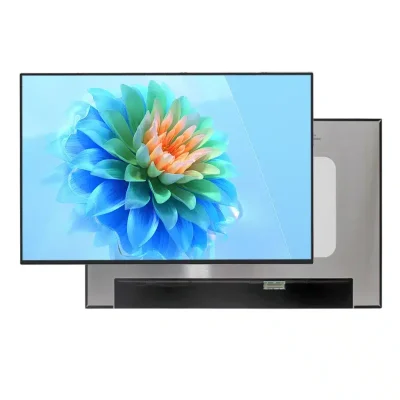
NE160QDM-NYD WQXGA G-Sync Oxide Display Gaming LCM BOE
Model P/N
Size
Resolution
Brightness
Viewing Angle
Connector Type
Operating Temp
Overall(mm)
boe
NE160QDM-NYD
Brand
Panel Size (inch)
Model P/N
Resolution
Brightness (nits)
Viewing Angle
Contrast Ratio
Response Time
Overall (mm)
Active Area (mm)
Refresh Rate
Display Colors
Panel Type
Connector Type
Surface Treatment
Operating Temp
Touchscreen Type
Storage Temp
Work Mode
Pixel Format
Input Voltage (V)
Vibration Resistance
Weight (g)
Designed For
Product Details
Product Overview
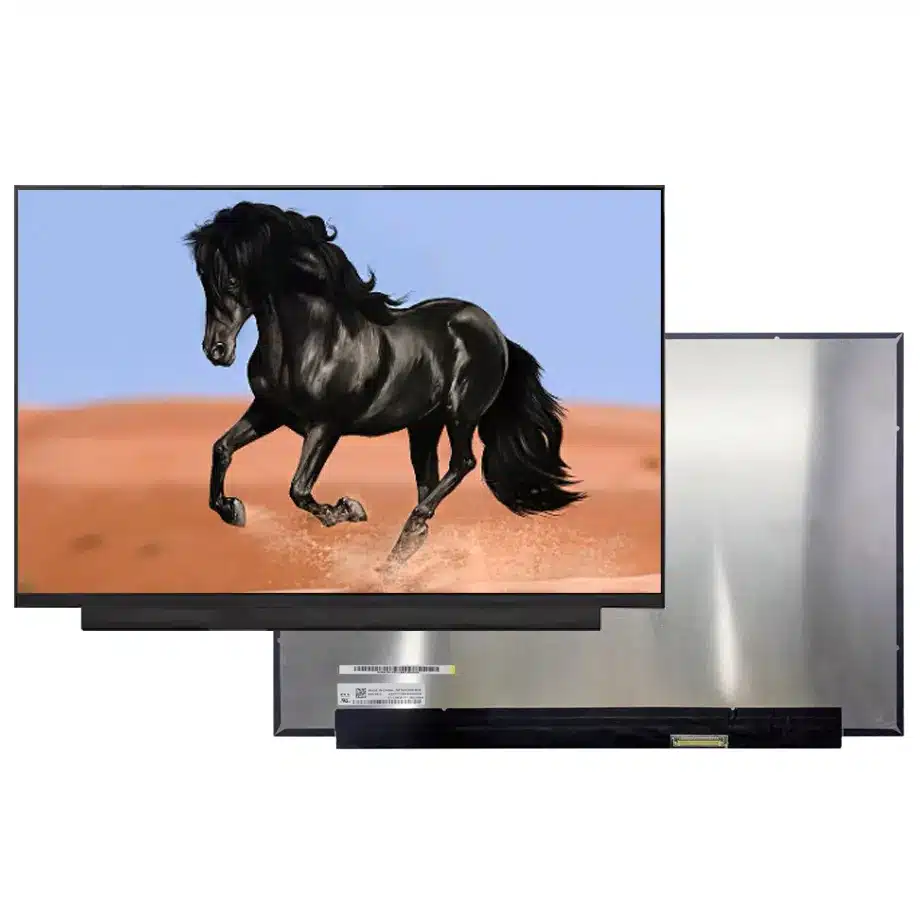
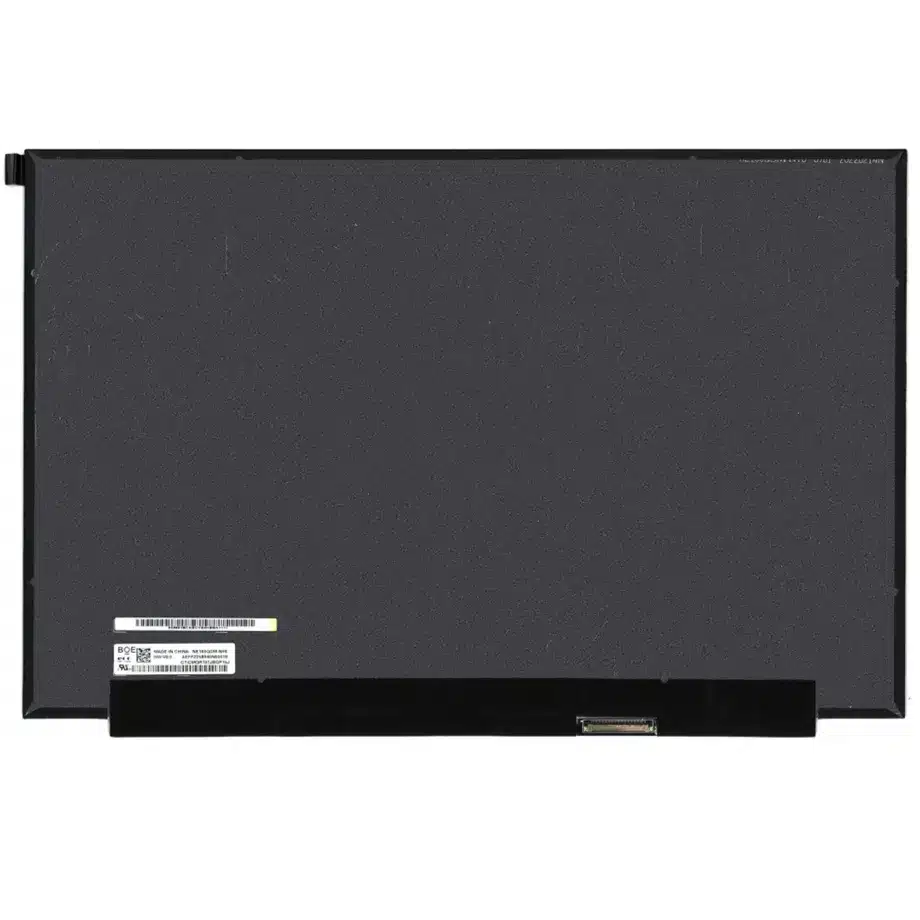
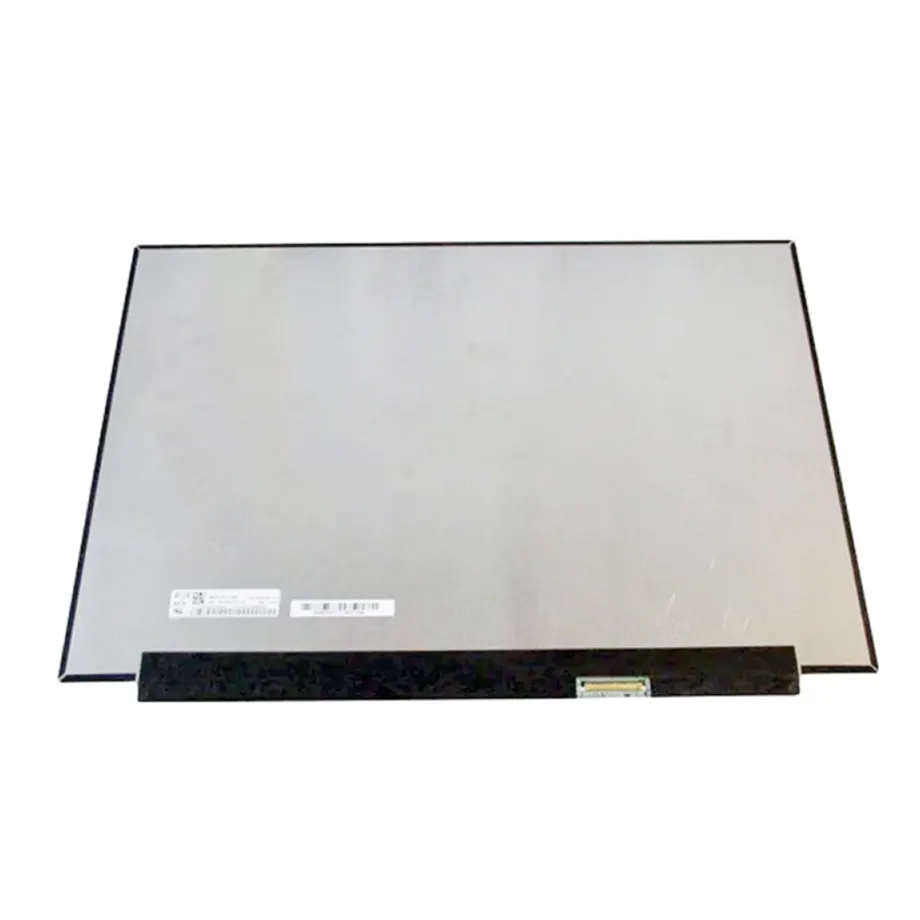
NE160QDM-NYD WQXGA G-Sync Oxide Display is a 16.0-inch BOE Oxide TFT-LCD LCM for laptop and gaming platforms that require a native 2560(RGB)×1600 WQXGA raster in a 16:10 format. The panel uses ADS normally-black transmissive operation, 400 cd/m² typical luminance, a 1200:1 typical contrast ratio and 16.7M colors with 100% sRGB and Low Blue Light wording. Its active area is 344.678 × 215.424 mm inside a 349.68 × 232.52 × 2.6 mm outline, with a maximum module mass of 330 g and an antiglare surface with 3H hard coating.
The module runs at 240 Hz and carries G-Sync / FreeSync feature wording. Its native interface is four-lane eDP 1.4 at HBR3, 8.1 Gbit/s per lane, through a 40-pin 0.5 mm connector and 3.3 V typical panel supply. An 11S6P WLED backlight with LED driver is integrated, with a 15K-hour backlight-life reference and DC-dimming wording. Exact-model information also identifies reverse-interface orientation and overdrive. These features make the part relevant to high-refresh gaming notebooks, but they still require motherboard, cable and firmware validation on the intended platform.
Three Core Buyer Value Propositions
1. WQXGA 16:10 at 240 Hz defines a demanding but measurable notebook timing target
The 2560×1600 raster carries more pixels per frame than FHD while the 240 Hz rate multiplies the required frame-delivery workload. For procurement and platform engineering, that combination creates a clear qualification target rather than a vague “high refresh” category. The notebook GPU, eDP transmitter, firmware and cable must support the exact timing together. A motherboard that can drive 2560×1600 at 60 Hz is not automatically suitable at 240 Hz, and a high-rate panel does not guarantee the game engine or GPU will render every workload at the same frame rate.
2. HBR3 gives additional link margin but raises cable and signal-integrity requirements
The panel uses four HBR3 lanes at 8.1 Gbit/s per lane. That interface class gives the host a high-bandwidth embedded path for the native WQXGA/240 Hz mode, while the 40-pin 0.5 mm connector provides a concrete cable target. Higher link rate increases the importance of impedance control, connector quality, routing, grounding and AUX communication. Exact pin mapping, connector orientation and power sequencing remain product-specific and should come from the controlled BOE specification or approved production cable.
3. 400-nit antiglare optics and 100% sRGB wording support disciplined image-quality acceptance
The exact-model optical baseline includes 400 cd/m² typical luminance, 100% sRGB wording, Low Blue Light, 89/89/89/89 typical viewing-angle values at CR≥10 and an antiglare 3H surface. Those facts support a high-resolution notebook display specification without inventing calibration or certification claims. Gamut coverage does not establish Delta E, white point or gamma, while Low Blue Light does not automatically establish a named eye-comfort certification. System-level optical targets should be defined and measured separately.
Key Specifications at a Glance
| Parameter | Confirmed value |
|---|---|
| Manufacturer / model | BOE NE160QDM-NYD |
| Display size | 16.0 inch |
| Panel type | Oxide TFT-LCD, LCM |
| Native resolution | 2560(RGB)×1600 WQXGA, 16:10 |
| Active area | 344.678 × 215.424 mm |
| Outline | 349.68 × 232.52 × 2.6 mm |
| Weight | 330 g maximum |
| Brightness | 400 cd/m² typical |
| Contrast ratio | 1200:1 typical |
| Viewing-angle values | 89/89/89/89 typical at CR≥10 |
| Response time | 9 ms typical Tr+Td |
| Colors | 16.7M, 100% sRGB, Low Blue Light |
| Surface | Antiglare, hard coating 3H |
| Refresh / sync | 240 Hz; G-Sync / FreeSync feature wording |
| Native interface | eDP 1.4, 4 lanes, HBR3 8.1 Gbit/s per lane |
| Connector | 40 pins, 0.5 mm pitch |
| Panel input | 3.3 V typical |
| Backlight | 11S6P WLED, 15K hrs, with LED driver, DC |
| Touch | Without touch screen |
| Operating / storage | 0 to 50 °C / -20 to 60 °C |
HBR3 and 240 Hz: qualify the link as one system
NE160QDM-NYD WQXGA G-Sync Oxide Display should be brought up with the native 2560×1600/240 Hz mode as a complete signal-chain test. VESA’s Embedded DisplayPort material provides standards context for eDP, while BOE’s exact timing, lane configuration and connector mapping remain product-specific. A four-lane HBR3 link can carry substantially more data than a lower-rate link, but that capability is useful only when the motherboard, cable and firmware agree on the same implementation.
Validation should cover link training, AUX transactions, cold boot, sleep/resume, repeated power cycles and sustained high-refresh image stability. Check the production cable rather than an engineering cable alone, because connector tolerances and routing can affect margin at 8.1 Gbit/s per lane. If the platform uses a bridge or mux, include every path used in the final design. External HDMI, DisplayPort or USB-C ports do not define the panel-native path; the internal screen still receives eDP.
G-Sync and FreeSync wording needs platform-level confirmation
The exact model is documented with G-Sync / FreeSync feature wording, but variable-refresh operation is a system behavior rather than a guarantee attached to the panel label alone. GPU support, driver configuration, BIOS/firmware tables and timing ranges all matter. A procurement specification should therefore distinguish “panel supports feature wording” from “finished notebook validated for a specific variable-refresh mode.” That distinction prevents a component description from becoming an unsupported end-product certification claim.
Testing should exercise frame-rate transitions, low-frame-rate conditions, windowed and full-screen modes where relevant, sleep/wake and changes between fixed and variable refresh. Overdrive behavior should be observed at multiple frame rates because a setting optimized for 240 Hz may produce different artifacts at lower rates. FreeSync and G-Sync should not be used as substitutes for an input-latency specification; end-to-end response still includes rendering, buffering and scanout.
Why reverse-interface wording matters in a 16-inch lid
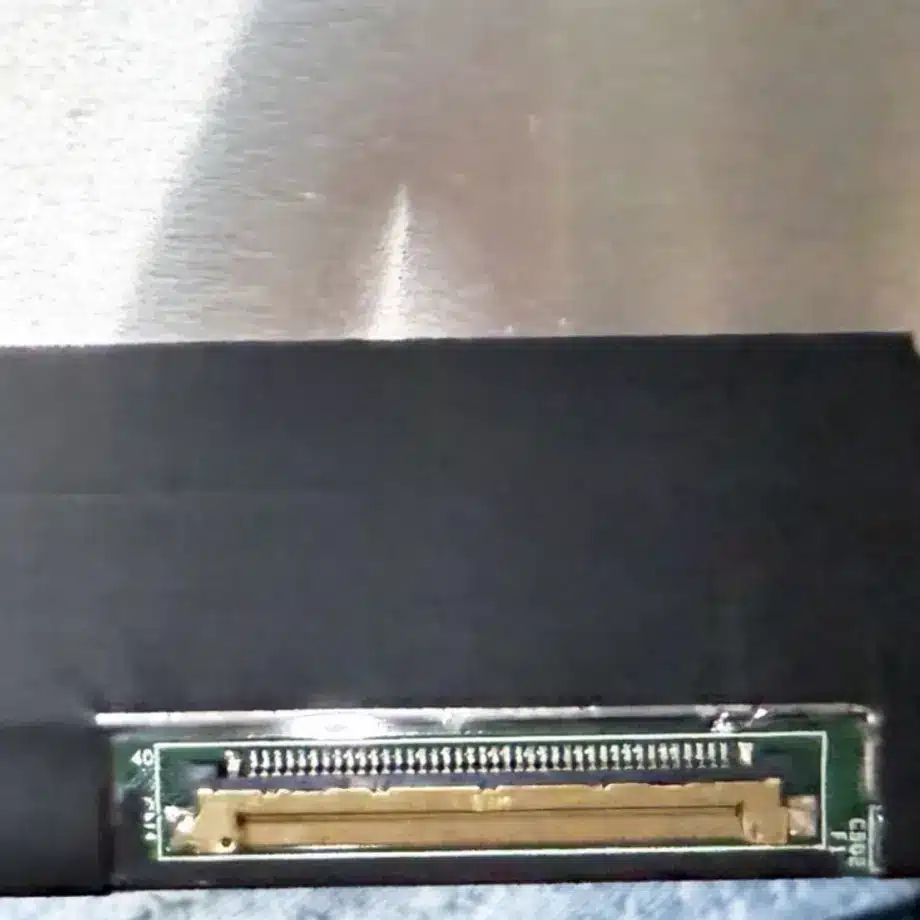
The panel is described with a reverse interface, making cable orientation and connector-side geometry especially important. A 40-pin 0.5 mm connector can be electrically different from another 40-pin eDP connector, and the direction in which the cable exits can determine whether it reaches the motherboard without strain. Replacement decisions should compare the original panel label, cable part number, connector location and pin mapping rather than relying on the 16-inch diagonal or WQXGA resolution.
The 349.68 × 232.52 × 2.6 mm outline and 330 g maximum mass provide useful lid-envelope and hinge-load inputs. The active image area is 344.678 × 215.424 mm, so bezel opening should be checked separately from the outer module rectangle. A substitute with the same native resolution can still interfere with a camera module, antenna, cable fold or rear-cover rib. Drawing-level checks remain necessary before mechanical release.
Optical qualification for a 400-nit 100% sRGB gaming notebook
The ADS normally-black mode is documented with a 1200:1 typical contrast ratio and symmetric 89/89/89/89 viewing-angle values. That makes the panel suitable for broad-view laptop evaluation without assuming a specific consumer marketing label. Antiglare hard coating helps manage front-surface reflections, but finished performance depends on the notebook lid, room lighting and any protective film. A project should measure the completed assembly at the intended brightness settings.
100% sRGB wording defines gamut coverage, not calibration accuracy. White point, gamma, color error and uniformity need separate limits if the notebook serves image creation or other color-sensitive use. Low Blue Light is a documented feature phrase and should remain bounded unless a model-specific certification is supplied. BOE’s LCD portfolio offers manufacturer context for display technology, but portfolio claims do not add specifications to this exact suffix.
Backlight, power and thermal planning at high refresh
The integrated 11S6P WLED subsystem carries a 15K-hour backlight-life reference and LED driver. Same-exact-model technical data also identifies a maximum total consumption of about 7.16 W. That figure is useful for a panel power budget, yet it does not include the notebook GPU, display power conversion losses or other system loads. High-refresh operation can coincide with high GPU load, so panel and platform thermal tests should be performed together in the production enclosure.
Operating temperature is 0 to 50 °C and storage temperature is -20 to 60 °C, with a 1.5G vibration reference in exact-model data. These component limits do not establish rugged, industrial-wide-temperature or automotive grade. Sustained 400-nit operation should be checked for brightness stability, local hot spots and backlight control over the normal thermal range. The 15K-hour reference should not be converted into a notebook warranty or future supply commitment.
Response time and overdrive in a 240 Hz system
The documented response time is 9 ms typical Tr+Td, and overdrive is listed as an exact-model feature. The response-time figure is a pixel-transition metric; it is not the same as the 4.17 ms frame interval associated with 240 Hz and does not describe complete input latency. Different transitions can behave differently, and overdrive can trade faster transitions for overshoot. A gaming-platform qualification should therefore evaluate both instrumented transition behavior and representative motion content.
Do not infer a universal response number from another NE160QDM revision. The exact suffix should control because adjacent panels can use different drive tuning or firmware. If the system exposes multiple refresh-rate modes, inspect motion artifacts at each intended mode and with variable refresh enabled where applicable. This is also a reason to treat a proposed substitute as a new qualification even when the connector and resolution appear compatible.
Application fit: WQXGA gaming laptops and mobile performance workstations
NE160QDM-NYD WQXGA G-Sync Oxide Display is documented for Laptop and Gaming applications. The strongest fit is a 16-inch 16:10 notebook platform intentionally designed for 2560×1600 at 240 Hz, 400-nit antiglare optics, 100% sRGB wording and four-lane HBR3 eDP. These characteristics can also suit performance-oriented mobile workstation designs when their color, timing and thermal requirements align with the confirmed facts. No specific OEM laptop fit, professional color certification or gaming certification is implied.
The panel is supplied without touch. A touch-enabled system would need a separately qualified sensor, controller, cover stack and cable architecture. The extra optical layers can change reflection and luminance, so the complete assembly should be measured if touch is added. Exact-model replacement remains appropriate where the original label is NE160QDM-NYD and the production cable, connector orientation and mechanics are verified.
Procurement and validation checklist
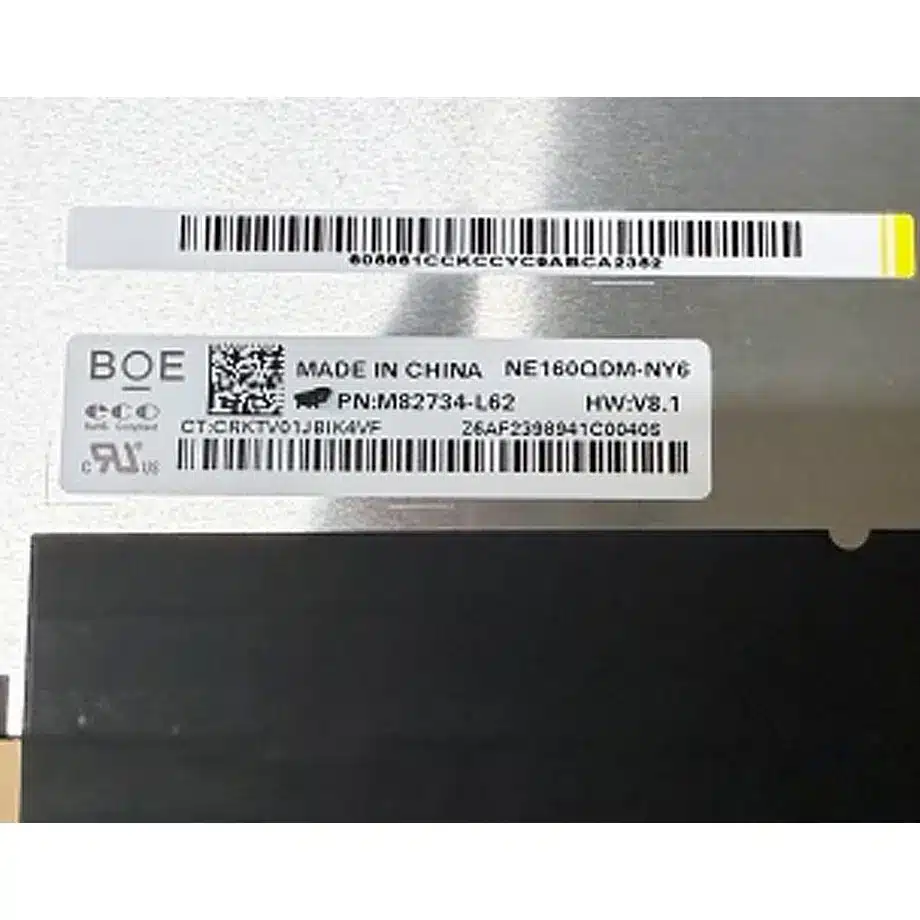
- Record the complete BOE NE160QDM-NYD identity and reject unapproved suffix substitutions.
- Validate native 2560×1600 timing at 240 Hz on the production graphics path.
- Confirm four-lane eDP 1.4 HBR3, 40-pin 0.5 mm connector, reverse orientation and exact pin mapping.
- Check the 349.68 × 232.52 × 2.6 mm outline and 330 g maximum mass against lid and hinge requirements.
- Verify 400 cd/m² luminance, 100% sRGB wording, antiglare surface and viewing behavior on production samples.
- Validate G-Sync / FreeSync behavior only in operating modes supported by the target GPU and firmware.
- Test high-refresh link stability, overdrive behavior, sleep/resume and thermal performance under sustained load.
- Keep Low Blue Light as feature wording unless model-specific certification evidence is available.
- Request current revision and change-status information before volume buying; current availability is not a guaranteed supply horizon.
When qualifying NE160QDM-NYD WQXGA G-Sync Oxide Display, provide the target motherboard, eDP cable drawing, WQXGA/240 Hz timing plan, variable-refresh requirements, lid mechanics, color acceptance limits, thermal conditions and required quantity. Exact-model electrical, optical and mechanical control is the most reliable way to prevent a superficially similar 16-inch panel from entering production without a full engineering review.
Recommended: Same Size
(16")
Applications & Value of LCD Panel

- Fast sourcing with in-stock panels & cross-reference alternatives
- Stable supply chain with long-term availability
- Engineering-level support from panel to integration
- Custom solutions: cable, touch & optical bonding
- Strict quality control with IQC / OQC / aging test
- Full traceability system for quality assurance
- Complete technical documentation & drawings
- Compliance support: RoHS & certification files