
~
~
~
~
~
~
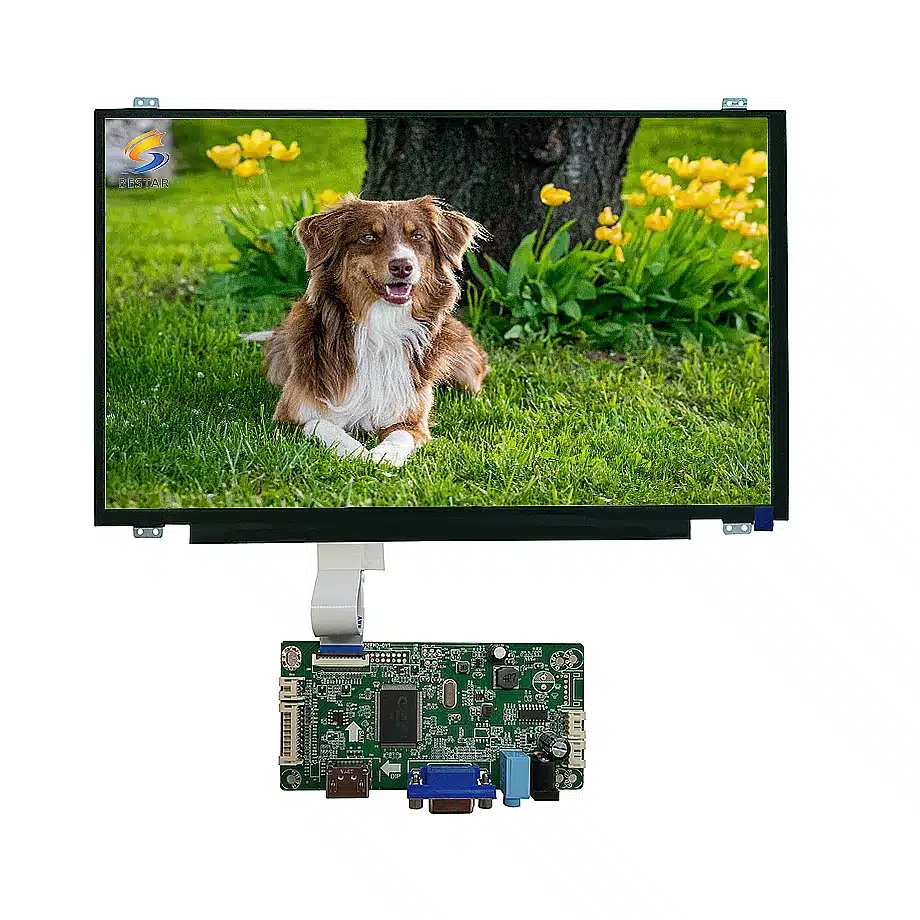
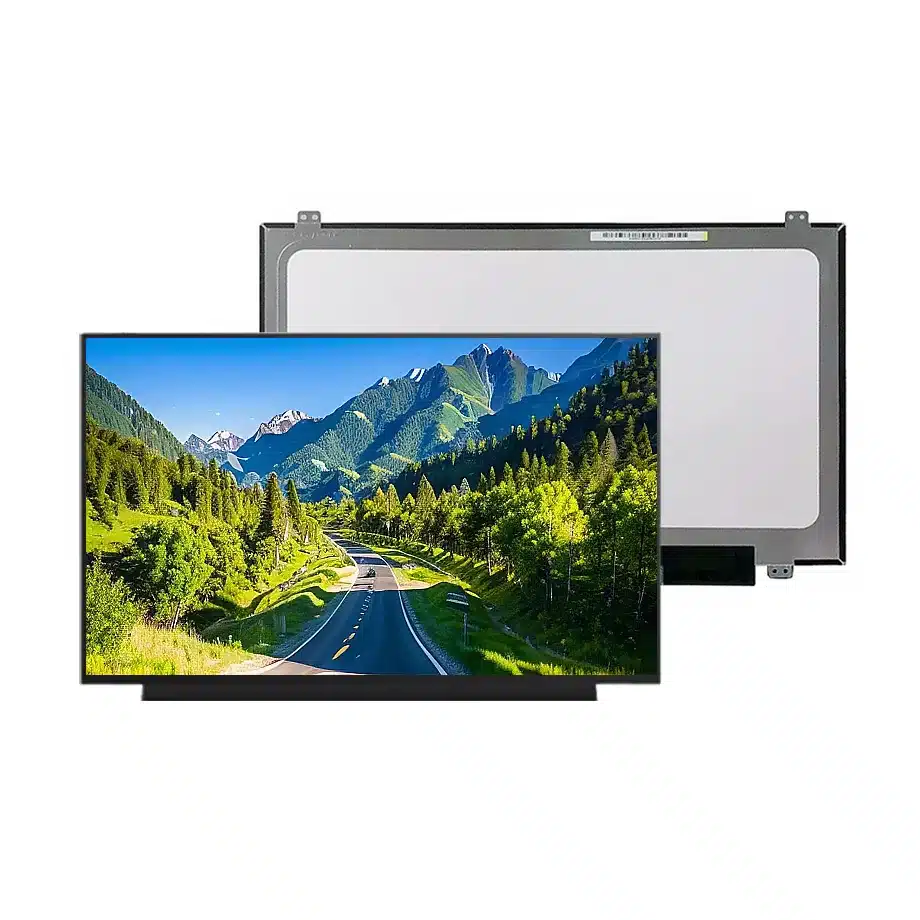
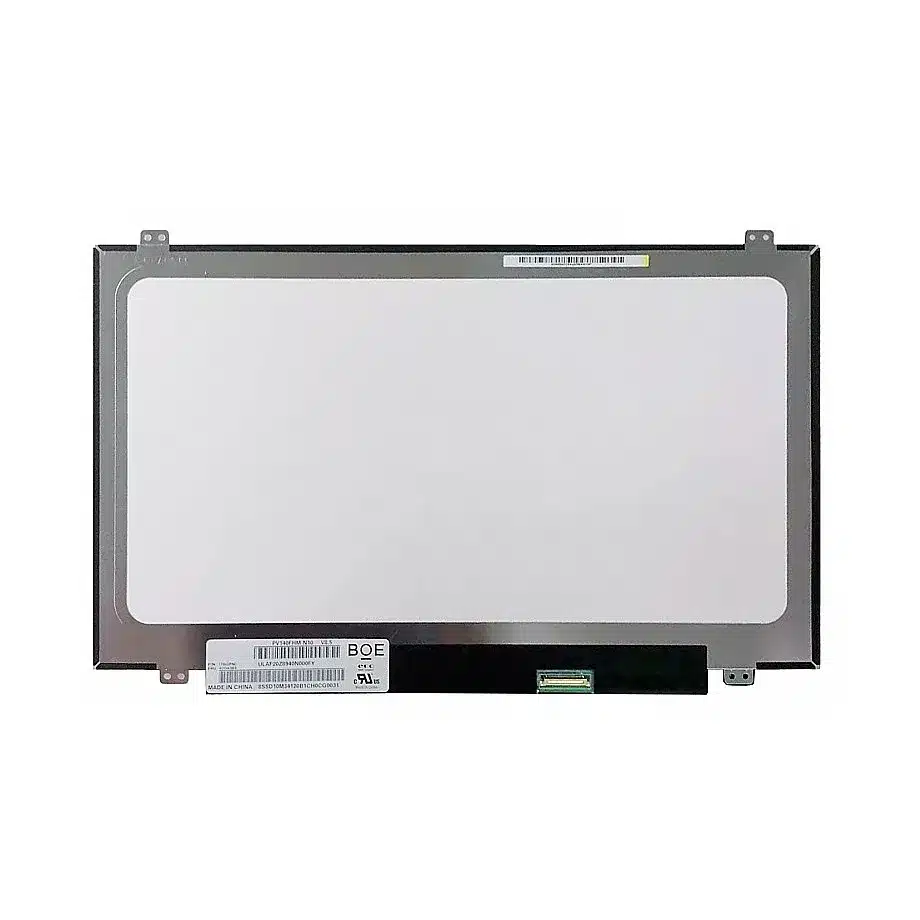
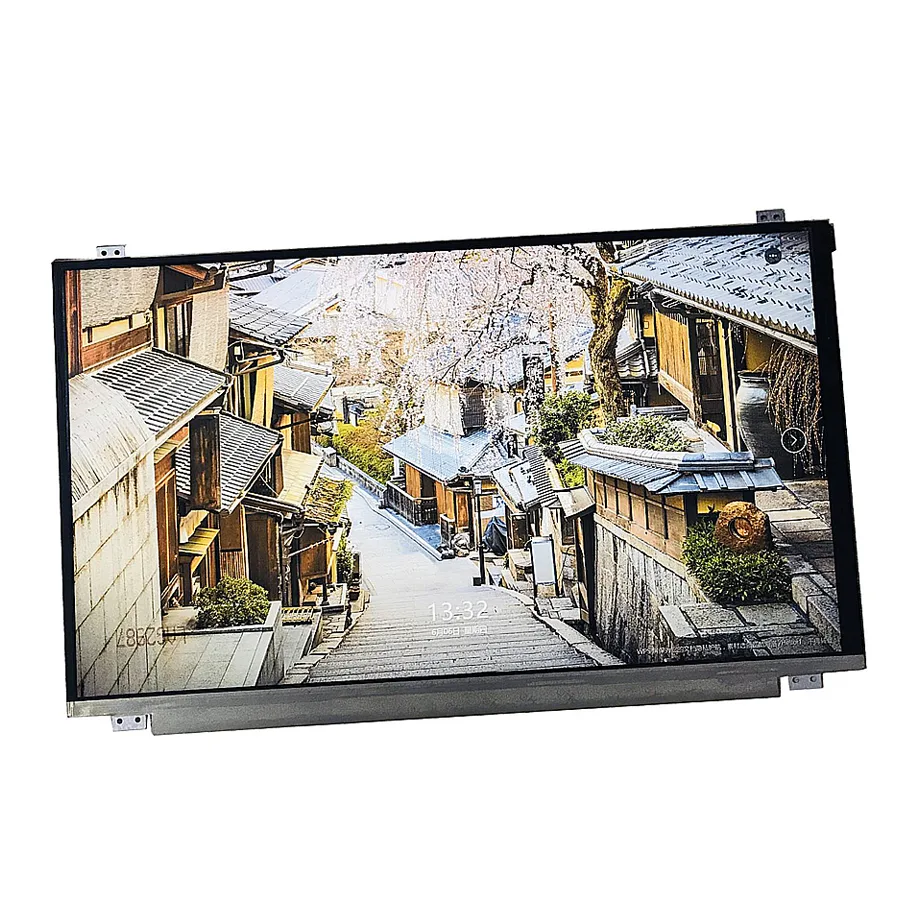
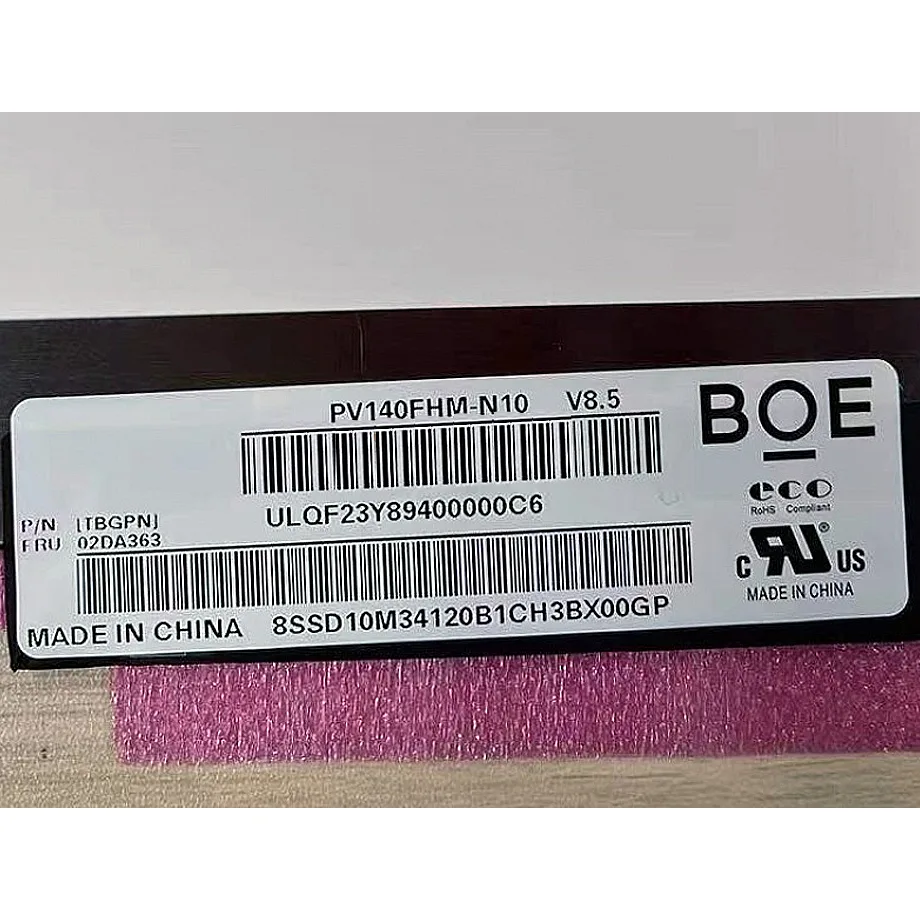
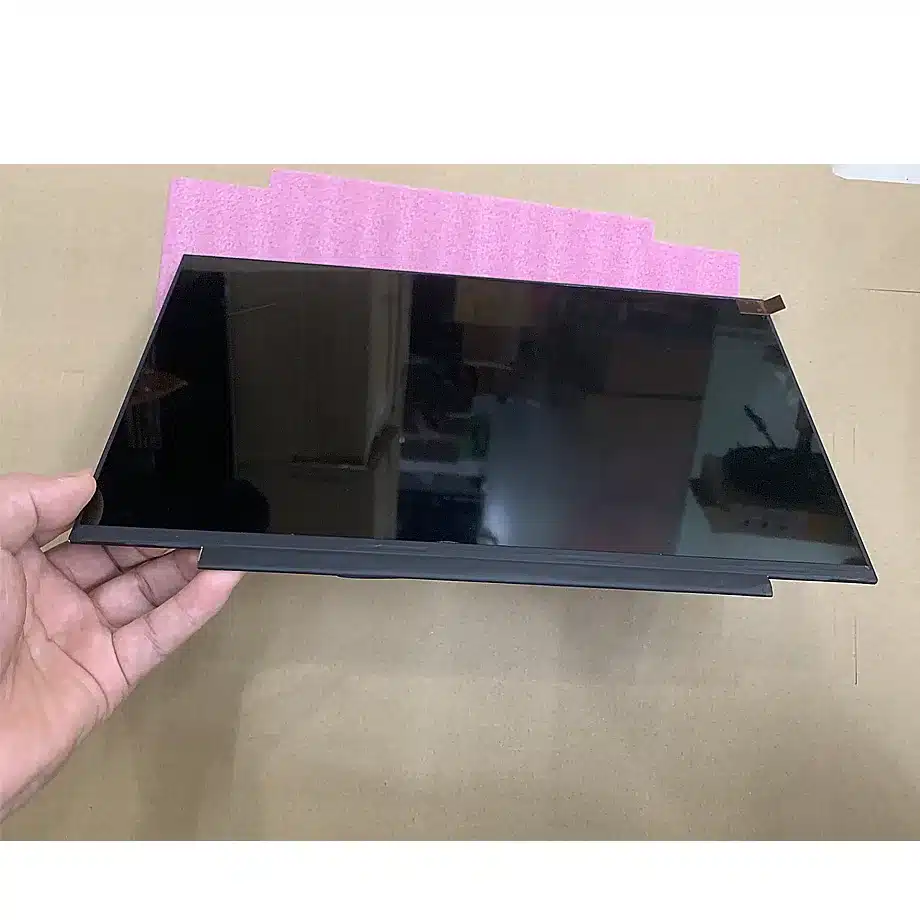
PV140FH0-M00 Industrial HMI Control FHD LCM BOE
Model P/N
Size
Resolution
Brightness
Viewing Angle
Connector Type
Operating Temp
Overall(mm)
boe
PV140FH0-M00
Brand
Panel Size (inch)
Model P/N
Resolution
Brightness (nits)
Viewing Angle
Contrast Ratio
Response Time
Overall (mm)
Active Area (mm)
Refresh Rate
Display Colors
Panel Type
Connector Type
Surface Treatment
Operating Temp
Touchscreen Type
Storage Temp
Work Mode
Pixel Format
Input Voltage (V)
Vibration Resistance
Designed For
Product Details
Product Overview
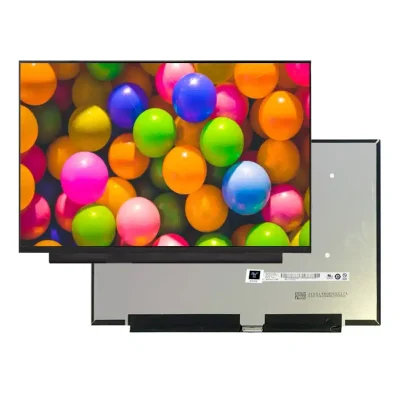
PV140FH0-M00 Industrial HMI Control FHD LCM is a 14.0-inch BOE a-Si TFT-LCD module for industrial display integration. The exact user row specifies 1920(RGB)×1080 FHD resolution in a 16:9 format, a 309.312 × 173.988 mm active area and a 315.1 × 186.07 × 5.23 mm module outline. Panel weight remains TBD and is kept blank in the formal storage record rather than estimated.
The confirmed optical specification is 350 cd/m² typical luminance, 1000:1 typical contrast, 85/85/85/85 typical viewing at CR≥10 and 16.2M colors with 45% NTSC. The surface is antiglare with 25% haze and 3H hard coating. The display operates in ADS normally-black transmissive mode with a 20 ms typical Tr+Td response and a 60 Hz refresh rate.
The module includes a WLED backlight with a 30,000-hour source-life figure and an integrated LED driver. The native signal path is two-lane HBR1 eDP through a 30-pin connector with a 3.3 V typical panel supply. The user-supplied environmental limits are -10 to 60 °C operation and -20 to 70 °C storage. The exact-model technical page supports the industrial application, while VESA eDP guidance provides general interface context.
Three Core Buyer Value Propositions
1. Industrial application evidence plus extended temperature supports embedded equipment screening
The exact model is identified for industrial use and operates beyond a conventional 0 to 50 °C notebook range. That makes it relevant to control panels, diagnostic equipment and embedded interfaces in hotter or colder enclosures. The component range remains only one part of system qualification; power electronics, enclosures, touch layers and adhesives can impose narrower environmental limits.
2. 25% haze helps manage reflections in operator environments
A 25% haze antiglare surface scatters distinct reflections more strongly than a low-haze panel and can improve usability under factory or equipment-room lighting. The tradeoff is that heavier diffusion can influence perceived fine-detail sharpness. Since the panel is FHD at 14 inches, prototype review should include small text, dark UI and representative graphics at the intended operator distance.
3. Integrated 30K WLED driver simplifies the module boundary
The module includes the WLED backlight and LED driver, reducing the amount of external backlight circuitry the system designer must provide. The 30K-hour source figure is useful for service planning, but it remains tied to BOE's test basis and does not equal a complete machine lifetime. Enclosure temperature and brightness duty cycle should be considered when planning maintenance.
Key Specifications at a Glance
| Parameter | Confirmed value |
|---|---|
| Manufacturer / model | BOE PV140FH0-M00 |
| Display size | 14.0 inch |
| Panel type | a-Si TFT-LCD, LCM |
| Resolution | 1920(RGB)×1080, FHD, 16:9 |
| Active area | 309.312 × 173.988 mm |
| Outline | 315.1 × 186.07 × 5.23 mm |
| Weight | Unresolved / TBD |
| Brightness | 350 cd/m² typical |
| Contrast | 1000:1 typical |
| Viewing | 85/85/85/85 typical at CR≥10 |
| Color | 16.2M, 45% NTSC |
| Response | 20 ms typical Tr+Td |
| Surface | Antiglare, 25% haze, 3H hard coating |
| Refresh | 60 Hz |
| Interface | eDP, 2 lanes, HBR1, 30-pin connector |
| Supply | 3.3 V typical |
| Backlight | WLED, 30K hours, integrated LED driver |
| Touch | Without touch screen |
| Operating / storage | -10 to 60 °C / -20 to 70 °C |
How Should the Industrial Temperature Range Be Qualified?
The supplied -10 to 60 °C operating range gives equipment designers more thermal headroom than a typical office notebook panel. PV140FH0-M00 Industrial HMI Control FHD LCM should still be tested in the final enclosure because internal heat from the controller, processor or power supply can raise panel temperature above ambient. Low-temperature startup and high-temperature steady-state behavior should both be part of first-article approval.
Measure brightness, uniformity, response behavior and image stability at representative hot and cold points. If a cover window, touch layer or sealing adhesive is added, confirm that those materials also meet the system temperature requirement. The panel's component limit does not automatically certify the complete equipment.
Storage and transport
The -20 to 70 °C storage range is relevant to shipping and non-operating equipment conditions. Packaging, condensation control and mechanical stress should be considered separately. A stored panel should be allowed to return to a safe operating condition before power is applied if the system has experienced extreme temperature or moisture exposure.
What Must Match on the 30-Pin eDP Interface?
The panel uses two HBR1 eDP lanes through a 30-pin connector. Verify the exact BOE pin mapping, AUX signals, grounds, connector orientation and panel power sequencing rather than treating “30-pin eDP” as a universal interface. Similar 14-inch FHD panels can use different pin assignments, connector positions or mechanical packages.
Bring up native FHD at 60 Hz with the production controller and cable. Test cold boot, no-signal recovery, display-off transitions and repeated power cycles. Keep the approved controller firmware and cable part number in the production record so future hardware changes can be evaluated against a stable baseline.
How Should 350 cd/m² and 25% Haze Be Positioned?
Three hundred fifty cd/m² typical luminance provides a practical indoor industrial brightness level. The 25% haze surface can reduce distinct reflection from overhead lighting, but the module should not be promoted as sunlight readable without a finished-system ambient-contrast test. If the display sits behind a protective window, that cover can dominate reflections and needs to be included in optical qualification.
The 45% NTSC color class is mainstream rather than wide gamut. This is appropriate for control graphics, status information and general industrial UI. If an application needs calibrated imaging or full-sRGB coverage, choose a separately evidenced configuration instead of inferring a higher gamut from another BOE family panel.
How Should the 30K-Hour WLED Figure Be Used?
The source-life figure can inform service planning, but LED lifetime depends on drive current and temperature. The integrated driver simplifies electrical integration, while the enclosure still determines the thermal environment. Ask for BOE's end-of-life criterion if the program needs a quantitative maintenance model.
During prototype testing, measure display temperature after the equipment reaches thermal steady state at maximum planned brightness. If the system dims during idle or night use, record that duty cycle separately. A 30K-hour source figure should not be converted into a guaranteed calendar lifetime for the complete machine.
Where Does PV140FH0-M00 Fit Best?
The user-supplied application is Industrial. PV140FH0-M00 Industrial HMI Control FHD LCM fits embedded HMIs, machine control interfaces, diagnostic equipment and compact industrial terminals that need a 14-inch FHD panel with wide viewing, moderate extended-temperature capability and a standard eDP connection. These are compatible application classes rather than guaranteed fit statements for a specific machine.
The base module is non-touch. If a system needs touch input, add a separately qualified sensor or cover assembly and recheck optical performance, mechanics and environmental range. Inventory taxonomy should remain Industrial & Wide Temp Displays plus TFT LCD Displays rather than automatically treating the base panel as a touch product.
Why Is Weight Left Blank?
The exact user row lists panel weight as TBD. The production workflow should preserve that unresolved state rather than importing a mass from another family model or marketplace listing. Weight can matter for hinged equipment, portable instruments or vibration calculations, so a future exact BOE drawing can populate the field when it is available.
The full 315.1 × 186.07 × 5.23 mm outline is established and should be used for mechanical packaging. Active area and outline remain separate: the 309.312 × 173.988 mm image region defines the visible opening but not the mounting or clearance envelope.
How Should First-Article Approval Be Structured?
Record the complete PV140FH0-M00 label, production controller, 30-pin cable and enclosure revision. Verify 3.3 V panel power and native 1920×1080 operation at 60 Hz, then test brightness control, restart and display-off recovery. Keep the approved firmware with the qualification record.
Install the module in the final enclosure before optical and thermal sign-off. Check connector access, cable bend and mechanical support around the 315.1 × 186.07 mm outline. Measure brightness and uniformity after warm-up, then repeat representative checks near the required temperature limits. Any proposed substitute should repeat the affected interface, optical and environmental tests.
How Should Incoming Lots Be Controlled?
Incoming inspection should verify exact model identity, 30-pin connector, panel outline and the 25% haze surface. Sample units from new lots should be run at native FHD with the approved controller and checked for brightness and visible defects. If a related BOE panel is proposed, its temperature range, optics and eDP map must be qualified independently.
Production and marketplace stock status are time-sensitive. Industrial programs with long service lives should request current production status, revision control and change-notification expectations from BOE or an authorized distributor. Keep unresolved weight blank until exact-model documentation establishes it.
Procurement Checklist
- Confirm exact BOE PV140FH0-M00 identity and current documentation.
- Match the 315.1 × 186.07 × 5.23 mm outline; keep weight unresolved.
- Verify two-lane HBR1 eDP, the exact 30-pin map and 3.3 V supply.
- Use 350 cd/m², 1000:1 contrast and 45% NTSC as the optical baseline.
- Evaluate 25% haze with the production front window and lighting.
- Validate -10 to 60 °C operation at complete-system level.
- Confirm the 30K-hour WLED test basis for maintenance planning.
- Confirm lifecycle and change-notification information before volume sourcing.
PV140FH0-M00 Industrial HMI Control FHD LCM is a compact industrial FHD module with moderate extended-temperature capability, a strong matte surface and an integrated 30K-hour WLED system. Its production value comes from disciplined enclosure-level optical and thermal validation while preserving the exact eDP and mechanical configuration.
Recommended: Same Size
(14")
Applications & Value of LCD Panel

- Fast sourcing with in-stock panels & cross-reference alternatives
- Stable supply chain with long-term availability
- Engineering-level support from panel to integration
- Custom solutions: cable, touch & optical bonding
- Strict quality control with IQC / OQC / aging test
- Full traceability system for quality assurance
- Complete technical documentation & drawings
- Compliance support: RoHS & certification files
