Freya Yang
+86 18318948097
+852 62667476
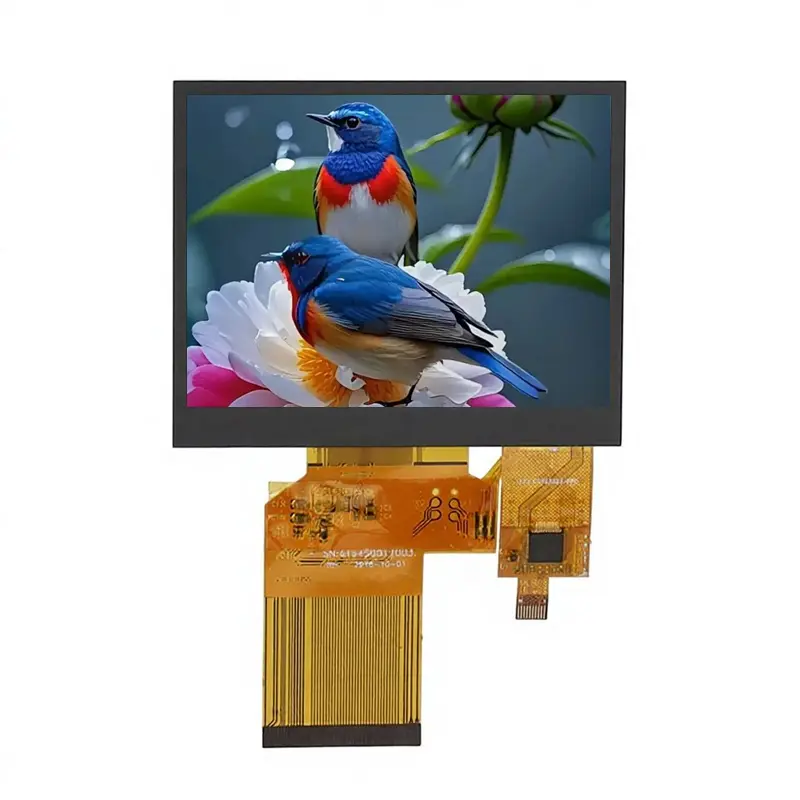
Capacitive HMI LCD Module 3.5 Inch GT911 I2C Touch Systems display
Model P/N
Size
Resolution
Brightness
Viewing Angle
Connector Type
Operating Temp
Overall(mm)
huisoar
HS035R06CE40-T023
Brand
Panel Size (inch)
Model P/N
Resolution
Brightness (nits)
Viewing Angle
Contrast Ratio
Response Time
Overall (mm)
Active Area (mm)
Refresh Rate
Display Colors
Panel Type
Connector Type
Operating Temp
Touchscreen Type
Storage Temp
Work Mode
Pixel Format
Input Voltage (V)
Touch Interface
Control Type
Touch Structure
Weight (g)
Designed For
3.5-Inch 320×240 TN TFT with RGB 54-Pin Display Input and 10-Pin I2C PCAP
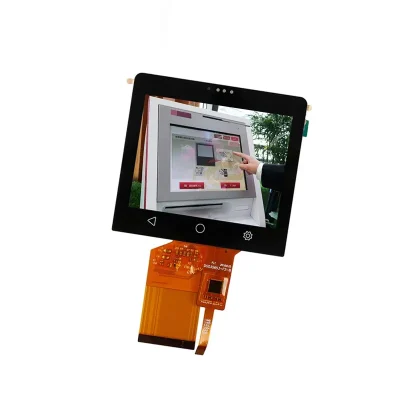
A Capacitive HMI LCD Module is a 3.5-inch 320×240 TN TFT display with GT911 projected capacitive touch for compact control panels, handheld devices, smart terminals, medical instruments, and embedded user interfaces. It combines a 400 cd/m² typical luminance, RGB 24-bit display input, 54-pin FPC, I2C 10-pin touch interface, 5-point touch support, G+G capacitive structure, and -20°C to +70°C operating range for interactive embedded systems.
At a Glance: 3.5-Inch GT911 PCAP TFT Highlights
- 3.5-inch display size supports compact HMI panels, handheld products, and embedded smart terminals.
- 320×240 resolution provides a practical QVGA layout for menus, prompts, icons, and status screens.
- GT911 projected capacitive touch supports responsive 5-point interaction.
- I2C / FPC 10-pin touch interface separates touch-control planning from display RGB routing.
- RGB/FPC 54-pin display interface supports embedded controller-board integration.
- 400 cd/m² typical luminance gives stronger indoor visibility than lower-brightness mini TFT panels.
- G+G touch structure, ≥85% transparency, and ≥6H surface hardness support a durable front interaction layer.
Product Overview of the Capacitive HMI LCD Module
The Capacitive HMI LCD Module is designed for compact embedded devices that need a small display and a modern touch experience in the same module stack. Its 3.5-inch size is suitable for control panels, smart home interfaces, medical instruments, handheld terminals, portable equipment, and industrial configuration screens where a larger display would increase enclosure size and system cost.
The 320×240 resolution is appropriate for focused interface layouts such as menu pages, alarm prompts, measurement values, numeric settings, and short operational messages. It gives product teams a simple QVGA canvas that is easier to drive than higher-resolution panels while still supporting practical touch-based interaction.
The module is especially useful when a project needs capacitive touch rather than resistive input. The GT911 controller, 5-point touch capability, I2C touch interface, and G+G structure make it a better fit for gesture-friendly control panels and smart terminals where users expect smoother touch response.
Key Features of the Capacitive HMI LCD Module
| Feature | B2B Value |
|---|---|
| 3.5-inch compact format | Fits small HMI housings, handheld terminals, and embedded control panels. |
| 320×240 QVGA resolution | Supports efficient interface screens without heavy graphics processing. |
| GT911 touch controller | Provides a defined PCAP control path for firmware and I2C integration. |
| 5-point capacitive touch | Supports more modern touch interaction than single-point input designs. |
| I2C / FPC 10-pin touch interface | Simplifies touch-controller connection and pinout planning. |
| RGB/FPC 54-pin display input | Supports direct display timing integration with embedded controller boards. |
| 400 cd/m² typical brightness | Improves readability for indoor terminals and bright equipment panels. |
| G+G touch structure | Supports a robust capacitive touch stack for equipment-facing designs. |
| ≥85% touch transparency | Helps preserve display clarity through the touch layer. |
| ≥6H surface hardness | Improves front-surface durability for repeated user interaction. |
Technical Specifications of the 3.5-Inch GT911 Touch TFT
| Specification | Confirmed Value |
|---|---|
| Display Size | 3.5 inch |
| Resolution | 320 × 240 / 320RGB × 240 |
| Display Mode | TN, normally white, transmissive TFT |
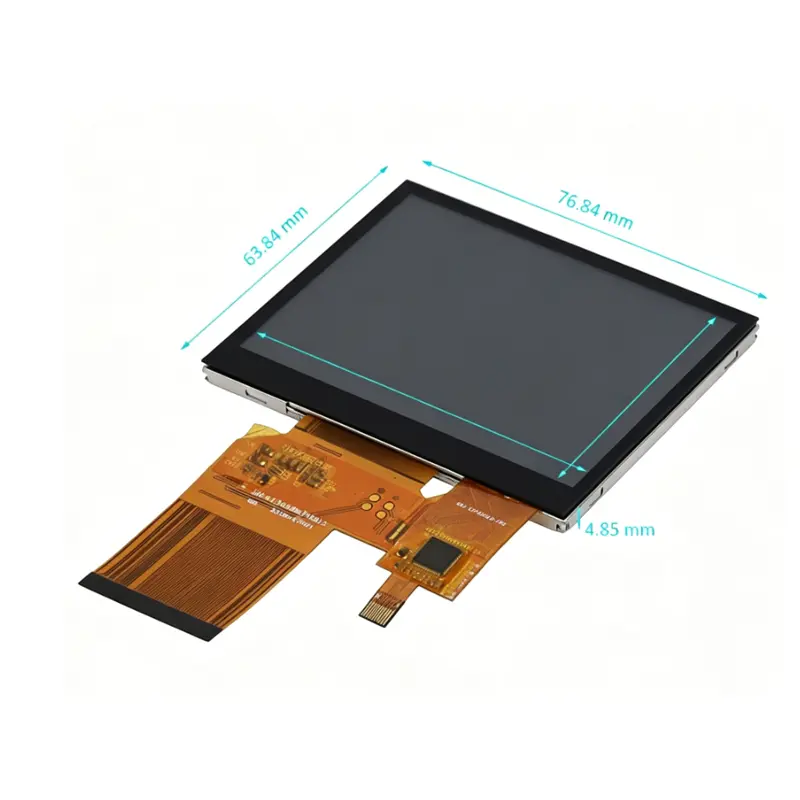
| Active Area | 70.08 × 52.56 mm |
| LCM + Touch Module Size | 76.9 × 63.9 × 3.15 mm; drawing confirmation recommended |
| Luminance | 400 cd/m² typical |
| Contrast Ratio | 300:1 typical |
| Viewing Angle | 50/70/70/70 typical |
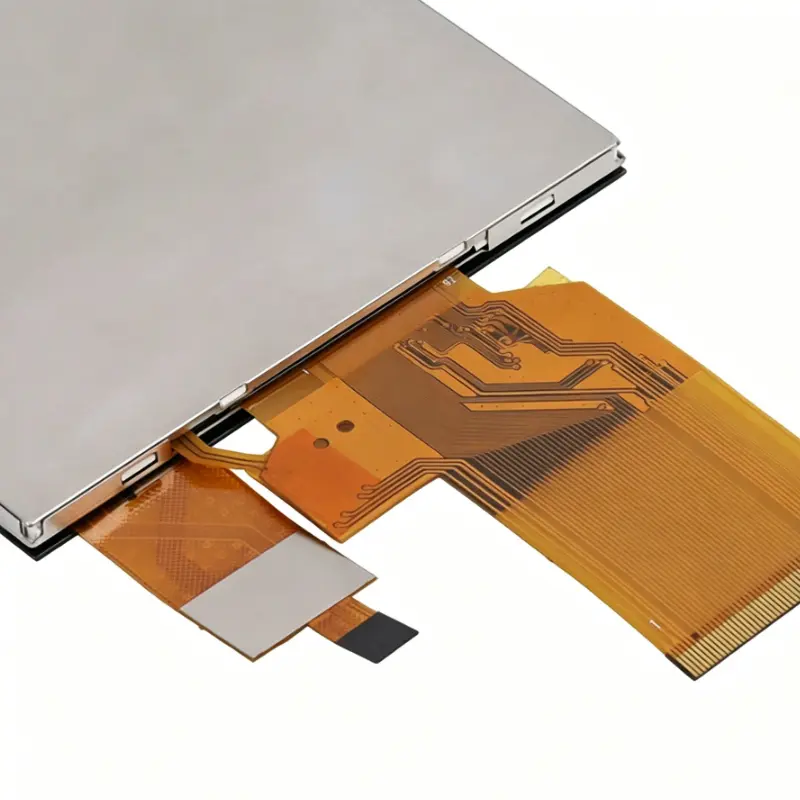
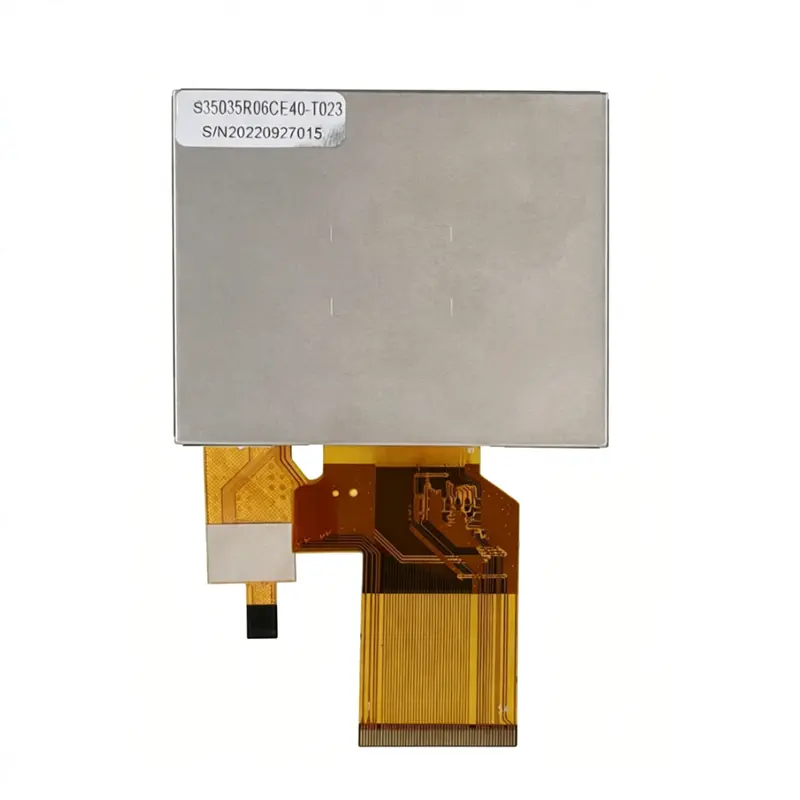
| Display Interface | RGB, FPC 54 pins |
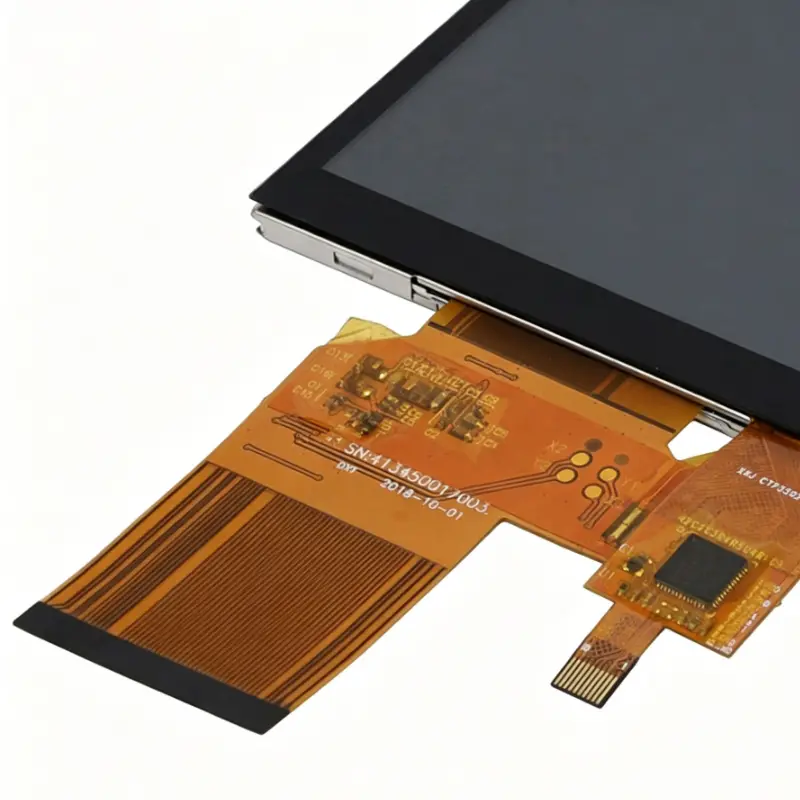
| Touch Interface | I2C, FPC 10 pins |
| Touch IC | GT911 |
| Touch Type | Projected capacitive touch screen |
| Operating Temperature | -20°C ~ +70°C |
This public specification table includes only confirmed high-value parameters. The outline/thickness data should be confirmed with the final 2D drawing because different source areas show different module thickness values.
Why Choose This 3.5-Inch PCAP Module for Embedded HMI?
GT911 Capacitive Touch for Modern Control Panels
GT911 capacitive touch is the main differentiation for this display. It allows product teams to build interfaces with a smoother touch feel than resistive-only control panels. For small HMI equipment, smart terminals, access-control devices, appliance panels, and medical instruments, this supports more familiar user interaction while keeping the screen size compact.
320×240 QVGA Layout for Simple Embedded UI
The 320×240 format works well for controlled interface design. It can show mode selection, numeric settings, status indicators, warning pages, simple menus, and touch buttons without requiring a high-end graphics processor. This makes the module practical for embedded products where BOM cost, firmware complexity, and enclosure space are all important.
RGB Display Input with Separate I2C Touch Control
A Capacitive HMI LCD Module with RGB display input and I2C touch control gives engineering teams two clear integration tracks. The RGB/FPC 54-pin side handles display timing, pixel data, and power planning, while the 10-pin I2C touch side handles GT911 control, interrupt/reset behavior, and touch-coordinate reporting.
400 cd/m² Display Performance and TN Viewing Checks
The 400 cd/m² typical luminance is suitable for many indoor HMI panels, smart device controls, medical equipment interfaces, and handheld terminals. It is not positioned as a sunlight-readable display, so outdoor or high-ambient-light projects should request brightness, cover-glass, and optical evaluation before final approval.
Because the panel uses TN normally white technology, viewing-angle validation is important. The listed 50/70/70/70 viewing-angle data should be compared with the final mounting position. A tabletop instrument, a handheld device, and a wall-mounted smart panel can all create different viewing conditions, so sample testing in the actual enclosure is recommended.
GT911 I2C Touch, RGB FPC, and Mechanical Integration
The late-middle engineering focus is the touch/display split. For a Capacitive HMI LCD Module, developers should confirm RGB timing, data-bit mapping, FPC 54-pin pinout, I2C address behavior, reset and interrupt lines, touch FPC orientation, and controller-board firmware support before PCB layout.
Mechanical design should begin with the 70.08 × 52.56 mm active area and the touch view area of 71.48 × 53.96 mm. Designers should confirm cover-lens dimensions, adhesive border, bezel opening, FPC bend radius, connector location, touch-panel stack thickness, and the final LCM + touch module size. If optical bonding is needed, it should be reviewed as a project option rather than assumed as standard.
Recommended Applications for Compact Interactive Devices
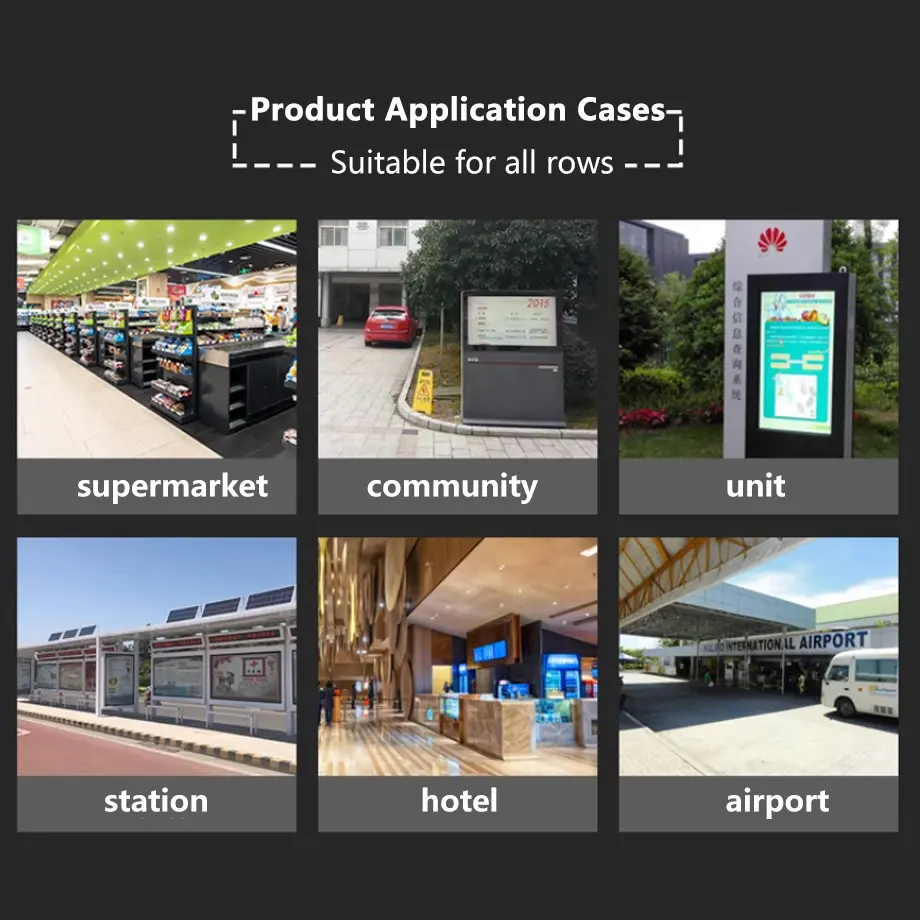
Smart Home Control Panels
Smart home devices can use this display for thermostat settings, lighting scenes, access control, appliance menus, and local status pages. The PCAP touch layer supports intuitive finger interaction for consumer-facing panels.
Industrial and Equipment HMI
Compact machines, controllers, and test equipment can use the module for setup screens, alarm pages, status data, and parameter adjustment. Engineers should validate TN viewing angle and touch behavior under the final enclosure conditions.
Medical and Wellness Instruments
Medical and wellness products can use the screen for mode selection, measurement display, warning prompts, and simple navigation. Final systems should confirm cleaning, touch sensitivity, cover glass, and regulatory requirements.
Handheld Terminals and Smart Devices
Portable devices can use the 3.5-inch size for menus, barcode workflow prompts, status information, and small command screens. The RGB and I2C separation helps hardware teams organize display and touch routing more clearly.
Customization Options for GT911 Capacitive Touch Projects
Project evaluation can include FPC and interface design, GT911 touch tuning, cover glass, bonding review, backlight type and brightness adjustment, touch-screen stack review, mechanical drawing adaptation, packaging, sample validation, and controller-board support. These options should be reviewed against quantity, enclosure design, target UI, required touch behavior, and operating environment.
Procurement and Engineering Checklist
- Confirm the 320×240 UI layout with real buttons, icons, text size, and touch zones.
- Verify RGB/FPC 54-pin display timing, data mapping, power rails, and connector direction.
- Confirm GT911 I2C touch interface, reset/interrupt pins, 10-pin FPC layout, and firmware support.
- Check active area, touch view area, cover lens, adhesive border, outline size, and module thickness.
- Decide whether standard PCAP stack, bonding, cover glass, or brightness customization is required.
- Validate 400 cd/m² luminance with the final cover lens and UI colors.
- Review TN viewing angle against handheld, wall-mounted, or tabletop use.
- Approve samples under actual touch, temperature, and enclosure conditions before bulk production.
FAQ
About Capacitive HMI LCD Module Integration
Is this Capacitive HMI LCD Module resistive or capacitive?
What display interface does the module use?
Does it support multi-touch?
What brightness level is listed?
Which applications are most suitable?
What should be confirmed before enclosure tooling?
Can the module be customized?
What is the typical lead time for custom display modules with specific interface requirements?
Lead time for custom display modules depends on factors such as interface customization, panel sourcing, and order quantity. However, exact lead times are
Is touch integration available (PCAP/resistive)? Which controller and interface (USB/I2C) are typical?
Yes, touch integration is available. The touch interface is I2C via a dedicated 10-pin FPC, separate from the display's RGB 54-pin FPC. This I2C interface is typical for embedded systems requiring low pin count and reliable touch performance. For other interface options, please confirm on request.
Do you offer displays with In-Cell touch technology that are suitable for automotive dashboards or industrial HMIs with high reliability?
This specific model does not feature In-Cell touch technology; it uses an external capacitive touch panel (PCAP) laminated to the TFT. For automotive dashboards or industrial HMIs requiring high reliability, we recommend evaluating this module's -20°C to +70°C operating range and 400 cd/m² brightness. If In-Cell touch is critical for your application, please discuss your reliability and environmental requirements with our engineering team to explore suitable options or custom developments.
Freya Yang
+86 18318948097