Freya Yang
+86 18318948097
+852 62667476
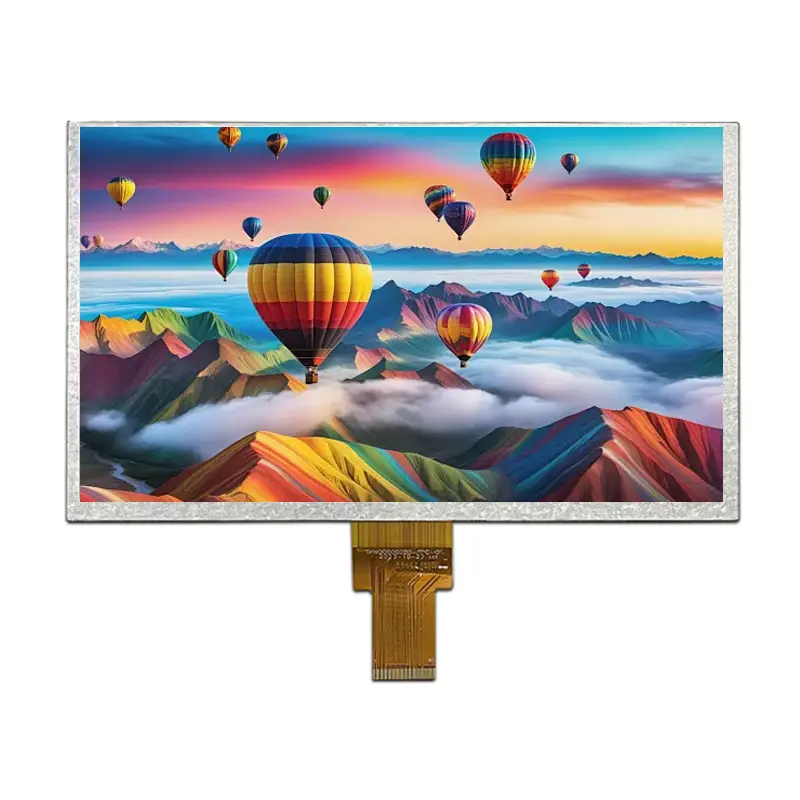
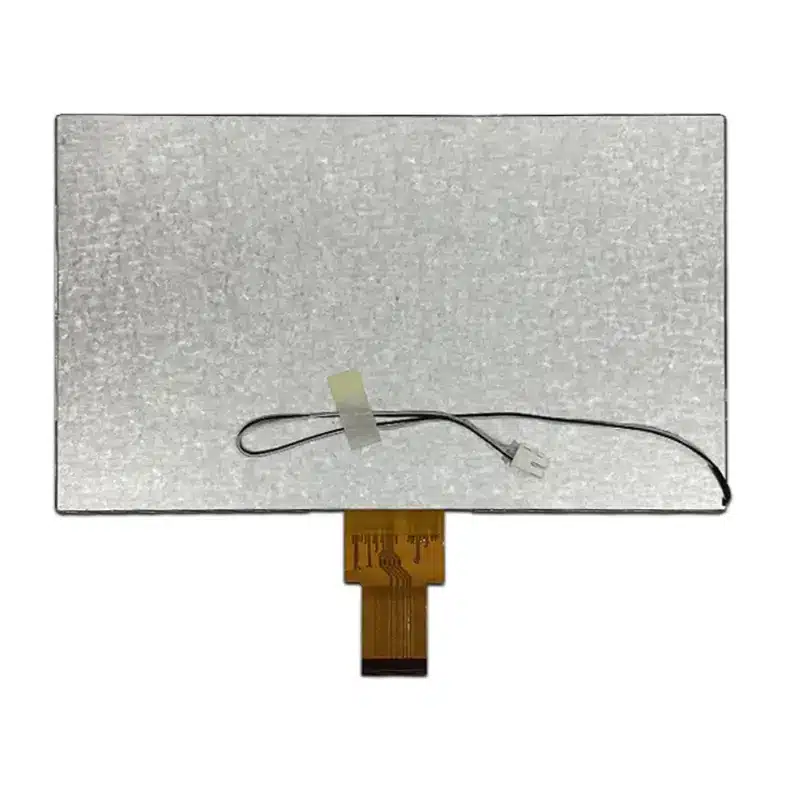
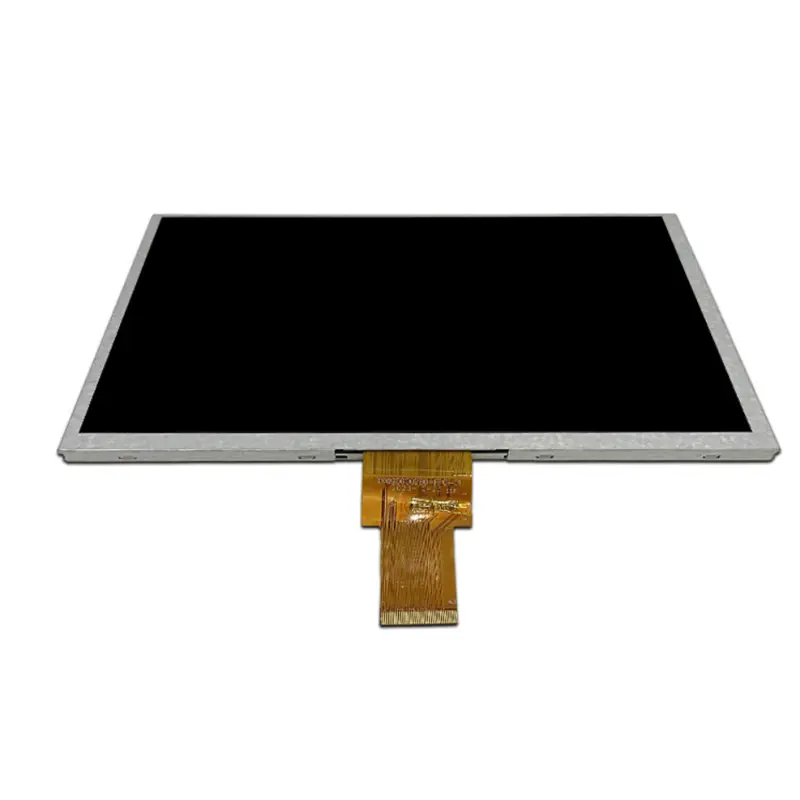
9 Inch LVDS Control Panel Display IPS TFT LCD module for Industrial Systems
Model P/N
Size
Resolution
Brightness
Viewing Angle
Connector Type
Operating Temp
Overall(mm)
huisoar
HS900002B0
Brand
Panel Size (inch)
Model P/N
Resolution
Brightness (nits)
Viewing Angle
Contrast Ratio
Response Time
Overall (mm)
Active Area (mm)
Refresh Rate
Display Colors
Panel Type
Connector Type
Operating Temp
Touchscreen Type
Storage Temp
Work Mode
Input Voltage (V)
Designed For
1024×600 High-Brightness IPS TFT LCD with 40-Pin LVDS and -30~80°C Operation
A 9 Inch LVDS Control Panel Display is a 1024×600 IPS TFT LCD module for industrial control panels, vehicle navigation screens, agricultural machinery displays, medical instruments, and embedded equipment interfaces. It combines 900 cd/m² typical brightness, 85-degree all-direction viewing, 800:1 typical contrast, 16.7M colors, WLED backlighting, a 40-pin LVDS signal interface, and -30 ~ 80 °C operating capability. For OEM projects that need a compact high-brightness display with stable panel-level integration, it provides a practical 9-inch visual platform.
At a Glance: 9-Inch High-Brightness LVDS Display Highlights
- 9-inch 1024×600 resolution supports industrial HMI graphics, navigation data, and equipment dashboards.
- 900 cd/m² typical brightness improves readability in bright workshops, outdoor-facing panels, and vehicle cabins.
- IPS hard-screen structure supports 85/85/85/85 viewing for shared operator and dashboard use.
- 40-pin LVDS signal interface gives embedded-system engineers a familiar high-speed display connection.
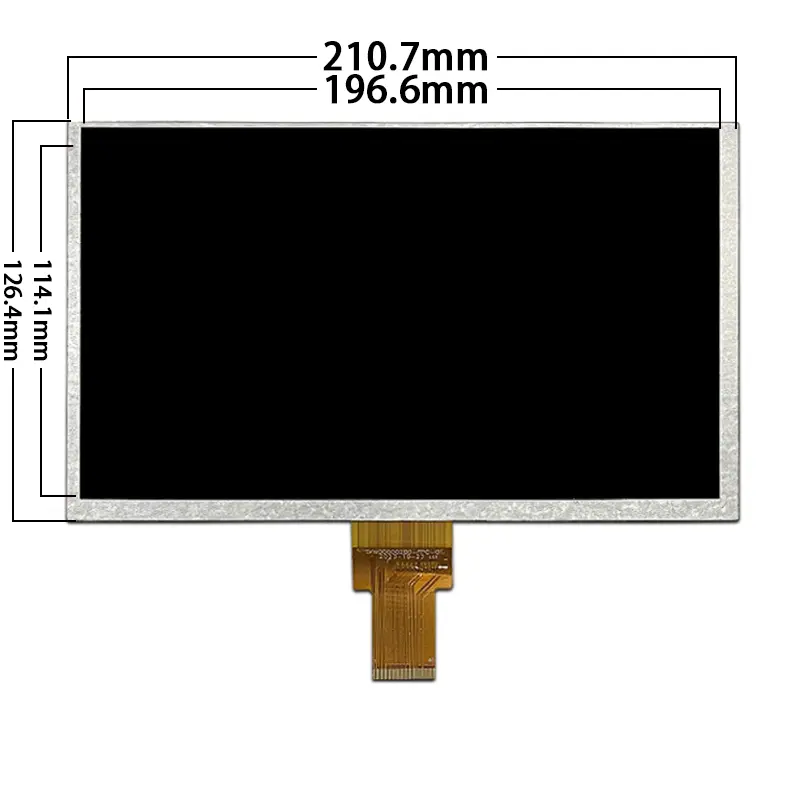
- 196.61 × 114.15 mm active area helps enclosure teams plan the visible window and UI layout.
- 210.7 × 126.4 × 5.0 mm structure supports compact integration in control panels and portable equipment.
- -30 ~ 80 °C operation supports demanding vehicle, agricultural, and industrial environments.
Product Overview of the 9 Inch LVDS Control Panel Display
The 9 Inch LVDS Control Panel Display is designed for systems where readability, size, and interface compatibility must be balanced. Its 1024×600 resolution provides enough pixel density for menus, icons, warning messages, navigation data, meter values, and graphical status panels without requiring the space of a larger display.
The display format is especially suitable for embedded control products. A 9-inch screen is large enough for dashboard-style content but still compact enough for agricultural machinery consoles, industrial handheld terminals, vehicle navigation units, medical instrument panels, and industrial all-in-one systems. The confirmed active area of 196.61 × 114.15 mm gives mechanical teams a clear starting point for lens, bezel, gasket, and front-window planning.
From an engineering perspective, the LVDS interface is a key selection factor. The module uses a 40-pin LVDS signal structure, which should be reviewed against the controller board, cable length, connector orientation, timing, and electromagnetic environment before production. Buyers should also confirm whether the standard no-touch configuration is sufficient or whether a separate touch panel or cover glass is required.
Key Features of the 9 Inch LVDS Control Panel Display
| Key Feature | B2B Value |
|---|---|
| 1024×600 resolution | Supports clear control-panel UI, navigation graphics, and instrument data presentation. |
| 900 cd/m² typical brightness | Helps maintain readability in high ambient light and outdoor-facing equipment. |
| IPS viewing | Keeps display content readable from side angles in vehicle and shared-control installations. |
| 85/85/85/85 viewing angle | Supports operators viewing the screen from left, right, upper, or lower positions. |
| 40-pin LVDS interface | Provides a stable panel-level integration route for embedded controller systems. |
| 800:1 typical contrast | Helps improve separation between menus, alarms, icons, and background graphics. |
| 16.7M colors | Supports richer interface graphics, warning colors, and navigation map elements. |
| -30 ~ 80 °C operation | Supports demanding industrial, vehicle, and agricultural equipment environments. |
| No-touch configuration | Allows integrators to choose button control, cover glass, or custom touch separately. |
Technical Specifications of the 1024×600 Industrial TFT LCD
| Specification | Value |
|---|---|
| Display Size | 9 inch |
| Resolution | 1024 × 600 |
| Panel Type | a-Si TFT-LCD |
| Display Family | IPS hard screen |
| Active Area | 196.61 × 114.15 mm |
| Outline Size | 210.7 × 126.4 × 5.0 mm |
| Brightness | 900 cd/m² typ. |
| Contrast Ratio | 800:1 typ. |
| Viewing Angle | 85/85/85/85 |
| Colors | 16.7M |
| Interface | LVDS |
| Signal Pins | 40 pins |
| Backlight | WLED |
| Touch | No touch |
| Operating Temperature | -30 ~ 80 °C |
| Storage Temperature | -30 ~ 80 °C |
These confirmed values define the main integration questions: UI layout, LVDS host matching, front-window size, cable routing, thermal design, touch or no-touch structure, and environmental validation. Unknown values are not included in the public table.
Why Choose a 1024×600 LVDS Display for Industrial Control Panels?
A 1024×600 LVDS display is a strong fit for embedded equipment that needs a widescreen interface without moving to a large monitor-class panel. It gives developers enough space for data, icons, status bars, and navigation content while keeping the enclosure manageable.
1024×600 Layout for HMI and Navigation Interfaces
The 1024×600 format works well for dashboards, agricultural machinery controls, vehicle navigation pages, instrument menus, and industrial all-in-one interfaces. Designers can divide the screen into status, control, warning, and data areas without overwhelming the user.
196.61 × 114.15 mm Active Area for Enclosure Fit
The active area should be checked against the visible window, front lens, gasket, screw boss position, and casing depth. The overall size of 210.7 × 126.4 × 5.0 mm is useful for early mechanical evaluation, but final tooling should be based on confirmed drawings.
No-Touch Structure for Flexible System Design
The confirmed configuration is no touch. This is useful for systems controlled by buttons, knobs, external keypads, or remote controllers. If touch is needed, the touch stack, cover glass, bonding method, controller, and mechanical tolerance should be evaluated separately.
Display Performance for Bright Industrial and Vehicle Environments
The display is built around practical readability. A 900 cd/m² typical brightness level is higher than many standard indoor LCD modules and helps equipment remain usable in bright cabins, workshops, outdoor-adjacent panels, and agricultural machinery.
900 cd/m² Brightness for High Ambient Light
Brightness should be validated with the actual cover lens, enclosure angle, UI color scheme, and ambient lighting. For direct sunlight or outdoor use, brightness alone is not enough; reflection control, cover glass, heat rise, and mounting position must also be checked.
IPS Viewing for Operator Flexibility
Industrial screens are often viewed from different standing or seated positions. The 85-degree all-direction viewing angle helps operators read alarms, gauges, and navigation information when the display is mounted in a dashboard, machine console, or shared control station.
800:1 Contrast and 16.7M Colors
The 800:1 typical contrast ratio and 16.7M colors support clear interface hierarchy. UI designers can use color-coded alarms, icons, trend lines, and map elements while keeping information readable in a 9-inch format.
LVDS 40-Pin Integration and Mechanical Planning
A 9 Inch LVDS Control Panel Display should be validated as an embedded component, not as a standalone monitor. The 40-pin LVDS interface, WLED backlight, no-touch structure, and slim 5.0 mm thickness all affect the final electrical and mechanical design.
40-Pin LVDS Host Matching
Before PCB approval, engineers should confirm the 40-pin assignment, LVDS mapping, timing, cable length, connector position, and power sequence. This helps reduce the risk of display noise, unstable image output, color errors, or integration delays during sample testing.
WLED Backlight and Thermal Review
The module uses a WLED backlight. For high-brightness operation, teams should review backlight driving, dimming method, heat path, continuous-duty conditions, and enclosure ventilation. Thermal validation is especially important for sealed control panels and vehicle dashboards.
210.7 × 126.4 × 5.0 mm Structure
The slim structure supports compact equipment design, but engineers should still verify bracket pressure, back-cover clearance, cable bend radius, vibration conditions, and front protection. If the display is used in mobile equipment, mounting support and shock exposure should be evaluated at system level.
Recommended Applications for Industrial and Vehicle Display Projects
The display is suitable for equipment that needs high brightness, stable LVDS signaling, and wide-temperature operation.
Agricultural Machinery Control Displays
Agricultural machines need screens that can remain readable in outdoor light and changing temperature conditions. The 900 cd/m² brightness, IPS viewing, and -30 ~ 80 °C operation support control panels, machine status displays, and guidance screens.
Vehicle Navigation and Dashboard Displays
Vehicle systems can use the display for navigation, fleet terminals, camera interfaces, and driver information panels. The 9-inch size provides a practical balance between readable UI and dashboard space.
Industrial Equipment and Automation HMIs
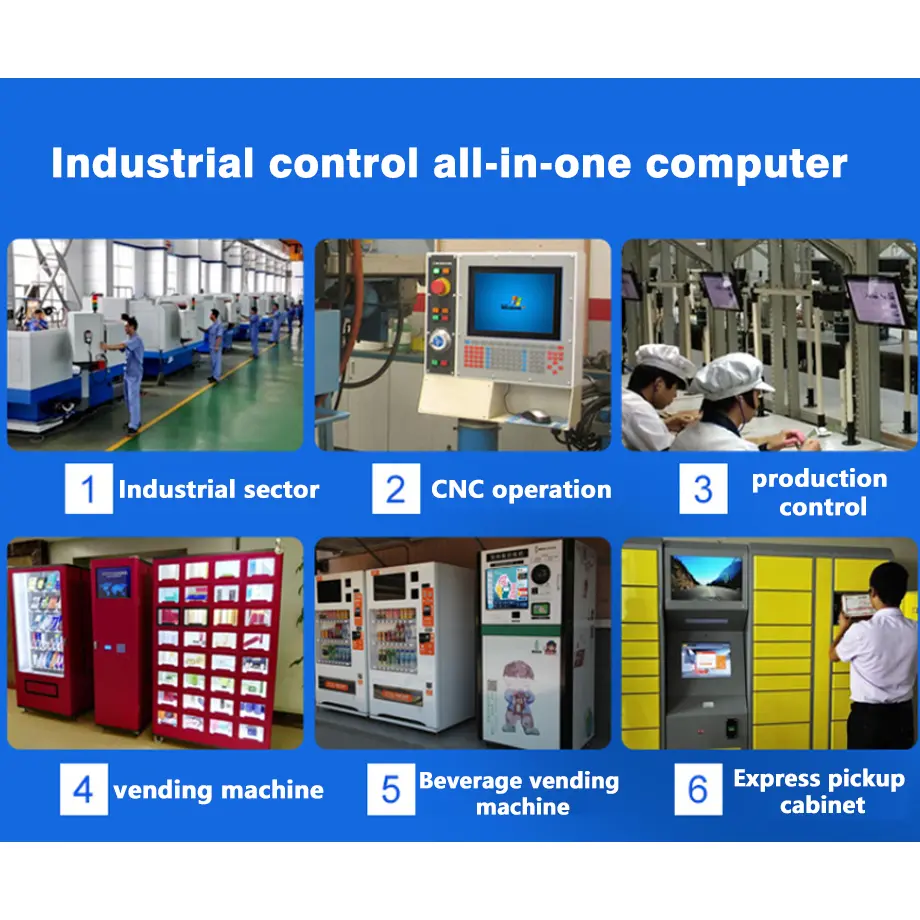
Industrial machinery, factory equipment, and automation controllers can use the display for menu navigation, process monitoring, alarms, and operating status. LVDS integration supports embedded controller architectures.
Medical Instrument and Portable Device Panels
Medical and diagnostic equipment can use the display for readings, interface prompts, and compact status visualization. The final system should validate cover material, cleaning needs, touch requirements, and viewing distance.
Customization Options for 9-Inch LVDS Display Projects
Project evaluation can include cover glass, touch add-on assessment, anti-glare or AR surface review, enclosure fit, LVDS cable and controller matching, backlight control, FPC or connector review, mounting structure, packaging, and sample-based customization. Any waterproofing, certification, or impact resistance should be validated at finished-system level.
Procurement and Engineering Checklist for 9-Inch TFT LCD Selection
- Confirm 1024×600 UI layout, icon size, font size, and viewing distance.
- Check LVDS 40-pin mapping, timing, connector orientation, and cable length.
- Validate 900 cd/m² brightness under the final cover lens and ambient light.
- Review active area, outline size, front window, gasket, and enclosure depth.
- Confirm no-touch configuration or define touch/cover glass requirements.
- Validate -30 ~ 80 °C operation against the real installation environment.
- Review WLED backlight drive, dimming method, and thermal path.
- Request sample testing before tooling or volume procurement.
FAQ
About 9 Inch LVDS Control Panel Display
Is this display suitable for industrial HMI systems?
What interface does the display use?
How bright is the display?
Can it be used in vehicle navigation systems?
What mechanical values matter most?
What temperature range is confirmed?
What should buyers send for a quotation?
Freya Yang
+86 18318948097