
~
~
~
~
~
~
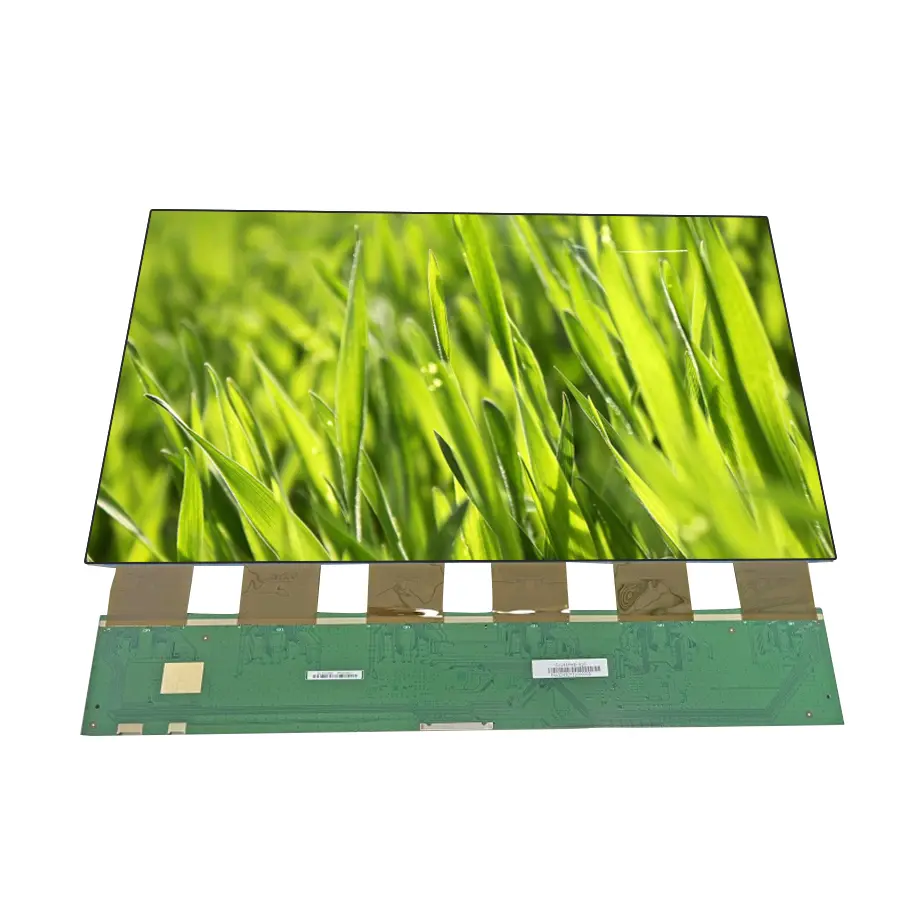
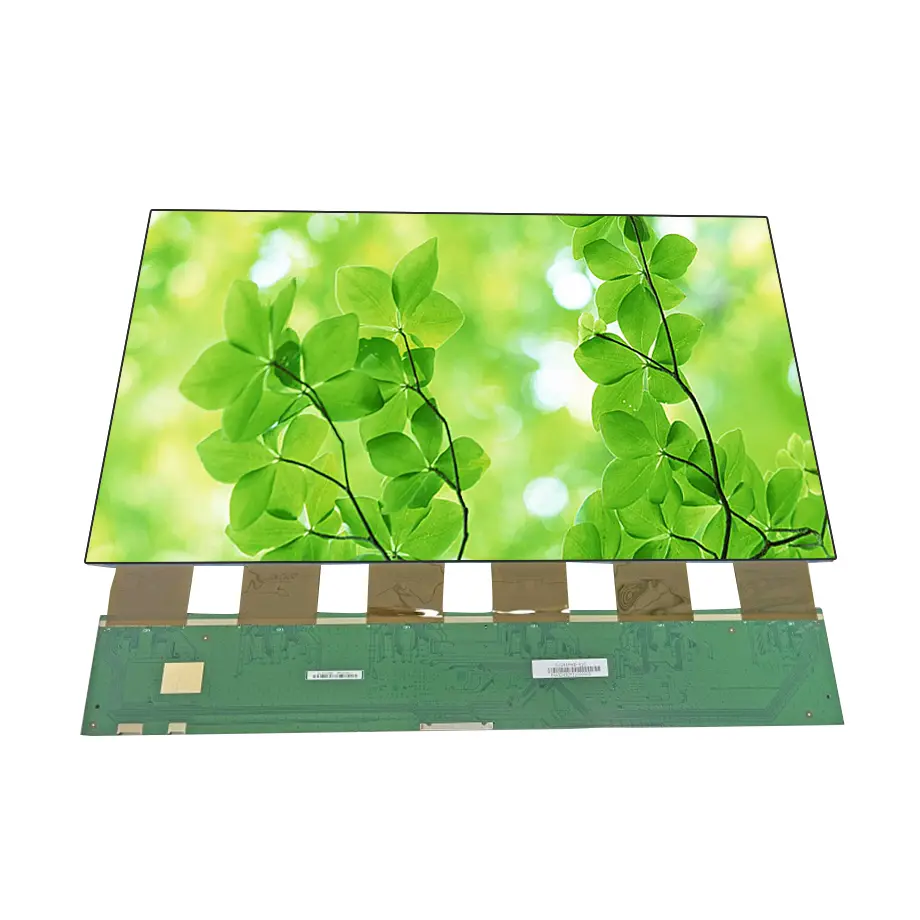
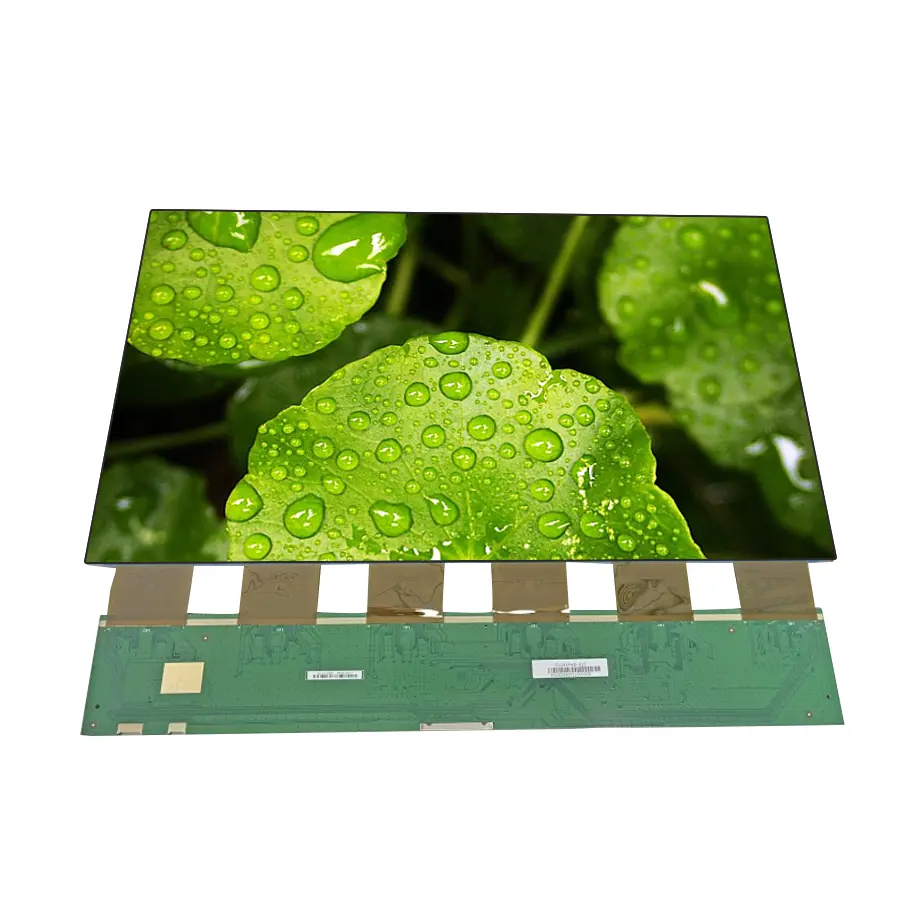
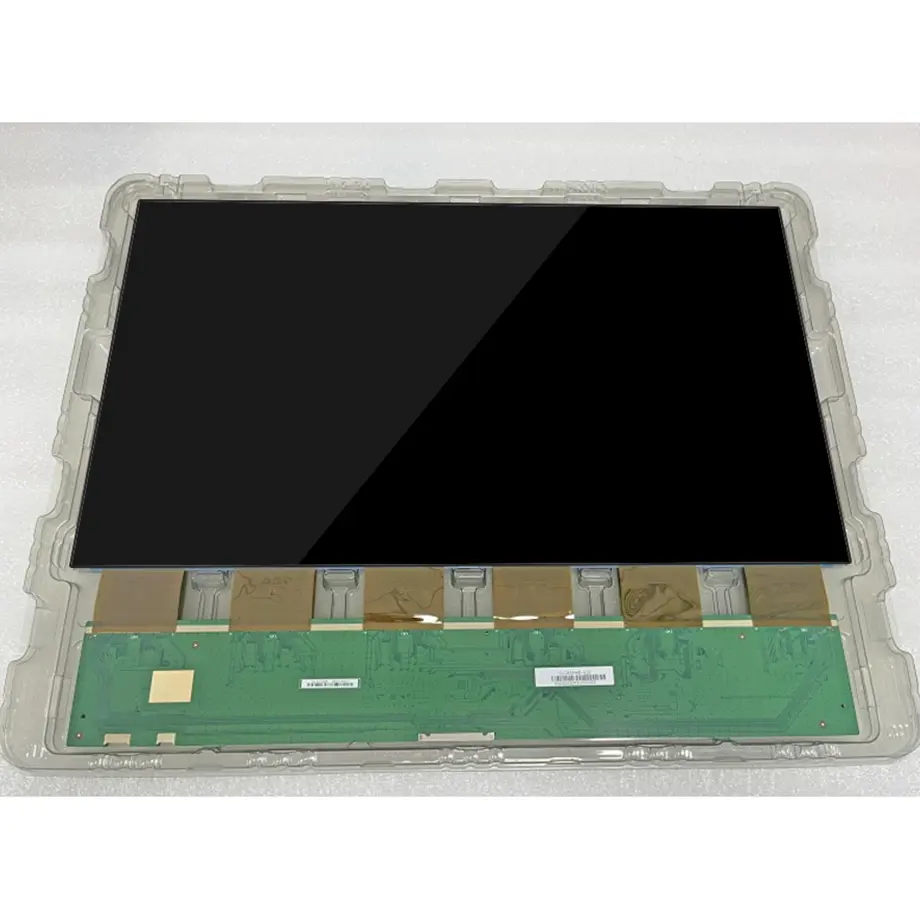
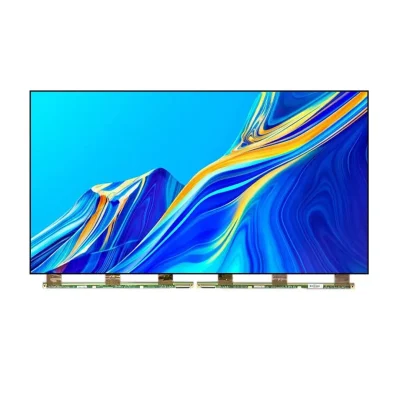
QV185WHB-N10 HADS LCD Cell 18.5 Inch Monitor BOE
Model P/N
Size
Resolution
Brightness
Viewing Angle
Connector Type
Operating Temp
Overall(mm)
boe
QV185WHB-N10
Brand
Panel Size (inch)
Model P/N
Resolution
Viewing Angle
Contrast Ratio
Response Time
Overall (mm)
Active Area (mm)
Refresh Rate
Display Colors
Panel Type
Connector Type
Surface Treatment
Operating Temp
Touchscreen Type
Storage Temp
Work Mode
Pixel Format
Input Voltage (V)
Weight (g)
Designed For
Product Details
Product Overview
The QV185WHB-N10 HADS LCD Cell is a BOE a-Si TFT-LCD CELL intended for monitor integration rather than use as a finished display. Its native image format is 1366(RGB)×768 WXGA in a 16:9 aspect ratio, with a 409.8 × 230.4 mm active area inside a 422.2 × 244.1 × 1.32 mm cell outline. The product is specified without a backlight and without touch, so an OEM design must provide the optical illumination, mechanical support, control electronics and any protective front stack required by the final equipment.
For an engineering or procurement team, the important distinction is that this is a bare CELL with a defined panel-side interface. The native electrical connection is LVDS, 2 channels, 8-bit, through a 30-pin connector, with a 5.0 V typical supply. A controller board with HDMI or another external input is a separate system component. Its output timing, connector mapping and electrical implementation must be matched to this BOE cell before a sample can be treated as compatible.
Three Core Buyer Value Propositions
Mechanical screening before a sample is ordered
The 409.8 × 230.4 mm active area and 422.2 × 244.1 × 1.32 mm physical size let enclosure engineers compare the visible opening and the cell envelope separately. That can eliminate obviously unsuitable replacements before tooling or sample cost is committed. The boundary is equally important: cell dimensions alone do not establish mounting, polarizer protection, cable routing or finished-module thickness, because this product is not a complete backlit LCM.
A defined LVDS route for electronics integration
The 2-channel, 8-bit LVDS interface and 30-pin connector give the controller team a concrete panel-side architecture to verify. LVDS is a differential signaling method; Analog Devices describes LVDS as a high-speed point-to-point interface with low voltage swing and noise-immunity advantages (Analog Devices LVDS implementation guide). That general interface context does not prove a particular controller is compatible with QV185WHB-N10; the exact timing and pin assignment still require the model documentation.
Optical-cell data that supports a separate backlight decision
The cell has HADS normally-black transmissive operation, a 1000:1 typical contrast ratio, 6.0% typical transmittance with polarizer, 16.7M colors at 72% NTSC and 89/89/89/89 typical viewing-angle values at CR≥10. Luminance is listed as 0 cd/m² because the CELL has no backlight. The buyer therefore gets useful optical information for selecting an illumination architecture, but no finished-system brightness should be inferred until a specific backlight and optical stack have been qualified.
Key Specifications at a Glance
| Parameter | Specification |
|---|---|
| Manufacturer / model | BOE QV185WHB-N10 |
| Product type | a-Si TFT-LCD CELL, without backlight |
| Display size | 18.5 inch |
| Resolution | 1366(RGB)×768, WXGA, 16:9 |
| Active area | 409.8 × 230.4 mm |
| Physical size | 422.2 × 244.1 × 1.32 mm |
| Weight | 315 g |
| Contrast / transmittance | 1000:1 typical / 6.0% typical with polarizer |
| Viewing-angle values | 89/89/89/89 typical at CR≥10; symmetric view |
| Response time | 14 ms typical gray-to-gray |
| Native interface | LVDS, 2 channels, 8-bit, 30-pin connector |
| Panel supply | 5.0 V typical |
| Refresh rate | 60 Hz |
| Surface | Antiglare, 25% haze, 3H hard coating |
| Temperature | Operating 0 to 50 °C; storage -20 to 60 °C |
What Does “CELL” Mean for QV185WHB-N10 Integration?
A CELL is not the same deliverable as a complete LCD module. The QV185WHB-N10 HADS LCD Cell contains the TFT-LCD cell and polarizer-related optical structure, but the supplied parameters explicitly list no backlight. That means the integrator must define how light is generated, distributed and mechanically coupled to the cell. A replacement project should therefore compare not only the model and diagonal but also whether the existing equipment expects a bare cell, a backlight assembly or a complete LCM.
Backlight architecture changes the finished optical result
Texas Instruments' display backlighting introduction explains the role of LED drivers and backlight components in an LCD system. For this BOE CELL, the source data does not specify LED strings, optical films, light-guide design, driver voltage, current or dimming method. Those values must not be invented from the 0 cd/m² luminance entry. Instead, the backlight should be treated as a separate engineering subsystem whose thermal, electrical and optical performance must be qualified with the cell.
The 6.0% typical transmittance with polarizer is useful in that design because it describes how much of the incident light passes through the cell under the stated measurement basis. It still does not translate directly into a target nit level. Finished luminance depends on the backlight output, optical losses, film stack, polarization, uniformity, drive condition and measurement setup. A procurement comparison that lists only “18.5 inch WXGA” misses this dependency.
How Should the 30-Pin LVDS Interface Be Checked?
Start with the panel-side interface definition rather than the external connector on a monitor controller. QV185WHB-N10 specifies LVDS with two channels and 8-bit data on a 30-pin connector. A controller that accepts HDMI may be suitable only if its panel output produces the required LVDS timing and pin mapping. HDMI capability by itself is not evidence of native compatibility.
Verify timing, connector mapping and electrical boundaries together
Before layout or cable procurement, obtain the current pin assignment and timing specification for the exact model revision. Compare pixel clock, data mapping, synchronization requirements, LVDS pair arrangement, connector pitch and mating orientation. Texas Instruments notes that LCD LVDS designs are tied to display resolution and required clock frequency (TI LVDS display timing guidance), which is why “LVDS” alone is too broad for a compatibility decision.
The 5.0 V typical value in the supplied data is the panel/cell power-supply fact for this product. It must not be replaced by the input requirement of a separate scaler board. If the final monitor electronics use another system voltage, the power architecture must generate the required panel rail and any backlight rails independently. Confirm tolerances, sequencing and current demand from the model documentation before fixing regulator ratings.
Why Do HADS, Contrast and Viewing Data Matter?
The QV185WHB-N10 uses HADS, normally-black, transmissive operation. Its typical contrast ratio is 1000:1, with 89/89/89/89 viewing-angle values at CR≥10 and a symmetric viewing designation. These parameters help define the cell's optical behavior before a backlight or front cover is added. They are useful for desktop-monitor projects that need wide off-axis viewing, but they are not a promise that every completed backlight assembly will deliver identical contrast or viewing performance.
The listed color capability is 16.7 million colors with 72% NTSC coverage, and the pixel structure is RGB vertical stripe. The 14 ms typical gray-to-gray response time and 60 Hz frame rate provide additional motion-related input for a monitor design. Response time and refresh rate are separate specifications: a transition-time number should not be converted into a different refresh rate, and the supplied 60 Hz value should be retained as the confirmed frame-rate fact.
Surface treatment belongs in the full front-stack review
The front surface is antiglare with 25% haze and 3H hard coating. That can reduce specular reflection from the cell surface, but it does not prove the performance of a finished monitor behind additional cover material. If the project adds protective glass, decorative film, touch or another optical layer, test glare, clarity, moiré, contrast and mechanical clearance with that final stack. No touch function is included in the standard cell.
Can QV185WHB-N10 Be Used as a Drop-In Monitor Replacement?
It can be evaluated for desktop-monitor integration, but a drop-in replacement should never be approved from diagonal size and resolution alone. The QV185WHB-N10 HADS LCD Cell has a 422.2 × 244.1 × 1.32 mm cell outline, a 409.8 × 230.4 mm active area, a 30-pin 2-channel LVDS interface and a 5.0 V typical supply. Those facts must match the target assembly's optical, mechanical and electrical architecture.
A cell-level replacement also requires checking how the existing backlight holds and illuminates the glass. Compare cell thickness, edge clearances, polarizer orientation, light-guide contact conditions and any clips or tapes that could stress the glass. The listed 315 g mass should be treated as a cell value, not the weight of a completed display module. If the old part is a full LCM, its backlight housing and frame can make the mechanical problem fundamentally different.
For service or redesign work, document the original panel suffix, cable, controller, backlight assembly and enclosure before selecting the sample. A successful image-on test is only the first step. Run the intended image content, operating temperature, warm-up cycle and viewing positions long enough to identify uniformity, timing or mechanical issues that are not obvious during a short bench test.
What Environmental Limits Should the Equipment Team Use?
The specified operating range is 0 to 50 °C and the storage range is -20 to 60 °C. These are product limits for the cell, not a certification for a finished monitor or any automotive, medical, rail or outdoor class. System designers should measure the actual temperature around the cell and backlight after the enclosure reaches thermal steady state. A backlight, controller and power supply can raise the local temperature significantly above room ambient.
Because the cell is intended for a desktop-monitor application, the confirmed use case is controlled indoor equipment rather than a harsh-environment qualification. A project that requires operation below 0 °C, above 50 °C, high vibration, water ingress resistance or sunlight readability needs separate evidence and should not infer those capabilities from the general product family or from similar models.
Procurement Checklist for QV185WHB-N10
- Specify BOE QV185WHB-N10 and confirm the offered suffix/revision before approving a substitute.
- Request the current pin assignment, timing table and cell mechanical drawing.
- Verify 1366×768 at 60 Hz through the required 2-channel, 8-bit LVDS mapping.
- Confirm the 30-pin connector, mating orientation and cable construction.
- Keep the 5.0 V cell supply separate from controller-board and backlight power requirements.
- Define the backlight architecture, target luminance, LED driver, dimming method and thermal limit as separate system requirements.
- Check the 409.8 × 230.4 mm active area against the visible opening and the 422.2 × 244.1 × 1.32 mm cell size against the optical/mechanical stack.
- Qualify antiglare appearance, wide-view behavior and color performance through the final front stack.
- Confirm current production, actual available quantity and any change/EOL information with the supply channel before volume commitment.
The QV185WHB-N10 HADS LCD Cell is best treated as a defined BOE optical and electrical cell platform for an OEM monitor assembly, not as a self-contained display. Its WXGA format, HADS normally-black operation and LVDS interface are useful selection anchors, while the backlight, controller, enclosure and any touch or cover system remain project-level integration responsibilities. A sample should be approved only after those boundaries are checked together.
Recommended: Same Size
(18.5")
Applications & Value of LCD Panel

- Fast sourcing with in-stock panels & cross-reference alternatives
- Stable supply chain with long-term availability
- Engineering-level support from panel to integration
- Custom solutions: cable, touch & optical bonding
- Strict quality control with IQC / OQC / aging test
- Full traceability system for quality assurance
- Complete technical documentation & drawings
- Compliance support: RoHS & certification files
