
~
~
~
~
~
~
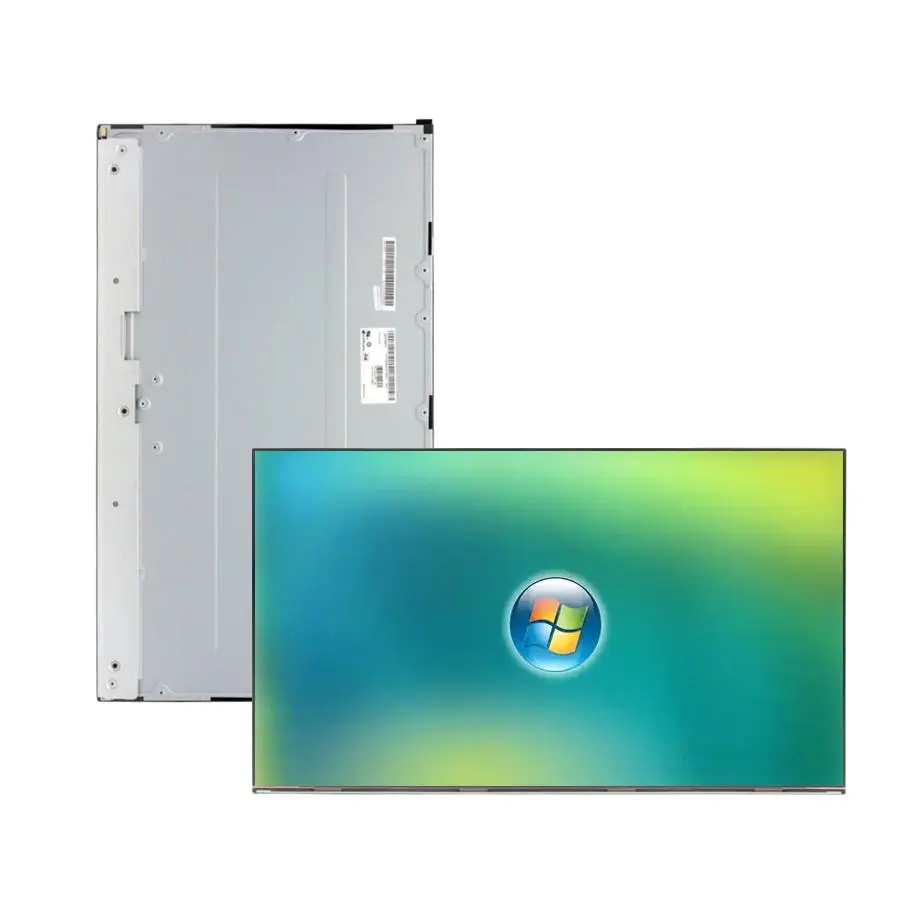
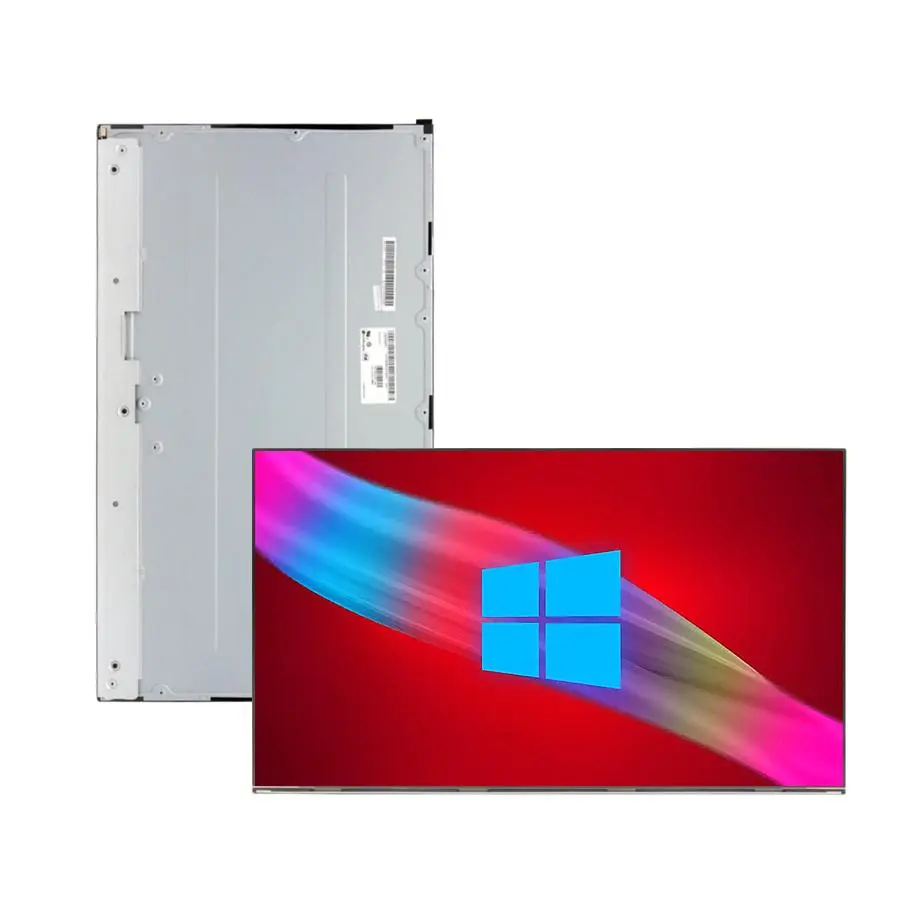
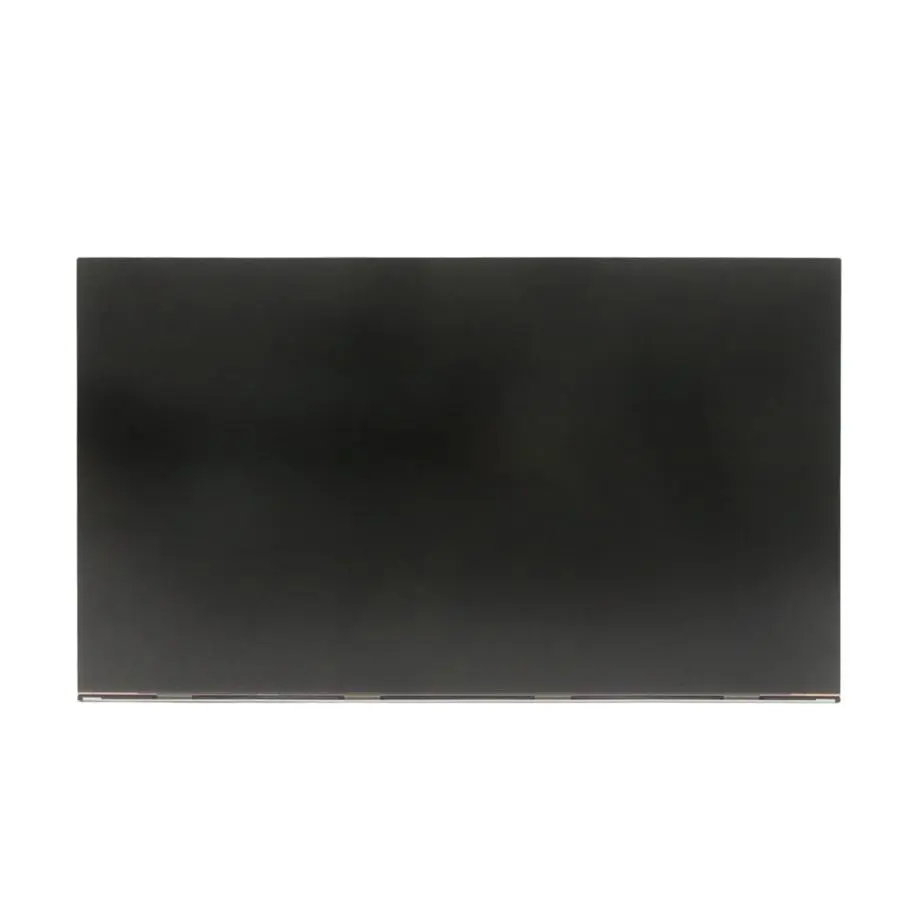
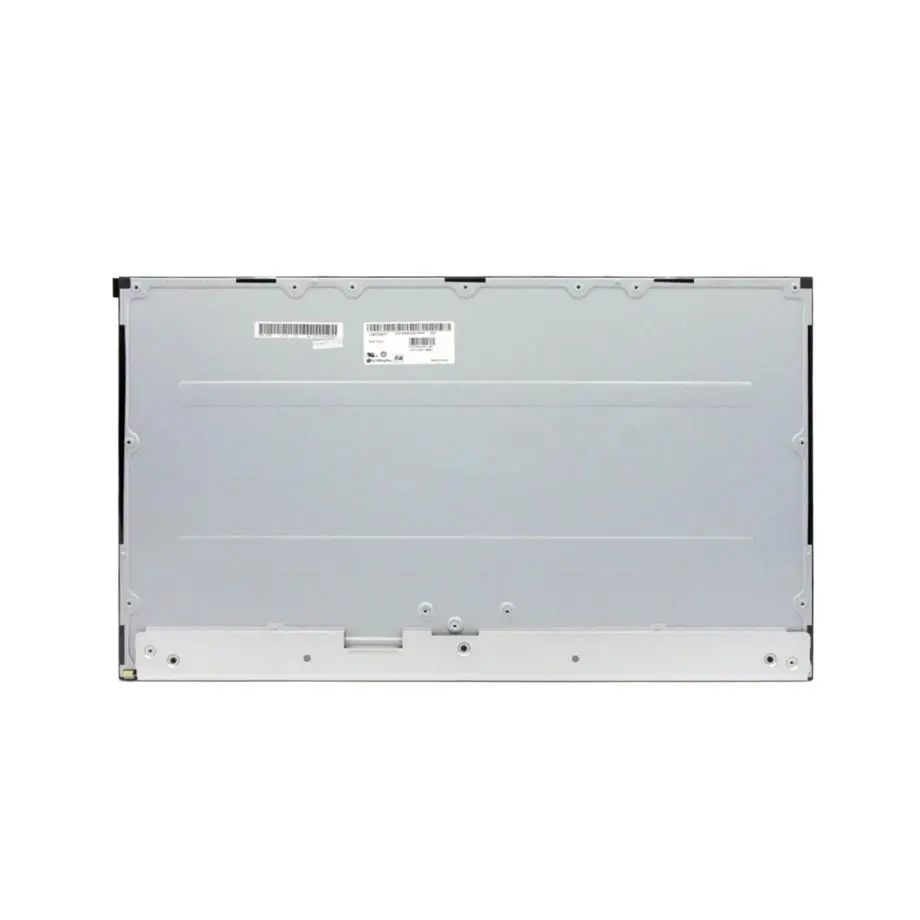
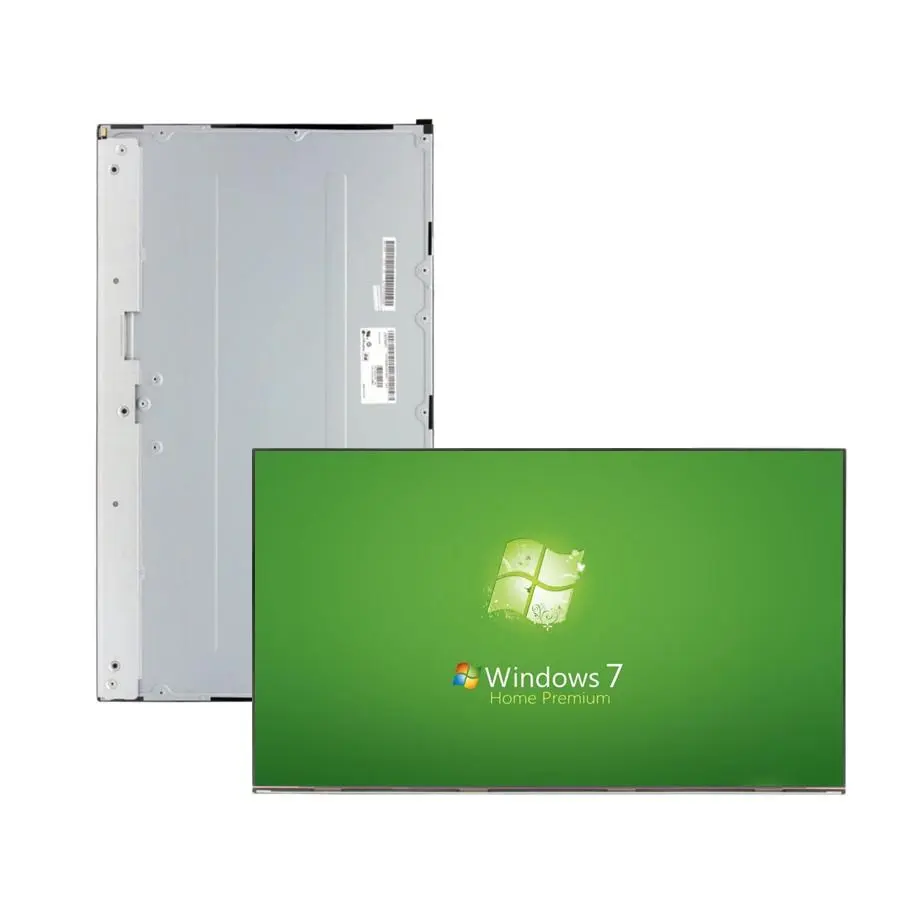
LM270WF7-SSH1 100Hz LVDS IPS Panel 27 Inch LG Display
Model P/N
Size
Resolution
Brightness
Viewing Angle
Connector Type
Operating Temp
Overall(mm)
lg-display
LM270WF7-SSH1
Brand
Panel Size (inch)
Model P/N
Resolution
Brightness (nits)
Viewing Angle
Contrast Ratio
Response Time
Overall (mm)
Active Area (mm)
Refresh Rate
Display Colors
Panel Type
Connector Type
Surface Treatment
Operating Temp
Touchscreen Type
Storage Temp
Work Mode
Pixel Format
Input Voltage (V)
Weight (g)
Designed For
Product Details
Product Overview
The LM270WF7-SSH1 100Hz LVDS IPS Panel is a 27.0-inch LG Display a-Si TFT-LCD module for desktop-monitor integration. It combines a native 1920(RGB)×1080 Full HD image format with IPS normally-black transmissive operation, 250 cd/m² typical luminance, a 1300:1 typical contrast ratio and 100 Hz refresh. The module includes a 17S4P WLED backlight but does not include the backlight driver, and it is supplied without a touch screen.
For replacement and new monitor programs, the product should be evaluated as an internal display module rather than a finished monitor. Its panel-side interface is 2-channel, 8-bit LVDS on a 30-pin connector with a 5.0 V typical input. The controller, backlight driver, power architecture, enclosure and external video inputs remain system-level responsibilities. This distinction matters because an HDMI-equipped controller is useful only when its panel output matches the exact LVDS timing and connector assignment required by the module.
Three Core Buyer Value Propositions
A 100 Hz Full HD panel path for monitor designs
The native 1920×1080 format and 100 Hz refresh rate give monitor engineers a defined image and timing target for a 27-inch platform. That supports evaluation for smoother desktop motion than a 60 Hz design when the controller and host can sustain the required panel timing. The boundary is that 100 Hz is a panel refresh specification, not proof that every scaler, cable or source will operate at that rate; the complete signal path must be qualified.
Wide-view IPS optics with a measurable color target
The module is specified as IPS, normally black and transmissive, with 89/89/89/89 typical viewing-angle values at CR≥10, 16.7 million colors and 99% sRGB. Those facts provide a concrete optical baseline for office and general monitor applications. They do not establish professional color-reference performance, calibration accuracy or identical results after cover materials are added, so final color and viewing behavior should be checked in the assembled monitor.
Replacement screening from exact mechanical and backlight data
The 597.888 × 336.312 mm display area, 607.1 × 354.1 × 13.2 mm outline and 3.12 kg typical panel weight allow a service or OEM team to screen visible-area fit, cabinet depth and structural load before a sample order. The 17S4P WLED architecture and “without driver” status also flag an electrical dependency that can block an otherwise similar mechanical replacement. Drawing-level mounting details and backlight electrical limits still require model documentation.
Key Specifications at a Glance
| Parameter | Specification |
|---|---|
| Manufacturer / model | LG Display LM270WF7-SSH1 |
| Size / resolution | 27.0 inch; 1920(RGB)×1080 FHD, 16:9 |
| Display area / outline | 597.888 × 336.312 mm / 607.1 × 354.1 × 13.2 mm |
| Weight | 3.12 kg typical / 3.28 kg maximum |
| Optics | 250 cd/m² typical; 1300:1 typical contrast; IPS normally black |
| Color / viewing | 16.7M colors, 99% sRGB, Low Blue Light; 89/89/89/89 typical at CR≥10 |
| Response / refresh | 14 ms typical G-to-G / 100 Hz |
| Native interface | LVDS, 2 channels, 8-bit, 30-pin connector |
| Panel input | 5.0 V typical |
| Backlight | 17S4P WLED, 30,000-hour reference, without driver |
| Power consumption | 10.95 W typical at 60 Hz |
| Surface | Antiglare, 25% haze, 3H hard coating |
| Temperature | Operating 0 to 50 °C; storage -20 to 60 °C |
What Does 100 Hz Change in a Replacement Project?
A higher refresh target affects more than the marketing label on a finished monitor. The controller must generate the correct pixel clock and panel timing, the LVDS link must carry the required data reliably, and firmware must expose a mode that the host can use. The LM270WF7-SSH1 100Hz LVDS IPS Panel therefore needs to be qualified at its intended 100 Hz operating condition rather than assumed compatible because another 27-inch panel shares the same 1920×1080 resolution.
Current LG monitor pages use “27-inch Full HD IPS” and “100Hz refresh rate” as familiar buyer language for complete monitors, which supports the relevance of those terms for search intent (LG 27-inch FHD IPS 100 Hz monitor context). That finished monitor is not specification evidence for this bare module. The useful lesson is the vocabulary buyers recognize, while the actual LM270WF7-SSH1 electrical and optical values remain those confirmed for this model.
Test the complete timing path, not only image-on
A practical qualification should run native FHD content at the target refresh, then check cold start, warm operation, repeated mode changes, cable movement and extended video playback. Watch for link instability, flicker, intermittent blanking and unexpected downshifts to a lower refresh mode. If the equipment must also support 60 Hz, verify both modes rather than extrapolating from the 10.95 W typical power figure, which is explicitly associated with 60 Hz in the supplied data.
How Should the 30-Pin LVDS Connection Be Validated?
LVDS describes the signaling family, not a universal panel connector. LM270WF7-SSH1 uses a two-channel, 8-bit LVDS connection through a 30-pin connector. The mating part, contact orientation, pin assignment, channel mapping and timing must match the chosen controller. Analog Devices describes LVDS as a high-speed differential point-to-point interface and discusses termination, layout, jitter and skew considerations (Analog Devices LVDS implementation guide); those general principles help explain why cable and board implementation matter.
Keep panel supply and controller input separate
The module input is 5.0 V typical. A separate scaler may accept 12 V, 19 V or another system rail, but that does not change the panel-side requirement. Power conversion, enable sequencing and protection should be designed around the actual panel documentation. Likewise, a board with HDMI, DisplayPort or USB-C input is not automatically compatible unless it outputs the correct 2-channel 8-bit LVDS signal and timing for this exact model.
Before buying cables, compare the current LG Display pin table with the controller schematic. A 30-pin cable that physically mates can still connect the wrong rails or signal pairs. For replacement work, retain photographs and the existing cable part number so contact side, keying and routing can be checked before the new panel is powered.
Why Does the Backlight Need a Separate Electrical Review?
The panel includes a 17S4P WLED light source but is specified without a backlight driver. That makes the LED-driving circuit an external integration responsibility. Texas Instruments' backlight-driver overview highlights current regulation, voltage requirements and dimming among the key design considerations. For LM270WF7-SSH1, however, the exact string voltage, LED current and dimming method must come from the model-specific electrical documentation rather than from the 17S4P topology alone.
The 30,000-hour backlight figure should remain a reference tied to its specified test basis, not a system service-life guarantee. LED temperature, drive current, brightness setting, airflow and the manufacturer's end-of-life criterion all affect how a lifetime number should be interpreted. A replacement program should request the test conditions before using the figure in maintenance planning.
Thermal testing should include the external driver
The operating range is 0 to 50 °C and storage is -20 to 60 °C. Measure panel-area temperature only after the backlight driver, controller and power conversion have reached steady state in the intended enclosure. The module's temperature limits are not a certification for the complete monitor, and the supplied data does not establish outdoor, automotive or other harsh-environment qualification.
Which Optical Characteristics Matter for a 27-Inch Monitor?
The module combines IPS normally-black operation with 89/89/89/89 typical viewing-angle values at CR≥10, 250 cd/m² typical brightness and a 1300:1 typical contrast ratio. Its color specification is 16.7M colors and 99% sRGB, with Low Blue Light listed among the supported characteristics. Those facts are useful for a general desktop-monitor design where wide viewing and conventional sRGB-oriented content are relevant.
They should not be expanded into claims of factory calibration, professional proofing accuracy, HDR performance or sunlight readability. The antiglare surface has 25% haze and 3H hard coating. A cover window, touch layer or other protective stack can change perceived glare and contrast, so optical approval should be performed through the final front structure.
The 14 ms typical gray-to-gray response time is a separate property from the 100 Hz frame rate. A fast refresh label does not imply a specific overdrive mode or guarantee blur performance, and the supplied response figure should not be rewritten into a lower value. Test motion using the actual controller settings and content expected in deployment.
Can LM270WF7-SSH1 Replace Another 27-Inch FHD Panel?
The LM270WF7-SSH1 100Hz LVDS IPS Panel can be screened as a replacement candidate, but size and resolution are only the first two checks. Compare the 607.1 × 354.1 × 13.2 mm outline, 597.888 × 336.312 mm active area, panel weight, mounting features and connector position against the existing assembly. Then compare the 30-pin two-channel LVDS path, 5.0 V panel supply and external backlight-driver architecture.
The source-copied reference description currently marks the model as discontinued. That status is supporting sourcing information rather than a user-locked lifecycle commitment, so procurement should reconfirm the latest status with LG Display or an authorized channel before relying on it. If the objective is to service an installed base, current stock, revision traceability and any PCN/EOL documentation become part of the replacement decision; none should be inferred from an aggregator's listing count.
For a new long-lived program, use the model only after the supply plan is understood. For an existing product, preserve the tested cable, controller firmware, backlight driver and mechanical stack as part of the qualification record. This creates a repeatable replacement baseline rather than treating every 27-inch FHD panel as interchangeable.
Procurement Checklist Before Sample Approval
- Specify LG Display LM270WF7-SSH1 and confirm the exact offered suffix and revision.
- Request the current timing, pin assignment, mechanical drawing and backlight electrical data.
- Verify 1920×1080 operation at the required 100 Hz mode through the two-channel 8-bit LVDS link.
- Check the 30-pin connector, mating orientation, cable routing and controller output mapping.
- Keep the 5.0 V panel rail separate from the scaler-board and backlight-driver input rails.
- Validate the 17S4P WLED driver, dimming behavior and thermal result in the actual enclosure.
- Compare the 607.1 × 354.1 × 13.2 mm outline and 597.888 × 336.312 mm active area with the target cabinet.
- Evaluate 250 cd/m² brightness, antiglare behavior, 99% sRGB coverage and viewing performance through the final front stack.
- Reconfirm current lifecycle status, source traceability, available quantity and any PCN/EOL information before volume commitment.
The LM270WF7-SSH1 100Hz LVDS IPS Panel is a technically defined 27-inch FHD module whose value in a replacement or OEM monitor project comes from the combination of 100 Hz timing, IPS wide-view behavior, 99% sRGB coverage, a known 30-pin LVDS path and documented mechanical dimensions. Final approval still depends on matching the controller, backlight driver, cable, enclosure and supply strategy to the exact model.
Recommended: Same Size
(27")
Applications & Value of LCD Panel

- Fast sourcing with in-stock panels & cross-reference alternatives
- Stable supply chain with long-term availability
- Engineering-level support from panel to integration
- Custom solutions: cable, touch & optical bonding
- Strict quality control with IQC / OQC / aging test
- Full traceability system for quality assurance
- Complete technical documentation & drawings
- Compliance support: RoHS & certification files
