
~
~
~
~
~
~
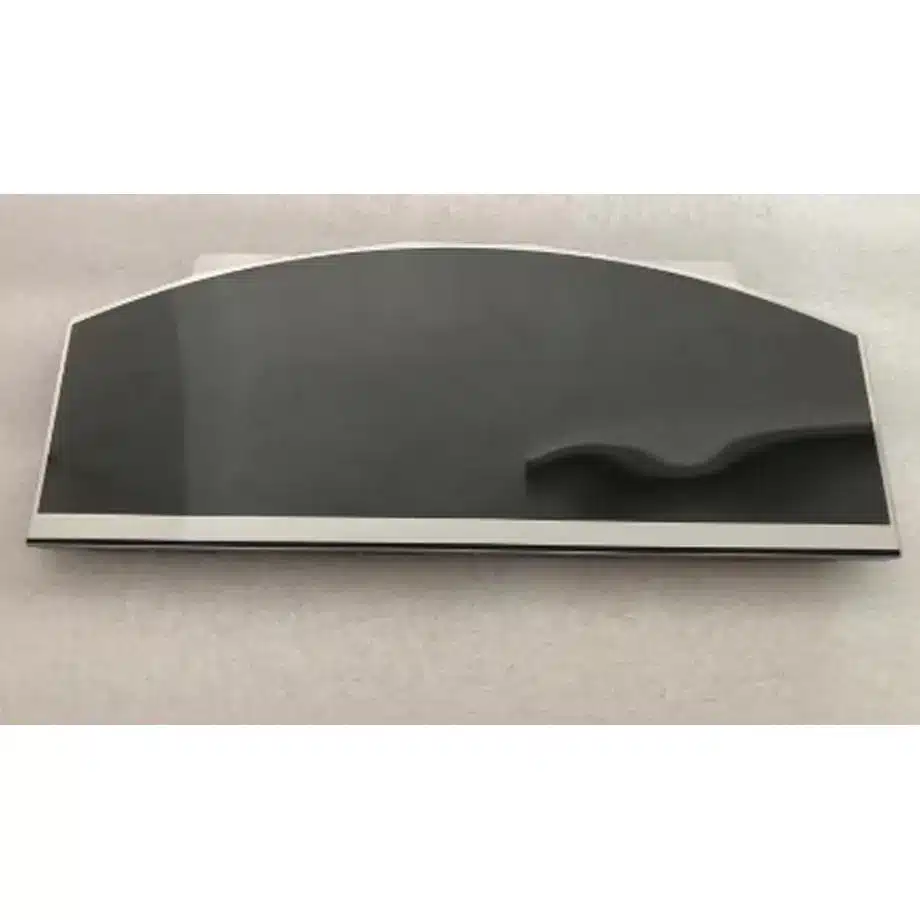
LS140M5LX01 Wide-Temp In-Cell Touch LCM 14 Inch Sharp
Model P/N
Size
Resolution
Brightness
Viewing Angle
Connector Type
Operating Temp
Overall(mm)
sharp
LS140M5LX01
Brand
Panel Size (inch)
Model P/N
Resolution
Brightness (nits)
Viewing Angle
Contrast Ratio
Response Time
Overall (mm)
Active Area (mm)
Refresh Rate
Display Colors
Panel Type
Connector Type
Surface Treatment
Operating Temp
Touchscreen Type
Storage Temp
Work Mode
Pixel Format
Input Voltage (V)
Touch Interface
Designed For
Product Details
Product Overview
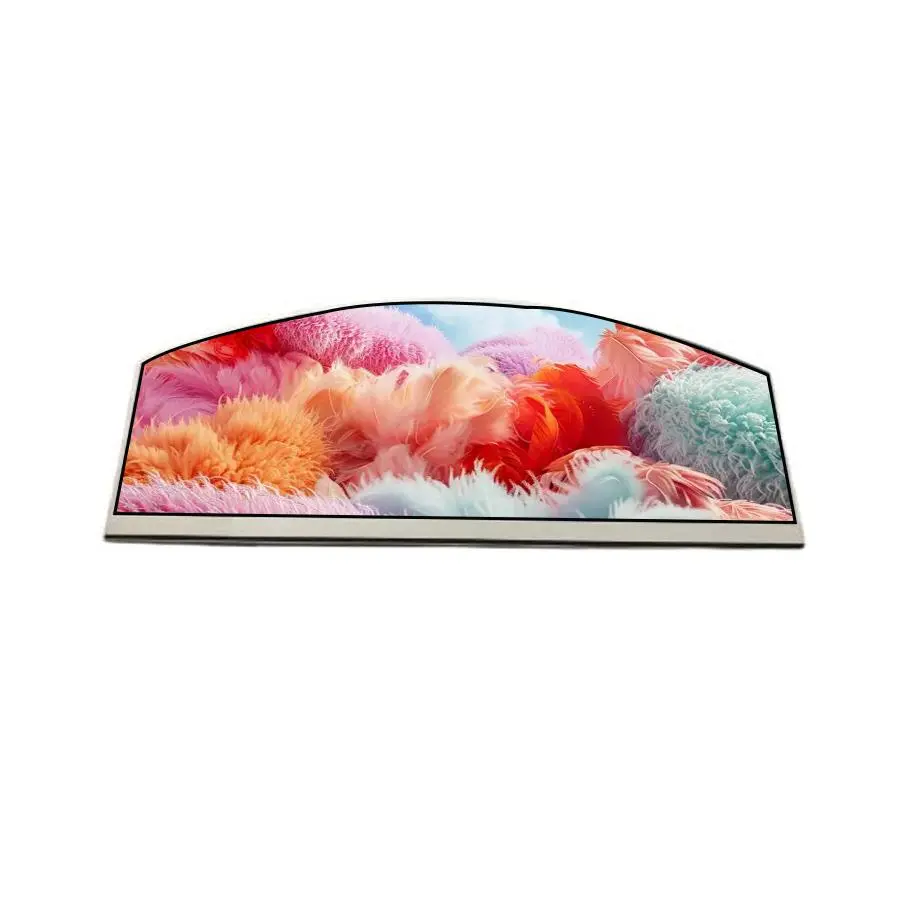
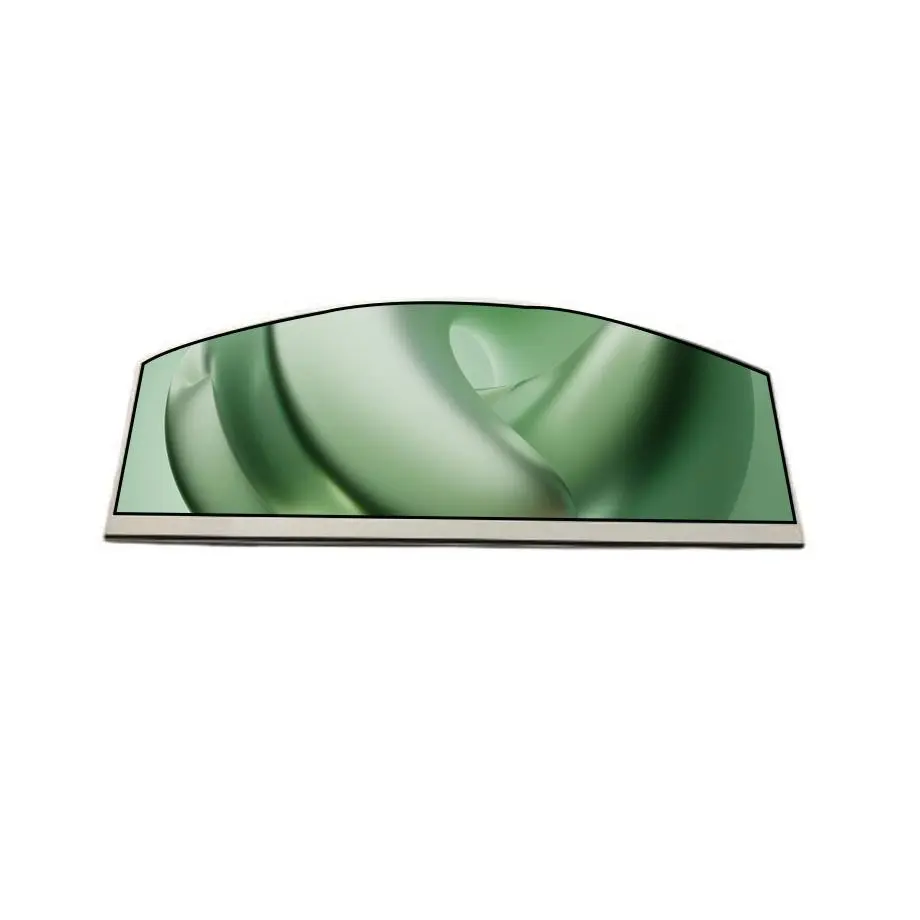
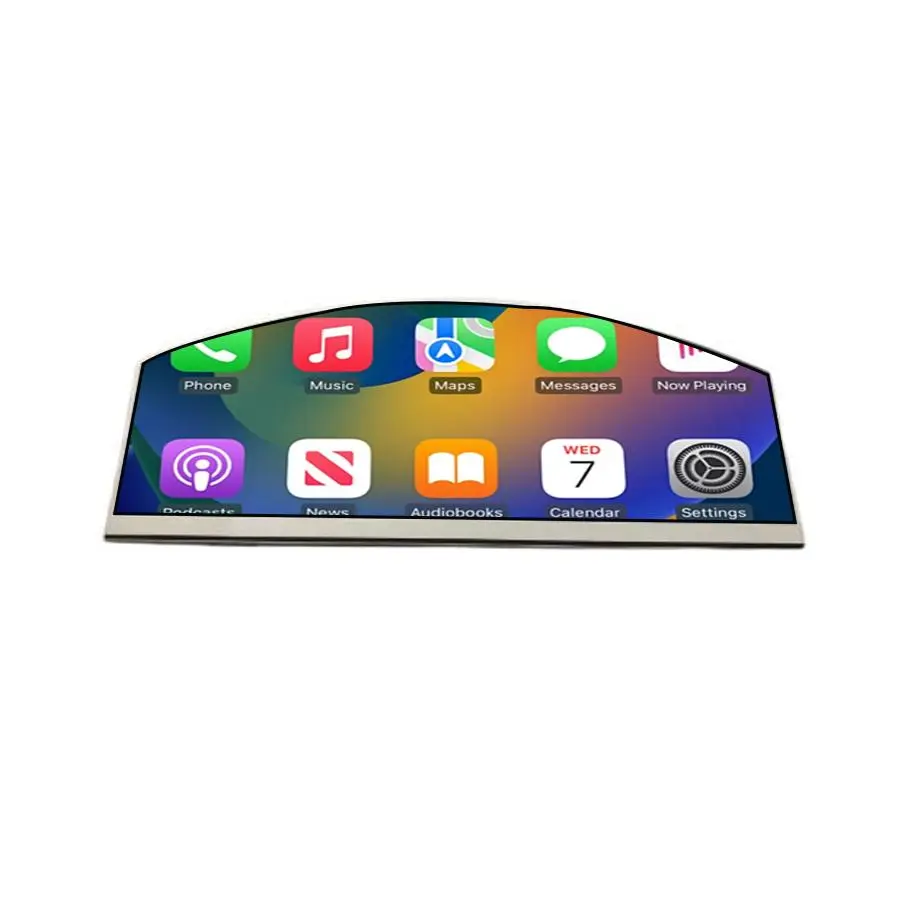
The LS140M5LX01 Wide-Temp In-Cell Touch LCM is a 14.0-inch Sharp LTPS TFT-LCD module intended for automotive display integration. It combines a native 1920(RGB)×1080 Full HD image format with an integrated in-cell touch function, an I²C touch interface, a 440 cd/m² typical luminance level and a -30 to 85 °C operating range. The module uses a 2-channel, 8-bit LVDS panel interface on an 80-pin connector and a 3.3 V typical panel supply.
The product should be evaluated as an internal display module, not as a finished vehicle display system. The confirmed “Automotive Display” application supports an automotive/transport integration profile, but it does not establish an automotive-grade certification, a vehicle-standard compliance claim or compatibility with a particular head unit. Controller timing, touch firmware, mechanical mounting, vibration requirements, optical stack and qualification evidence remain project-level checks.
Three Core Buyer Value Propositions
Wide-temperature operation for vehicle-oriented integration screening
The -30 to 85 °C operating range and -40 to 95 °C storage range give engineering teams a defined thermal envelope for comparing the module with the target installation. This is materially wider than ordinary office-panel conditions and can reduce early-stage candidate uncertainty for vehicle-oriented programs. Temperature limits alone do not prove automotive qualification, however, and the finished system still needs validation for its actual cabin, console or equipment environment.
In-cell touch reduces the number of separate front-stack functions
The touch function is integrated into the display as In-Cell Touch with an I²C interface, so the project does not start from a separate add-on touch-panel specification. Sharp explains that in-cell touch technology embeds touch-sensor circuitry into the LCD structure (Sharp in-cell touch technology overview). For LS140M5LX01, this does not prove a particular multi-touch count, glove mode, wet-touch behavior or cover-lens construction; those items need model- and project-specific evidence.
Defined LVDS, mechanical and optical facts support controlled sample qualification
The 309.888 × 174.312 mm active area, 321.9 × 192.9 × 11.9 mm outline, 80-pin 2-channel LVDS connection and 3.3 V supply give mechanical and electronics teams concrete values for early fit screening. The 440 cd/m² typical luminance and 1400:1 typical contrast add an optical baseline. These facts can narrow the candidate set before a sample is ordered, but they do not replace the current drawing, pin assignment, timing table or vehicle-level qualification plan.
Key Specifications at a Glance
| Parameter | Specification |
|---|---|
| Manufacturer / model | Sharp LS140M5LX01 |
| Display size / type | 14.0 inch LTPS TFT-LCD, LCM |
| Resolution | 1920(RGB)×1080 FHD, 16:9 |
| Active area / outline | 309.888 × 174.312 mm / 321.9 × 192.9 × 11.9 mm |
| Weight | 695 ± 70 g |
| Optics | 440 cd/m² typical; 1400:1 typical contrast |
| Viewing / response | 80/80/80/80 typical at CR≥100; 25 ms maximum Tr+Td |
| Display mode / color | New Mode2, normally black, transmissive; 16.7M colors, 72% NTSC |
| Native interface | LVDS, 2 channels, 8-bit, 80-pin connector |
| Panel supply | 3.3 V typical |
| Backlight | 10S4P WLED, 10,000-hour reference, without driver |
| Touch | In-Cell Touch, I²C |
| Refresh rate | 60 Hz |
| Temperature | Operating -30 to 85 °C; storage -40 to 95 °C |
How Should the In-Cell Touch Function Be Integrated?
The touch interface is specified as I²C, while the display video path remains LVDS. These are two separate host connections with different electrical and software responsibilities. The LS140M5LX01 Wide-Temp In-Cell Touch LCM therefore requires both a compatible display controller path and a host-side touch-control path. Do not describe the I²C connection as the display interface, and do not assume that an LVDS controller automatically includes the required touch firmware or interrupt handling.
Sharp’s public explanation of in-cell technology states that touch-sensor circuitry can be embedded with LCD circuitry, reducing the need for a separately attached touch sensor. That is useful architectural context, but the model facts supplied here do not define cover glass, optical bonding, controller IC, report protocol details, touch-point count, glove behavior or water rejection. Those characteristics should be requested before an automotive HMI design is frozen.
Define the front stack before mechanical approval
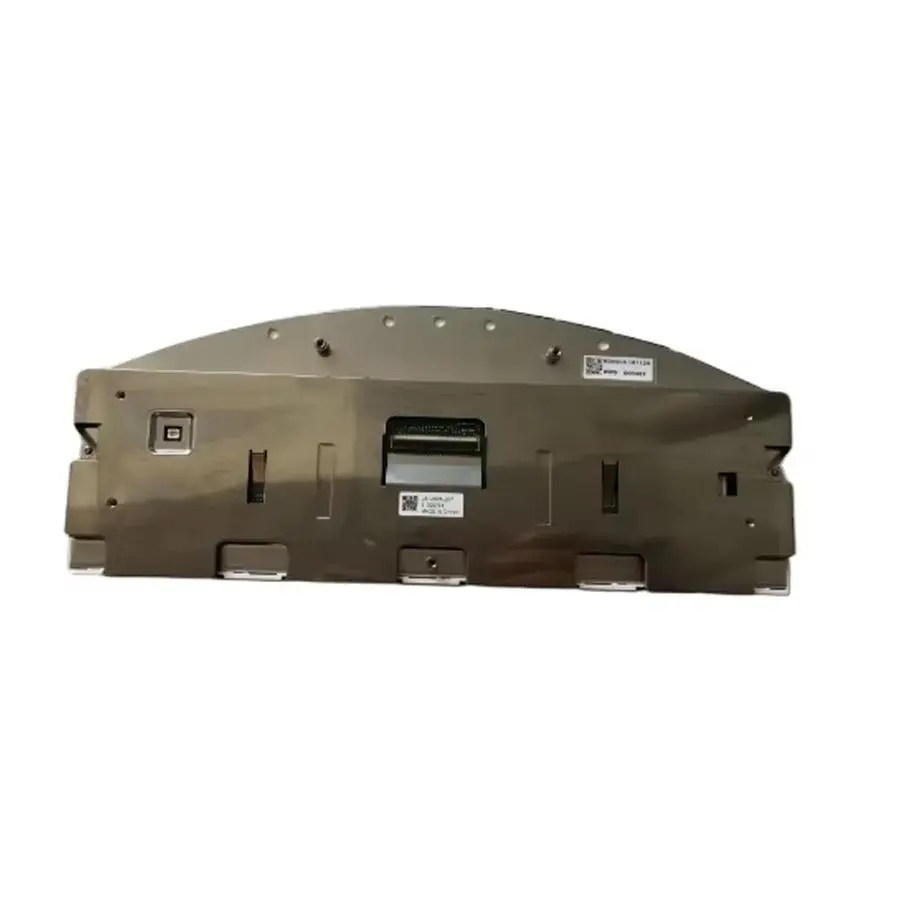
The module outline is 321.9 × 192.9 × 11.9 mm and the active area is 309.888 × 174.312 mm. Those values allow initial opening and package checks, but an in-cell touch display can still require project-specific cover construction, decorative printing, adhesive, gasket and bezel decisions. Obtain the current mechanical drawing and define the cover-lens and bonding requirements explicitly. No optical-bonding or cover-glass claim is made for the base module because those facts are not documented in the current packet.
What Must Be Checked on the 80-Pin LVDS Link?
The native display interface is LVDS with two channels and 8-bit data on an 80-pin connector. LVDS is a high-speed differential signaling method whose implementation depends on controlled impedance, termination, jitter, skew and timing. Analog Devices’ LVDS circuit implementation guide describes these system-level concerns. It does not establish compatibility between LS140M5LX01 and a particular controller; the model-specific pin table and timing data remain mandatory.
Separate connector fit from electrical compatibility
An 80-pin connector match is only a physical starting point. The cable or PCB must preserve the correct LVDS pair mapping, power contacts, grounds, control signals and any touch-related connections defined by the module documentation. The 3.3 V typical value is the panel/module supply fact and should not be replaced with a controller-board input voltage. If the host platform uses a different system rail, power conversion must be designed and validated separately.
A sample qualification should run native 1920×1080 content at 60 Hz and include repeated power cycles, warm operation, cable movement and long-duration image testing. Verify touch operation at the same time because display and touch subsystems can introduce different integration faults. Any conversion from HDMI, DisplayPort or another host format is a controller function rather than evidence that the panel natively accepts that external input.
How Should the Wide Temperature Range Be Used in Automotive Planning?
The confirmed operating range is -30 to 85 °C, with storage from -40 to 95 °C. These limits are useful for screening a display intended for an automotive application, but they are module specifications rather than a complete vehicle qualification. The LS140M5LX01 Wide-Temp In-Cell Touch LCM should be evaluated against the temperature actually expected at the display location, including solar loading, enclosure heat, HVAC transitions and heat from the backlight and electronics.
Temperature is not a substitute for vibration or qualification evidence
No vibration resistance, automotive standard, EMC/ESD level, ingress rating or formal qualification status is established in the current facts. Those topics therefore remain explicit verification items. A procurement team should request the applicable test documentation rather than infer “automotive grade” from the Automotive Display application label or the wide operating range.
The backlight is listed as a 10S4P WLED system with a 10,000-hour reference and no integrated driver. The lifetime basis is not documented here, so it should not be converted into a vehicle service-life guarantee. The external LED driver, dimming behavior, current, string voltage and thermal operating point need their own engineering review. Dimming method is especially relevant in vehicle HMIs because day/night behavior may be a project requirement, yet no dimming specification is confirmed for this model.
Automotive Verification Matrix
| Verification item | Current status |
|---|---|
| Operating temperature | Confirmed: -30 to 85 °C |
| Storage temperature | Confirmed: -40 to 95 °C |
| Brightness | Confirmed: 440 cd/m² typical |
| Native interface | Confirmed: 2-channel 8-bit LVDS, 80-pin connector |
| Touch | Confirmed: In-Cell Touch with I²C interface |
| Dimming method | Not documented; project confirmation required |
| Cover lens / optical bonding | Not documented; project confirmation required |
| Vibration evidence | Not documented |
| Lifecycle / expected availability | Supporting sourcing reference indicates production status; current manufacturer confirmation required |
| Automotive qualification | Not documented; no automotive-grade claim is made |
Long-Term Supply and Replacement Planning
Vehicle and transportation programs often outlive a single purchasing cycle, so supply planning should be separated from today’s product specification. A supporting sourcing reference describes the model as being in production, but that statement is not a long-term supply commitment and should be reconfirmed with Sharp or an authorized supply channel. Current status must not be converted into an assumed support horizon, second-source status or guaranteed PCN/EOL policy.
For a new program, the RFQ should state the target SOP date, expected annual volume, required supply lifetime, second-source requirement and change-notification expectation. Those are buyer requirements used to evaluate the supply plan; they are not claims that Sharp or HS-LCD has already committed to them. For replacement work, retain the exact revision, cable, controller configuration, touch firmware, backlight-driver design and mechanical drawing used for sample approval.
Engineering Answers in Brief
LS140M5LX01 is a 14-inch FHD LTPS TFT-LCD module with in-cell touch and an I²C touch interface.
Its native display connection is 2-channel 8-bit LVDS on an 80-pin connector, while touch communication is a separate I²C function.
The confirmed operating range is -30 to 85 °C, but no automotive-grade certification is claimed without model-specific qualification evidence.
The module uses a 10S4P WLED backlight without an integrated driver, so backlight driving and dimming remain system-design responsibilities.
Procurement Checklist Before Sample Approval
- Specify Sharp LS140M5LX01 and confirm the exact offered revision before substitution approval.
- Request the current LVDS pin assignment, timing table, I²C touch documentation and mechanical drawing.
- Verify 1920×1080 at 60 Hz through the 2-channel 8-bit LVDS link and confirm the 80-pin mating arrangement.
- Validate the 3.3 V panel supply separately from controller-board and backlight-driver input requirements.
- Define cover lens, bonding, bezel, touch firmware and any touch-performance requirements that are not documented in the base facts.
- Qualify the external 10S4P WLED driver and any required day/night dimming behavior.
- Test operation across the project’s thermal profile within the confirmed -30 to 85 °C module range.
- Request vibration, EMC/ESD and automotive qualification evidence required by the target vehicle program.
- State target SOP date, annual volume, required supply lifetime, second-source requirement and change-notification expectation in the RFQ.
The LS140M5LX01 Wide-Temp In-Cell Touch LCM offers a useful combination of FHD resolution, integrated touch, wide-temperature operation and a defined LVDS interface for automotive-display evaluation. Final suitability depends on confirming touch integration, backlight driving, mechanical/front-stack design, vehicle-level environmental requirements and the sourcing plan for the exact model and revision.
Recommended: Same Size
(14")
Applications & Value of LCD Panel

- Fast sourcing with in-stock panels & cross-reference alternatives
- Stable supply chain with long-term availability
- Engineering-level support from panel to integration
- Custom solutions: cable, touch & optical bonding
- Strict quality control with IQC / OQC / aging test
- Full traceability system for quality assurance
- Complete technical documentation & drawings
- Compliance support: RoHS & certification files
