
~
~
~
~
~
~
COG-VLBJT035-01 1000-Nit WUXGA LCD Assembly 17.4in BOE
Model P/N
Size
Resolution
Brightness
Viewing Angle
Connector Type
Operating Temp
Overall(mm)
boe
COG-VLBJT035-01
Brand
Panel Size (inch)
Model P/N
Resolution
Brightness (nits)
Viewing Angle
Contrast Ratio
Response Time
Overall (mm)
Active Area (mm)
Refresh Rate
Display Colors
Panel Type
Connector Type
Surface Treatment
Operating Temp
Touchscreen Type
Storage Temp
Work Mode
Pixel Format
Input Voltage (V)
Vibration Resistance
Weight (g)
Designed For
Product Details
Product Overview
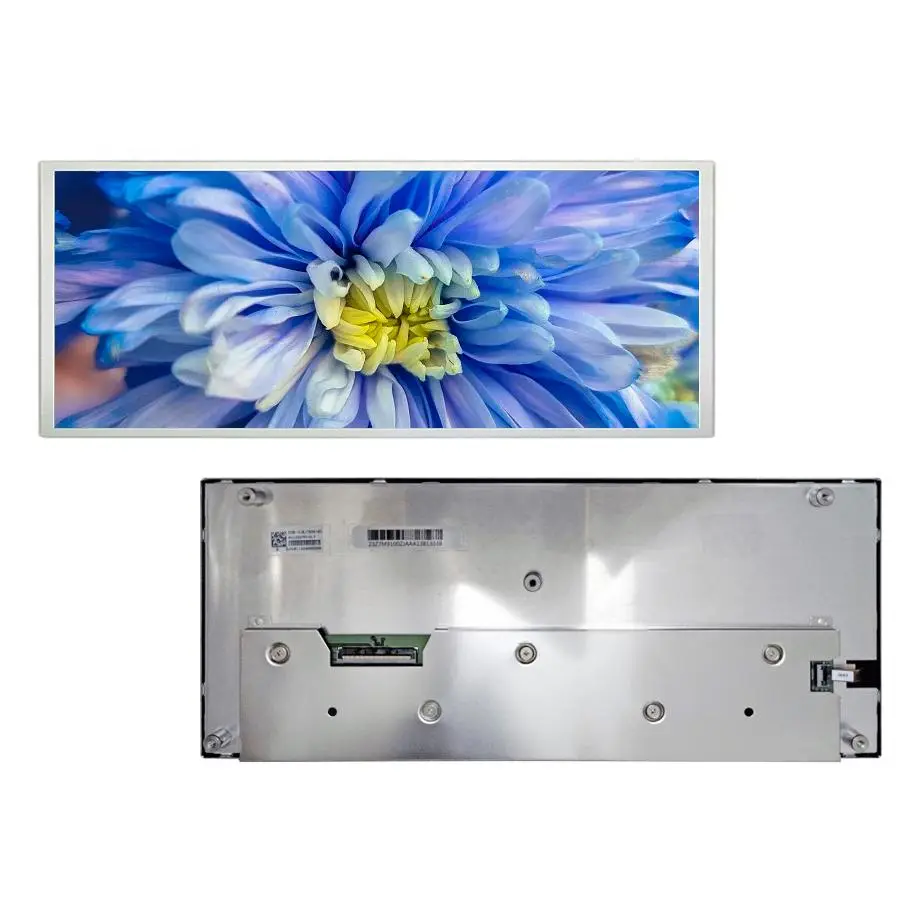
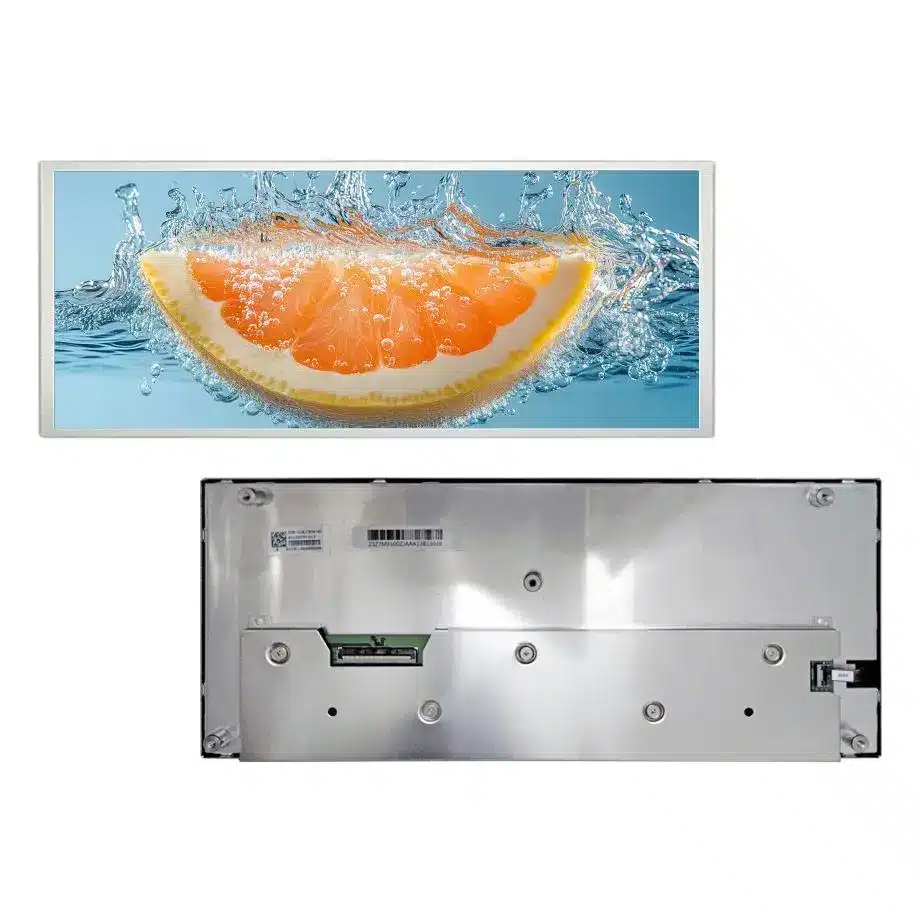
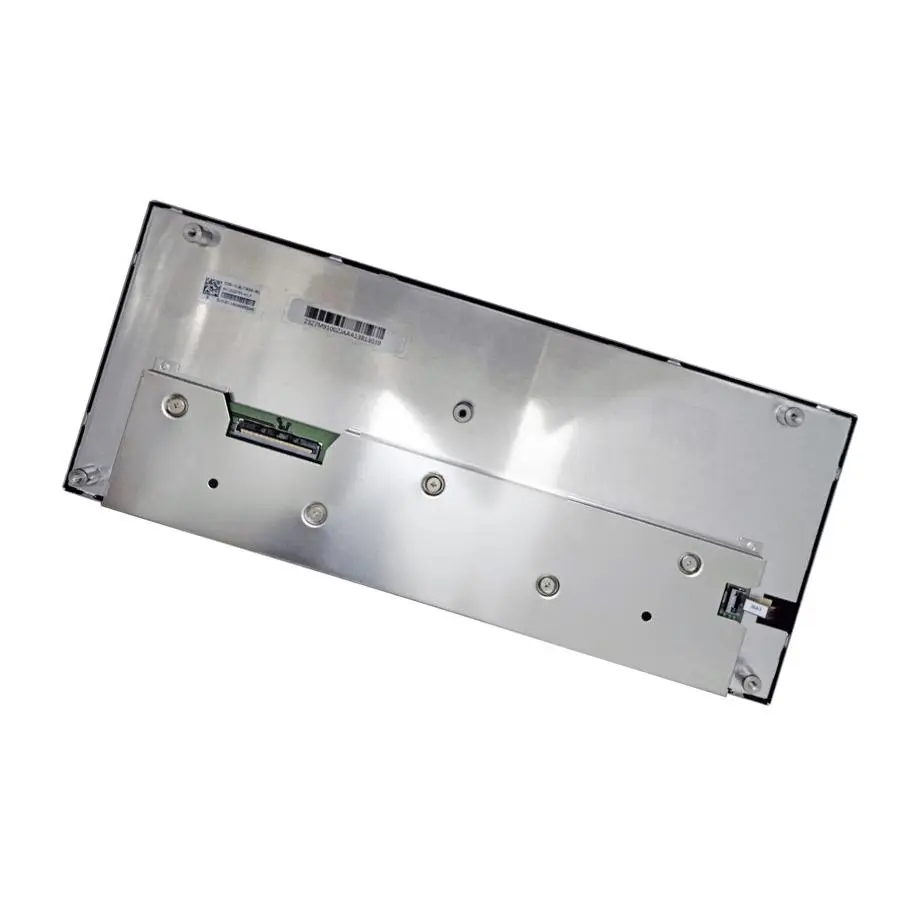
The COG-VLBJT035-01 1000-Nit WUXGA LCD Assembly is a 17.4-inch BOE portrait display assembly for projects that need a bright, wide-temperature LCD without an integrated touch layer. Its native image is 1200×1920 WUXGA in a 10:16 portrait format, with a 234 × 374.4 mm active area. The assembly is specified at 1000 cd/m² typical luminance, 1200:1 typical contrast, 85/85/85/85 typical viewing angles at CR≥10, ADS normally-black transmissive operation, 16.7 million colors and 75% NTSC coverage.
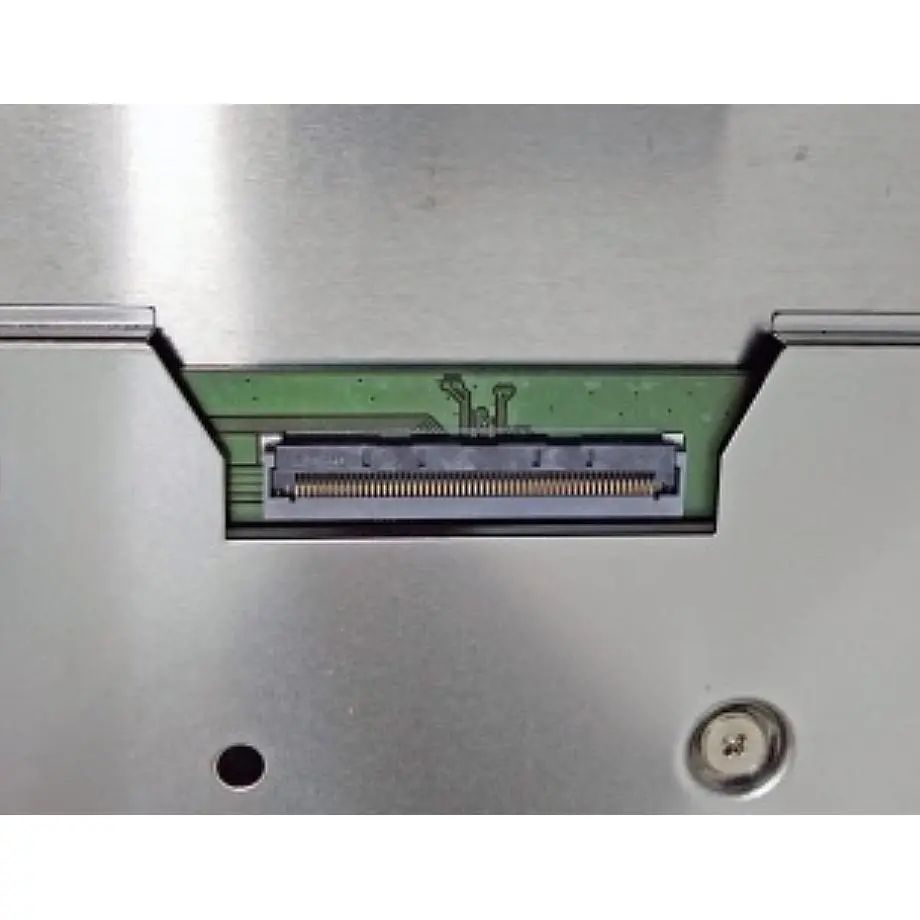
For system integration, the display uses a two-channel 8-bit LVDS video link on a 50-pin connector and a 12 V typical panel input. The WLED light source is listed with a 50K-hour reference but no integrated backlight driver, so the host design still needs model-specific LED power, dimming and protection circuitry. Operating temperature is -40 to 85 °C, storage is -40 to 90 °C, and vibration is listed at 10.0G. Those values make the module relevant to rugged, transportation and outdoor-display screening, but they do not by themselves establish automotive-grade certification or finished-system environmental compliance.
Three Core Buyer Value Propositions
- Bright portrait image with a defined optical baseline. The 1000 cd/m² typical luminance, WUXGA portrait format and 85-degree four-direction viewing specification give engineers concrete optical inputs for an outdoor or high-ambient-light prototype. Final readability still depends on the complete optical stack, enclosure and ambient conditions.
- Clear separation between panel video and backlight electronics. The 50-pin two-channel LVDS interface and 12 V panel input define the image path, while the WLED backlight requires an external driver. That separation helps prevent a common integration mistake: treating the display connector as if it also solved LED power and dimming.
- Wide-temperature and vibration data for early mechanical screening. The -40 to 85 °C operating range, -40 to 90 °C storage range and 10.0G vibration figure support early rugged-display evaluation. Program qualification still requires the exact BOE drawings, environmental test conditions and any certification evidence demanded by the target system.
Key Specifications at a Glance
| Manufacturer / model | BOE COG-VLBJT035-01 |
|---|---|
| Display format | 17.4 inch; 1200×1920 WUXGA portrait, 10:16 |
| Luminance | 1000 cd/m² typical |
| Video interface | 2-channel 8-bit LVDS, 50-pin connector |
| Panel input | 12 V typical |
| Environment | -40 to 85 °C operating; -40 to 90 °C storage; 10.0G vibration |
| Touch | Without touchscreen |
| Backlight | WLED; 50K-hour reference; driver not integrated |
How should the LVDS and power architecture be reviewed?
The COG-VLBJT035-01 1000-Nit WUXGA LCD Assembly should be treated as a native LVDS panel assembly, not as an HDMI, DisplayPort or USB display. A controller or bridge must generate the exact timing, channel mapping and electrical behavior expected by the 50-pin two-channel 8-bit LVDS input. The general differential-signaling principles in Analog Devices LVDS implementation guidance are useful background, but the BOE model documentation remains the source for pinout, mapping, timing and electrical limits.
Video timing and connector matching
Start with native 1200×1920 timing at 60 Hz and confirm the connector definition pin by pin. Similar-looking 50-pin LVDS connectors are not automatically interchangeable. Lane mapping, clock polarity, bit ordering, power pins, grounds and enable signals can differ among panels. For a replacement project, compare the existing controller output against the current BOE drawing before building an adapter or approving a cable.
Panel power versus WLED power
The panel input is specified at 12 V typical, while the WLED system is listed without an integrated driver. The backlight therefore needs a separate driver design matched to the LED string requirements, dimming method and thermal limits. Do not infer LED voltage or current from another 17-inch BOE model. During prototype testing, verify startup sequencing, dimming range, full-brightness thermal behavior and fault protection with the final cable and enclosure.
What does 1000-nit brightness mean for an outdoor design?
A 1000 cd/m² typical panel specification is a strong starting point for high-ambient-light evaluation, but it is not a guarantee of sunlight readability. Cover-lens reflectance, air gaps, bonding, polarizer behavior, viewing geometry, ambient illuminance and automatic dimming strategy all affect the installed result. BOE discusses high-brightness and outdoor display use in its BOE digital signage display guidance; those system-level examples reinforce why panel luminance is only one part of an outdoor optical design.
This model lists hard coating 3H but does not list a PCAP stack or an anti-reflection percentage in the current product facts. If a project adds external cover glass or a separate touch sensor, re-test luminance, reflection, contrast and thermal behavior after the full optical stack is assembled. A mechanically compatible overlay can still change perceived black level and daylight legibility.
Key Specifications
| Active area | 234 × 374.4 mm |
|---|---|
| Assembly outline | 249.6 × 396 × 8.45 mm |
| Weight | 1180 g typical |
| Display mode | ADS, normally black, transmissive |
| Viewing angle | 85/85/85/85 typical at CR≥10 |
| Contrast | 1200:1 typical |
| Response | 35 ms typical Tr+Td |
| Color | 16.7M; 75% NTSC |
| Surface | Hard coating 3H |
| Refresh | 60 Hz |
Where does the portrait geometry help?
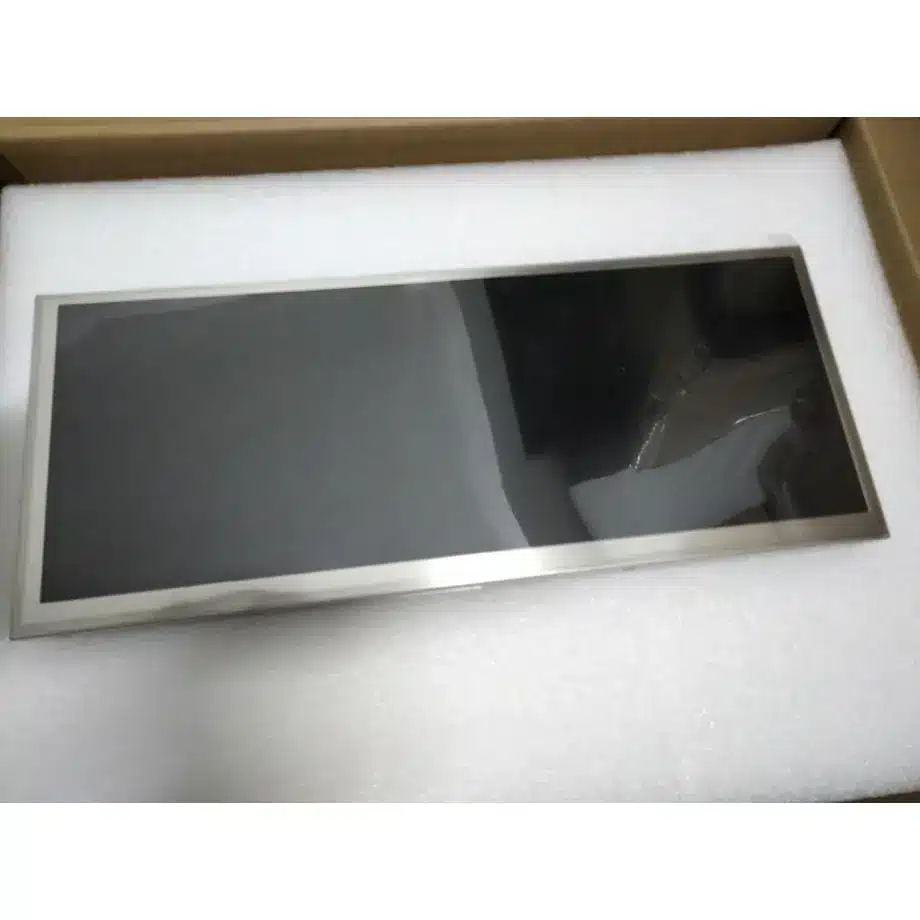
The 10:16 portrait orientation and 234 × 374.4 mm active area can suit vertically organized status, navigation, menu or information layouts where a tall visual field is more useful than a conventional landscape panel. The assembly outline is 249.6 × 396 × 8.45 mm and the listed weight is 1180 g typical, so enclosure work should reserve space for the display body, cable bend radius, backlight electronics and any protective cover. Mechanical review should use the current BOE drawing rather than relying only on diagonal size.
Rugged HMI screening
For an industrial or rugged HMI, the wide operating range and vibration figure are useful screening inputs, while the absence of an integrated touchscreen may be an advantage when the equipment designer wants to choose a separate touch technology, protective lens or physical-control scheme. It also means touch functionality is not included in the display itself. Any external touch system needs its own controller, environmental validation and host interface.
Transportation and automotive-display screening
The application direction includes automotive display, and BOE maintains a broader BOE automotive display solutions. For this specific assembly, however, application direction and temperature range must not be converted into an automotive-grade claim. A vehicle program should request the exact qualification report, change-control expectations, reliability conditions and any OEM-specific evidence required before design release.
What should be checked in a replacement evaluation?
Replacement decisions should compare more than diagonal size and resolution. Match the 1200×1920 timing, 50-pin LVDS definition, 12 V panel input, 249.6 × 396 × 8.45 mm outline, 234 × 374.4 mm active area, mounting features, cable exit, WLED-driver requirements and environmental limits. The COG-VLBJT035-01 1000-Nit WUXGA LCD Assembly has no integrated touchscreen, so a legacy design that depends on a combined display-and-touch assembly will require a separate touch solution.
Optical equivalence also needs testing. Compare typical luminance, contrast, viewing behavior, surface finish, color performance and backlight dimming in the actual enclosure. If the existing product uses bonded glass, a heater, optical film or a specialized cover, those system components can dominate field performance even when the bare panel specifications look similar.
How should procurement handle lifecycle and sourcing?
Procurement should request the current BOE specification revision, mechanical drawing, LVDS timing and pin definition, WLED electrical data, environmental test conditions and change-notification process. The COG-VLBJT035-01 1000-Nit WUXGA LCD Assembly is described in third-party sourcing information as an in-production model, but that is a sourcing signal rather than a guarantee of HS-LCD inventory, lead time, MOQ, second-source status or long-term availability. Confirm commercial status for the specific project and date.
For a controlled program, record the approved panel revision together with the controller firmware, cable drawing, backlight-driver configuration and enclosure revision. That creates a more useful replacement baseline than the model number alone and reduces the chance that a later mechanical or electrical change is mistaken for a drop-in substitution.
Engineering Answers in Brief
The COG-VLBJT035-01 uses native two-channel 8-bit LVDS video; it is not natively HDMI or DisplayPort.
The display has no integrated touchscreen, so touch must be added as a separate subsystem if required.
The WLED light source is included, but the backlight driver is not integrated and must be engineered separately.
The listed temperature and vibration values support rugged screening, but they do not establish automotive certification or finished-system compliance.
Procurement Checklist
- Confirm the current BOE drawing, revision and 50-pin LVDS definition.
- Verify 1200×1920 timing, lane mapping and controller compatibility by documentation and bench test.
- Review 12 V panel power separately from the external WLED driver design.
- Check outline, active area, mounting points, cable routing and 1180 g typical mass against the enclosure.
- Validate the complete optical stack under representative outdoor and low-temperature conditions.
- Request program-specific qualification and lifecycle evidence instead of inferring it from application labels.
Prototype Validation Plan
For first-article evaluation, capture the native timing and power sequence on the actual controller, then test the display at minimum, room and elevated temperatures with the intended cable length. Measure full-brightness thermal behavior of the external WLED driver and check whether dimming remains stable across the required range. Mechanical validation should include connector access, cable strain relief and the 1180 g typical panel mass. For outdoor evaluation, compare the installed screen under representative ambient light rather than judging the bare module on a bench. Record the approved panel revision, controller firmware, driver configuration and enclosure revision so later samples can be compared against the same baseline.
Recommended: Same Size
(17.4")
Applications & Value of LCD Panel

- Fast sourcing with in-stock panels & cross-reference alternatives
- Stable supply chain with long-term availability
- Engineering-level support from panel to integration
- Custom solutions: cable, touch & optical bonding
- Strict quality control with IQC / OQC / aging test
- Full traceability system for quality assurance
- Complete technical documentation & drawings
- Compliance support: RoHS & certification files
