Freya Yang
+86 18318948097
+852 62667476
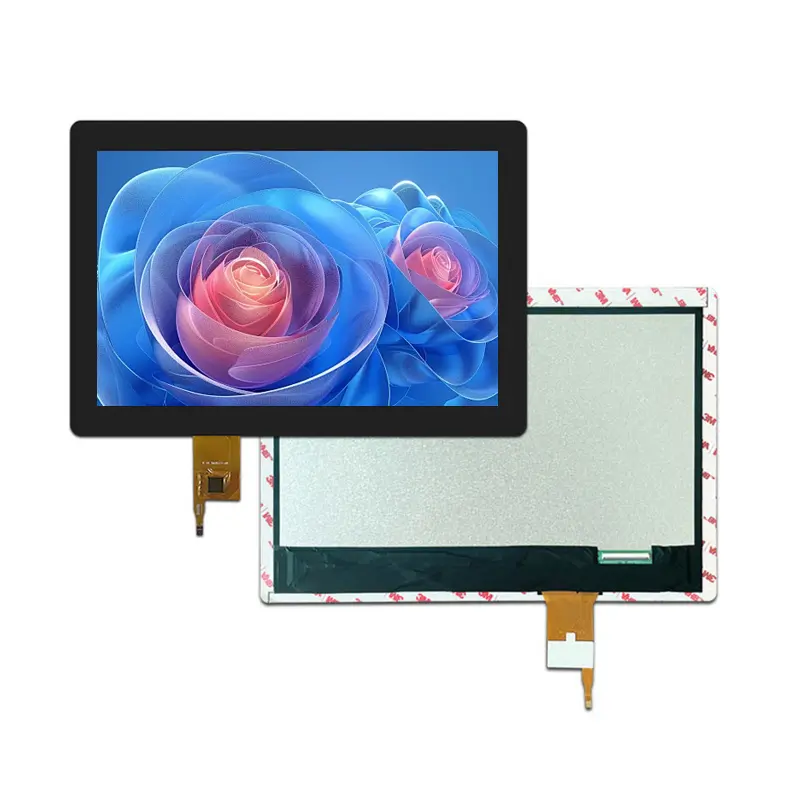
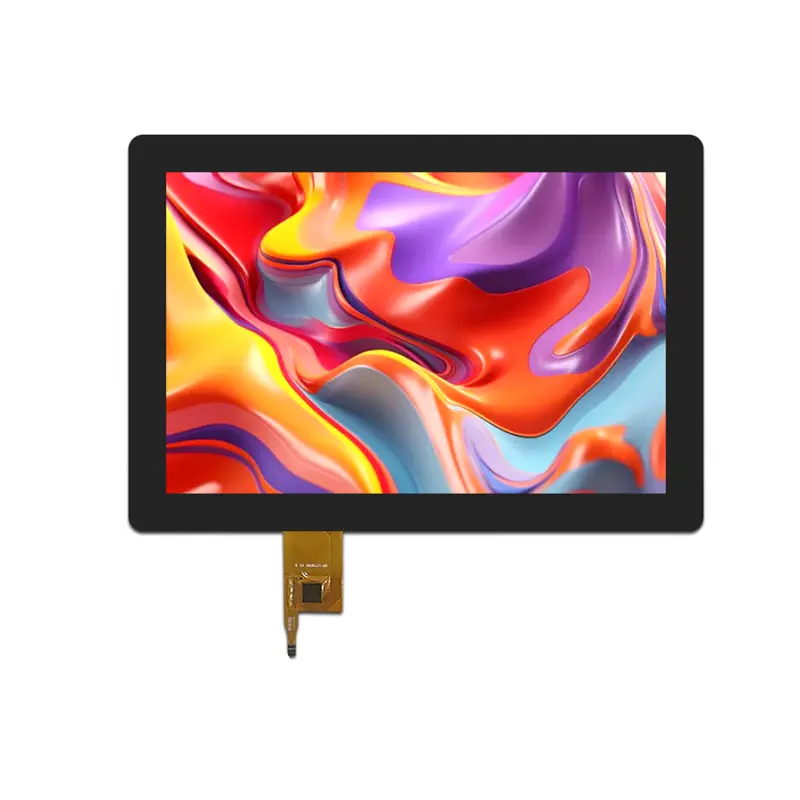
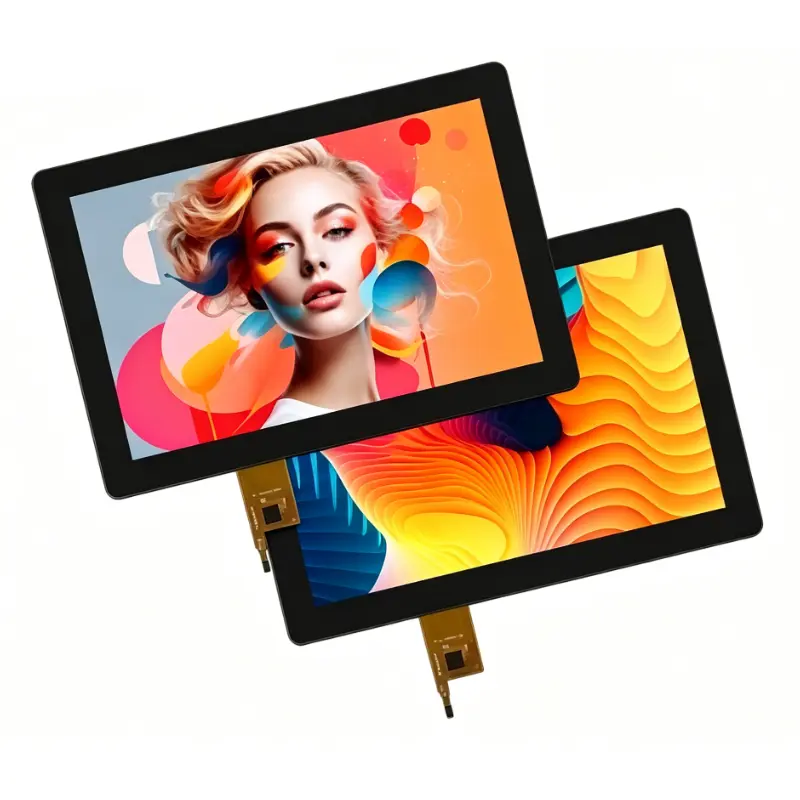
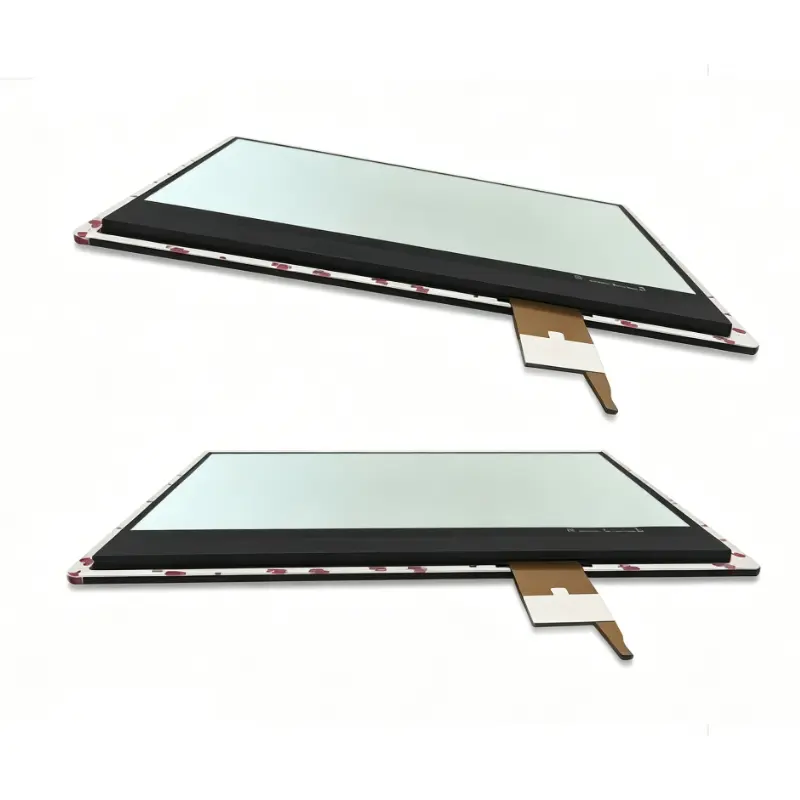
10.1 Inch 1000 Nits Sunlight Readable Wide Temperature LCD for UAV HMI
Model P/N
Size
Resolution
Brightness
Viewing Angle
Connector Type
Operating Temp
Overall(mm)
huisoar
HS101072B0-KT
Brand
Panel Size (inch)
Model P/N
Resolution
Brightness (nits)
Viewing Angle
Contrast Ratio
Response Time
Overall (mm)
Active Area (mm)
Refresh Rate
Display Colors
Panel Type
Connector Type
Operating Temp
Touchscreen Type
Storage Temp
Work Mode
Operating Environment
Designed For
10.1 Inch 1000 Nits Sunlight Readable Wide Temperature LCD for UAV HMI
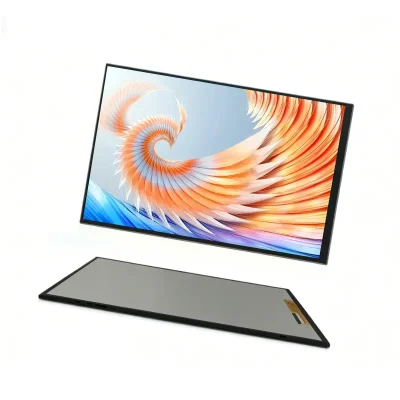
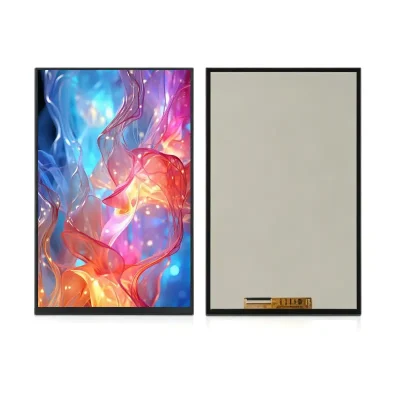
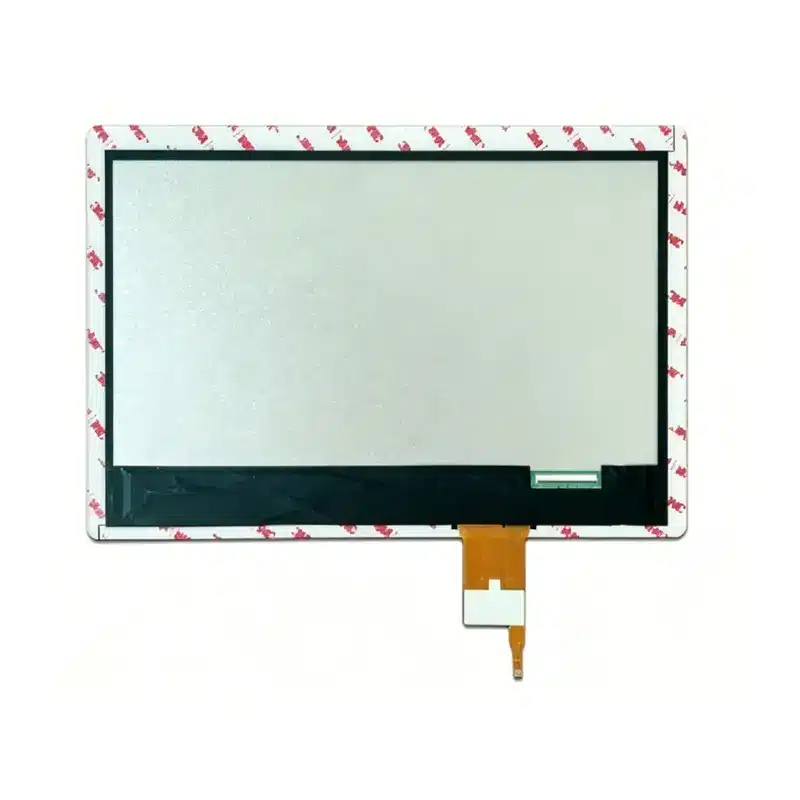
A 1000 Nits Sunlight Readable Wide Temperature LCD is a practical fit for embedded systems that need a compact high-resolution touch interface in bright ambient light and changing temperatures. This 10.1-inch module combines 1920 × 1200 WUXGA resolution, IPS viewing, projected-capacitive touch, 1000 cd/m² typical luminance, a 40-pin LVDS display interface, and an operating range of −20°C to +70°C. The 16:10 format provides useful vertical workspace for telemetry, maps, status panels, control menus, and other information-dense HMI layouts.
Product Summary
The module is designed as a TFT-LCD component rather than a finished monitor. Its 216.81 × 135.50 mm active area supports a sharp 10.1-inch interface, while the detailed mechanical reference is 247.56 × 166.20 × 6.36 mm. A 900:1 typical contrast ratio, 80°/80°/80°/80° viewing specification, 16.7M colors, and WLED backlighting support industrial interface development.
This configuration is relevant to UAV remote-controller displays, industrial control interfaces, tablet-style embedded equipment, and outdoor-facing terminals where the finished enclosure, front window, signal chain, and thermal design are qualified for the project.
Key Specifications
| Parameter | Confirmed Value |
|---|---|
| Display size | 10.1 inches |
| Resolution | 1920 × 1200 pixels |
| Aspect ratio | 16:10 |
| Panel technology | a-Si IPS TFT-LCD, transmissive |
| Brightness | 1000 cd/m² typical |
| Contrast ratio | 900:1 typical |
| Viewing angle | 80°/80°/80°/80° L/R/U/D |
| Display colors | 16.7M |
| Active area | 216.81 × 135.50 mm |
| Overall structure | 247.56 × 166.20 × 6.36 mm |
| Display interface | 40-pin LVDS, 8-bit |
| Touch | Projected capacitive touch |
| Backlight | WLED |
| Operating temperature | −20°C to +70°C |
| Storage temperature | −30°C to +80°C |
1920 × 1200 WUXGA for Information-Dense Interfaces
16:10 geometry for UAV and industrial HMI layouts
The 1920 × 1200 native resolution gives designers more vertical workspace than a 1920 × 1080 layout. That can be useful for UAV controller interfaces combining live visual areas with telemetry, warning states, maps or command controls, as well as industrial HMIs that need several information zones on one screen.
IPS viewing for changing operator positions
The confirmed 80°/80°/80°/80° viewing values provide broad off-axis viewing. This is useful when a handheld controller, service terminal or equipment panel is not always viewed from a fixed centered position.
The viewing result should still be evaluated with the final cover stack because touch glass, bonding, coatings and installation angle can affect finished optical performance.
1000 Nits for Bright-Ambient Display Integration
The 1000 cd/m² typical luminance gives this module a stronger starting point than standard indoor panels for outdoor-facing or high-ambient-light installations. Current industrial-display products in the same class commonly combine 1000-nit WUXGA specifications with sunlight-readable and wide-temperature positioning.
Brightness alone does not establish finished-system readability under every direct-sun condition. Front-window transmission, internal reflection, touch-stack construction, optical bonding, surface treatment, enclosure temperature and content contrast all influence the finished result.
Integrating the 1000 Nits Sunlight Readable Wide Temperature LCD
This 10.1-inch configuration uses a 40-pin LVDS display connection. Connector count and LVDS labeling are important selection points, but they are not sufficient for controller approval by themselves.
40-pin LVDS compatibility must be qualified electrically
A 40-pin LVDS connector alone does not establish timing, voltage, mapping or controller compatibility. Engineering review should start with the approved pin definition, native 1920 × 1200 timing, bit mapping, connector pitch and contact orientation before sample release.
WLED backlight requirements belong in the power review
The backlight type is confirmed as WLED, but backlight voltage, current, enable logic, dimming method, driver topology and lifetime grade are not confirmed in the available specification. Those parameters should therefore be locked before the controller and power architecture is released.
Projected-Capacitive Touch for Interactive Equipment
Touch hardware is confirmed, but its electrical interface requires separate release
Projected-capacitive touch is part of this configuration. The confirmed information does not define the touch communication interface, controller part number, operating voltage, interrupt/reset signals, touch-point count, glove behavior or wet-operation behavior.
For outdoor-facing equipment, evaluate the touch stack together with the front window. Optical-bonding and outdoor-display guidance commonly treats cover glass, UV behavior, optical transmission and surface reflection as project-level considerations.
Mechanical and Wide-Temperature Qualification
Use operating and storage ranges for different qualification stages
The confirmed operating range is −20°C to +70°C, while the storage range is −30°C to +80°C. Storage limits should not be treated as operating limits.
Enclosure self-heating, solar loading, internal airflow, backlight heat, condensation, humidity and cold-start behavior still need system-level validation. The detailed 247.56 × 166.20 × 6.36 mm structure should be checked with the approved production drawing before enclosure tooling release.
Application Fit and Qualification Boundaries
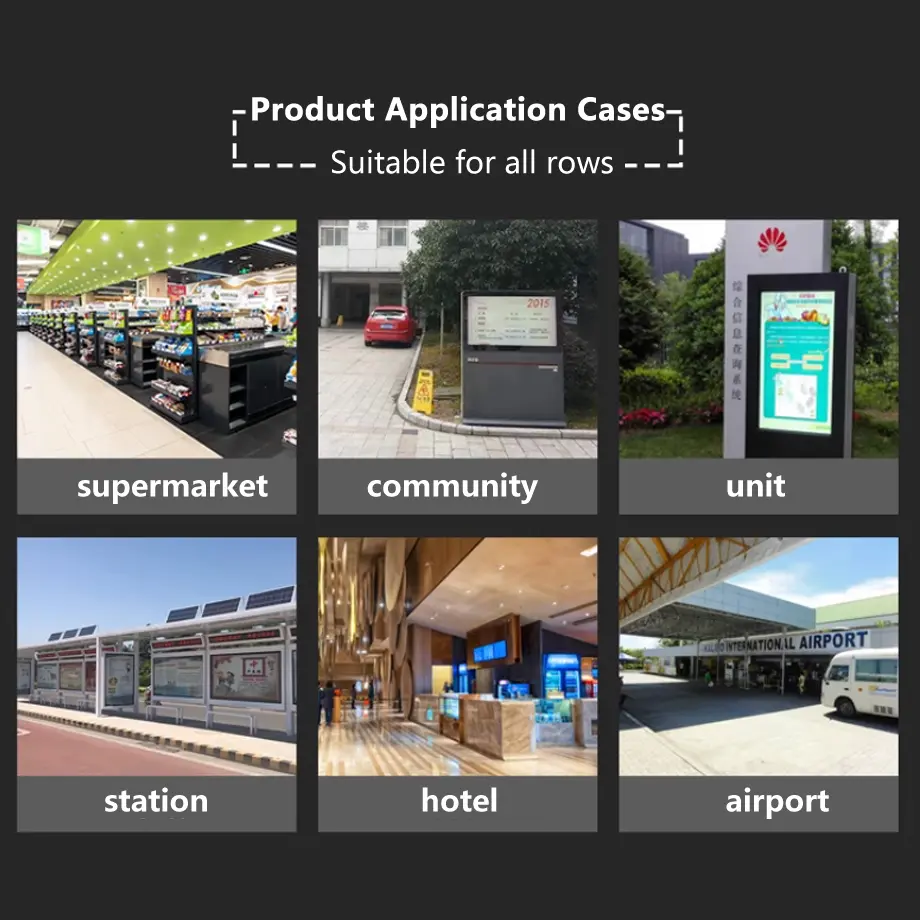
The 1000 Nits Sunlight Readable Wide Temperature LCD is well positioned for UAV remote-controller HMIs, industrial control interfaces, outdoor-facing information terminals and embedded equipment requiring WUXGA resolution, touch interaction, higher luminance and a −20°C to +70°C operating range.
It should not be treated as a finished waterproof monitor, automotive-qualified display, medical-certified device or universally compatible LVDS module without additional evidence. IP protection, vibration grade, EMC, UV exposure, direct-sun thermal performance and finished-device compliance depend on the complete system.
Customization and Procurement Planning
Custom configurations are generally reviewed from 500 pieces, subject to tooling requirements, material availability and the requested specification. Sample and standard-module quantities are confirmed separately.
Potential engineering work can include LVDS cable definition, cover glass, optical bonding, AG/AR treatment, touch-stack adaptation, enclosure fit, brightness/front-window optimization, interface adaptation, branding and packaging.
Procurement checklist
Before sample approval, submit the host/controller platform, native 1920 × 1200 timing, complete 40-pin LVDS definition, panel and backlight electrical requirements, enclosure/front-window drawing, target touch behavior, operating environment, optical requirement, sample quantity, expected annual demand and project schedule.
FAQ
About 10.1 Inch 1000 Nits Sunlight Readable Wide Temperature LCD
What must be checked before connecting this 40-pin LVDS module to an existing controller?
Is 1000 cd/m² sufficient for direct sunlight behind a cover glass?
What should be qualified if optical bonding or custom cover glass is added?
How should the −20°C to +70°C operating range be interpreted?
What information is needed for UAV-HMI sample approval?
Freya Yang
+86 18318948097