
~
~
~
~
~
~
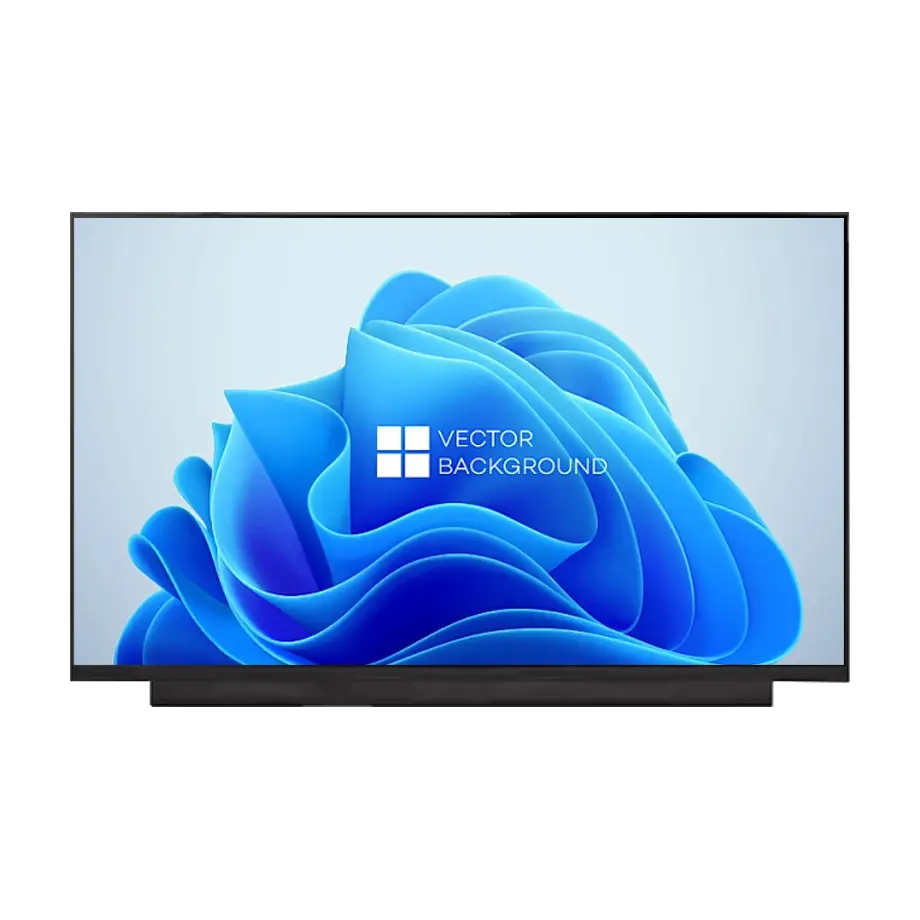
B180UAN01.2 OD Replay Matte WUXGA LCM 144Hz AUO
Model P/N
Size
Resolution
Brightness
Viewing Angle
Connector Type
Operating Temp
Overall(mm)
auo
B180UAN01.2
Brand
Panel Size (inch)
Model P/N
Resolution
Brightness (nits)
Viewing Angle
Contrast Ratio
Response Time
Overall (mm)
Active Area (mm)
Refresh Rate
Display Colors
Panel Type
Connector Type
Surface Treatment
Operating Temp
Touchscreen Type
Storage Temp
Work Mode
Pixel Format
Input Voltage (V)
Vibration Resistance
Weight (g)
Designed For
Product Details
Product Overview
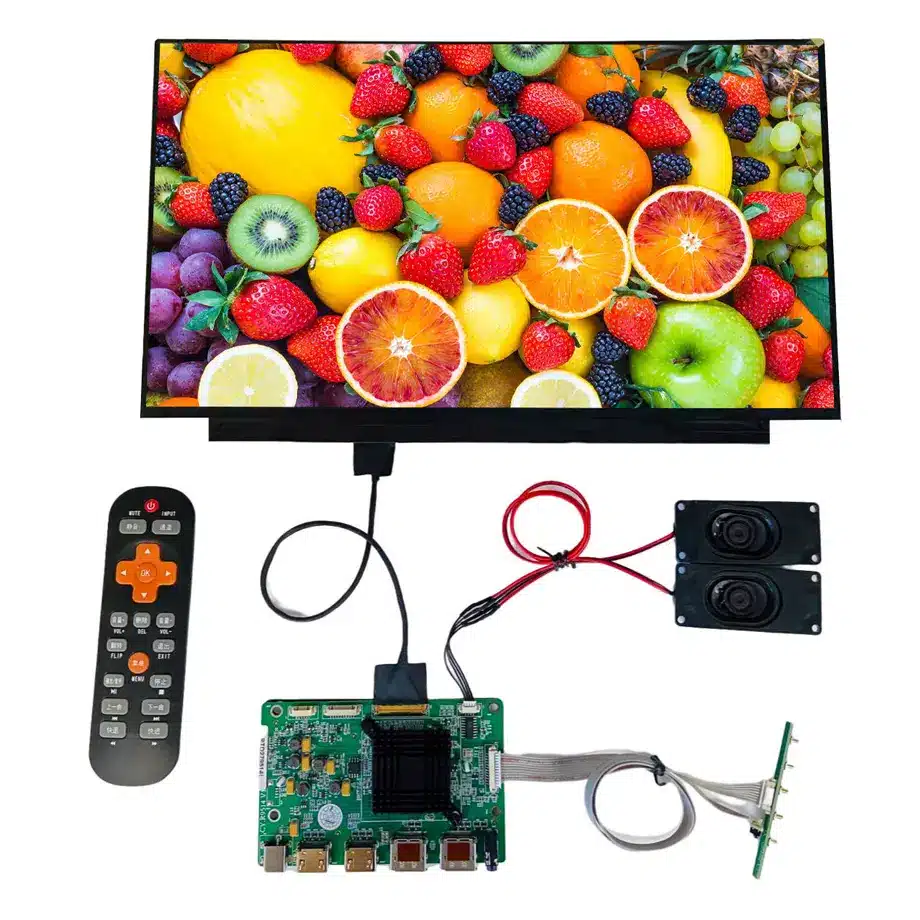
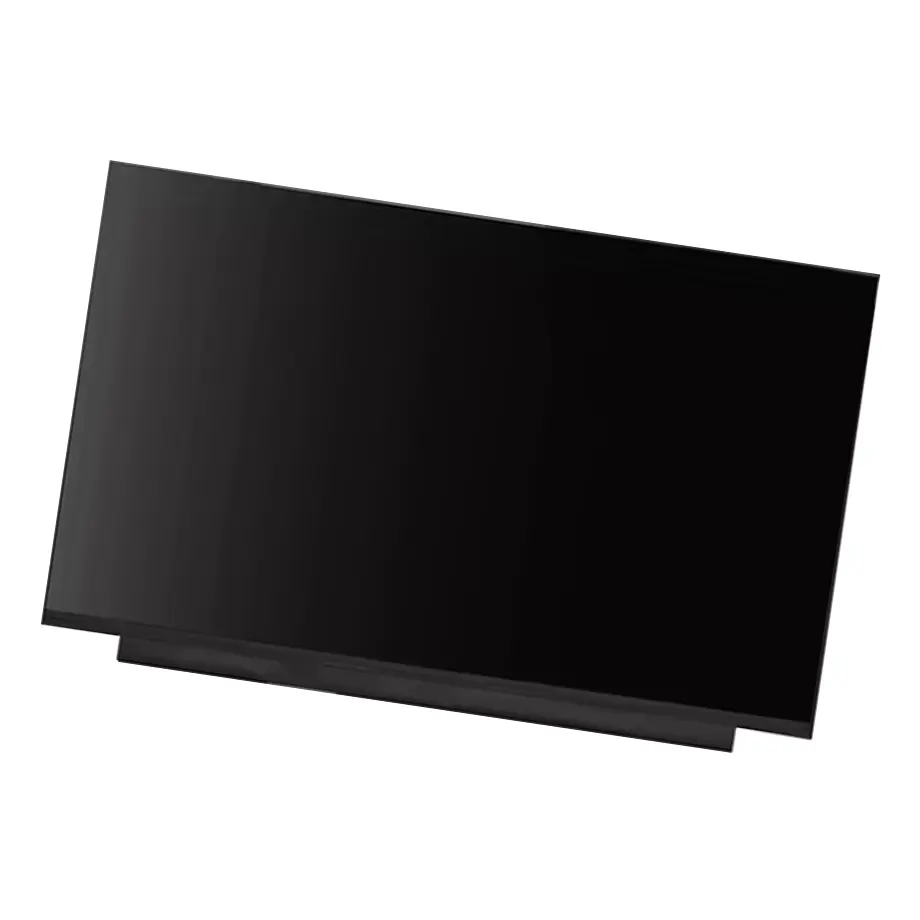
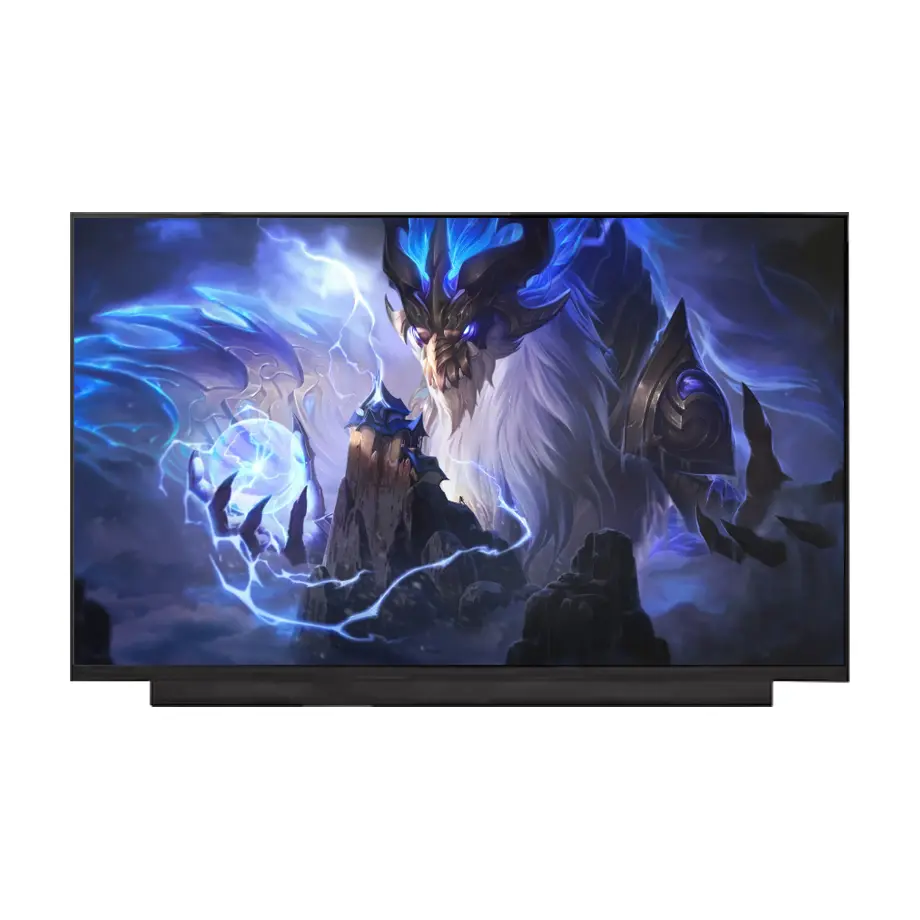
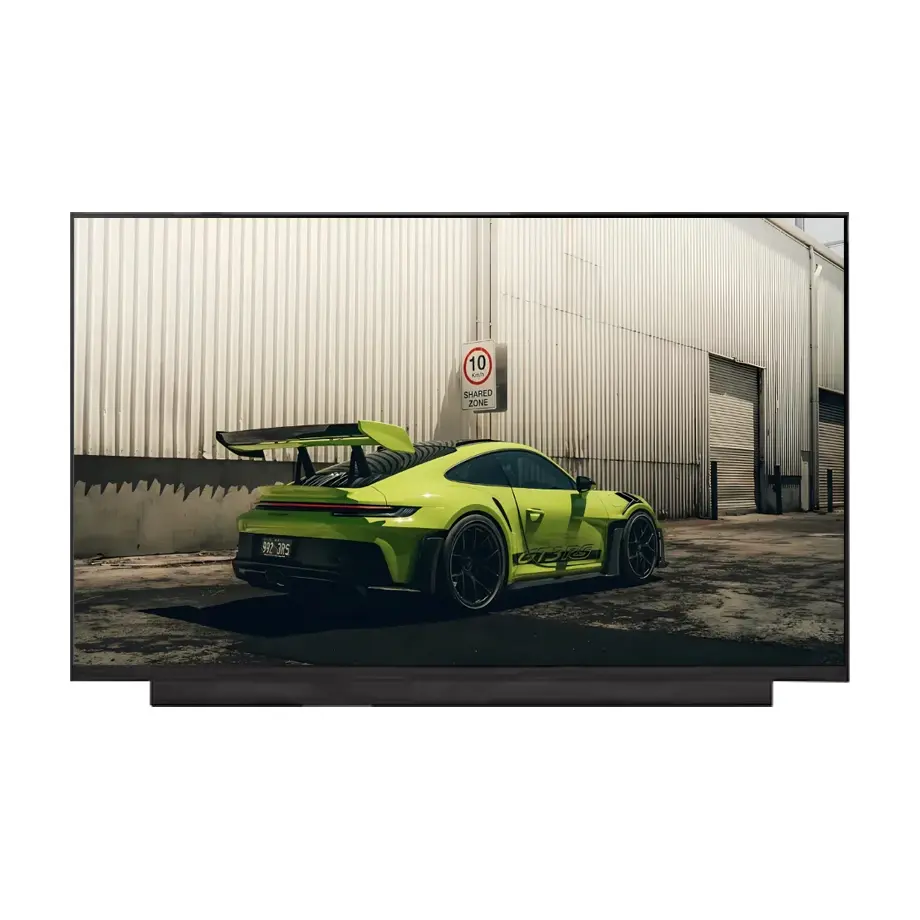
B180UAN01.2 OD Replay Matte WUXGA LCM is an 18.0-inch AUO a-Si TFT-LCD module for large-format gaming and performance notebooks. The panel delivers 1920(RGB)×1200 WUXGA in a 16:10 aspect ratio, with a 387.763 × 242.352 mm active area and a 394.76 × 253.75 × 5.5 mm outline. The supplied facts specify 300 cd/m² typical luminance, 1000:1 typical contrast, 16.7M colors and 100% sRGB.
Its native interface is four-lane eDP 1.4 using HBR2 at 5.4 Gbit/s per lane through a 40-pin connector. The module uses a 3.3 V typical panel supply, contains an integrated WLED backlight and LED driver, and has no touch sensor. A 144 Hz refresh rate plus FreeSync / G-Sync-related features and overdrive response figures distinguish the panel from ordinary 60 Hz notebook modules.
AUO includes notebook display solutions in its official portfolio. VESA's eDP information provides transport context for four-lane embedded links. Same-model public technical data also documents the 144 Hz, 40-pin HBR2 configuration; engineering release should still use the exact AUO hardware revision.
Three Core Buyer Value Propositions
1. 18-inch 16:10 canvas for desktop-class mobile systems
The 387.763 × 242.352 mm active area gives a large notebook chassis a substantial workspace while keeping the native pixel load at 1920×1200. That can suit portable workstations, gaming notebooks and desktop-replacement computers where screen area matters as much as pixel density. The trade-off is a larger lid and 560 g maximum panel mass, which must be considered in hinge and structural design.
2. 144 Hz adaptive-sync-oriented operation
A 144 Hz refresh target reduces the frame interval to about 6.94 ms and gives the system more motion headroom than a standard 60 Hz panel. The exact-model data also lists FreeSync / G-Sync and overdrive. Those features justify a gaming-oriented qualification plan but not an automatic certification claim. The finished notebook must prove stable timing, variable-refresh behavior and motion quality with its own GPU and firmware.
3. 100% sRGB and 1000:1 contrast for balanced gaming and work
The module combines full sRGB coverage with a 1000:1 typical contrast ratio. That creates a useful standard-gamut optical baseline for general creation, productivity and games without implying wide-gamut DCI-P3 performance. A buyer can use the sRGB figure as a component acceptance target while keeping calibration and finished-system uniformity under notebook-level control.
Key Specifications at a Glance
| Parameter | Confirmed value |
|---|---|
| Manufacturer / model | AUO B180UAN01.2 |
| Display size | 18.0 inch |
| Panel type | a-Si TFT-LCD, LCM |
| Resolution | 1920(RGB)×1200, WUXGA, 16:10 |
| Active area | 387.763 × 242.352 mm |
| Outline | 394.76 × 253.75 × 5.5 mm |
| Weight | 560 g maximum |
| Brightness | 300 cd/m² typical |
| Contrast | 1000:1 typical |
| Viewing | 85/85/85/85 typical at CR≥10 |
| Color | 16.7M, 100% sRGB |
| Refresh | 144 Hz, FreeSync / G-Sync listed |
| Response | 8 ms Tr+Td; 5 ms G2G; 3 ms G2G with OD |
| Interface | eDP 1.4, 4 lanes, HBR2, 40-pin connector |
| Supply | 3.3 V typical |
| Backlight | WLED, 15K hours, integrated LED driver, DC |
| Touch | Without touch screen |
| Operating / storage | 0 to 50 °C / -20 to 60 °C |
How Should 144 Hz and Overdrive Be Evaluated?
The supplied response data lists three views of pixel transition behavior: 8 ms typical Tr+Td, 5 ms typical G2G and 3 ms typical G2G with overdrive. These measurements answer different questions, so the lowest number should not be used as the sole motion-quality description. Overdrive can improve transition speed while also creating overshoot or inverse ghosting at certain gray levels.
B180UAN01.2 OD Replay Matte WUXGA LCM should be tested with moving high-contrast objects, dark scenes, scrolling text and real game content. Verify performance both at fixed 144 Hz and at any enabled adaptive-refresh conditions. The system should remain stable during frame-rate changes, sleep/wake and graphics-mode transitions without unexpected fallback to a lower refresh mode.
Platform tuning matters
A gaming notebook vendor may tune overdrive by refresh rate or operating mode. Keep those firmware settings with the approved panel revision. If another hardware suffix is substituted, recheck motion behavior instead of assuming the same overdrive table is valid across the family.
What Does Four-Lane HBR2 Require From the Mainboard?
HBR2 at four lanes provides the panel-side bandwidth for WUXGA 144 Hz, but compatibility still depends on the exact 40-pin mapping and AUX behavior. The eDP revision and connector count should be verified against the mainboard schematic and production cable. A 40-pin touch-enabled notebook cable or a different high-refresh panel can use another assignment even when the connector housing looks similar.
Run cold boot, BIOS display, operating-system initialization and repeated power cycles on the final cable path. Gaming systems can place high-current power circuits close to the display route, so signal integrity should be checked in the production chassis rather than only on an open bench.
How Should the Large Mechanical Package Be Qualified?
An 18-inch panel creates a different lid-engineering problem from a 14- or 16-inch module. The full outline is 394.76 × 253.75 × 5.5 mm and maximum panel mass is 560 g. The hinge, rear cover and bezel must support that mass without twisting the panel. The source identifies a slim bent-PCBA form, so cable fold and rear electronics clearance also matter.
The active image area is 387.763 × 242.352 mm. Use it for the viewing aperture, not for mounting clearance. During prototype build, cycle the hinge, inspect edge pressure and verify that the cable does not tighten at extreme lid angles. The larger glass surface can be more sensitive to chassis flex than a smaller notebook display.
What Optical Positioning Is Evidence-Safe?
The 300 cd/m² typical brightness and antiglare surface suit an indoor notebook or desktop-replacement environment. They do not justify outdoor or sunlight-readable claims. The 100% sRGB supplied fact is appropriate for standard-gamut content, while 1000:1 typical contrast provides a mainstream black/white separation target.
If the notebook will be used for creator work, define the system color-profile and calibration process. Full sRGB coverage does not tell a buyer the white-point accuracy or panel-to-panel tolerance. Sample multiple production units if visual consistency is part of the product specification.
Where Does B180UAN01.2 Fit?
The supplied applications are Laptop / Gaming. B180UAN01.2 OD Replay Matte WUXGA LCM is therefore suited to large gaming notebooks, desktop-replacement systems and mobile workstations that prioritize screen area and 144 Hz motion over the higher pixel density of WQXGA. It can also support general productivity because of its 16:10 aspect ratio and full sRGB coverage.
No touch screen is included. The 0 to 50 °C operating range is an ordinary notebook component limit and does not establish rugged or industrial qualification. Same-model public data indicates current production, but that is a time-sensitive sourcing signal rather than a guaranteed supply horizon.
What Should Procurement Freeze Before Volume Use?
Use the complete B180UAN01.2 identity and request the current AUO drawing and electrical document. Confirm HBR2 four-lane timing, the 40-pin cable, 3.3 V supply, the 394.76 × 253.75 × 5.5 mm module and the intended backlight-control method. A family-level alternative should be treated as a new qualification candidate.
For volume programs, keep the panel revision, BIOS, GPU driver and cable in the controlled bill of materials. If any one changes, rerun the affected link, motion and sleep/wake checks. Current stock quantities should remain separate from lifecycle, MOQ, lead-time or second-source claims.
How Should an 18-Inch First Article Be Approved?
Large gaming panels benefit from a two-stage qualification. On the electrical bench, verify the complete 40-pin HBR2 path, native 1920×1200 timing and stable 144 Hz operation. Exercise fixed refresh first, then enable adaptive-sync and overdrive modes. Record the BIOS, graphics driver and cable revision because motion behavior and link stability can change when any of those elements are updated.
The mechanical stage should use the real lid, hinges, rear cover and bezel. A 560 g panel places more load on the structure than smaller notebook displays, so hinge torque, chassis flex and cable routing should be checked through the full opening range. Inspect the image for pressure-related nonuniformity after assembly and after repeated hinge cycles. If the notebook is intended for frequent transport, the display approval should be coordinated with complete-system vibration and drop testing rather than treating the panel's own specifications as sufficient.
Optical approval should compare brightness, standard-gamut color and motion at the settings customers will actually use. The 300 cd/m² typical figure is an indoor notebook target, while 100% sRGB is useful for consistent mainstream content. Neither value creates an HDR or wide-gamut claim. Keeping the first-article record specific to the exact B180UAN01.2 configuration helps prevent later substitution by a family variant with different motion or optical behavior.
Procurement Checklist
- Confirm exact B180UAN01.2 model and hardware revision.
- Verify four-lane eDP 1.4 HBR2 and the production 40-pin cable map.
- Test 1920×1200 at 144 Hz with the target GPU and firmware.
- Qualify overdrive for overshoot, ghosting and mode transitions.
- Check the 394.76 × 253.75 × 5.5 mm outline and 560 g maximum mass in the lid.
- Validate 300 cd/m², 100% sRGB and antiglare behavior after assembly.
- Confirm current lifecycle and revision-control information before volume commitment.
B180UAN01.2 OD Replay Matte WUXGA LCM is a large 18-inch WUXGA gaming module whose integration risk is driven by the combination of four-lane HBR2, 144 Hz motion and a physically large lid package. Exact-model electrical and mechanical validation should control the sourcing decision.
Recommended: Same Size
(18")
Applications & Value of LCD Panel

- Fast sourcing with in-stock panels & cross-reference alternatives
- Stable supply chain with long-term availability
- Engineering-level support from panel to integration
- Custom solutions: cable, touch & optical bonding
- Strict quality control with IQC / OQC / aging test
- Full traceability system for quality assurance
- Complete technical documentation & drawings
- Compliance support: RoHS & certification files
