
~
~
~
~
~
~
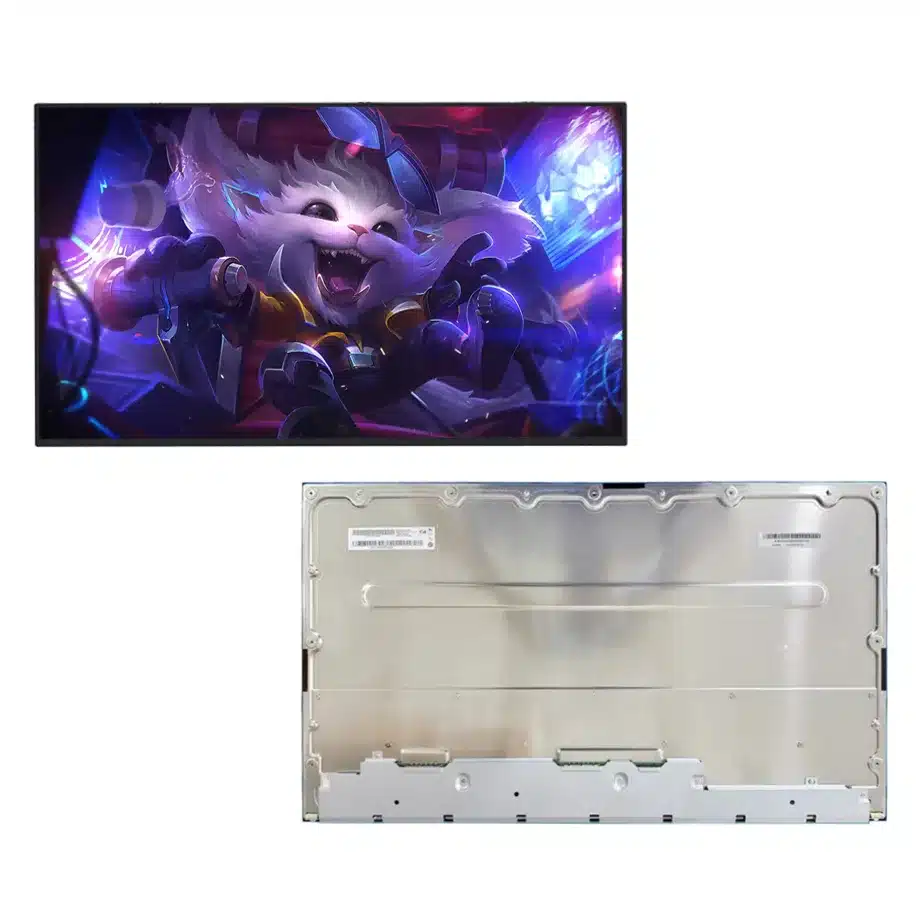
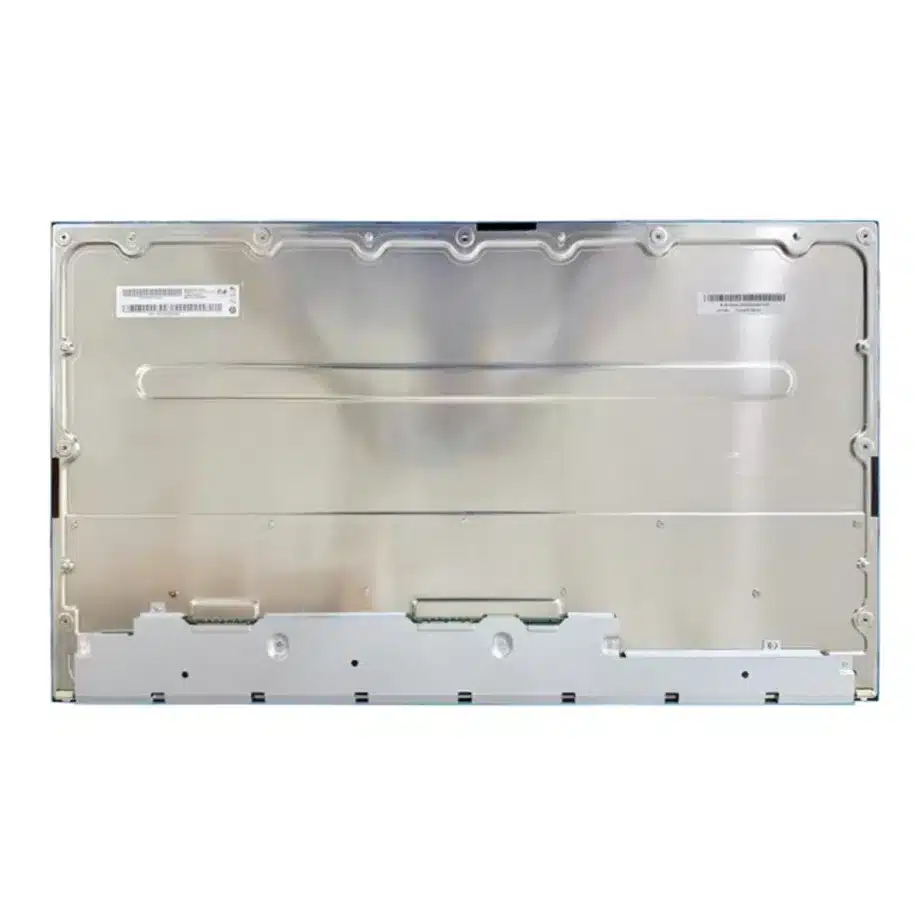
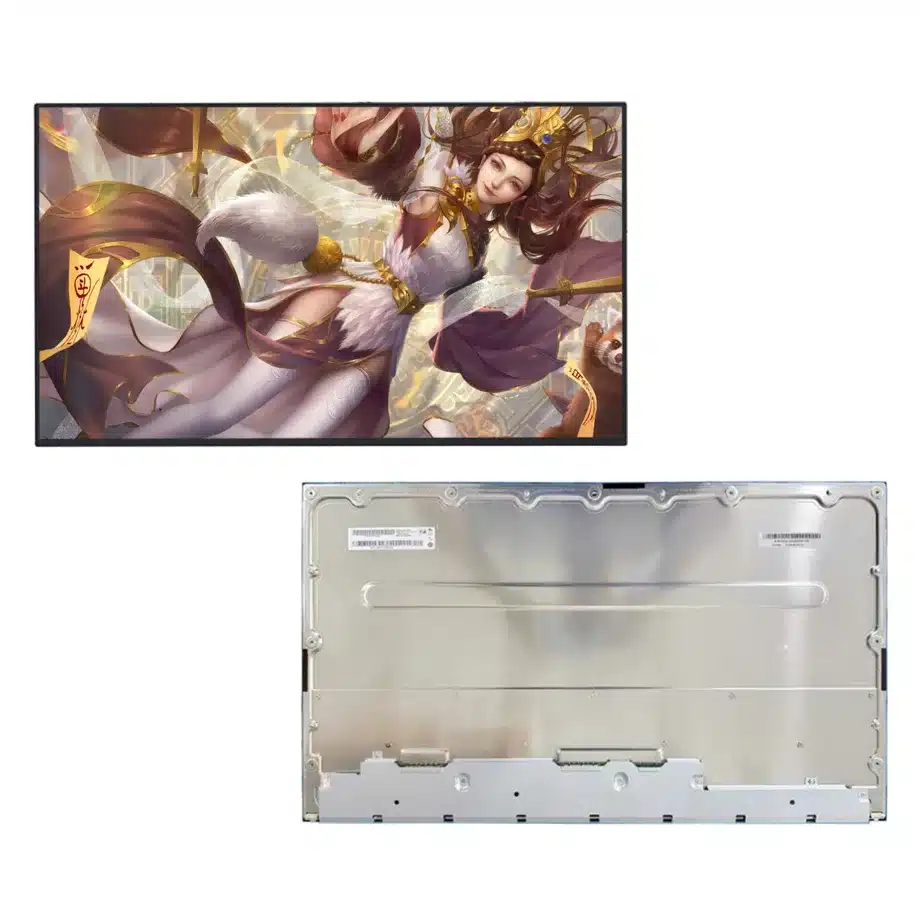
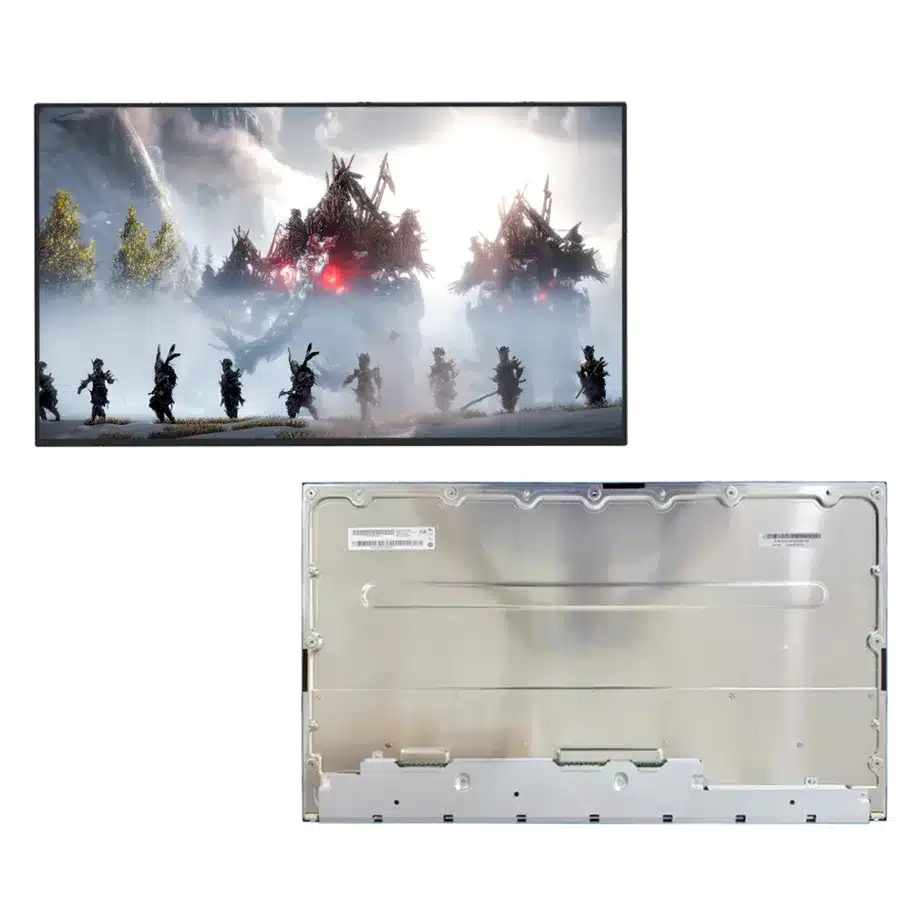
M270DAN13.6 Symmetric-View HBR2 HDR400 QHD Module AUO
Model P/N
Size
Resolution
Brightness
Viewing Angle
Connector Type
Operating Temp
Overall(mm)
auo
M270DAN13.6
Brand
Panel Size (inch)
Model P/N
Resolution
Brightness (nits)
Viewing Angle
Contrast Ratio
Response Time
Overall (mm)
Active Area (mm)
Refresh Rate
Display Colors
Panel Type
Connector Type
Surface Treatment
Operating Temp
Touchscreen Type
Storage Temp
Work Mode
Pixel Format
Designed For
Product Details
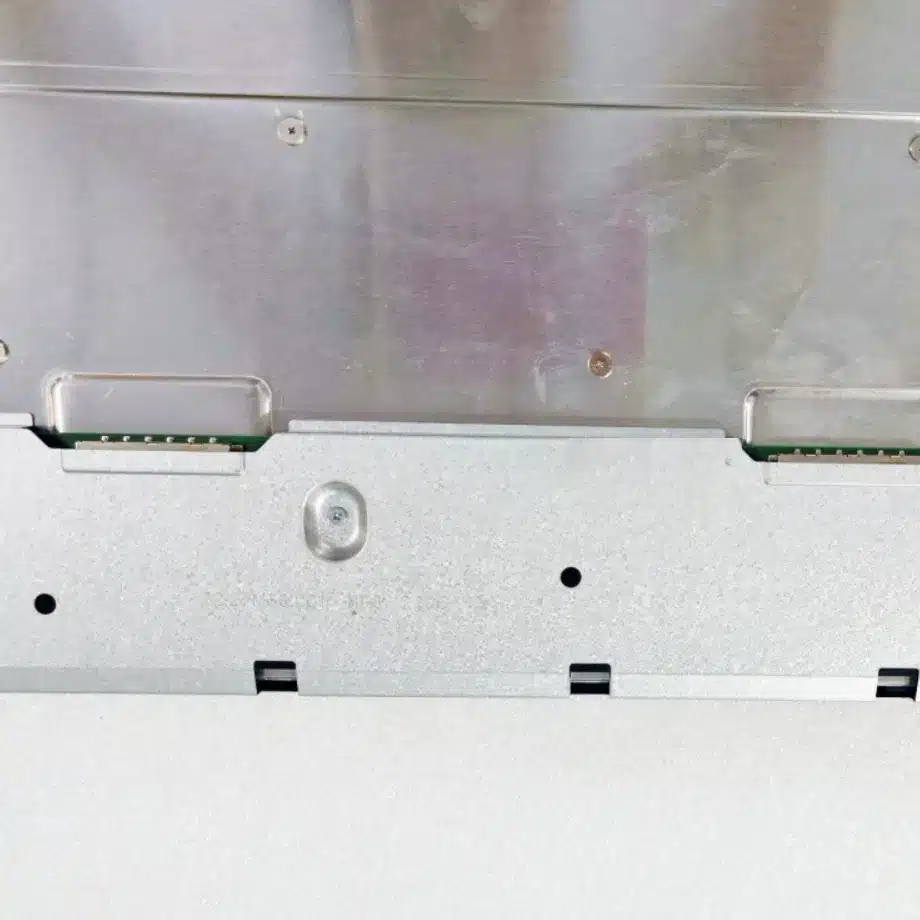
M270DAN13.6 Symmetric-View HBR2 HDR400 QHD Module is a 27-inch AUO a-Si TFT-LCD module for desktop monitor and gaming designs. The documented configuration combines 2560×1440 QHD resolution, 180 Hz refresh, four-lane HBR2 eDP, 400 cd/m² typical luminance and HDR400 wording. The exact-model application information also identifies 95% DCI-P3, giving system designers a useful performance-monitor baseline without turning a component label into a finished-monitor certification.
The available exact-model evidence does not resolve the external outline, module weight, input-voltage value or detailed backlight-life/driver configuration. Those fields remain blank rather than being borrowed from another M270DAN revision. Engineering can still qualify signal timing, active area, optics and thermal behavior while the mechanical drawing and missing electrical details are obtained through the approved supplier channel.
Three buyer value propositions
180 Hz QHD target for balanced gaming performance
The 2560×1440 image at 180 Hz provides a clear target for gaming monitors that want more detail than FHD without moving to 4K bandwidth. The four-lane HBR2 interface gives scaler teams a defined panel-facing transport for timing and cable qualification.
400-nit baseline with HDR400 and 95% DCI-P3 wording
The module provides 400 cd/m² typical luminance, HDR400 terminology and exact-model 95% DCI-P3 wording. These facts support a strong component-level optical brief. Final HDR behavior, calibration and certification remain properties of the complete monitor, including scaler processing, backlight control and factory setup.
AHVA symmetric viewing with 5 ms G2G response
The exact panel data combines 89-degree symmetric viewing, 1300:1 typical contrast and 5.0 ms typical G-to-G response. That gives buyers a practical motion and viewing baseline for gaming or multimedia use while leaving overdrive tuning and visible artifact control to the finished monitor implementation.
Key Specifications at a Glance
M270DAN13.6 Symmetric-View HBR2 HDR400 QHD Module should be qualified against the following exact-model baseline before production release.
| Brand | AUO |
|---|---|
| Model P/N | M270DAN13.6 |
| Size | 27.0 inch |
| Resolution | 2560(RGB)×1440, Quad-HD, 16:9 |
| Active Area | 596.736(H)×335.664(V) mm |
| Brightness | 400 cd/m² (Typ.), HDR400 wording |
| Viewing Angle | 89/89/89/89 (Typ.)(CR≥10) |
| Display Colors | 95% DCI-P3 |
| Refresh Rate | 180 Hz |
| Connector / Native Interface | eDP (4 Lanes), HBR2 (5.4G/lane) |
| Operating Temperature | 0 ~ 50 °C |
| Storage Temperature | -20 ~ 60 °C |
| Panel Type | a-Si TFT-LCD, LCM |
| Pixel Format | RGB Vertical Stripe |
| Surface Treatment | Antiglare (Haze 25%), Hard coating (3H) |
| Contrast Ratio | 1300:1 (Typ.) |
| Response Time | 5.0 ms (Typ.)(G to G) |
| Work Mode | AHVA, Normally Black, Transmissive |
| Backlight / Emission | WLED backlight |
| Designed For | Desktop monitor and gaming monitor integration; 180 Hz QHD performance platforms |
| Touchscreen Type | Without touch screen |
HBR2 timing for the native 180 Hz mode
Validate the four-lane HBR2 path at the actual 2560×1440/180 Hz timing using the production scaler and cable. Include repeated cold boot, power-save recovery, source switching and long-duration graphics loads. A lower refresh mode can hide cable or link-margin problems that appear only near the highest timing. Preserve the scaler firmware and cable revision with the release record. Connector details that are not supported by the exact packet should remain unresolved rather than being inferred from a related model.
HDR400 wording without turning it into system certification
The exact-model record contains HDR400 terminology alongside 400 cd/m² typical luminance. Use that as a panel capability input and design a system-level HDR test plan covering tone mapping, brightness control, dark-scene transitions and source metadata handling. Do not state that every monitor using the panel is HDR certified. Formal certification, if required, must be established for the complete product and its specific firmware, backlight and calibration configuration.
Using 95% DCI-P3 in a color acceptance plan
The same-model application data identifies 95% DCI-P3. Translate that into finished-monitor acceptance only after the scaler, color-processing path and brightness curve are defined. If the product promises a white point, gamma or color-error limit, measure those attributes on assembled units. The panel gamut wording does not guarantee factory calibration. Keep component gamut coverage and system calibration as separate procurement and marketing claims.
Mechanical engineering while outline data is unresolved
The active area is known at 596.736×335.664 mm, but the exact external outline and module weight are not resolved by reliable exact-model evidence. Do not copy dimensions from M270DAN12.0 CELL or another family member. Chassis tooling should wait for the exact M270DAN13.6 drawing or a controlled first article. Electrical and optical validation can proceed in parallel, but mechanical values should remain blank in the production record until direct evidence exists.
Response time and overdrive choices
The documented panel response is 5.0 ms typical G-to-G. If the monitor scaler adds overdrive, test overshoot, inverse ghosting and dark transitions at both 180 Hz and lower user-selectable modes. Do not invent a faster OD figure for the panel when none is documented in the exact record. Motion acceptance should reflect the final drive algorithm and user-visible artifacts, not just the component response value.
WLED information and unresolved driver details
The exact packet confirms a WLED backlight but does not establish backlight lifetime, LED-driver integration or a dedicated backlight electrical specification. Keep those missing facts unresolved. Before production release, obtain the exact electrical/drawing documentation needed for power and dimming design. If the monitor board owns the LED driver, validate current regulation and thermal behavior; if the panel contains driver electronics, confirm the control interface from direct evidence rather than family assumptions.
Thermal testing for a 400-nit gaming monitor
The panel operating range is 0 to 50 °C. Measure the local display environment during sustained 180 Hz gaming at the intended brightness while the scaler and power electronics are also loaded. Internal enclosure temperature can exceed room ambient, especially in thin monitor housings. Validate image stability, brightness behavior and link recovery after thermal soak. The component temperature range sets an engineering boundary but does not describe the finished monitor’s ambient operating specification.
Incoming-lot checks when some fields remain open
Unresolved outline or backlight details do not prevent identity control. Incoming inspection can verify the exact M270DAN13.6 marking, surface condition, connector area and agreed cosmetic limits, then run a functional 180 Hz sample check. Any lot that differs in interface behavior or physical construction should be quarantined for engineering review. Do not fill the open fields from a visually similar panel merely to simplify receiving documents.
Service replacement and family-name risk
AUO M270DAN models can share size and resolution while differing in timing, mechanics or interface details. Treat each revision as a separate identity. A proposed replacement should be compared against the M270DAN13.6 HBR2 link, 180 Hz mode, 400-nit/HDR400 optical record, surface treatment and eventual exact drawing. Family resemblance is useful for discovery but is not a substitute for a controlled compatibility decision.
Release dossier and evidence closure
For M270DAN13.6 Symmetric-View HBR2 HDR400 QHD Module, retain the native timing, production cable, scaler firmware, 95% DCI-P3 optical checks, 400-nit/HDR behavior and thermal results. Track the missing mechanical and power/backlight details as open engineering inputs until exact-model documentation resolves them. Once new facts are accepted, rerun the dependent mechanical or content checks rather than retrofitting assumptions from another product.
Closing the mechanical-data gap before tooling
The missing outline values should be treated as a concrete procurement dependency, not as an invitation to estimate. Request the exact drawing from the qualified supply path and reconcile it with a physical sample before releasing bezel, stand or rear-cover tooling. Once direct evidence is available, update only the affected mechanical fields and rerun fit-related QA. This preserves traceability and avoids propagating a provisional family-based dimension into production documentation.
Scaler tuning for mixed office and gaming modes
A 180 Hz QHD monitor may expose lower refresh modes for desktop or compatibility use. Validate each intended mode for stable link behavior, scaling and transition quality, then check that source changes return to the correct panel timing. The panel can support a high-refresh gaming role while the finished monitor still needs predictable behavior for ordinary desktop workloads. Document the supported mode set rather than assuming every intermediate timing is equally robust.
Optical consistency with unresolved backlight details
Even though lifetime and driver integration are unresolved, production samples can still be screened for the documented 400-nit class, visible uniformity and color behavior after the approved monitor architecture is known. Keep the backlight implementation evidence separate from panel identity. If later documentation establishes a specific driver or lifetime rating, add it through the exact-model completion path rather than retroactively treating a provisional system observation as a manufacturer specification.
Source-mode compatibility for a QHD performance monitor
Define which external source timings the finished monitor will accept and how the scaler converts them to the native 2560×1440 panel timing. Test source loss, reconnect, sleep, lower refresh modes and return to 180 Hz. This makes the scaler behavior reproducible and helps separate source-interface problems from the panel-facing HBR2 path. Keep the approved timing table with the firmware release so later software changes can be regression-tested.
Engineering and sourcing review
M270DAN13.6 Symmetric-View HBR2 HDR400 QHD Module should remain tied to the exact interface, mechanical evidence, optical acceptance and system configuration used during qualification. Preserve the approved cable, drawing, firmware or scaler baseline, and rerun the affected checks whenever those dependencies change. This approach supports controlled sourcing without implying universal compatibility, certification, guaranteed lifecycle, stock, MOQ or lead time.
Recommended: Same Size
(27")
Applications & Value of LCD Panel

- Fast sourcing with in-stock panels & cross-reference alternatives
- Stable supply chain with long-term availability
- Engineering-level support from panel to integration
- Custom solutions: cable, touch & optical bonding
- Strict quality control with IQC / OQC / aging test
- Full traceability system for quality assurance
- Complete technical documentation & drawings
- Compliance support: RoHS & certification files
