
~
~
~
~
~
~
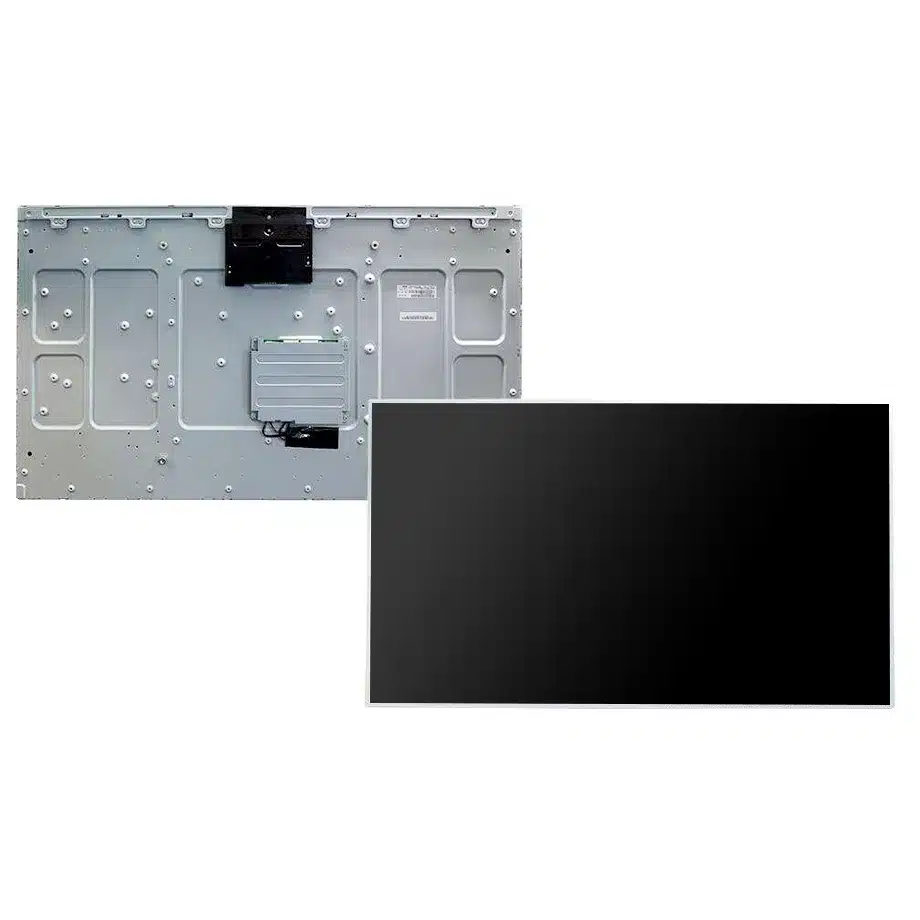
P430QVN07.0 UHD Digital Signage LCM 50K-Hour AUO
Model P/N
Size
Resolution
Brightness
Viewing Angle
Connector Type
Operating Temp
Overall(mm)
auo
P430QVN07.0
Brand
Panel Size (inch)
Model P/N
Resolution
Brightness (nits)
Viewing Angle
Contrast Ratio
Response Time
Overall (mm)
Active Area (mm)
Refresh Rate
Display Colors
Panel Type
Connector Type
Surface Treatment
Operating Temp
Touchscreen Type
Storage Temp
Work Mode
Pixel Format
Input Voltage (V)
Weight (g)
Designed For
Product Details
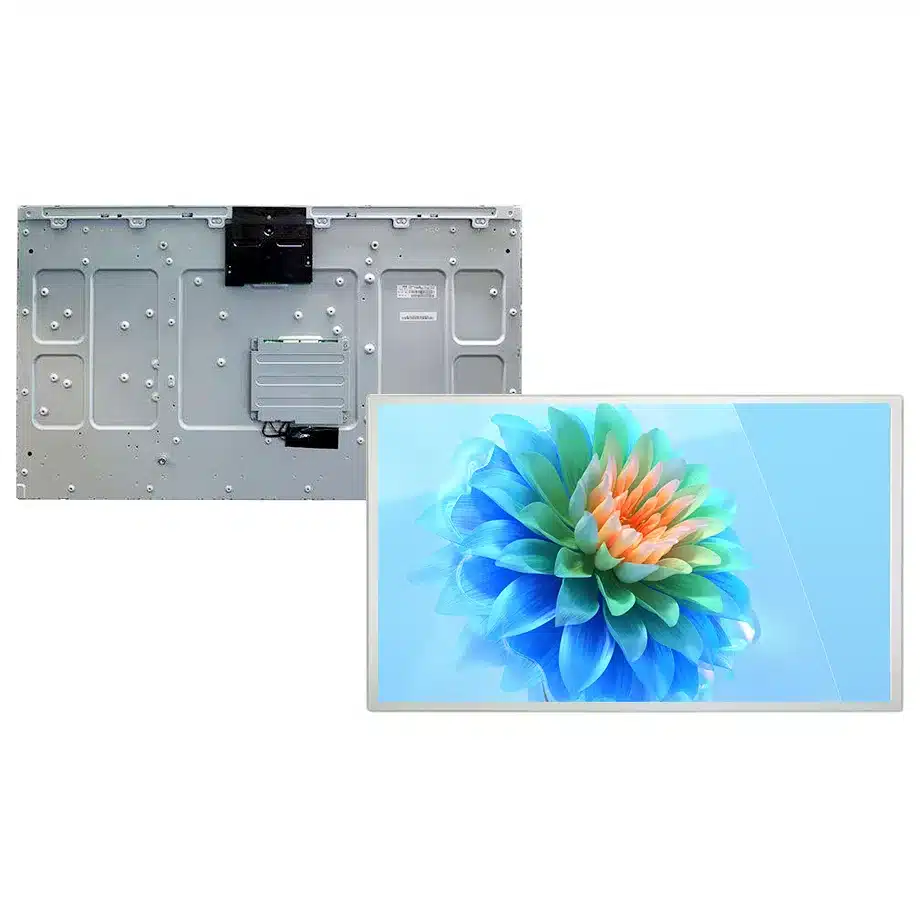
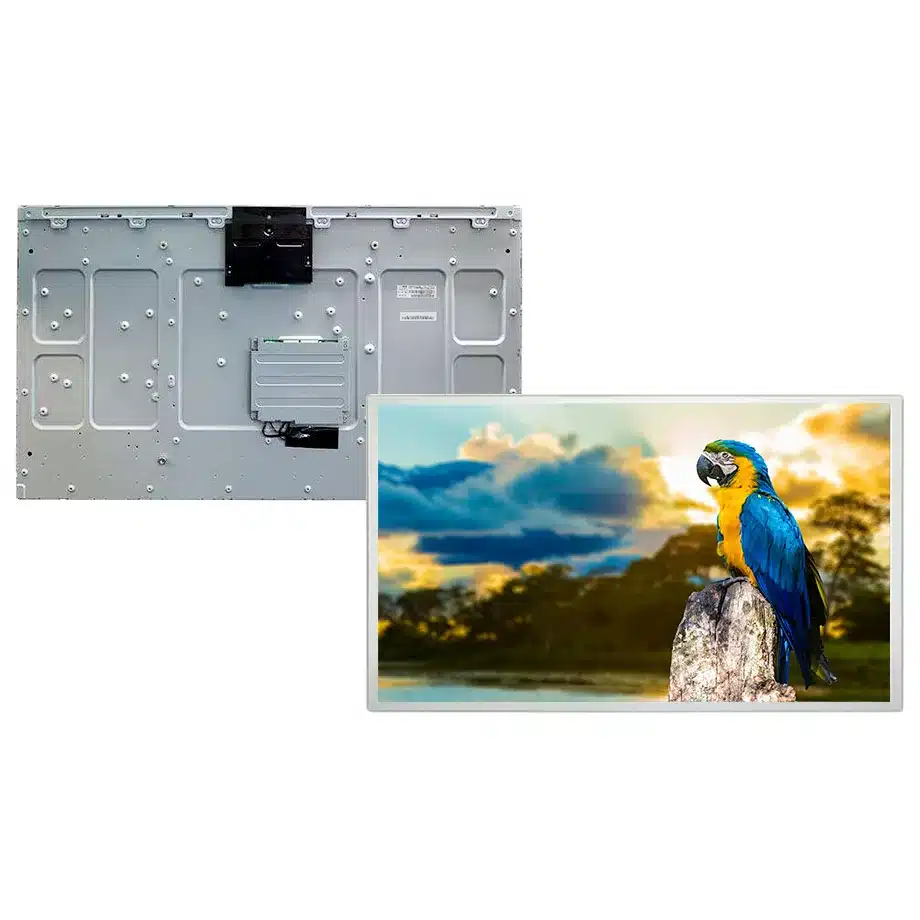
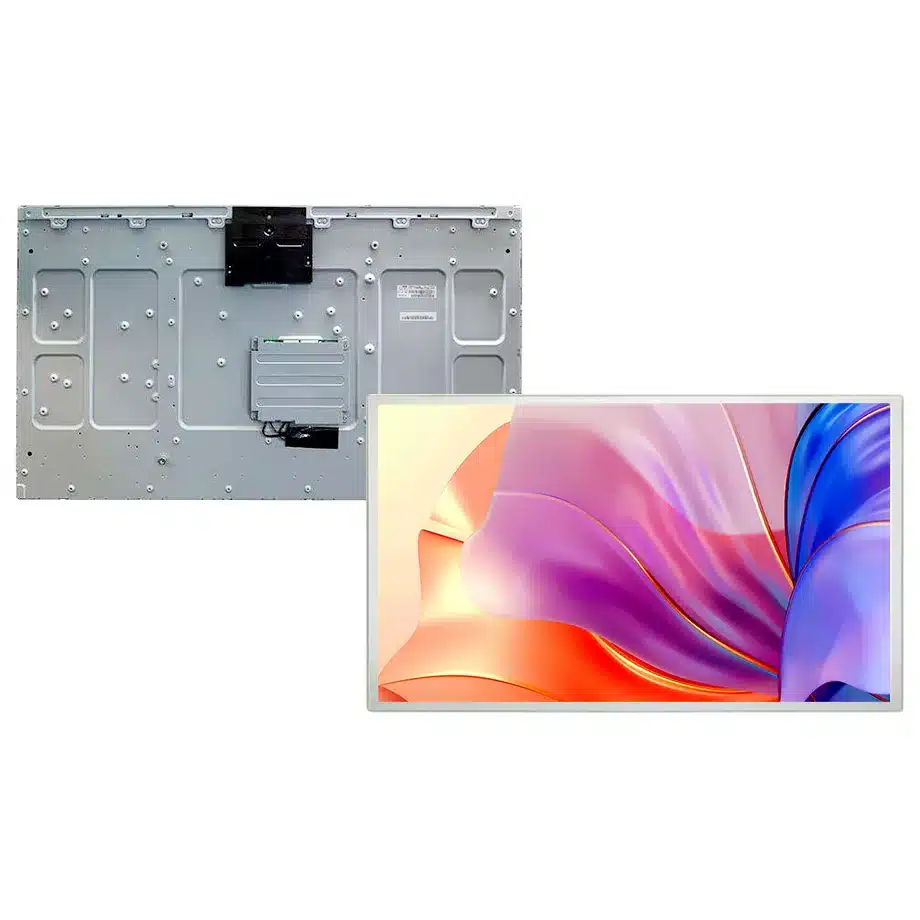
P430QVN07.0 UHD Digital Signage LCM is the controlled component reference for engineering, procurement and system-integration review of this exact 43 inch AUO configuration.
P430QVN07.0 is a 43 inch AUO a-Si TFT-LCD, LCM with 3840(RGB)×2160, UHD, 16:9, 500 cd/m² (Typ.) and eDP (4 Lanes), HBR2 (5.4G/lane), 51 pins connector. The current-run packet establishes the electrical, optical, thermal and mechanical baseline. System-level behavior still has to be demonstrated on the intended host, cable, enclosure and firmware stack.
Three buyer value propositions
Landscape and portrait placement for signage chassis planning
The exact-model evidence explicitly supports landscape and portrait placement. That gives enclosure and content teams a defined orientation baseline while still requiring the T-Con position, airflow and mounting details to follow the exact mechanical specification.
50,000-hour WLED rating with integrated driver
The WLED system is listed with a 50K-hour component rating and integrated LED driver. This is useful for signage maintenance planning, but it remains a backlight rating rather than a guaranteed finished-display service life or uptime commitment.
500-nit UHD AMVA3 optical package
The 43-inch module combines 3840×2160 resolution, 500 cd/m² typical luminance and 3500:1 typical contrast. These facts support indoor or controlled-light signage evaluation without implying sunlight readability, HDR certification or a calibrated color standard.
P430QVN07.0 UHD Digital Signage LCM should be qualified as one exact configuration; shared diagonal, resolution or connector family is not enough to establish drop-in equivalence.
Key Specifications at a Glance
| Brand | AUO |
|---|---|
| Model P/N | P430QVN07.0 |
| Size | 43 inch |
| Resolution | 3840(RGB)×2160, UHD, 16:9 |
| Active Area | 941.184×529.416 mm (H×V) |
| Overall | 963.7×552×28.3 mm |
| Brightness | 500 cd/m² (Typ.) |
| Viewing Angle | 89/89/89/89 (Typ.)(CR≥10) |
| Display Colors | 1.07B, 72% NTSC |
| Weight | 9.50 kg (Typ.) |
| Refresh Rate | 60 Hz |
| Connector / Native Interface | eDP (4 Lanes), HBR2 (5.4G/lane), 51 pins connector |
| Input Voltage | 12.0 V (Typ.) |
| Operating Temperature | 0 ~ 50 °C |
| Storage Temperature | -20 ~ 60 °C |
| Panel Type | a-Si TFT-LCD, LCM |
| Pixel Format | RGB Vertical Stripe |
| Surface Treatment | Antiglare (Haze 50%), Hard coating (3H) |
| Contrast Ratio | 3500:1 (Typ.) |
| Response Time | 16 ms (Typ.)(G to G) |
| Work Mode | AMVA3, Normally Black, Transmissive |
| Backlight / Emission | 50,000 hours (WLED, integrated LED driver) |
| Designed For | Digital signage integration; landscape and portrait UHD information-display platforms |
| Touchscreen Type | Without touch screen |
Orientation-specific mechanical release
Landscape and portrait use should be treated as two mechanical configurations, not merely a software rotation. Verify the exact T-Con-side placement, cable reach, venting path and mounting support in each approved orientation. The datasheet orientation guidance should be reflected in assembly drawings so production technicians do not rotate the module arbitrarily.
Digital-signage thermal planning
A 43-inch backlit module can accumulate heat in sealed or shallow signage enclosures. Instrument the rear panel, T-Con region and power electronics during sustained white, video and dark-content workloads. The 0 to 50 °C panel operating range is a component boundary, so fan strategy, vent area and brightness policy should be based on measured internal temperatures.
HBR2 eDP system validation
The module uses four HBR2 eDP lanes through a 51-pin connection. Validate link training, cable routing, grounding and recovery with the production controller board at native 3840×2160/60 Hz. Source changes, controller resets and long-duration playback should be included because intermittent link faults may not appear in a short image-on check.
Integrated backlight-driver behavior
The WLED driver is integrated with the module, which simplifies the system backlight architecture but does not remove firmware and power-sequence responsibilities. Verify brightness control, startup level, dimming range and recovery after power interruption. If the signage controller changes, repeat the brightness and power-transition tests rather than assuming equivalent control behavior.
50K-hour wording and lifecycle boundaries
The 50,000-hour figure is a light-source rating in the supplied component data. It should not be translated into a guaranteed monitor lifetime, warranty duration or maintenance interval without system-level reliability evidence. Keep separate records for backlight rating, enclosure thermal conditions, operating schedule and any service assumptions used by the final signage program.
High-haze surface in public environments
A 50% haze antiglare surface can help manage reflections in indoor public spaces, but the visible result depends on ambient lighting and viewing distance. Evaluate text contrast, image sharpness and glare in representative installation lighting. Do not convert the matte surface specification into a sunlight-readable claim; the current evidence only confirms 500 cd/m² typical luminance.
AMVA3 contrast and dark-scene review
The 3500:1 typical contrast ratio is a panel-level transmissive value. Test dark content, menu overlays and black-background information screens after the module is installed in the finished enclosure. Bezel pressure, temperature and signal processing can alter perceived black level, so acceptance should be defined on complete units if dark-scene quality matters.
Portrait content and pixel-layout checks
When using portrait mode, verify content scaling, EDID handling, boot graphics and any embedded player UI before deployment. The physical panel supports portrait placement, but the source system still needs correct orientation and native timing. Include startup screens and service menus, not only the main application, because rotated support can fail in pre-OS environments.
Mounting load for a 9.5 kg module
At 9.50 kg typical module weight, frame stiffness and mounting support are important. Use the exact 963.7×552×28.3 mm envelope and approved mounting points. Check transport vibration, service access and connector strain in the finished cabinet. Do not let the rear frame or bezel create localized pressure on the active-area edge.
Color-depth and content-pipeline alignment
The module supports 1.07B colors. The finished signage player, scaler and content path should be configured consistently so banding or format conversion is not introduced upstream. The 72% NTSC wording is a component gamut reference; it does not establish a particular color-calibration tolerance for the completed signage product.
Continuous-operation acceptance
If the end product is intended for long daily duty cycles, validate thermal stability, brightness consistency, image retention behavior and power recovery under the real schedule. Do not infer 24/7 certification from the application label or backlight life figure unless a separate exact-model requirement explicitly supports it.
Incoming lot control
Incoming inspection should confirm model identity, surface condition, connector integrity and agreed cosmetic criteria. A representative sample can be powered at native UHD timing and checked in both planned orientations. Keep supplier-lot traceability so any later variation in brightness control or signal behavior can be isolated quickly.
Replacement and alternate screening
Another 43-inch UHD panel is not automatically equivalent. Compare outline, weight, T-Con location, 51-pin eDP definition, power, contrast, brightness, orientation support and backlight-driver architecture. A commercial alternate should be treated as a new qualification until these fields and the finished enclosure behavior are verified.
Evidence-bounded signage claims
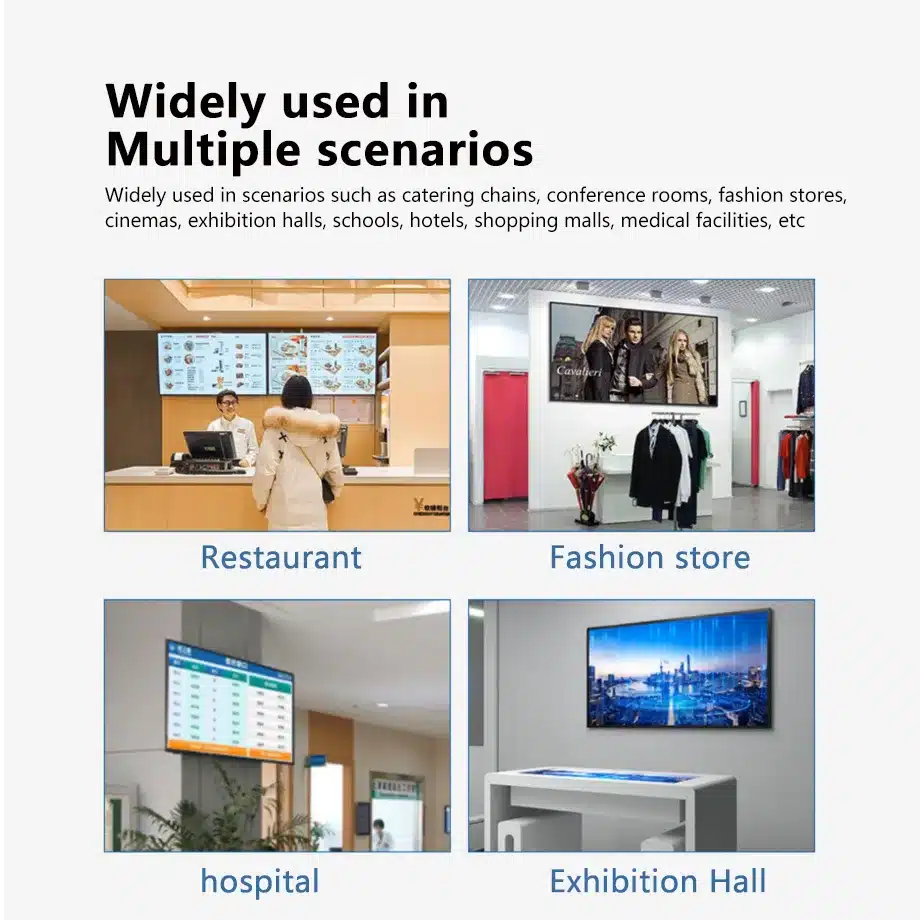
Public copy can state 43-inch UHD, 500 cd/m², 3500:1 typical contrast, landscape/portrait support and 50K-hour WLED component rating. It should avoid unsupported outdoor-readability, HDR, ingress-protection, continuous-duty or lifecycle guarantees. Those claims require evidence beyond the panel specification.
Portrait installation service access
A portrait cabinet can move the T-Con and service connectors to a side that is harder to reach after installation. Review cable bend, connector retention and maintenance access in the final wall mount or kiosk structure. Service procedures should identify the approved panel orientation and safe removal sequence so technicians do not twist the module or load the connector when replacing control electronics.
Power interruption and signage recovery
Public-information systems can experience scheduled shutdowns, brownouts or remote reboots. Test the panel/controller combination through repeated power interruption and restoration, including cases where the media player and display electronics start at different times. The goal is reliable return to native UHD output and the intended brightness level without manual intervention. This is a system acceptance test, not a panel-only reliability guarantee.
Viewing-distance acceptance
At 43 inches and UHD resolution, the intended viewing distance affects whether the extra pixel density provides useful information or merely increases rendering load. Review text size, wayfinding graphics and video content at representative installation distances. The panel specification establishes the native canvas, but content design should be validated in the actual deployment environment rather than copied from a smaller display template.
Content burn-in and static-layout review
Digital signage commonly presents logos, menus or wayfinding elements for long periods. Include representative static and mixed-motion content in acceptance testing and observe whether the finished system shows persistent image artifacts under the intended schedule. Any mitigation policy belongs to the complete signage design and operating profile; the panel application label alone does not establish a guaranteed result for every static-content duty cycle.
Deployment dossier
For field deployment, retain the exact panel drawing, controller firmware, eDP cable, orientation instructions, brightness configuration and thermal test results. This package gives installers and service teams a consistent reference and reduces the chance that a visually similar UHD module is substituted without engineering review.
P430QVN07.0 UHD Digital Signage LCM belongs in the released sourcing dossier together with the exact drawing, production interface hardware and test evidence used to approve the target system.
Engineering and sourcing review
Before release, provide the target host or controller, mechanical drawing, production cable, power design and acceptance criteria. Qualification should verify native timing, interface behavior, optical performance, touch behavior where applicable and mechanical fit for the exact P430QVN07.0 configuration.
P430QVN07.0 UHD Digital Signage LCM should remain the reference term for this approved component package so future lots and substitutes can be evaluated against the same evidence.
Recommended: Same Size
(43")
Applications & Value of LCD Panel

- Fast sourcing with in-stock panels & cross-reference alternatives
- Stable supply chain with long-term availability
- Engineering-level support from panel to integration
- Custom solutions: cable, touch & optical bonding
- Strict quality control with IQC / OQC / aging test
- Full traceability system for quality assurance
- Complete technical documentation & drawings
- Compliance support: RoHS & certification files
