~
~
~
~
~
~
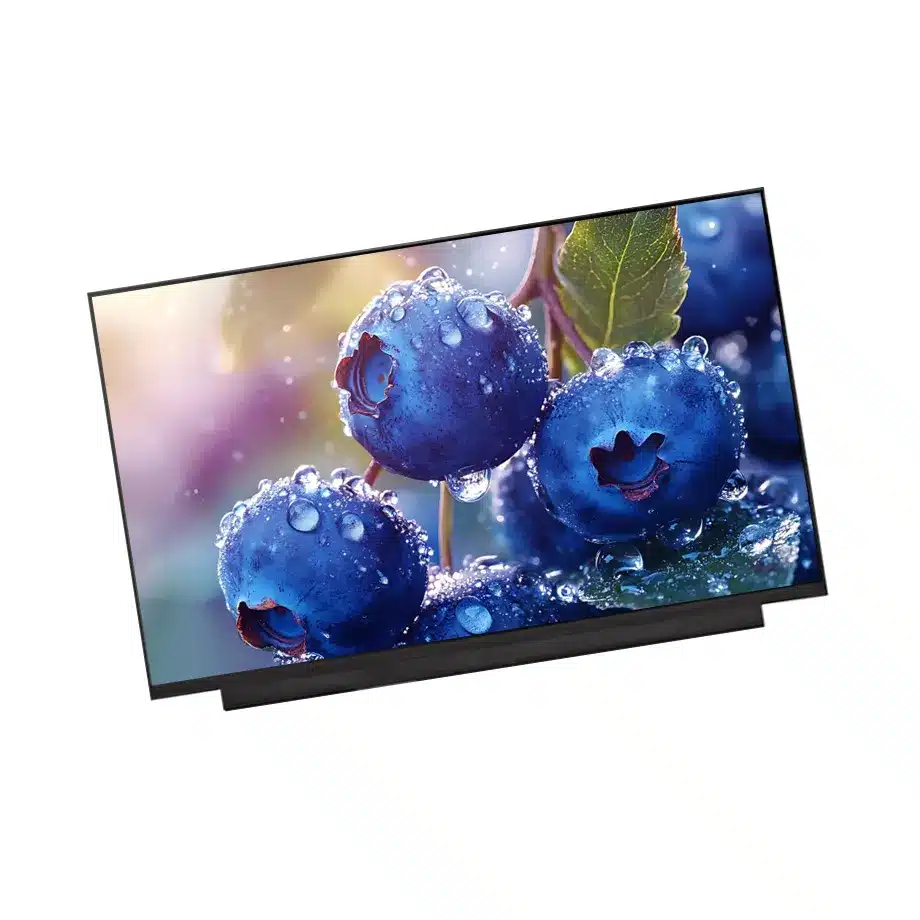
QMC265FA01-D01 Q-Square QHD OLED Module 26.5″ Samsung
Model P/N
Size
Resolution
Brightness
Viewing Angle
Connector Type
Operating Temp
Overall(mm)
samsung
QMC265FA01-D01
Brand
Panel Size (inch)
Model P/N
Resolution
Brightness (nits)
Viewing Angle
Contrast Ratio
Response Time
Overall (mm)
Active Area (mm)
Refresh Rate
Display Colors
Panel Type
Connector Type
Surface Treatment
Operating Temp
Touchscreen Type
Storage Temp
Work Mode
Pixel Format
Input Voltage (V)
Weight (g)
Designed For
Product Details
Product Overview
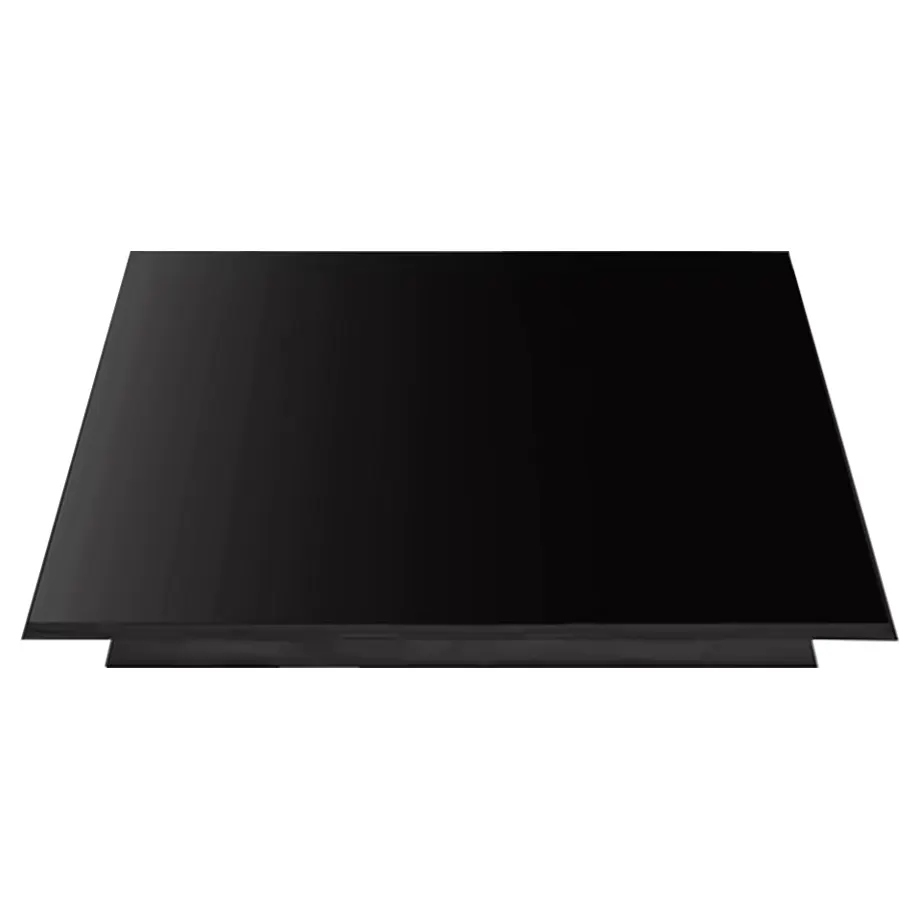
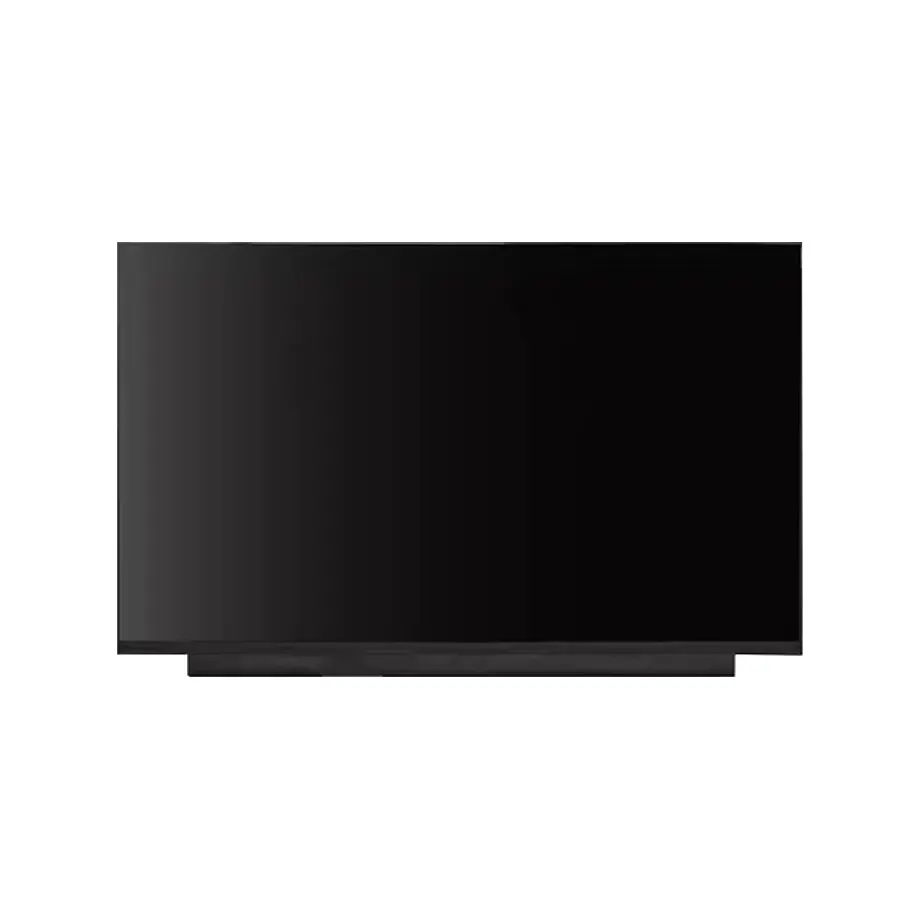
QMC265FA01-D01 Q-Square QHD OLED Module is a 26.5-inch Samsung AM-OLED full module for desktop-monitor and gaming integration. The native image format is 2560(RGB)×1440 QHD at 16:9 with a Q-Square pixel layout and a 590.42 × 333.72 mm active area. The exact-model mechanical specification confirms a 2.06 mm module depth within a 606.31 × 344.2 mm outline, while panel mass is 850 g typical. The module is self-emissive, provides 250 cd/m² typical luminance, carries HDR400 feature wording, and is specified at 1,500,000:1 typical contrast.
The panel runs at 240 Hz with 0.1 ms typical gray-to-gray response time, 1.07B colors and 99% DCI-P3 wording. It is supplied without touch and uses a 16-lane V-by-One interface on a 163-pin 0.5 mm connector. The panel power rails are 10.5 V VDD and 20.7 V ELVDD typical. Exact-model documentation describes a self-emitting source with a 30K-hour reference and identifies QD-OLED as a feature. HDR400 is preserved as product wording; no claim of formal VESA DisplayHDR certification is made without model-specific certification evidence.
Three Core Buyer Value Propositions
1. Self-emissive QD-OLED architecture changes the optical and thermal integration model
Unlike an LCD module that depends on a separate LED backlight, this AM-OLED module generates image light at the panel. Samsung Display describes QD-OLED as a self-emissive architecture that combines OLED light generation with quantum-dot color conversion. For monitor engineers, that means there is no LCD backlight stack to size around panel transmissivity, while thermal behavior, drive electronics and image-content loading become important parts of system validation. Finished brightness and power should be measured in the target operating modes rather than inferred from an LCD-style backlight model.
2. 240 Hz, 0.1 ms G2G and 10-bit color define a premium gaming-monitor qualification envelope
The exact model combines QHD resolution, a 240 Hz frame rate, 0.1 ms typical G2G response and 1.07B colors. These are strong component-level requirements for a gaming-monitor design, but they do not guarantee end-to-end latency, frame rate or color accuracy. The scaler, source interface, frame processing, firmware and OLED drive behavior all contribute to the finished product. Qualification should treat panel response, refresh rate, source bandwidth and system latency as distinct measurements rather than compressing them into one marketing claim.
3. Sixteen V-by-One lanes and dual panel rails create a specific controller-design target
The panel-native interface is V-by-One with 16 lanes, using a 163-pin 0.5 mm connector and separate 10.5 V VDD / 20.7 V ELVDD typical rails. That is a materially different integration problem from an eDP or LVDS laptop panel. The controller board must generate the exact timing and native panel signaling, while power conversion and sequencing must satisfy both rails. An HDMI or DisplayPort input on the finished monitor belongs to the controller side and does not make those external interfaces native to the OLED module.
Key Specifications at a Glance
| Parameter | Confirmed value |
|---|---|
| Manufacturer / model | Samsung QMC265FA01-D01 |
| Display size | 26.5 inch |
| Panel type | AM-OLED, OLED full module |
| Native resolution | 2560(RGB)×1440 QHD, 16:9 |
| Pixel layout | Q-Square |
| Active area | 590.42 × 333.72 mm |
| Outline | 606.31 × 344.2 × 2.06 mm |
| Weight | 850 g typical |
| Brightness | 250 cd/m² typical; HDR400 feature wording |
| Contrast ratio | 1,500,000:1 typical |
| Viewing-angle values | 89/89/89/89 minimum at CR≥10000 |
| Response time | 0.1 ms typical G2G |
| Colors | 1.07B, 99% DCI-P3, Low Blue Light |
| Surface | Hard coating 2H, antireflection |
| Refresh rate | 240 Hz |
| Native interface | V-by-One, 16 lanes |
| Connector | 163 pins, 0.5 mm pitch |
| Panel input | 10.5 / 20.7 V typical, VDD / ELVDD |
| Emission / life reference | Self-emitting, 30K hrs |
| Touch | Without touch screen |
| Operating / storage | 0 to 45 °C / -20 to 60 °C |
What QD-OLED changes compared with an LCD monitor panel
Samsung Display describes QD-OLED as a self-emissive display in which OLED light interacts with quantum-dot material to produce color. Its QD-OLED technology overview provides useful manufacturer context for the architecture. That context is consistent with the exact model’s self-emitting description and QD-OLED feature wording, but it should not be used to assign later-generation features or certifications to QMC265FA01-D01.
For QMC265FA01-D01 Q-Square QHD OLED Module, the practical system implication is that black level, luminance, color and thermal behavior come from the emissive panel and its drive conditions rather than from an LCD cell plus separate backlight. Image-content distribution can influence OLED loading, so monitor validation should include both full-screen and windowed patterns, static and moving content, and representative user brightness settings. Any protection, compensation or image-retention management implemented by the finished monitor should be validated at system level.
HDR400 wording is not automatically a certification claim
The exact-model feature list includes HDR400, and the brightness field is 250 cd/m² typical. That combination should be reported carefully. A feature phrase in a component database is not sufficient evidence that a finished monitor or this exact panel has completed a formal VESA DisplayHDR certification process. HDR performance also involves peak-luminance behavior, black level, color, signal processing and test conditions beyond a single typical brightness number.
Procurement documents can preserve “HDR400 feature wording” as a model fact while requiring separate certification evidence when a program needs a formal logo or compliance statement. The finished monitor also needs source-side HDR signaling, tone mapping and firmware behavior. Measure representative HDR content and test the intended APL conditions rather than assuming the 250-nit typical value describes every HDR operating point.
V-by-One interface planning for a 16-lane OLED module
QMC265FA01-D01 Q-Square QHD OLED Module uses a 16-lane V-by-One panel interface rather than eDP, LVDS or a consumer external connector. The 163-pin 0.5 mm connector creates a dense cable and board-layout problem that should be addressed with the exact pin map, signal-integrity requirements and timing documentation. Controller selection should begin from the native QHD/240 Hz timing and the panel interface, then work outward to external inputs such as DisplayPort or HDMI.
Power design also needs both VDD and ELVDD rails at the documented 10.5 V and 20.7 V typical values. The finished board must sequence and regulate these rails according to the panel specification. Do not combine them into a single “monitor input voltage” field or substitute the external AC-adapter rating. Thermal checks should include the power-conversion components as well as the panel because the system must sustain 240 Hz operation under realistic gaming content.
240 Hz and 0.1 ms belong to different performance layers
A 240 Hz refresh rate defines how often the panel can present frames under its specified timing, while the 0.1 ms G2G value describes a panel pixel-transition measurement. Neither number alone determines total click-to-photon latency. The monitor scaler, frame buffers, source GPU, synchronization mode and firmware can add separate delay. Gaming qualification should therefore test full-system latency and frame pacing instead of presenting the panel response figure as the complete user experience.
At high refresh, cable integrity and controller timing should be stressed with long-duration patterns and repeated mode changes. If the finished monitor supports multiple refresh rates or adaptive synchronization, test each supported path. The component-level 240 Hz specification is strong evidence for a high-refresh monitor architecture, but it does not prove that an unqualified controller board can drive the exact panel or that every external source format maps correctly to the native module.
10-bit color and 99% DCI-P3: gamut is not calibration
The panel supports 1.07B colors and is documented at 99% DCI-P3. Those values are useful for a premium monitor specification because they define bit-depth and gamut targets. They do not establish Delta E, white point, gamma, uniformity or a factory-calibration process. A creator-oriented or color-managed monitor should define its own measurement limits and verify the complete display pipeline at representative brightness levels.
Low Blue Light appears in the exact-model feature set and should remain a bounded feature phrase unless a named certification is documented. The antireflection surface and 2H hard coating also influence the user-facing optical result. Test the complete front surface under intended ambient lighting, especially if a finished monitor adds protective film or another front layer that can change reflections and perceived black level.
Mechanical integration of a thin 26.5-inch OLED full module
The exact-model specification confirms a 2.06 mm module depth, with a 606.31 × 344.2 mm outline and 850 g typical mass. These figures are useful for bezel, rear-cover and support-frame planning. Thin modules still need controlled support because localized pressure, board flex or connector strain can damage the panel. Use the current mechanical drawing to define support zones, connector clearance and handling requirements instead of assuming another 26.5-inch QD-OLED shares the same details.
Incoming inspection should verify the exact QMC265FA01-D01 suffix, surface condition, connector integrity and outline before assembly. The panel is without touch; adding a touch sensor or cover layer changes thickness, optical reflection and thermal behavior and should be treated as a new system configuration. The 0 to 45 °C operating range is a component limit, not evidence of industrial-wide-temperature or rugged qualification.
Application fit: QHD gaming and premium desktop monitors
QMC265FA01-D01 Q-Square QHD OLED Module is documented for Desktop Monitor and Gaming applications. The strongest fit is a controller and enclosure designed specifically around the 26.5-inch QHD self-emissive module, 240 Hz timing, 16-lane V-by-One interface, dual power rails and 99% DCI-P3 wording. It can support gaming or premium desktop products whose system requirements align with these facts. No exact finished-monitor model compatibility, lifecycle guarantee or formal HDR certification is implied.
Because the module is self-emissive, monitor design should include OLED-specific thermal, static-image and brightness validation. The 30K-hour reference is a component life reference under its stated basis and should not be converted into a finished-monitor warranty. Procurement should also request current revision and change-status information when repeat purchasing matters; present production or stock information is not a guaranteed supply duration.
Procurement and validation checklist
- Lock the complete Samsung QMC265FA01-D01 identity and reject unapproved OLED substitutions.
- Validate native 2560×1440 timing at 240 Hz on the intended monitor controller.
- Confirm the 16-lane V-by-One path, 163-pin 0.5 mm connector and exact pin assignment.
- Design and sequence the 10.5 V VDD and 20.7 V ELVDD rails according to the panel specification.
- Check the 606.31 × 344.2 × 2.06 mm outline and 850 g typical mass against the chassis.
- Validate 250 cd/m² typical luminance, 99% DCI-P3, antireflection surface and black-level behavior in the finished monitor.
- Treat HDR400 as feature wording unless model-specific certification evidence is supplied.
- Measure total system latency separately from the 0.1 ms panel G2G value.
- Confirm the no-touch architecture and request current revision/change-status information before volume procurement.
For qualification of QMC265FA01-D01, provide the controller architecture, V-by-One cable and pinout plan, power-rail design, chassis drawing, QHD/240 Hz timing target, color and HDR acceptance limits, thermal conditions and required quantity. Exact-model qualification should control the decision so that the OLED module, controller, power system and mechanical design are treated as one engineered display subsystem.
Recommended: Same Size
(26.5")
Applications & Value of LCD Panel

- Fast sourcing with in-stock panels & cross-reference alternatives
- Stable supply chain with long-term availability
- Engineering-level support from panel to integration
- Custom solutions: cable, touch & optical bonding
- Strict quality control with IQC / OQC / aging test
- Full traceability system for quality assurance
- Complete technical documentation & drawings
- Compliance support: RoHS & certification files