Freya Yang
+86 18318948097
+852 62667476
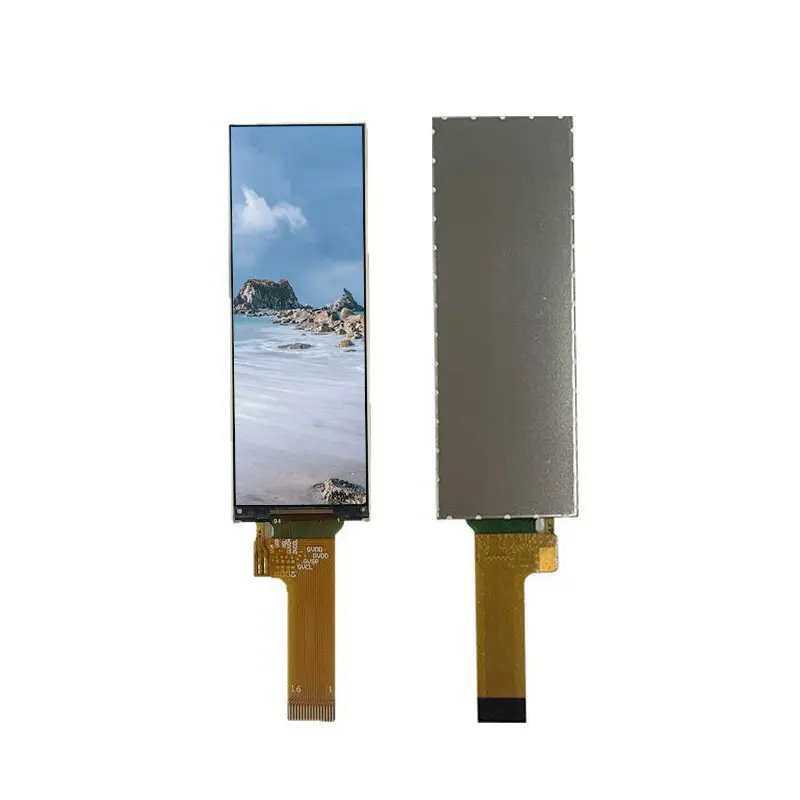
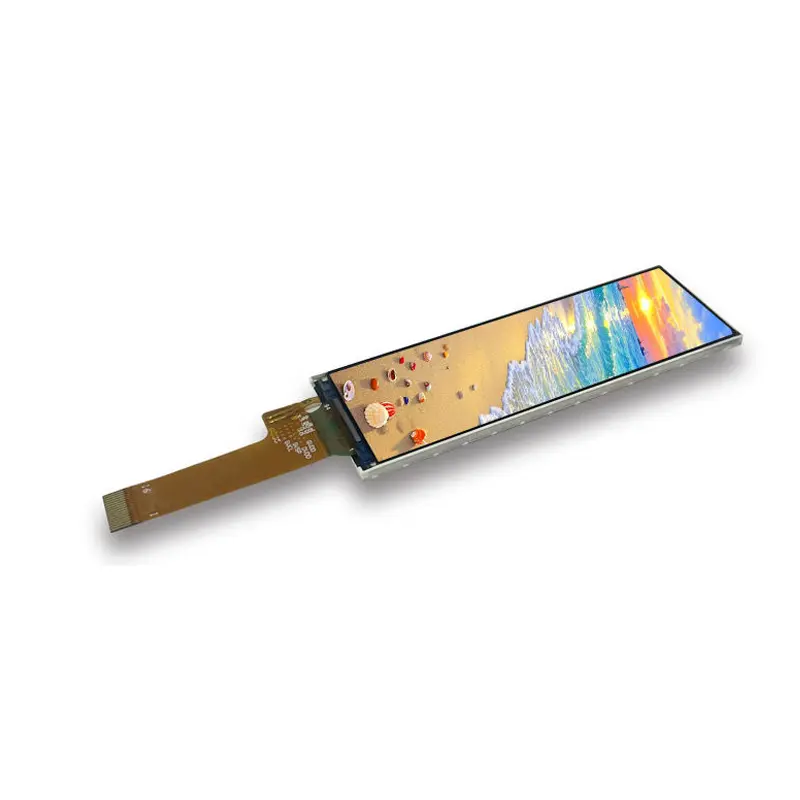
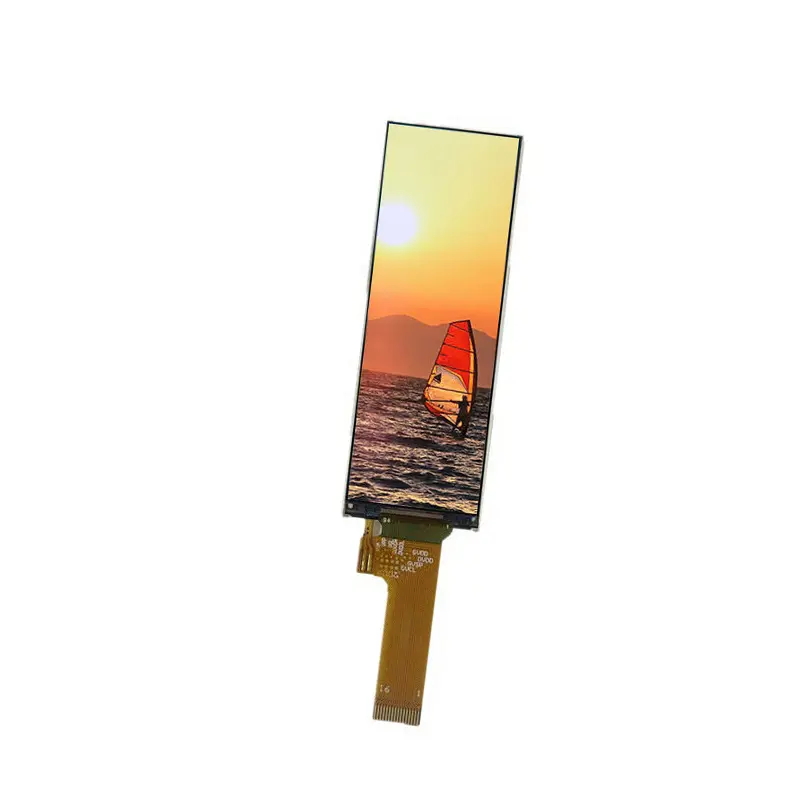
2.66 Inch Narrow SPI Status TFT LCD Module Bar Type Screen for Embedded Controls
Model P/N
Size
Resolution
Brightness
Viewing Angle
Connector Type
Operating Temp
Overall(mm)
huisoar
HS0266AA01A-V1
Brand
Panel Size (inch)
Model P/N
Resolution
Brightness (nits)
Viewing Angle
Contrast Ratio
Response Time
Overall (mm)
Active Area (mm)
Refresh Rate
Display Colors
Panel Type
Connector Type
Surface Treatment
Operating Temp
Touchscreen Type
Storage Temp
Work Mode
Pixel Format
Input Voltage (V)
Control Type
Weight (g)
Operating Environment
Motherboard Type
Designed For
2.66 Inch Narrow SPI Status TFT LCD Module for Embedded Controls
Its 142 × 428 portrait-bar canvas, 4-line SPI connection and 1.98 mm profile support status-oriented interfaces in space-limited embedded products.
Product Summary
A Narrow SPI Status TFT LCD Module gives embedded product teams a long, slim visual area without using a conventional rectangular screen. This 2.66-inch TFT module combines a native 142 × 428 pixel canvas, 4-line SPI communication, 450 cd/m² luminance and a normally-black transmissive structure for compact status and control interfaces.
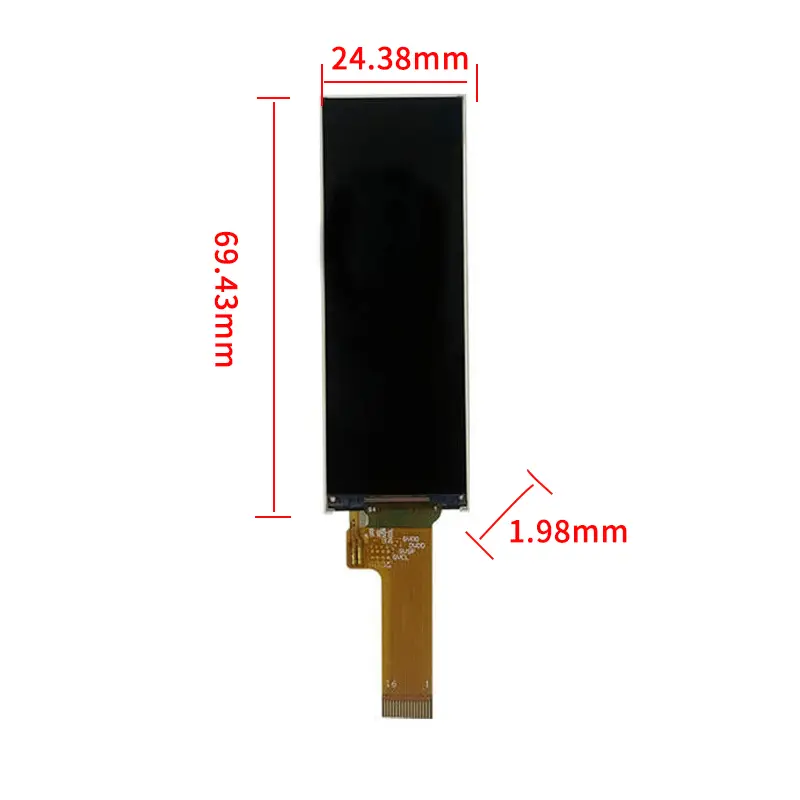
The 21.28 × 64.14 mm active area fits inside a 24.38 × 69.43 × 1.98 mm module. The display uses the NV3007A driver IC, an FPC connection and a white LED backlight. Its operating range is −20°C to +70°C.
Key Specifications
| Parameter | Value |
|---|---|
| Display size | 2.66 inches |
| Resolution | 142 × 428 pixels |
| Display structure | TFT, transmissive, normally black |
| Interface | 4-line SPI through FPC |
| Driver IC | NV3007A |
| Active area | 21.28 × 64.14 mm |
| Module outline | 24.38 × 69.43 × 1.98 mm |
| Luminance | 450 cd/m² |
| Viewing direction | All-o’clock |
| Backlight | White LED; 12-LED parallel/series notation requires circuit confirmation |
| Operating temperature | −20°C to +70°C |
| Storage temperature | −30°C to +80°C |
Why the 142 × 428 Bar Format Fits Compact UI
Portrait and Horizontal Layout Planning
The 142 × 428 raster supports a tall portrait interface and can be rotated in software for a horizontal information strip when the enclosure and FPC routing allow it. The narrow canvas suits status values, mode names, warning icons, progress bars and short menu groups.
Create artwork at the native pixel dimensions. Scaling a square or widescreen layout into 142 × 428 can produce small text, empty areas or distorted icons.
Status Content Without a Standard Rectangular Footprint
The 21.28 × 64.14 mm active area helps designers place colored icons, labels and changing graphics in a slim opening. It is intended for concise information rather than video-style content. Required update time, animated area and font rendering should be evaluated against the host processor, SPI clock and firmware architecture.
4-Line SPI Integration for a Narrow SPI Status TFT LCD Module
Confirm SPI Signal Definition and FPC Pinout
An SPI label does not establish the complete electrical interface. Confirm the FPC pin count and pitch, contact side, supply rails, logic levels, chip select, serial clock, data, data/command, reset, optional tearing-effect output and backlight connections.
The approved production drawing and pin table must control the PCB design. Do not copy a pinout from another NV3007A module simply because it uses the same controller family.
Match the NV3007A Software Path
NV3007A identifies the driver family, not a guaranteed drop-in software package. The host needs the correct initialization sequence, pixel format, scan orientation, address window and command transport for the ordered module.
Request the production initialization package with the datasheet, pin assignment and sample. This avoids assuming that an existing Arduino, ESP32, STM32 or other MCU project will run without adaptation.
Plan Update Rate Around the UI
SPI reduces display signal-line count, but refresh behavior depends on clock rate, transfer mode, pixel format, update area and host firmware. Status pages, values, icons, menus and partial-area changes are a better fit than high-frame-rate video. Define the required screen-update time during sample testing.
Mechanical Fit and FPC Routing
Use the 24.38 × 69.43 × 1.98 mm Envelope
Enclosure release requires the approved drawing as well as the module outline. Check active-area position, border widths, component keep-outs, FPC bend radius and tolerance around the 1.98 mm thickness. The visible opening should align with the 21.28 × 64.14 mm active area without covering useful pixels.
Confirm FPC Exit and Connector Position
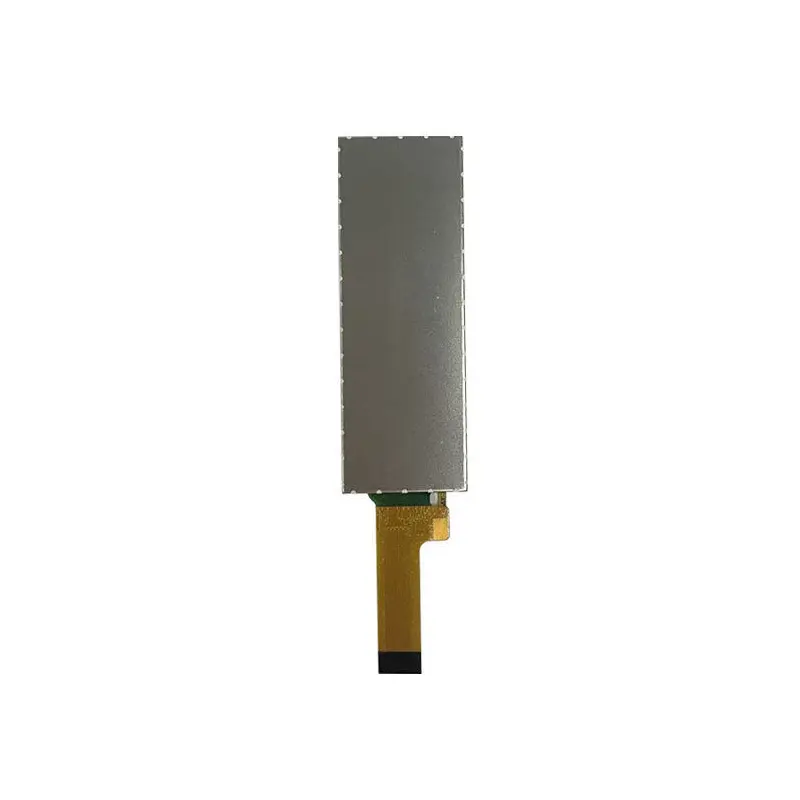
The product view shows a bottom flex cable, but PCB layout should use the approved FPC drawing. Confirm cable length, exit direction, contact side, stiffener dimensions, mating connector and insertion clearance. Qualify routing against batteries, enclosure walls and adjacent PCBs.
Optical and Environmental Boundaries
450 cd/m² for Indoor and Protected Bright Use
The 450 cd/m² luminance supports indoor controls and selected protected installations with stronger ambient light. It does not establish direct-sun readability. Cover-lens transmission, reflection, installation angle, dimming and thermal conditions affect the finished result.
Contrast ratio, color depth, surface treatment and touch-stack losses are not confirmed for the standard module and should not be assumed.
All-O’Clock Viewing and Final Orientation
“All-o’clock” is the confirmed viewing-direction description, but no numeric angular specification is available. Test the sample in the intended portrait or horizontal orientation.
The −20°C to +70°C operating range and −30°C to +80°C storage range are component-level limits. Finished equipment still needs qualification for humidity, condensation, vibration and enclosure temperature.
Application Fit and Selection Limits
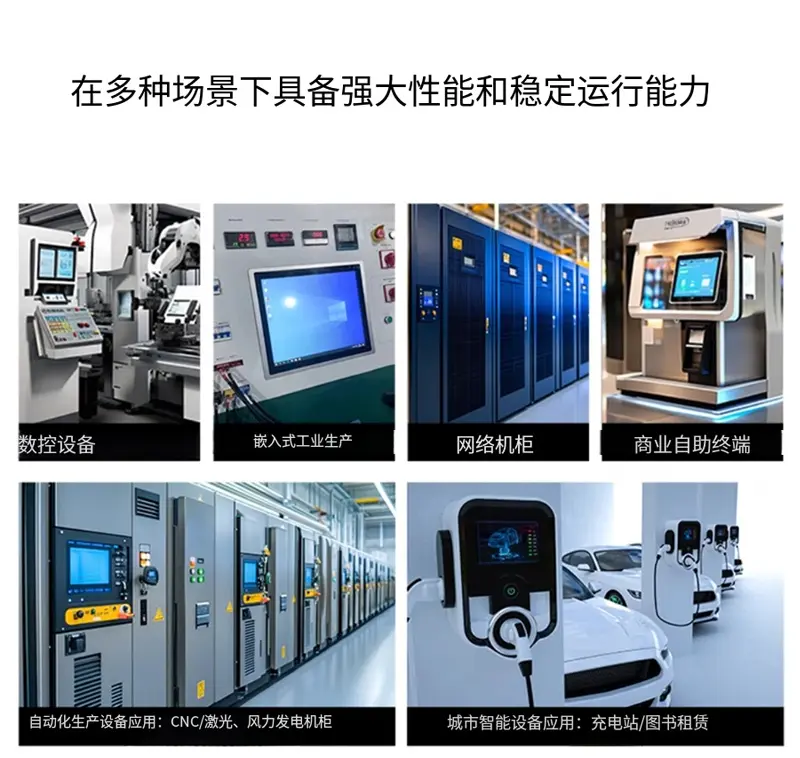
This Narrow SPI Status TFT LCD Module is a strong candidate for compact controller status areas, smart-appliance sub-panels, handheld instruments, sensor terminals, rack or audio status strips and other embedded products that need a narrow color interface.
It should not be presented as a finished HMI, outdoor-rated display, touch display or universal MCU module. Interface, power, pinout, initialization, backlight drive and mechanical fit must be qualified for each project.
Configuration and Customization
Project review may cover FPC shape and direction, pin definition, orientation, size or resolution variants, interface alignment, backlight target, cover lens, touch development, bonding and mechanical fit.
Custom configurations are generally reviewed from 500 pieces, subject to tooling requirements, material availability and the requested specification. Sample and standard-module quantities are confirmed separately.
Procurement Checklist
Confirm these items before sample or PCB approval:
- Approved production datasheet and mechanical drawing
- Native 142 × 428 pixel orientation
- Complete 4-line SPI signal definition
- FPC pin count, pitch, contact side and mating connector
- Panel and logic voltage requirements
- NV3007A initialization sequence and command package
- Pixel format, address orientation and scan direction
- Backlight voltage, current, topology, enable and dimming
- 21.28 × 64.14 mm active-area position
- 24.38 × 69.43 × 1.98 mm outline and tolerances
- FPC length, exit direction and bend clearance
- 450 cd/m² lighting target behind the final front
- Touch requirement and controller interface, when needed
- Operating and storage temperature requirements
- Sample quantity, validation criteria and annual demand
FAQ
About 2.66 Inch Narrow SPI Status TFT LCD Module Bar Type Screen
What must be confirmed before connecting this module to an MCU?
How should 142 × 428 graphics be prepared for portrait or horizontal use?
Is 450 cd/m² sufficient for outdoor equipment?
Does NV3007A mean an existing software library will work without changes?
Can the listed 12-LED backlight be driven directly from the host board?
Freya Yang
+86 18318948097