Freya Yang
+86 18318948097
+852 62667476
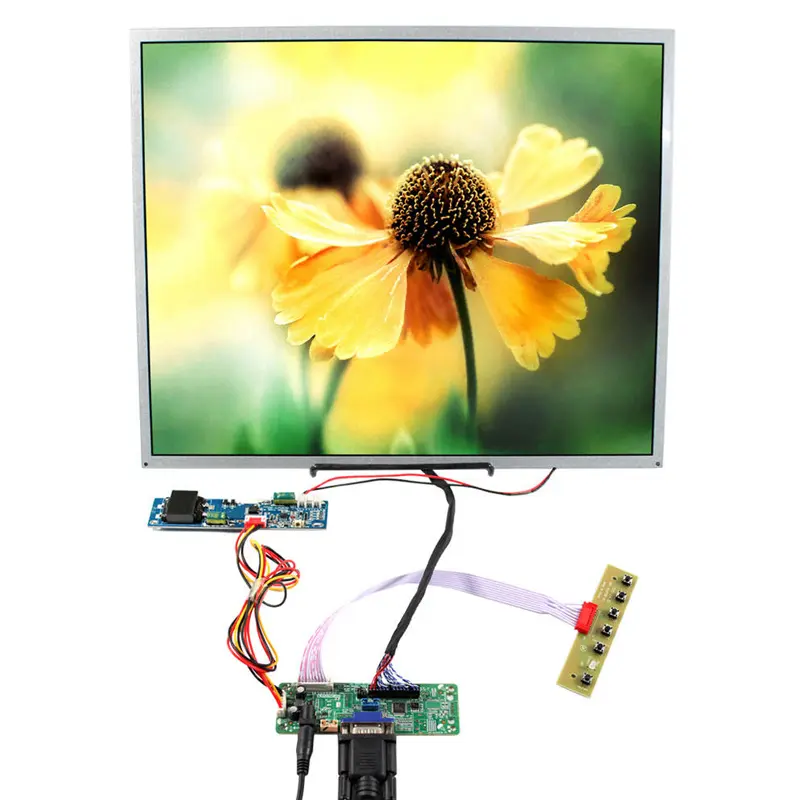
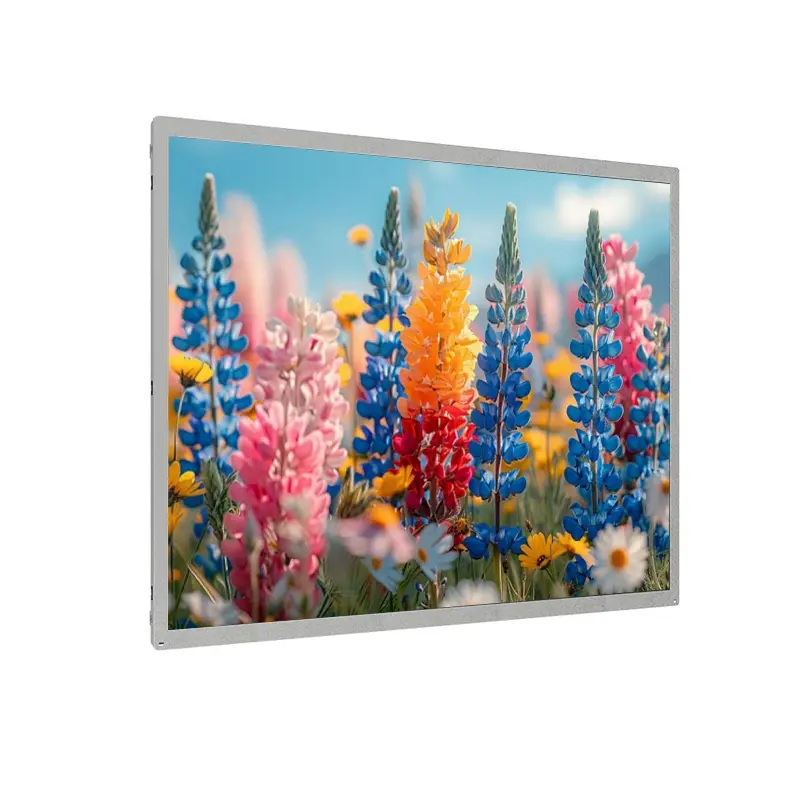
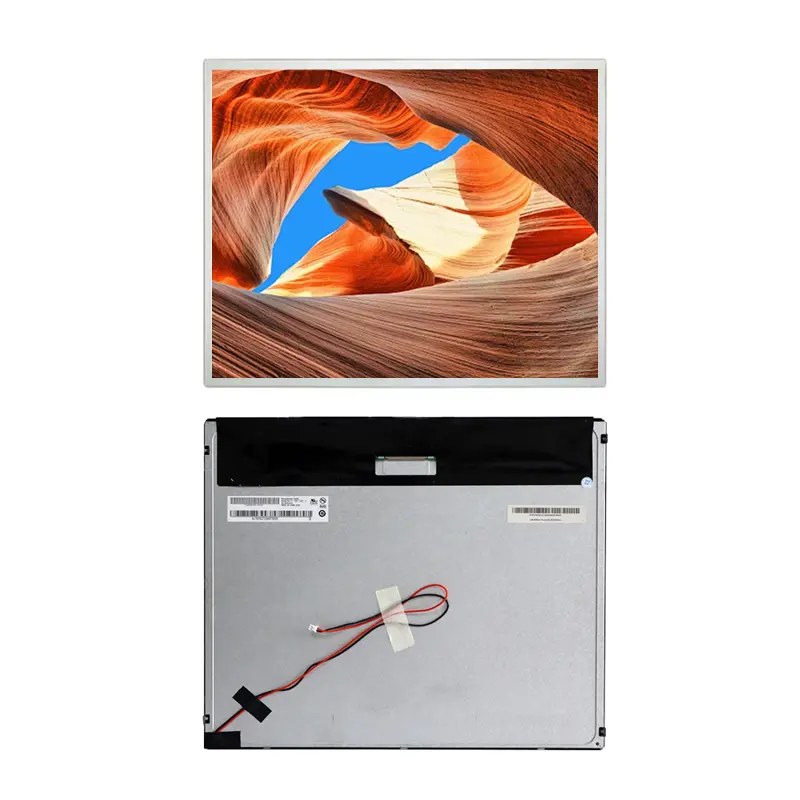
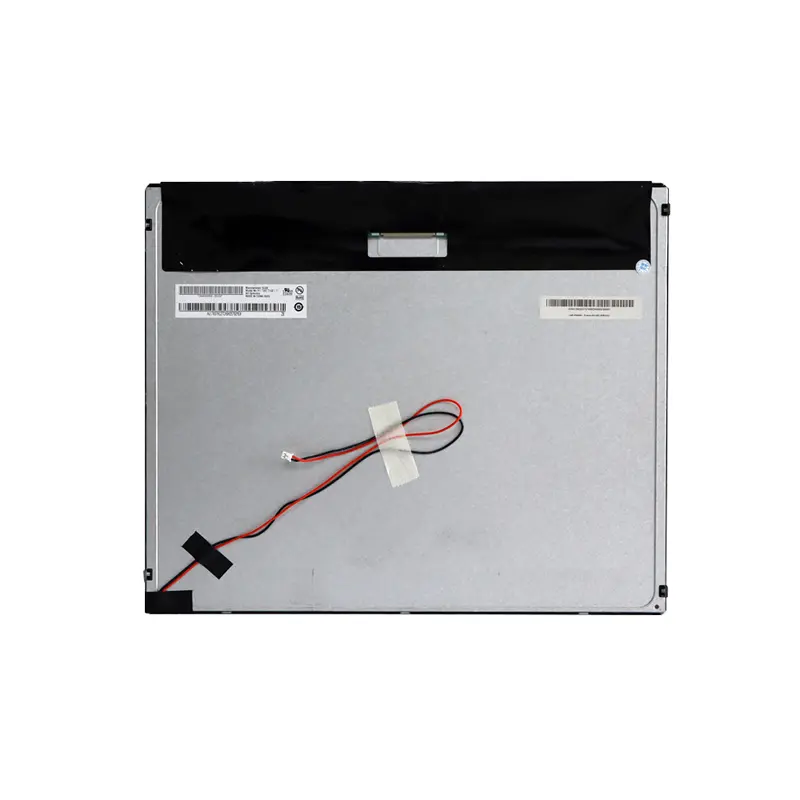
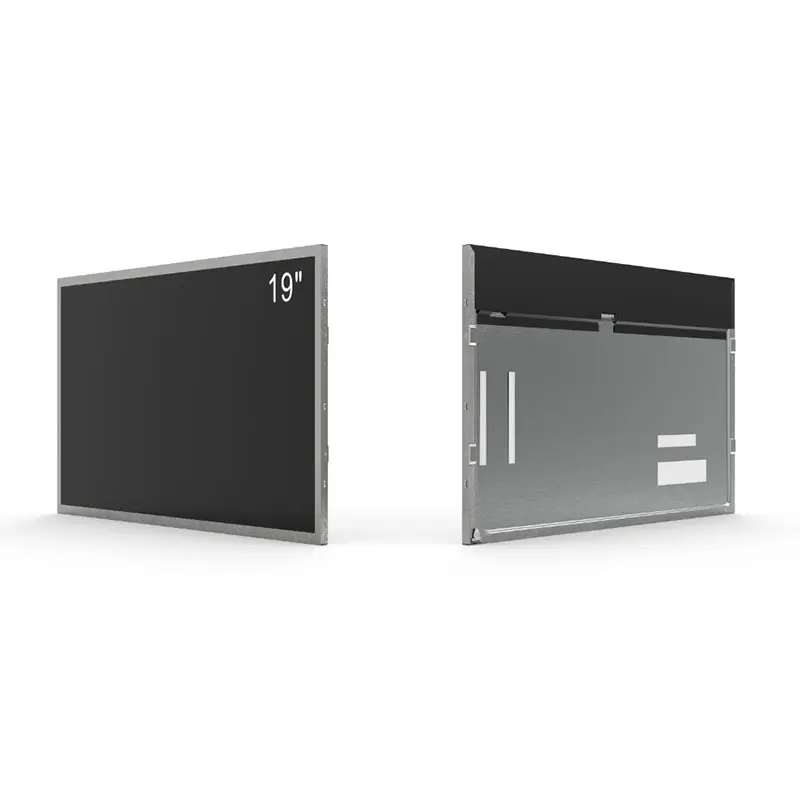
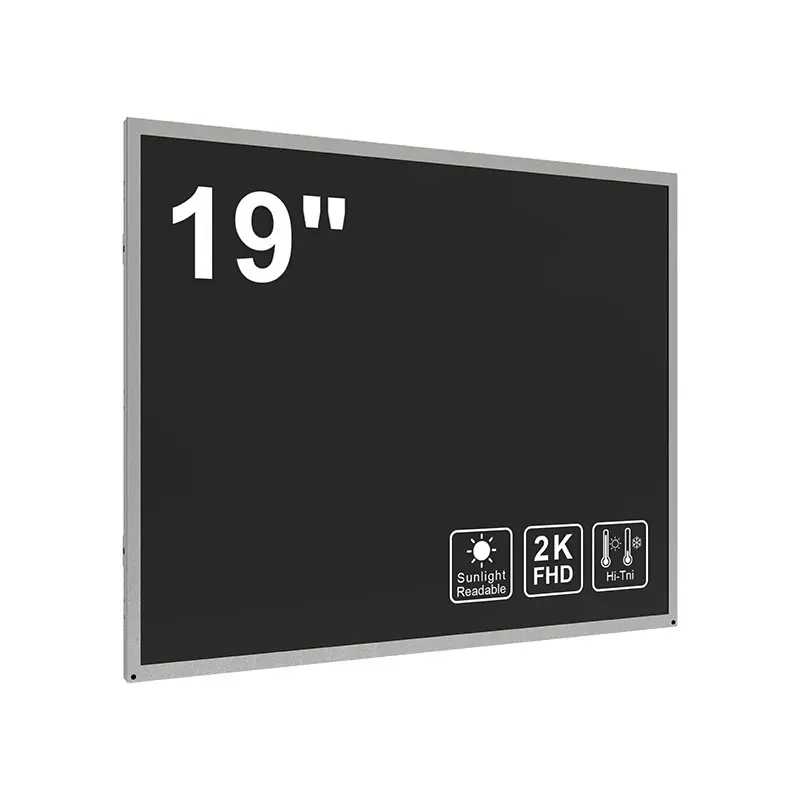
19 Inch Industrial Sunlight Readable LCD HMI Display for Automation
Model P/N
Size
Resolution
Brightness
Viewing Angle
Connector Type
Operating Temp
Overall(mm)
huisoar
HS190ENT-NE10
Brand
Panel Size (inch)
Model P/N
Resolution
Brightness (nits)
Viewing Angle
Contrast Ratio
Response Time
Overall (mm)
Active Area (mm)
Refresh Rate
Bezel Opening
Display Colors
Panel Type
Connector Type
Surface Treatment
Operating Temp
Touchscreen Type
Storage Temp
Work Mode
Pixel Format
Input Voltage (V)
Weight (g)
Operating Environment
Designed For
19 Inch Industrial Sunlight Readable LCD HMI Display for Automation
This Industrial Sunlight Readable LCD HMI Display pairs a 19-inch SXGA workspace with a selected 1000 cd/m² output and 30-pin LVDS integration.
Product Summary
An Industrial Sunlight Readable LCD HMI Display is useful when automation equipment needs a mature near-square interface, stronger ambient-light performance and a panel-level signal path rather than a finished monitor. This 19-inch a-Si TFT-LCD module provides 1280 × 1024 pixels at 86 PPI, a selected 1000 cd/m² luminance grade, TN normally-white transmissive optics and a 30-pin dual-channel LVDS interface.
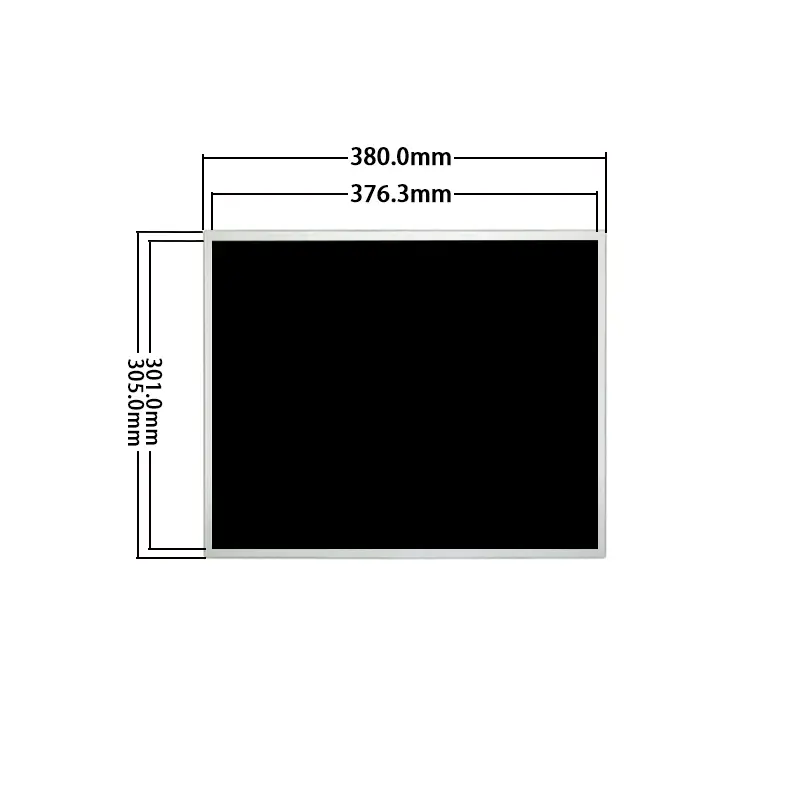
The active display area measures 376.32 × 301.056 mm. The anti-glare surface and 3H hard coating support bright controlled environments, while final direct-sun performance must be qualified with the actual front glass, bonding method and installation angle.
Key Specifications
| Item | Selected configuration |
|---|---|
| Display size | 19 inches |
| Native resolution | 1280 × 1024 pixels, SXGA, 86 PPI |
| Selected luminance | 1000 cd/m² |
| Panel structure | a-Si TFT-LCD module |
| Optical mode | TN, normally white, transmissive |
| Active area | 376.32 × 301.056 mm |
| Bezel opening | 380.0 × 305.08 mm |
| Viewing angle | 85°/85°/80°/80° left/right/up/down |
| Contrast ratio | 1000:1 typical |
| Response time | 3.6/1.4 ms typical, Tr/Td |
| Color support | 16.7M colors, 72% NTSC |
| Surface | Anti-glare, 3H hard coating |
| Standard refresh | 75 Hz |
| Signal interface | Dual-channel 8-bit LVDS, 30-pin |
| Panel supply | 5.0 V typical |
| Backlight | 11S4P WLED, listed 30,000-hour reference; driver not included |
| Module weight | 1.70 kg typical |
| Operating temperature | −20°C to +70°C |
| Storage temperature | −30°C to +80°C |
Selected 1000 cd/m² Model Grade
One Fixed Luminance for Release
The 19-inch family includes separate 500, 1000 and 1500 cd/m² model grades. This configuration uses the 1000 cd/m² version, so procurement documents should identify one fixed target and tolerance rather than describe the module as adjustable across the complete family range.
Readability Behind the Final Front Window
A 1000 cd/m² panel provides a stronger optical starting point than a standard indoor display, but luminance alone does not release a finished sunlight-readability claim. Cover-glass transmission, surface reflection, air gaps, optical bonding and ambient light determine the contrast seen by the operator.
Optical bonding can reduce internal reflection by removing the air gap between the LCD and cover layer. Projects using protective glass or touch should validate the complete stack under the intended lighting and mounting angle.
SXGA Workspace for Industrial Interfaces
Treat 1280 × 1024 as a 5:4 Raster
The native raster is 1280 × 1024, which defines a 5:4 workspace. It should not be released as a technical 4:3 format even though that wording appears in product marketing.
This geometry is useful for process dashboards, alarm lists, trend charts and test interfaces that need more vertical space than widescreen layouts.
TN Viewing Geometry
The confirmed viewing values are 85°/85°/80°/80° in left/right/up/down order. TN normally-white transmissive operation should be evaluated from the actual operator position, especially when the screen is mounted above or below eye level.
Related IPS- and VA-type series are separate optical configurations and should not be presented as standard features of this exact TN model.
Industrial Sunlight Readable LCD HMI Display Integration
Verify the 30-Pin LVDS Definition
The module uses dual-channel 8-bit LVDS through a 30-pin connector. A matching connector does not establish compatibility. The host, cable and panel must agree on native SXGA timing, channel mapping, bit convention, voltage levels, connector orientation and the complete pin assignment.
A controller board is required when the finished system needs HDMI, DisplayPort or DVI. Those ports are not native interfaces of the bare module.
Separate Panel and Backlight Power
The 5.0 V typical value applies to the panel supply. It does not define WLED voltage, current, enable logic, dimming method or total system power. The backlight is identified as an 11S4P WLED system with the driver not included, so the driver must be validated separately.
The approved electrical package should include panel current, backlight current, driver efficiency, protection behavior and startup requirements.
Refresh and Motion Configuration
The standard refresh rate is 75 Hz. Higher figures are described as MEMC-based or combined panel/backlight modes derived from a 60 Hz input, so they should not be treated as native default timing without configuration-specific approval.
Higher-motion configurations require confirmation of controller architecture, processing latency and supported timing.
Mechanical and Environmental Planning
The active area and bezel opening are confirmed, but the complete module outline, mounting points, rear protrusions and connector clearances are not. Enclosure release therefore requires an approved mechanical drawing.
The 1.70 kg typical module weight should be included in bracket calculations. Cover glass, touch, controller hardware and cooling components increase the finished assembly load.
The operating range is −20°C to +70°C and storage range is −30°C to +80°C. These limits apply to the module; they do not establish enclosure ingress protection, impact resistance, humidity grade or finished-system certification.
Application Fit
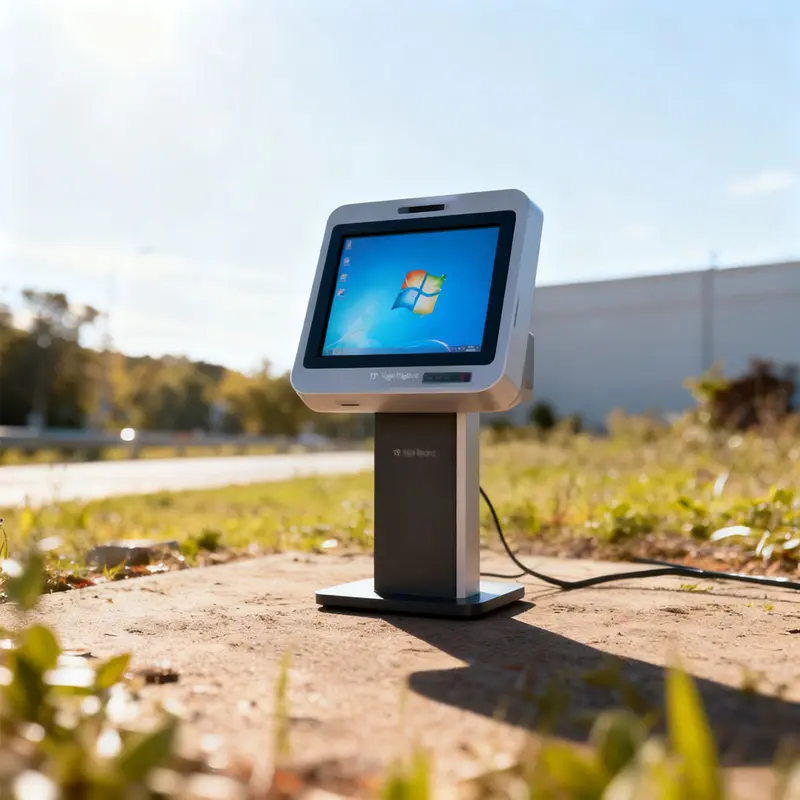
This Industrial Sunlight Readable LCD HMI Display is suited to factory automation panels, industrial control interfaces, test and measurement equipment, server-room monitoring, security displays, kiosks, information terminals and transportation-control platforms after signal, optical and mechanical qualification.
The 19-inch SXGA format supports equipment that needs stronger luminance while preserving a mature 1280 × 1024 software layout.
Customization Options
Project review may include another fixed luminance grade, LVDS controller and cable matching, cover-glass development, anti-reflective treatment, optical bonding, touch integration, enclosure adaptation, mounting design, backlight driving and branding.
Custom configurations are generally reviewed from 500 pieces, subject to tooling requirements, material availability and the requested specification. Sample and standard-module quantities are confirmed separately.
Procurement Checklist
- Confirm the assigned and supplier model revisions.
- Lock the 1000 cd/m² target, tolerance and measurement method.
- Approve native 1280 × 1024 timing and a 5:4 UI layout.
- Obtain the complete dual-channel 8-bit 30-pin LVDS definition.
- Confirm connector orientation and cable construction.
- Confirm the 5.0 V panel rail and current.
- Obtain WLED voltage, current, enable and dimming data.
- Select and validate the external backlight driver.
- Obtain the complete module outline and mounting drawing.
- Confirm the 376.32 × 301.056 mm active area and 380.0 × 305.08 mm opening.
- Validate the 85°/85°/80°/80° viewing geometry from the installed position.
- Confirm standard 75 Hz timing or an approved higher-motion configuration.
- Define cover glass, bonding, touch and reflection targets.
- Confirm −20°C to +70°C operation and −30°C to +80°C storage.
- State sample criteria, order quantity and annual demand.
FAQ
About 19 Inch Industrial Sunlight Readable LCD HMI Display
What must be checked before connecting a 30-pin LVDS controller?
Does 1000 cd/m² guarantee readability in direct sunlight?
How should the 1280 × 1024 format be handled in UI design?
What does “backlight driver not included” require?
When should the 75 Hz mode be selected?
Freya Yang
+86 18318948097