Freya Yang
+86 18318948097
+852 62667476
3.5 Inch Low Power E-Paper Display for IoT Devices
Model P/N
Size
Resolution
Brightness
Viewing Angle
Connector Type
Operating Temp
Overall(mm)
huisoar
HSO35EK-1
Brand
Panel Size (inch)
Model P/N
Resolution
Viewing Angle
Response Time
Overall (mm)
Active Area (mm)
Refresh Rate
Display Colors
Panel Type
Connector Type
Operating Temp
Touchscreen Type
Storage Temp
Work Mode
Pixel Format
Weight (g)
Designed For
3.5 Inch Low Power E-Paper Display for IoT Devices
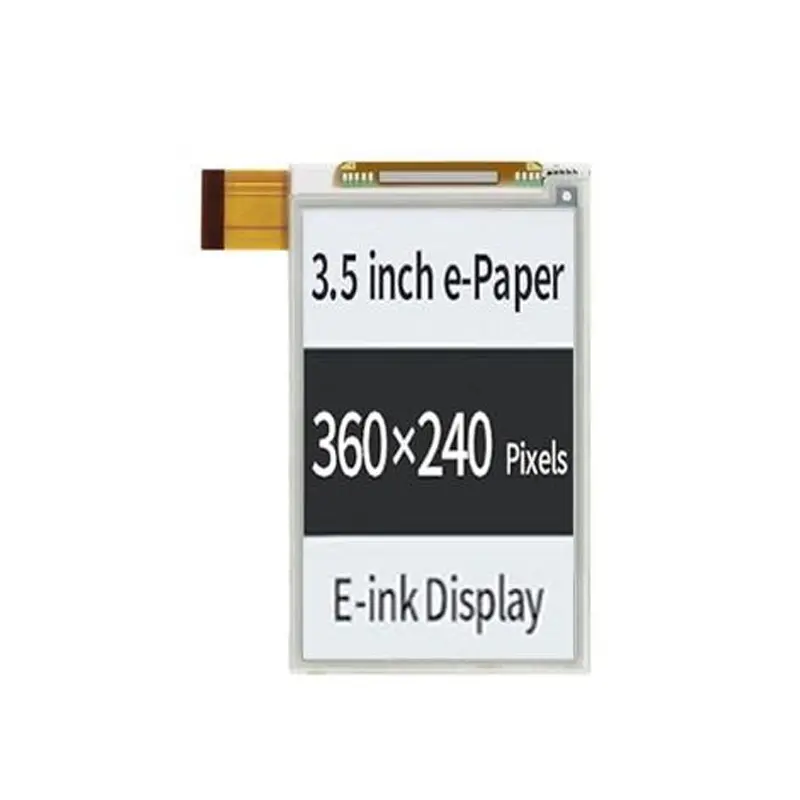
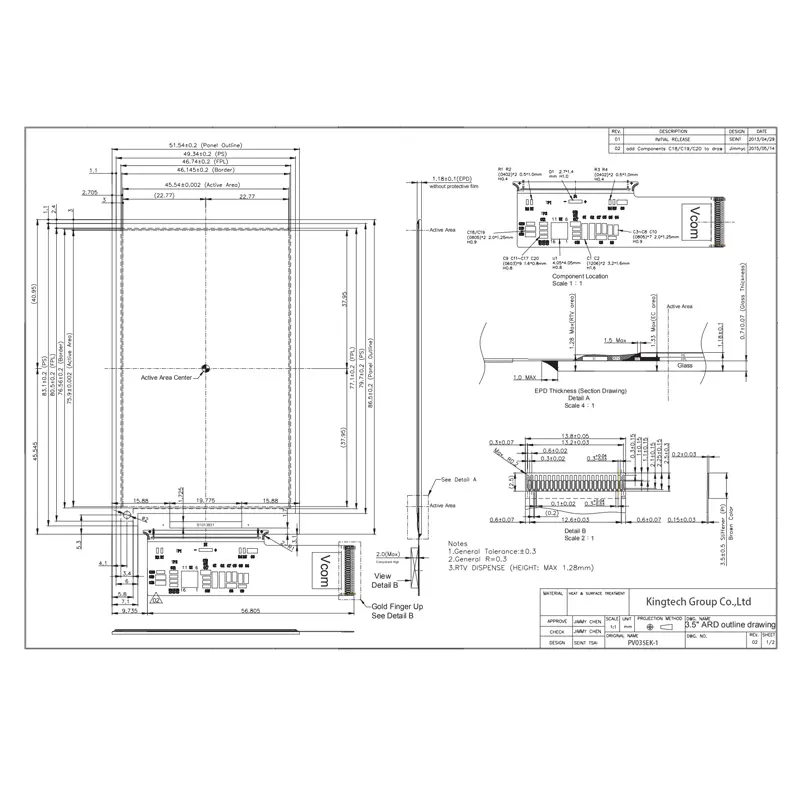
A Low Power E-Paper Display for IoT gives embedded product teams a compact reflective screen for status information, labels, menus, and other content that does not require continuous video. This 3.5-inch monochrome configuration uses a portrait-oriented 360 × 600 working resolution, a 45.54 × 75.9 mm active area, 16 grayscale levels, and a slim panel outline. It is a practical direction for battery-conscious equipment, but the electrical interface, refresh behavior, and power figures must be confirmed before the host PCB is released.
Key Specifications for Engineering Evaluation
| Specification | Confirmed value |
|---|---|
| Nominal size | 3.5 inches |
| Working resolution | 360 × 600 pixels |
| Active area | 45.54 × 75.9 mm |
| Pixel pitch | 0.1265 × 0.1265 mm |
| Pixel configuration | Rectangular |
| Panel outline | 51.54 × 86.5 × 1.18 mm |
| Grayscale | 16 gray levels, monochrome |
| Operating mode | Reflective |
| Local component height | 2.0 mm maximum indicated on the mechanical drawing |
The 360 × 600 raster is internally consistent with the active area and 0.1265 mm pixel pitch. Confirm that the ordered revision uses this raster before artwork, firmware, or tooling is frozen.
Portrait Format for Compact Information Interfaces
360 × 600 layout supports vertically structured content
The 360 × 600 pixel format gives the module a 3:5 portrait canvas. That proportion works well for stacked status fields, narrow menus, identifiers, parameter lists, compact instructions, and sensor information. The active area measures 45.54 × 75.9 mm, making the format useful when the product body is narrow or the display shares the front panel with controls or indicators.
Active area and module outline serve different functions
The active image area is 45.54 × 75.9 mm, while the panel outline is 51.54 × 86.5 × 1.18 mm. The active area defines the usable image window; the outline defines the basic panel footprint.
The mechanical drawing also marks local component height up to 2.0 mm. Enclosure depth should therefore not be released using the 1.18 mm panel value alone. Rear electronics, flex routing, adhesive stack, front window, and manufacturing tolerance need separate clearance.
Reflective Monochrome Imaging with 16 Grayscale Levels
Reflective mode changes the optical target
This module operates in reflective mode rather than as a conventional backlit screen. It fits information interfaces where ambient or externally provided light is available. A fixed luminance value is not confirmed, so the product should not be described with an LCD-style brightness claim.
The reflective architecture is consistent with the Low Power E-Paper Display for IoT positioning, but no numeric refresh power, standby current, battery-life figure, or update-energy value is confirmed for this module. System power budgeting should use approved electrical and waveform documentation.
16 grayscale levels support richer monochrome hierarchy
Sixteen grayscale levels can help distinguish icons, image regions, disabled states, charts, and background blocks. Grayscale capability does not establish refresh speed, partial-update behavior, or animation performance. Those functions depend on the controller, waveform package, temperature conditions, and host implementation, so the display is better positioned for static or semi-static information until refresh data is confirmed.
Low Power E-Paper Display for IoT Host Integration
Obtain the complete electrical interface before PCB release
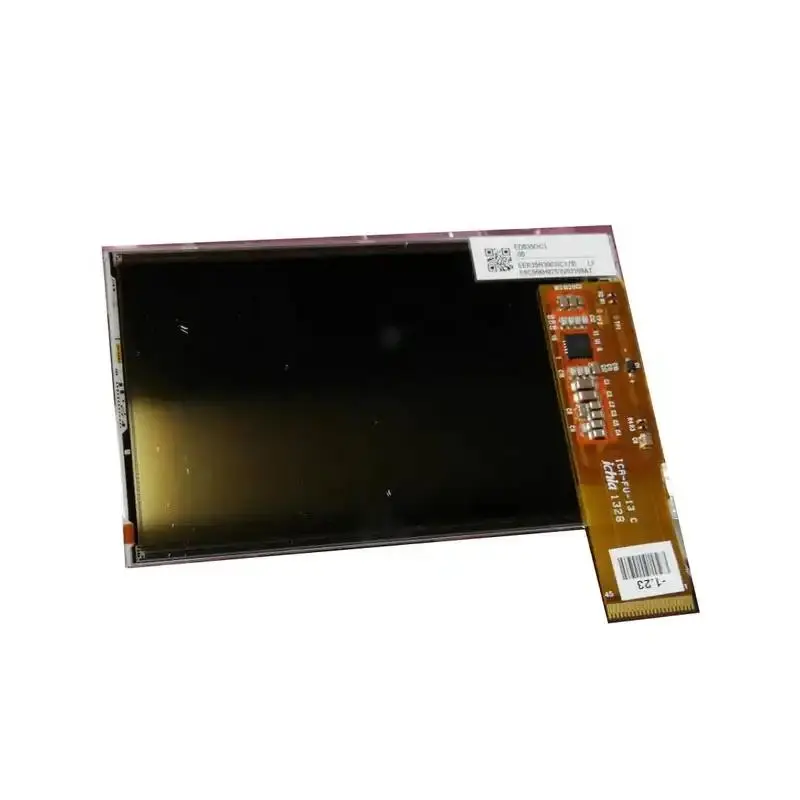
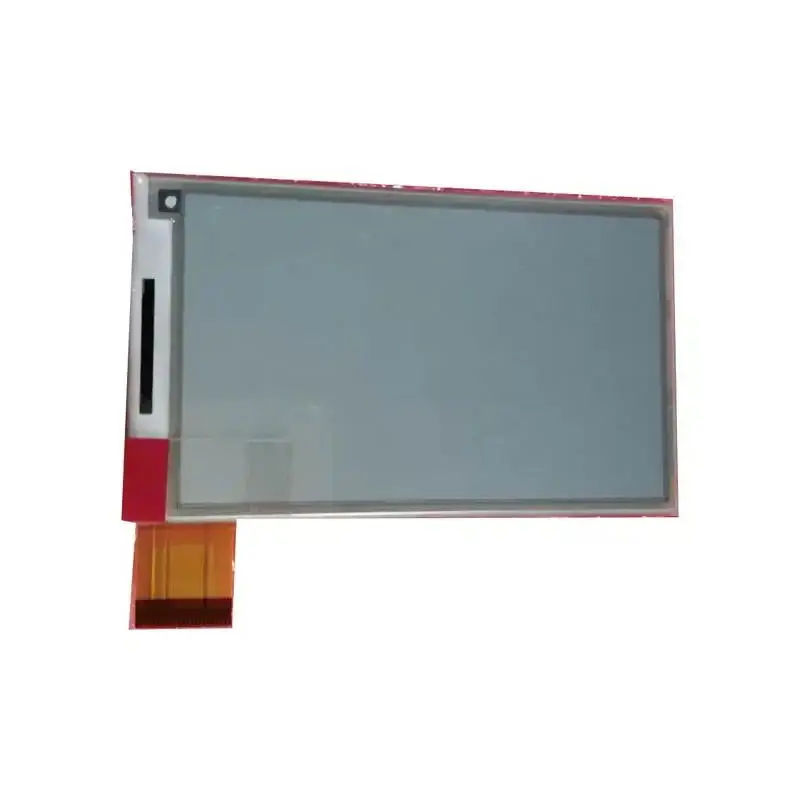
The mechanical drawing shows a gold-finger flex connection, but the protocol, pin count, voltage levels, signal assignment, timing, and mating details are not confirmed. A matching flex shape is not sufficient to approve host compatibility.
Before schematic release, request the complete pin definition, supply requirements, controller information, waveform documentation, reset and busy behavior where applicable, and recommended power sequence. These items determine whether the host MCU or processor can drive the panel directly or requires additional control electronics.
Refresh behavior is a system-level qualification item
One product may change content only a few times per day while another may update status frequently. Those use cases place different demands on waveform selection, ghosting control, update time, and energy consumption.
For a Low Power E-Paper Display for IoT project, define the expected update frequency before sample qualification. Also define whether full-screen refresh, local update, or grayscale transitions are required. Partial refresh should not be assumed until the approved driving documentation confirms it.
Mechanical Fit for Slim Embedded Devices
The 51.54 × 86.5 mm footprint can suit handheld instruments, equipment identifiers, battery-powered information panels, and narrow embedded terminals. The listed 1.18 mm panel thickness supports a slim front stack, while the separate 2.0 mm maximum component-height indication should be considered in the rear cavity.
Flex exit and gold-finger orientation are equally important. A housing may fit the panel outline but still interfere with cable bend, mating connector placement, or rear component clearance. Review the mechanical drawing together with the PCB layout and enclosure section view.
Application Direction
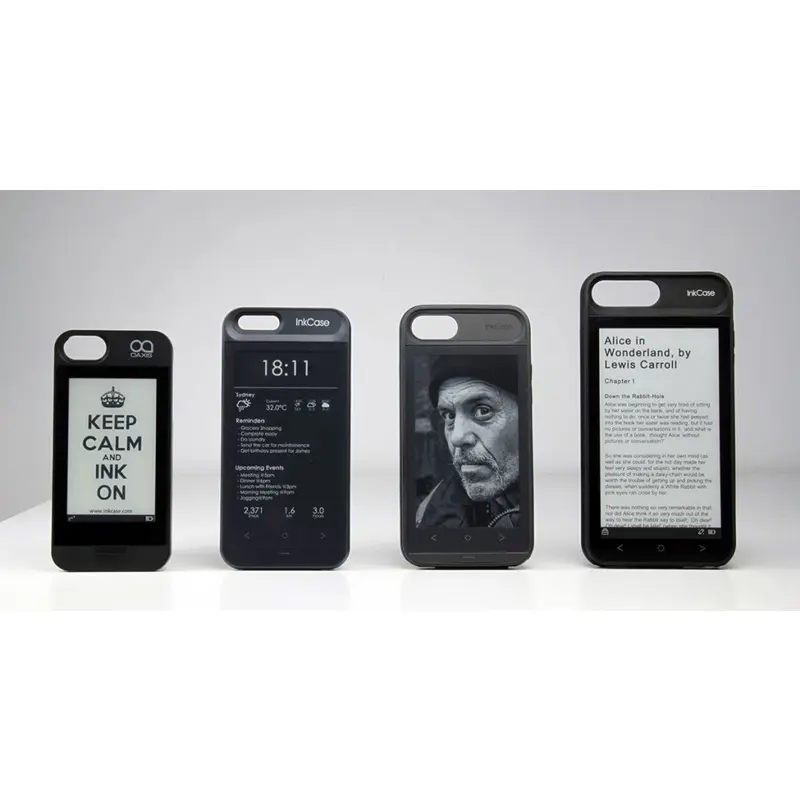
A 3.5-inch reflective E-paper panel can be considered for compact IoT status displays, portable measurement equipment, reusable identification panels, smart labels, low-update control interfaces, and other products where information remains stable between updates.
It should not be positioned as a video display, a guaranteed outdoor product, or a complete wireless label. Environmental range, interface electronics, update time, front lighting, touch, wireless functions, and protection grade are separate project requirements unless explicitly confirmed for the ordered configuration.
Customization and Project Qualification
Custom configurations are generally reviewed from 500 pieces, subject to tooling requirements, material availability, and the requested specification. Sample and standard-module quantities are confirmed separately.
Project review can include flex geometry, connector definition, front-window design, enclosure adaptation, grayscale requirements, controller or waveform support, branding, and packaging. Changes to the active area, resolution, driving architecture, or panel stack require technical feasibility confirmation.
Procurement Checklist
Before approving the Low Power E-Paper Display for IoT configuration, confirm the 360 × 600 production raster; 45.54 × 75.9 mm active area; 51.54 × 86.5 × 1.18 mm panel outline; 2.0 mm maximum local component clearance; 0.1265 × 0.1265 mm pixel pitch; 16-level monochrome grayscale mode; full flex and connector drawing; pin assignment; supply rails; controller and waveform requirements; full and partial refresh capability; update time; power data; operating and storage temperature limits; front-light or touch requirements; sample criteria; quantity; and annual demand.
FAQ
About 3.5 Inch Low Power E-Paper Display
What must be confirmed before designing the host PCB?
Which resolution should the UI artwork use?
Does 16-level grayscale mean the panel supports fast animation?
Which mechanical thickness should be used for enclosure clearance?
Does reflective mode guarantee readability in dark environments?
Freya Yang
+86 18318948097